CRBC News
Politics

“A Republic, If You Can Keep It”: Bipartisan Officials Warn Of An Unprecedented Threat To U.S. Elections

“A Republic, If You Can Keep It”: Bipartisan Officials Warn Of An Unprecedented Threat To U.S. Elections
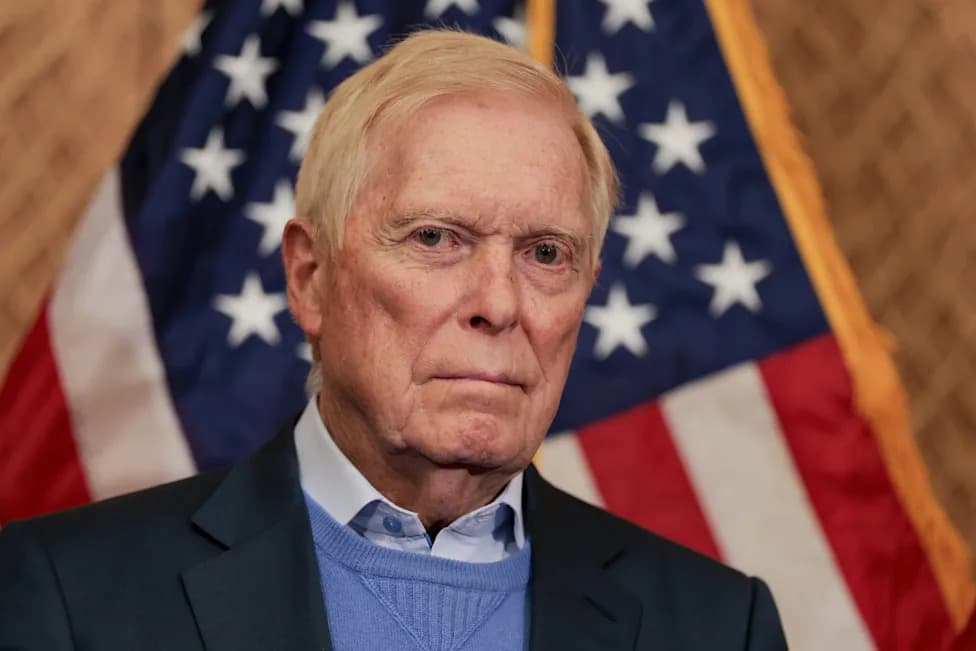
Former House Majority Leader Richard Gephardt (D-MO) at the U.S. Capitol on February 04, 2026 in Washington, DC.

Veteran officials from both parties warn that the ability to hold trusted elections—the bedrock of American self-government—is under sustained attack. They catalog actions since 2020, including pressure to change vote counts, pardons for January 6 participants, mass removals of election officials, and Justice Department and FBI actions involving ballot seizures.

The authors urge Congress to reassert its constitutional role, election officials to refuse unlawful orders, and citizens and civic institutions to defend the right to choose our leaders.

As America marks its 250th year, a group of former senior officials who served presidents from both parties warn that the foundations of our constitutional republic—the ability to hold trusted, legitimate elections—are under sustained and escalating pressure. They argue that a series of actions since 2020 collectively point to a steady shift from self-governance toward authoritarian control if left unchecked.

A Brief History

In the months before the 2020 presidential election, then-President Donald Trump repeatedly claimed that a loss would be the result of fraud. After the vote and during the events of January 2021, the depth of his efforts to overturn the result became clear. The signers highlight several consequential episodes:

  • Georgia: He phoned Secretary of State Brad Raffensperger and asked officials to "find 11,780 votes" to change the state outcome; Raffensperger declined.
  • Michigan: He sought to halt the count when he led early in tabulation and later pressured officials not to certify the outcome; Republican state officials resisted those demands.
  • January 6: He urged supporters to march on the U.S. Capitol to stop Congress and the vice president from completing the constitutionally required certification of the 2020 result. Vice President Mike Pence’s decision to follow his constitutional duty helped avert a failed transition.

Recent Developments Raising Alarms For 2026

Over the past 18 months, the authors point to actions by the current Administration that, taken together, suggest a real risk the president may not accept a loss in future elections. They cite the following steps:

  1. On his first day back in office in 2025, the president pardoned or commuted sentences for roughly 1,500 individuals charged or convicted for their roles in the January 6, 2021 attack on the Capitol, including those convicted of violent assaults on police and, via commutation, individuals convicted of seditious conspiracy.
  2. Since the start of his second term, about 75 federal officials who played key roles in safeguarding election integrity have been dismissed or forced out; some replacements previously worked to challenge the 2020 result.
  3. In January 2026, Kurt Olsen, an outspoken election skeptic and the Administration's director of "election security and integrity," directed the FBI to seize ballots from Fulton County, Georgia; the Justice Department has not yet produced evidence substantiating the affidavit's fraud allegations, and some senators described the legal rationale as misleading.
  4. In March 2026 the Justice Department obtained 2020 ballot images from Maricopa County, Arizona, and requested ballots from the 2024 election in Wayne County, Michigan, citing alleged fraud in 2020.
  5. Federal agents recently searched an Ohio organization that supports voter registration efforts and questioned staff without first obtaining a warrant, raising civil liberties and procedural concerns.
  6. The U.S. Attorney in Los Angeles announced multiple election-fraud probes after California’s primary and indicated he would pursue charges once the count is certified.
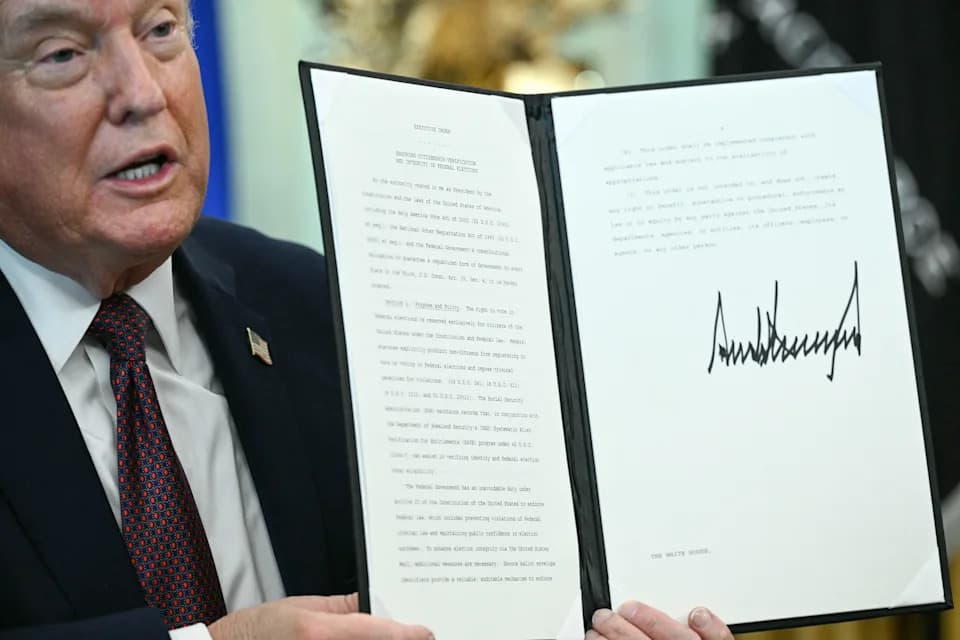
  7. The president signed an executive order claiming authority to regulate federal elections; federal courts in Maryland, Virginia and the First Circuit have enjoined parts of the order, and the Supreme Court issued mixed, temporary rulings on related rules.
  8. The president used his opposition to a bipartisan housing bill as leverage, saying he would not sign it unless Congress passed his proposed voting measure.
  9. The Postmaster General endorsed a policy that could bar USPS distribution of mail ballots in states that refuse to provide voter rolls to the Administration.

Taken together, the authors say these measures reflect an effort to centralize control over key elements of the electoral process in the executive branch—contrary, they argue, to the Constitution’s text and long-standing practice that primarily reserves authority over elections to the states and to Congress.

What Must Be Done

The signers—veteran officials who served presidents of both parties—call for three essential steps to prevent a constitutional crisis in 2026:

  • Congress Should Reassert Its Authority: Review, and where appropriate, rescind or block executive actions that exceed constitutional limits.
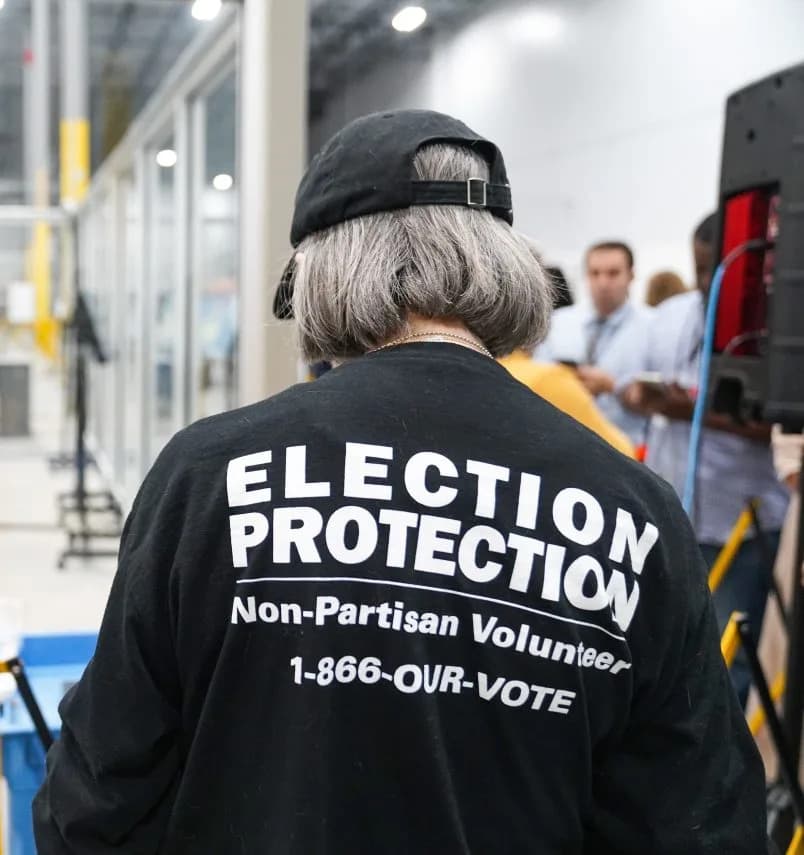
  • Election Officials Must Uphold The Law: Federal, state, and local officials responsible for running and certifying elections should be prepared to refuse unlawful orders and to prioritize the public interest over partisan pressure.
  • Civic Institutions And Citizens Must Defend Voting Rights: Clergy, educators, journalists, community leaders and ordinary citizens must speak up to protect the fundamental right to choose our leaders.

Benjamin Franklin’s admonition remains: "A Republic, if you can keep it." The authors emphasize that while Americans will continue to disagree about policy and governance, the power to decide leadership must reside with the people—not a single individual.

So the question remains: Can we keep it?

Note: This piece reflects the views of the signers and was originally published on Fortune.com.

Help us improve.

Related Articles

Trending