Overview: Former Army Secretary Dan Driscoll pushed an ambitious modernization agenda — rapid procurement, a unified "marketplace" for equipment, counter-drone systems and a 600‑soldier Unmanned Assault Battalion — to prepare the Army for drone‑ and AI‑driven conflict. His program collided with Defense Secretary Pete Hegseth's focus on fitness, grooming and public-facing culture initiatives. Personnel moves by Hegseth removed several senior leaders tied to modernization, and after Driscoll resigned in August, many of his programs were rolled back. Critics warn that prioritizing optics over technical readiness could leave U.S. forces vulnerable in future wars.
Modernization vs. Image: How Dan Driscoll Lost the Fight to Modernize the Army
Just before 2 a.m. on Jan. 3, 2026, a small, coordinated U.S. operation moved from the Caribbean toward Caracas. Low-flying helicopters carried Delta Force teams to a Venezuelan compound where, according to official and media accounts, American cyberattacks temporarily degraded local radar, Navy and Air Force assets struck defensive positions, and special-operations forces fast-roped into the target. Reportedly, more than 30 Cuban guards were killed in the raid and President Nicolás Maduro and his wife, Cilia Flores, were taken to waiting ships — all without U.S. casualties. For former Army Secretary Dan Driscoll, the raid proved the limit of lessons drawn from special-operations victories.
A Push To Modernize
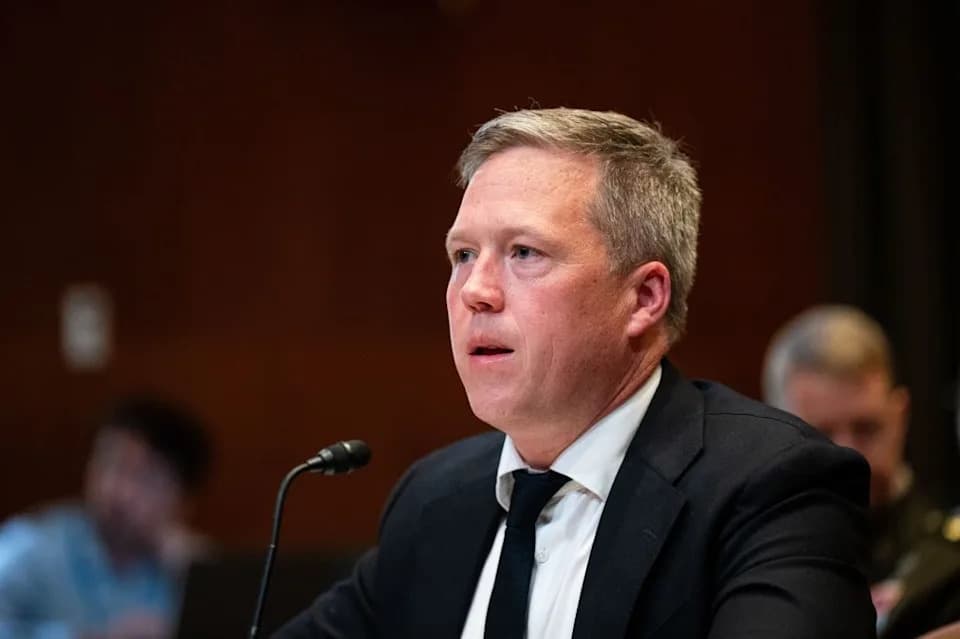
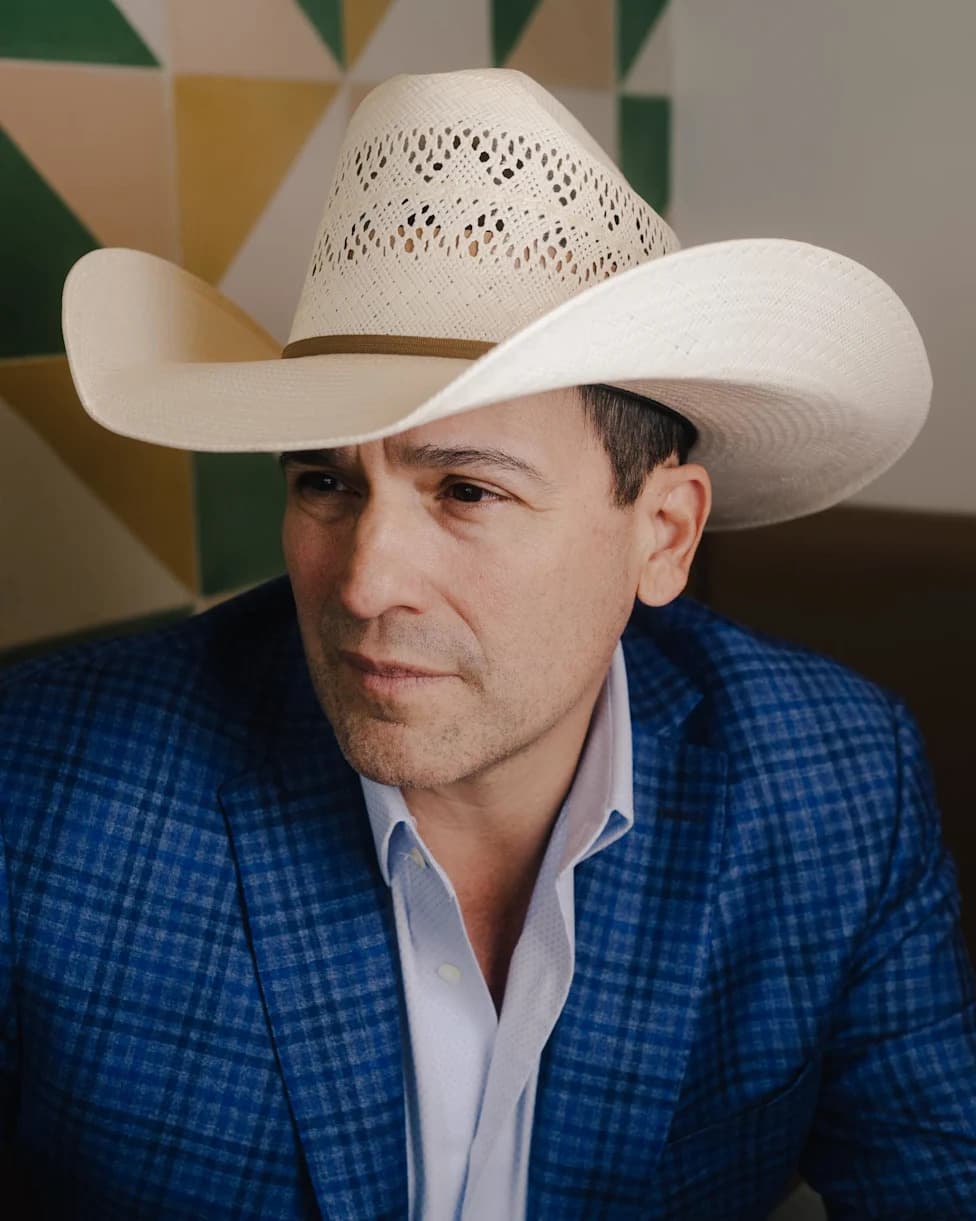
Dan Driscoll arrived at the Pentagon in early 2025 determined to remake how the Army buys gear, trains soldiers and adapts to high-end conflict. Drawing on the work of then–Chief of Staff Gen. Randy George, Driscoll pushed the Army Transformation Initiative (ATI) to strip administrative bloat, accelerate procurement, and prioritize technologies suited to drone-era warfare. He championed policies that let soldiers repair their own equipment, won rare bipartisan backing for those changes, and described a new procurement model as an "Amazon for war" — a single marketplace launched in August 2025 to speed buys of counter-drone systems and routine gear.
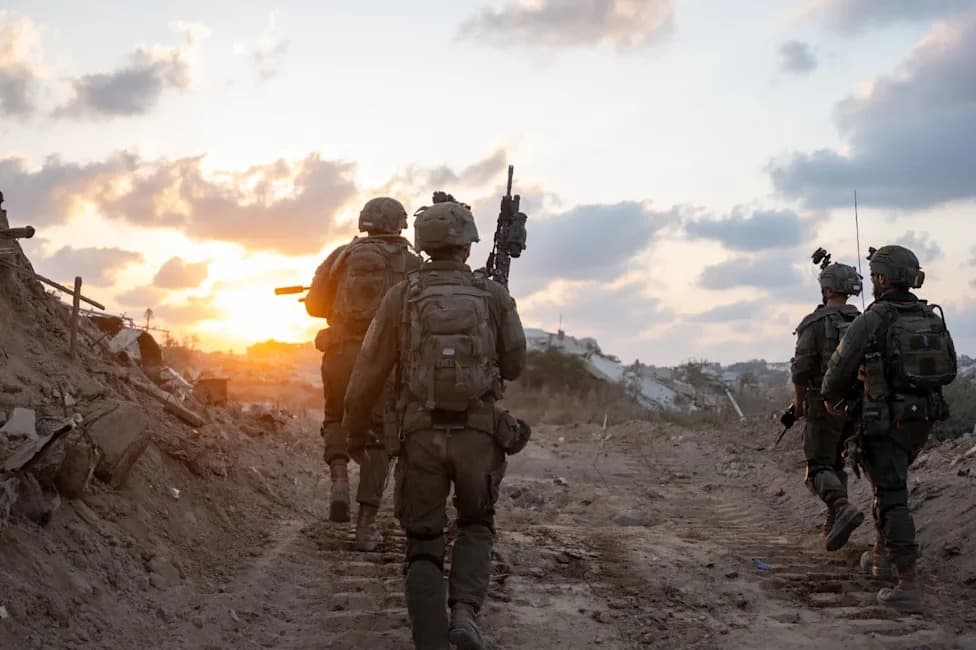
Driscoll also focused on getting soldiers back to soldiering. He highlighted that line units spent only about 13 percent of their time on training while the rest went to administrative tasks, and he promoted automation tools to reduce paperwork. In May 2025 he approved an experimental Unmanned Assault Battalion — roughly 600 soldiers based in Italy — that prioritized drones, electronic warfare, and collaboration with Ukrainian advisers. Another flagship effort, the Eastern Flank Deterrence Initiative (EFDI), aimed to fuse drones, interceptors, Patriot batteries and satellite intelligence into an AI-enabled defense network for NATO and allied partners.
Clash With the Defense Secretary
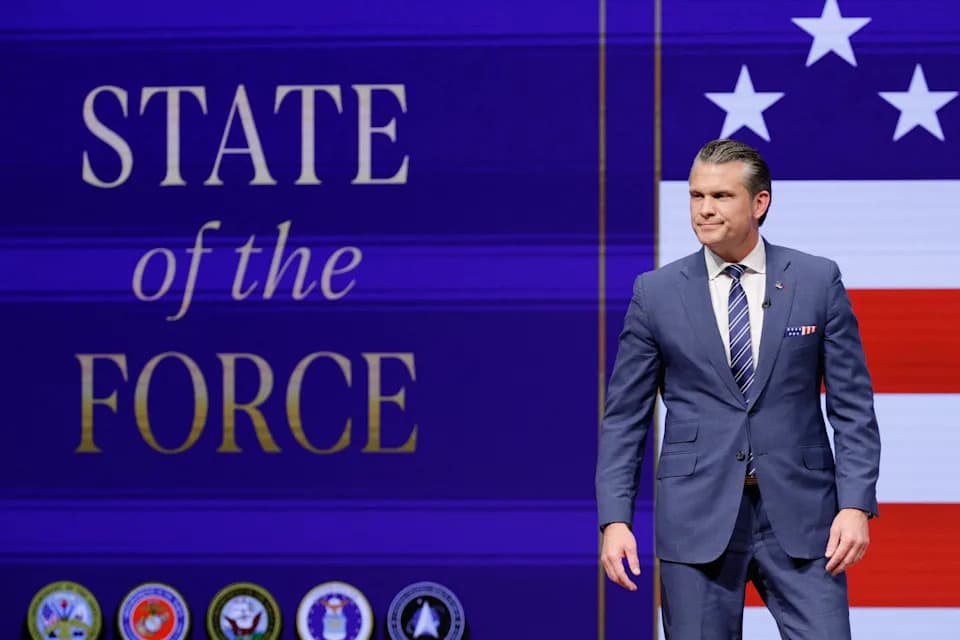
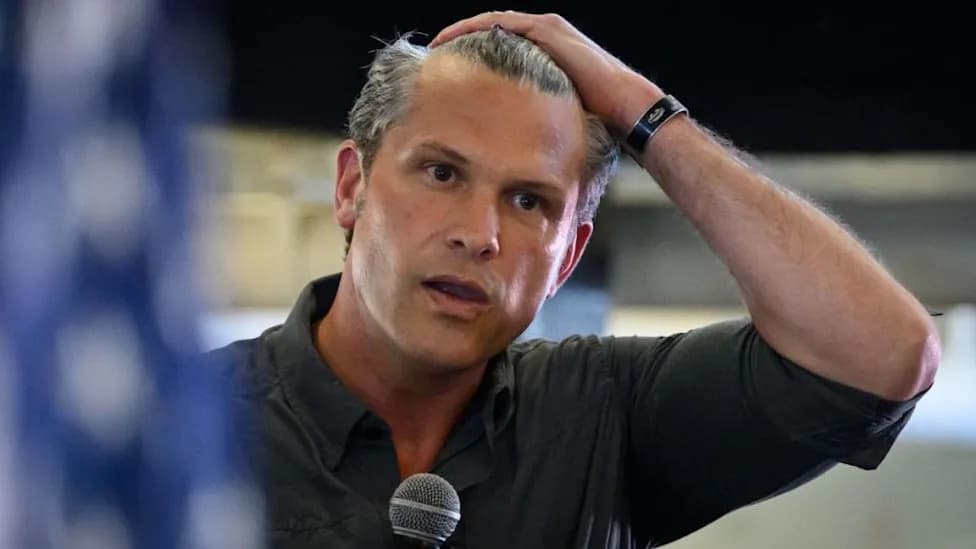
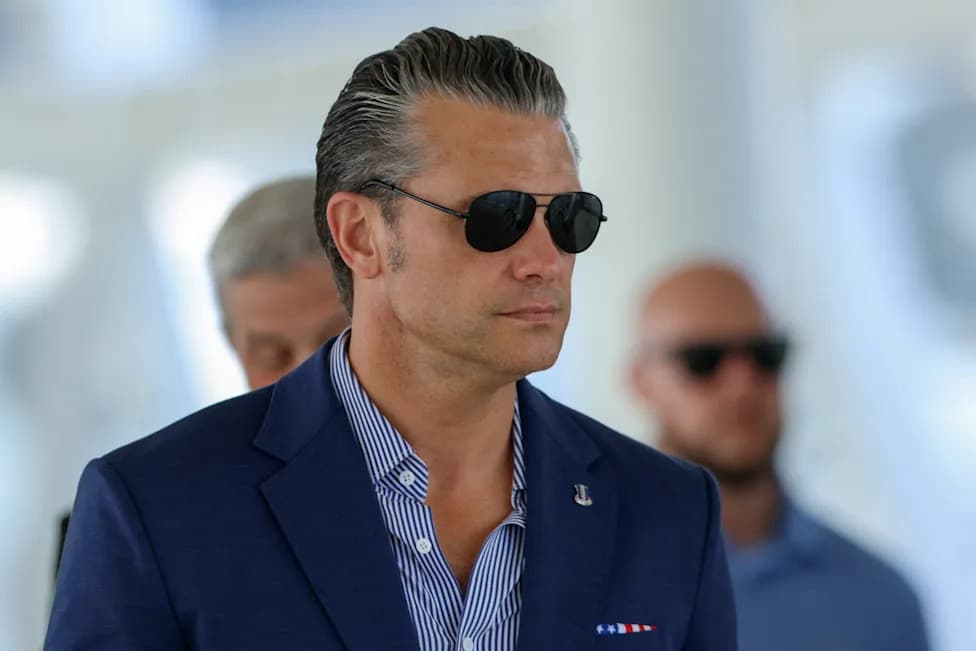
Despite early cooperation, Driscoll's modernization agenda collided with Defense Secretary Pete Hegseth's priorities. Hegseth — a former TV host and combat veteran who emphasized restoring a particular "warrior culture" — focused publicly on physical fitness, grooming standards and cultural messaging. Critics inside the Pentagon said Hegseth prioritized optics and media-ready initiatives over the deep technical investments Driscoll considered essential to counter drone swarms and electronic attack.
"That kind of massive force and violence is a very different exercise than doing something exquisite," Driscoll said about the limits of special-operations-style strikes. "You need toughness, but that is not sufficient anymore."
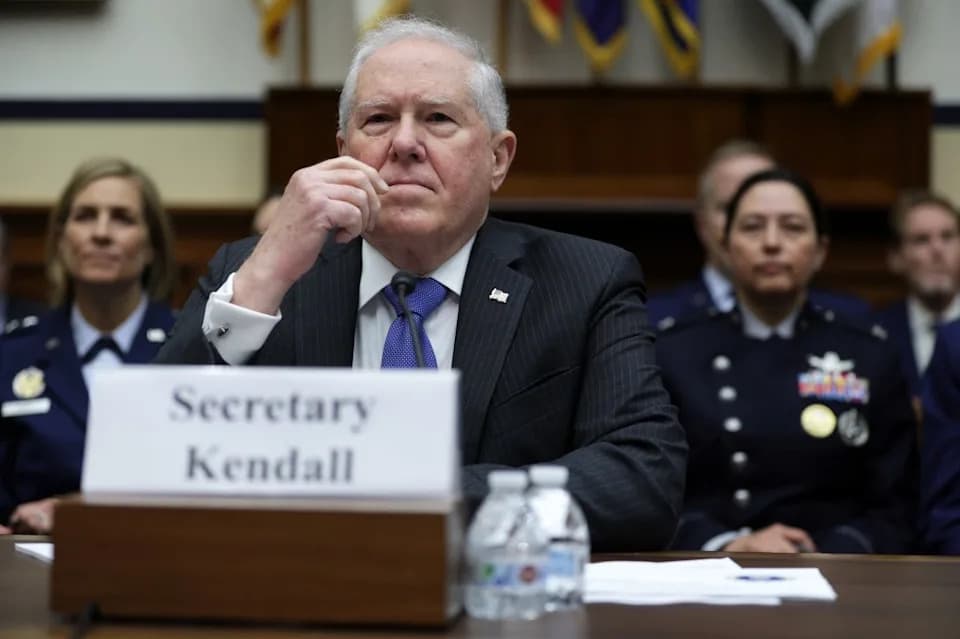
Tensions escalated as multiple senior officers associated with the modernization push were forced out or blocked from promotion. News reports and multiple sources cite the removal or sidelining of roughly 10 percent of senior officers across services and name more than 20 senior officials who left or were pushed out. Several leaders tied closely to Driscoll's program — including Gen. Randy George and Gen. Christopher Donahue — were forced into early retirement, a pattern that prompted public friction and concern among modernization advocates.
Resignation And Reversal
In late August, after an Oval Office meeting described by sources as a breaking point, Driscoll informed the president that he intended to resign, saying Hegseth had undercut the leaders and programs he relied on to modernize the force. Driscoll stepped down soon afterward. The White House praised him for advancing the president's agenda and lauded his leadership during "historic military operations," while Pentagon spokespeople disputed aspects of reporting that were critical of Hegseth.
After Driscoll's departure, several of his initiatives were rolled back. The acting Army chief ordered the Unmanned Assault Battalion to revert to a conventional airborne infantry unit, and other programs were paused or restructured. Hegseth, meanwhile, announced a set of initiatives that on paper included elements of autonomous and drone warfare but continued to emphasize cultural standards and public messaging. His public remarks in September included language that many found derogatory and inflammatory, amplifying concerns about the tone of civilian leadership at the Pentagon.
Why It Matters
The dispute between a modernization agenda focused on rapid procurement, counter-drone defenses and training time and a leadership style centered on cultural signaling raises urgent questions about how the U.S. military will prepare for future conflicts. Advocates warn that privileging optics over technical readiness could leave forces exposed to drone swarms, electronic attack and other 21st-century threats. Critics argue that personnel moves that remove experienced, combat-tested leaders risk degrading institutional knowledge at a moment when adaptation matters most.
Bottom line: Driscoll's brief tenure pushed concrete changes toward faster procurement and drone defense, but political and personnel battles at the top of the Pentagon curtailed his agenda — and left unanswered whether the Army's priorities will align with the realities of future wars.
Help us improve.