Iran’s foreign minister said negotiations, not military force or fresh sanctions, are the only viable route to end the conflict with the United States. The standoff centers on Iran’s attempts to control the Strait of Hormuz and a list of seven conditions Tehran has set for reopening it. The dispute has disrupted maritime traffic and energy markets, and domestic strain in Iran prompted the resignation of the oil minister. Indirect talks have taken place but no agreement has been reached.
Iran Says ‘No Military Solution’ to War with U.S.; Urges Talks to Reopen Strait of Hormuz
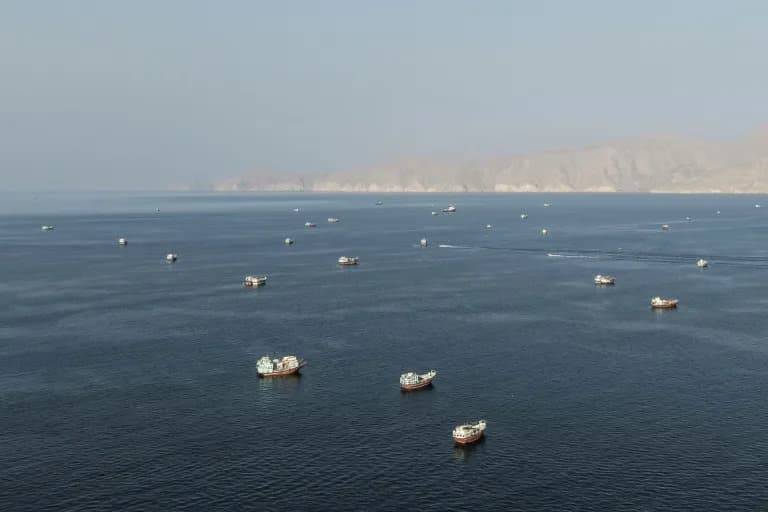
Ships anchored off the coast of Musandam governorate in Oman near the Strait of Hormuz on Friday (-)
Iran’s top diplomat warned on Sunday that there is no military solution to the conflict with the United States and urged negotiations as the only realistic path to end the fighting. Talks aimed at resolving the crisis appear to be stalled, even as both sides maintain pressure through military deployments and economic measures.
Standoff Over the Strait of Hormuz
The principal flashpoint remains the Strait of Hormuz, a vital shipping lane for Gulf oil and gas. Iran has sought to exert control over transits, striking vessels it says pass without authorization. The British maritime security centre UKMTO reported that a tanker in the Hormuz was struck by an unknown projectile, damaging its engine room; the crew were reported safe and no environmental impact was recorded.
Diplomatic Calls and Conditions
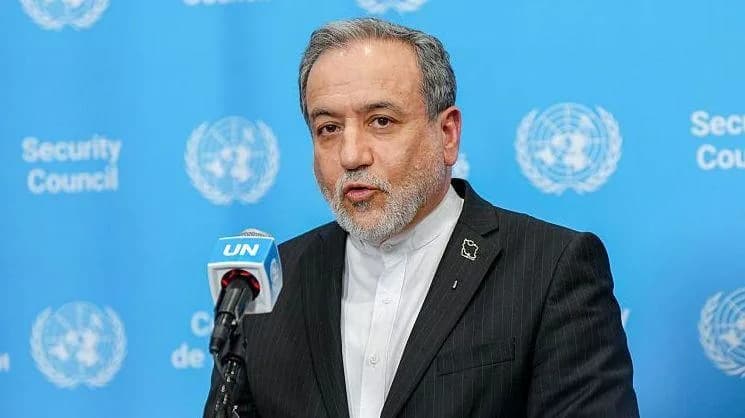
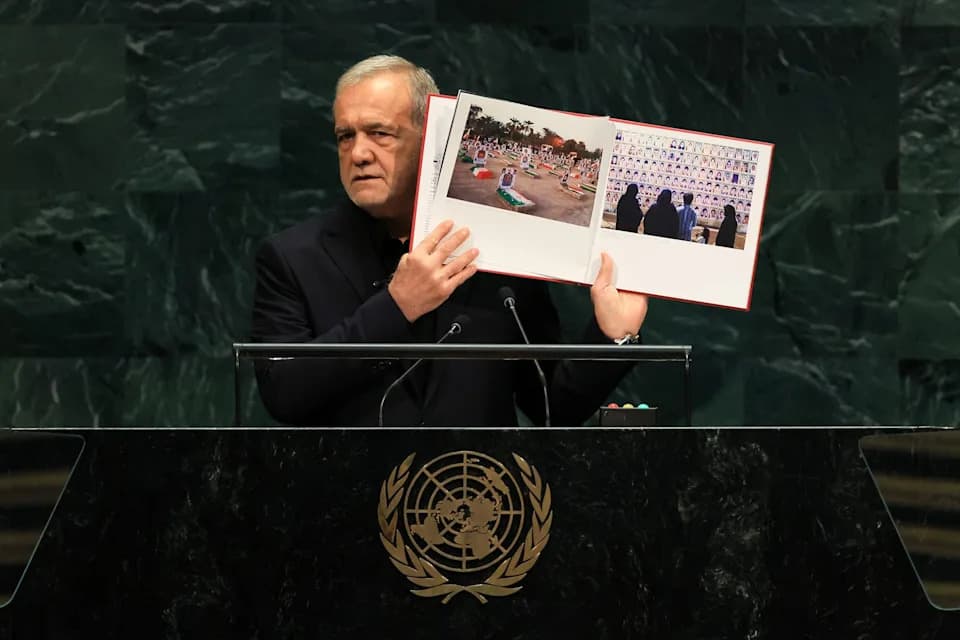
Iranian Foreign Minister Abbas Araghchi told a gathering of foreign envoys that "there is no military solution, nor any solution based on new sanctions," and that "only negotiations based on justice and fairness" could end the conflict. Tehran presented seven conditions for reopening the strait during indirect talks with U.S. interlocutors on the sidelines of the UN General Assembly, including a regional ceasefire, unfreezing Iranian assets, lifting oil-sector sanctions and ending the U.S. naval blockade.
"If our enemies again choose the path of military confrontation, our response will be stronger than before, and we will defend ourselves with even more force," Araghchi said.
Military Moves and Economic Pressure
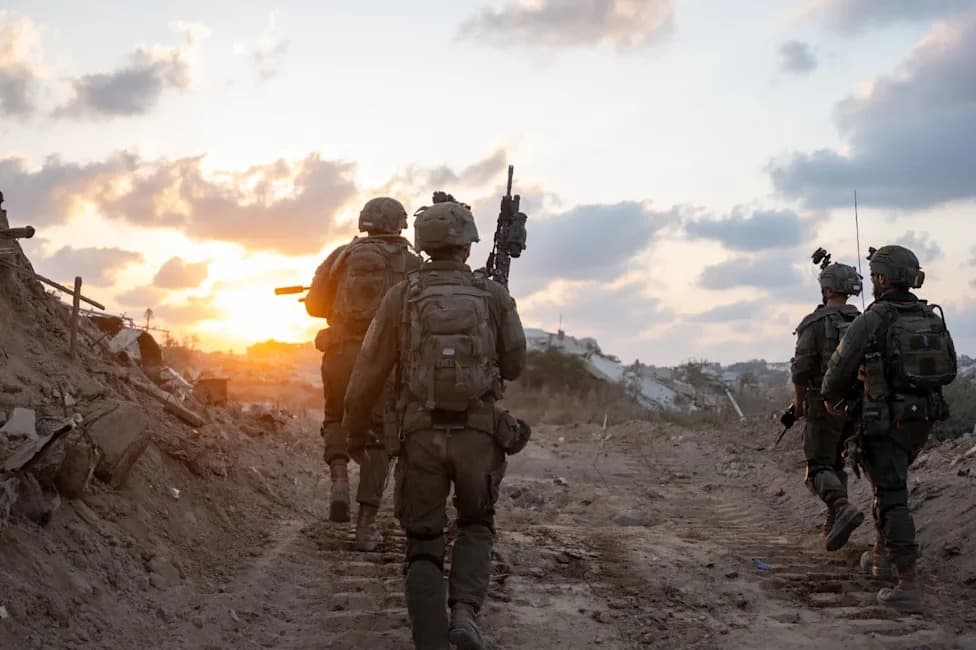
Washington has recently dialled back direct strikes in favour of economic pressure but continues a military buildup in the region. U.S. officials have reviewed Iran’s conditions and communicated responses through intermediaries, according to Iranian Deputy Foreign Minister Kazem Gharibabadi, and Tehran says it is examining those replies internally while preparing for other scenarios.
Domestic Impact in Iran
The war’s effect at home has included longer queues at petrol stations. Iran’s oil minister, Mohsen Paknejad, resigned and the president appointed Hamid Bovard, CEO of the National Iranian Oil Company, as acting oil minister, the presidency announced.
Where Things Stand
Both sides previously agreed a memorandum of understanding in June that set out a framework for a permanent resolution, but renewed attacks in the Hormuz led to resumed U.S. military operations. U.S. and Israeli leaders say the campaign aims to stop Iran from obtaining nuclear weapons — a goal Iran denies — yet the dispute has increasingly centred on reopening the Strait of Hormuz after disruptions rattled global energy markets. U.S. strikes on Iran have not been reported since September 1, though Washington is reinforcing forces in the region. U.S. media reported senior administration officials recently met to discuss the Iran war and related regional conflicts, including Yemen.
Fact note: UKMTO did not disclose the date of the reported tanker incident or details about the ship’s cargo or itinerary.
Help us improve.