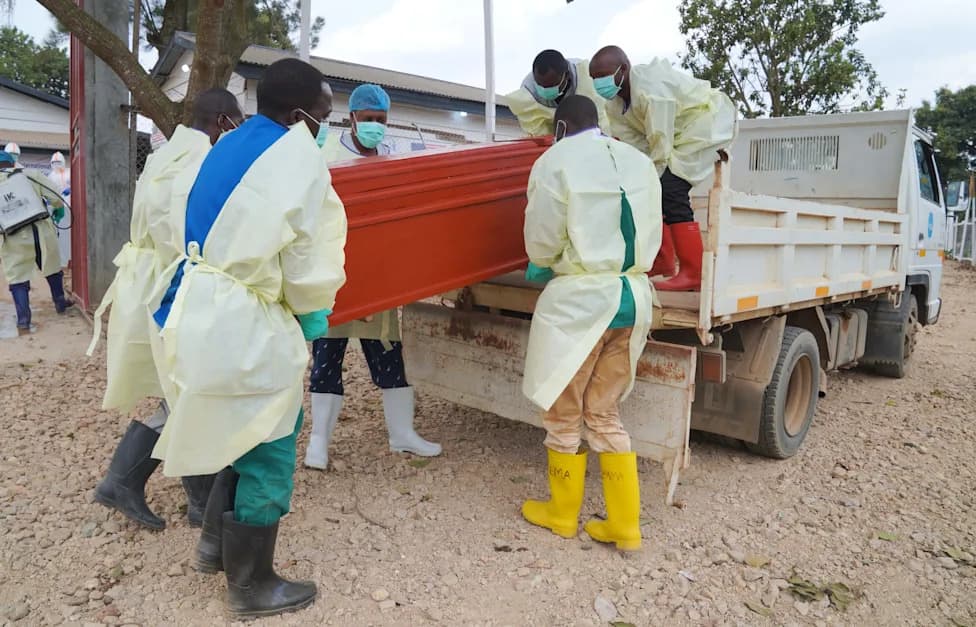
Researchers have enrolled more than 250 participants in EBO-PEP, a trial testing Gilead’s experimental antiviral obeldesivir as post-exposure prophylaxis against the Bundibugyo Ebola strain. The ALIMA-coordinated study aims to enroll nearly 1,000 asymptomatic contacts aged 12 and older and will monitor volunteers daily for 21 days, with a final check at day 42. With at least 8,300 confirmed cases and about 4,000 deaths since mid-May, investigators say a successful PEP pill could help break transmission chains while vaccine effectiveness against this strain is still uncertain.
Trial Tests Antiviral Pill to Prevent Congo’s Deadliest Ebola Outbreak
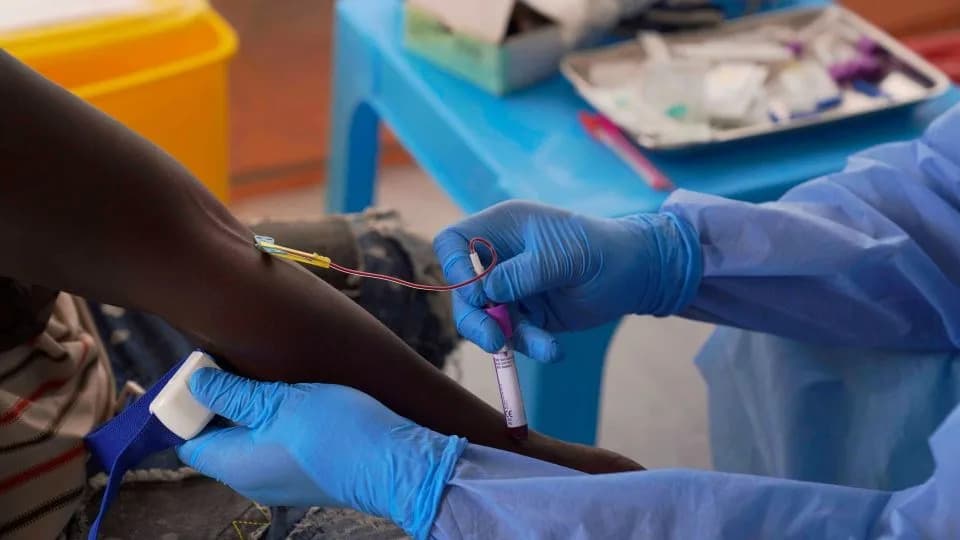
A doctor collects a sample for a clinical trial to attempt to stop the Bundibugyo virus, amid a deadly Ebola outbreak, in Rwampara Hospital in Ituri, Congo, in October. - Dieudonne Dirole/AP
More than 250 people have enrolled in a clinical trial in eastern Democratic Republic of Congo testing an experimental antiviral pill intended to prevent Ebola infection after suspected exposure. Researchers and participants say the study represents a key effort to curb the country’s deadliest outbreak, which continues to spread across several provinces.
The drug under study, referred to in the trial as obeldesivir, targets the Bundibugyo strain driving the fast-moving epidemic. There is currently no licensed vaccine or proven treatment known to fully prevent illness from this strain. The trial, launched in July and coordinated by the medical nonprofit ALIMA, is one of several research initiatives aimed at protecting people at high risk and slowing transmission.
Participants at the Ituri province treatment center — the outbreak epicenter — include health workers and relatives of confirmed patients who were still asymptomatic when enrolled. The study, called EBO-PEP, aims to recruit nearly 1,000 people aged 12 and older who had contact with a confirmed case within the previous five days; roughly half will receive a placebo.
According to Dr. Godefroid Basara, participants are seen in person every day for 21 days and receive a final follow-up call at day 42. ALIMA says any volunteer who develops symptoms will immediately receive supportive care, which is most effective when started early.
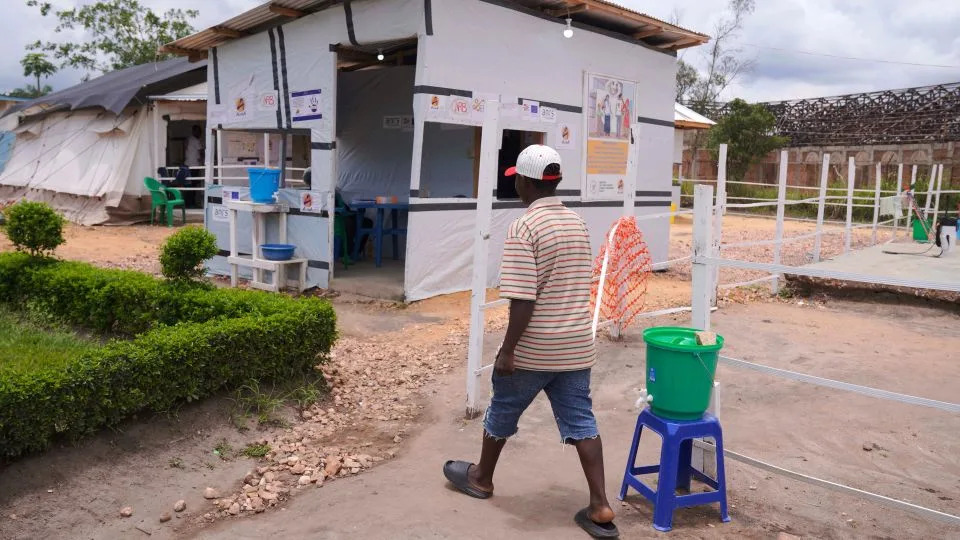
A participant arrives to take part in clinical trials amid a deadly Ebola outbreak in Congo. - Dieudonne Dirole/AP
"I realized that if I even touched my husband — and I did touch him, his vomit, everything — (it meant that) I was a direct contact. I could have also passed on this contagious disease. I could have been contaminated," a trial participant told reporters.
Health officials report at least 8,300 confirmed cases and about 4,000 deaths since the outbreak was declared in mid-May. The virus has spread to seven provinces and authorities say cases continue to outpace efforts to locate contacts and curb transmission. The World Health Organization warns the outbreak could surpass the scale of the 2014–2016 West Africa epidemic if the current trajectory continues.
ALIMA research coordinator Dr. Guilavogui Jean Paul Yassa explained how post-exposure prophylaxis (PEP) with an antiviral differs from vaccination or curative treatments: it is intended for people not yet showing symptoms and can act faster than vaccines, which may take days or weeks to produce protection.
Other trial partners include Congo’s National Institute of Biomedical Research and France’s ANRS Emerging Infectious Diseases institute. Separately, Congo has started vaccinating health workers with the Ervebo vaccine, which protected against earlier outbreaks caused by a different Ebola strain; its effectiveness against Bundibugyo remains under study.
Investigators say challenges include recruiting people who live far from trial centers and keeping participants engaged when they are grieving relatives lost to the disease. Humanitarian agencies have also been affected: Doctors Without Borders reported a staff member recently tested positive and was evacuated to the Netherlands, and an ALIMA physician tested positive in June after returning to France from a hot spot.
If obeldesivir proves effective as PEP, researchers say it could become an important tool to break chains of transmission and offer near-term protection for people exposed to the Bundibugyo virus.
Help us improve.