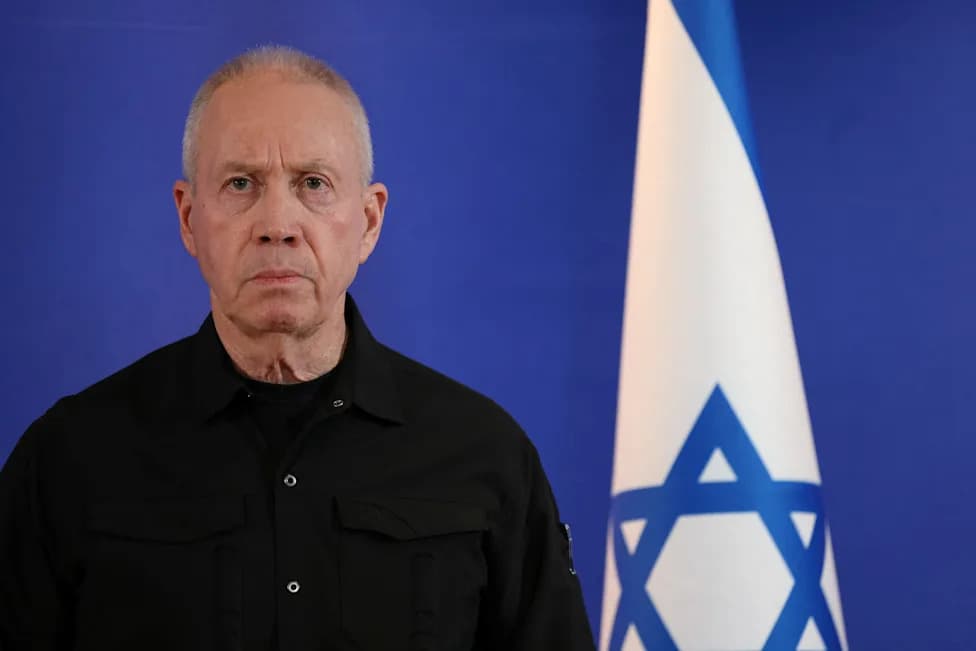
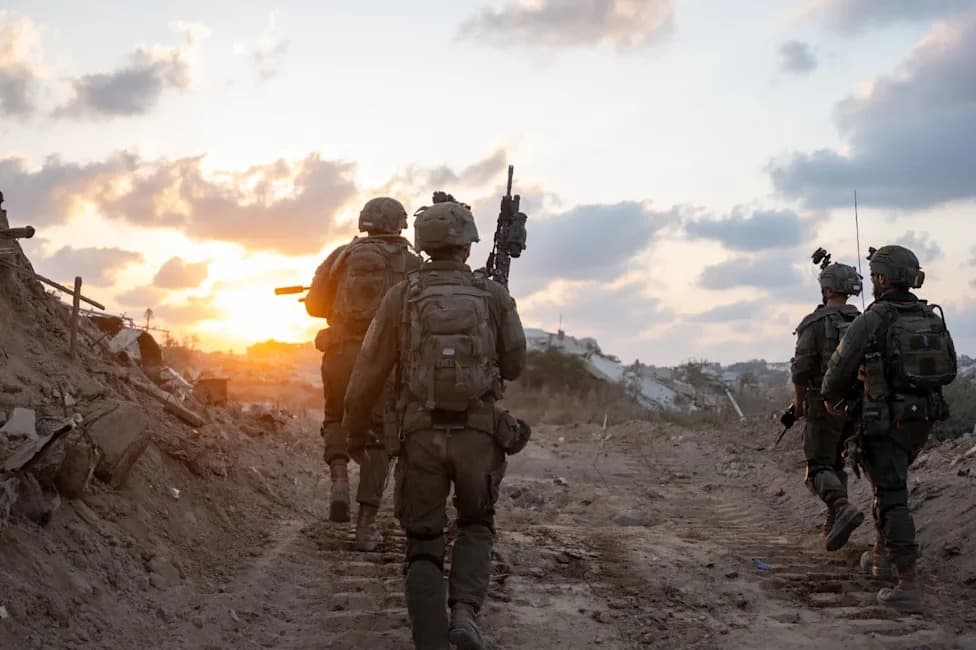
Israel has intensified targeted strikes on Hamas commanders ahead of the third anniversary of the Oct. 7 attacks, with the government claiming more than 100 militants killed in recent weeks and the IDF saying roughly 500 members of armed groups were eliminated since last October's US-brokered ceasefire. Gaza health authorities report at least 1,400 Palestinian deaths during the same period. Analysts say assassinations can disrupt Hamas planning but are unlikely to cause the group's collapse, and the campaign is taking place amid heated debate ahead of Israel's Oct. 27 election.
Israel Steps Up Targeted Strikes On Hamas Commanders Ahead Of Oct. 7 Anniversary
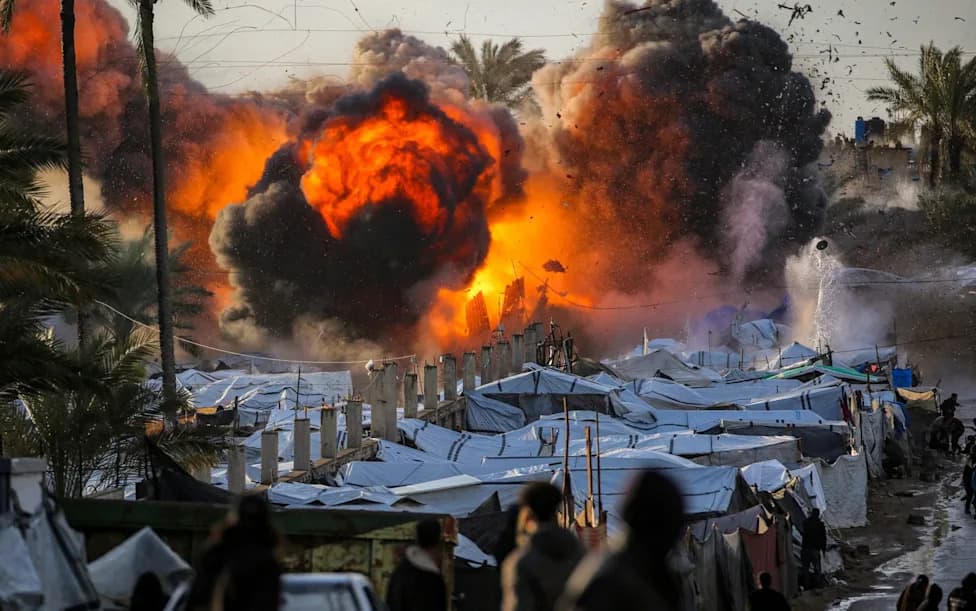
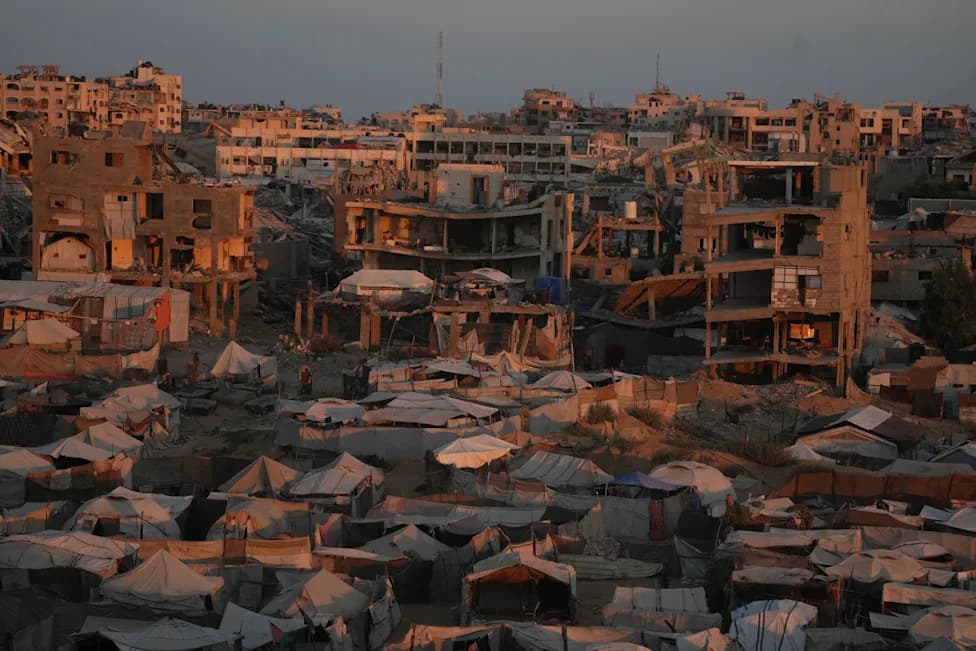
Violence has persisted in Gaza despite a ceasefire - Eyad Baba/AFP
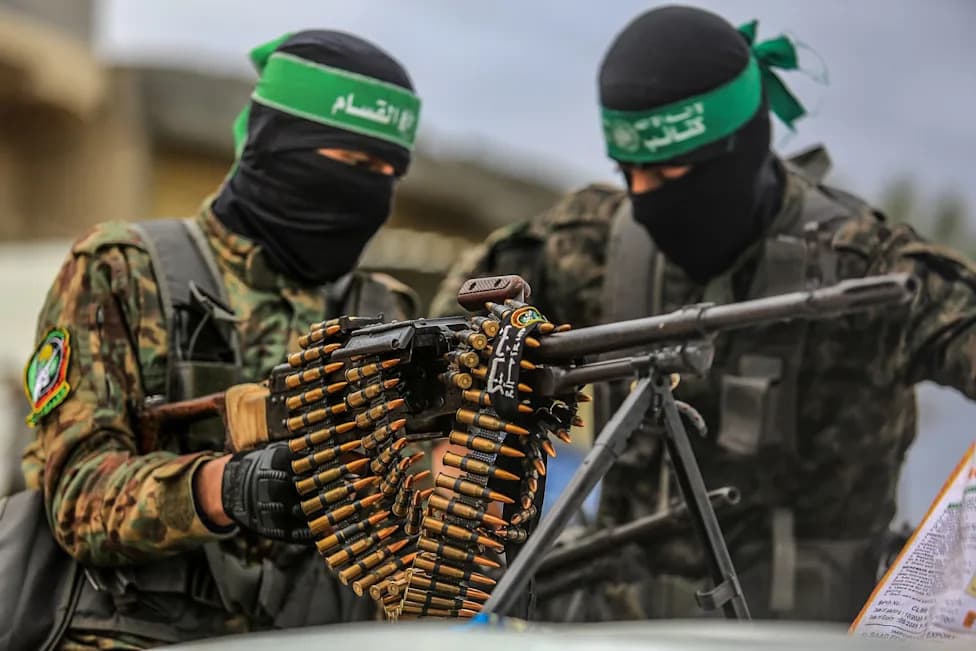
Israel's military has intensified a campaign of targeted strikes aimed at Hamas commanders as the third anniversary of the Oct. 7 attacks approaches. The government says the operations are intended to prevent Hamas from regrouping ahead of a sensitive election period.
Recent strikes and claims: Prime Minister Benjamin Netanyahu has said that more than 100 militants were killed in recent weeks. The Israel Defense Forces (IDF) told The Telegraph it has eliminated roughly 500 members of armed groups since the US-brokered ceasefire took effect last October, most of them from Hamas. Gaza's Hamas-run health ministry reports at least 1,400 Palestinian deaths in Gaza during the same period.
Notable figures the IDF says were killed include Izz al-Din Al-Beik, described as the head of Hamas's armed wing in northern Gaza and implicated in planning and recruitment for the Oct. 7 attacks; Saher Nidal Latfi Sakr, accused of abducting Israeli civilians from the Nova music festival; and Adi Adli Abd Al-Aaser, identified as a Hamas sniper involved in operations against Israeli forces and efforts to rebuild capabilities in violation of the ceasefire.

Giora Eiland, the former head of the Israeli National Security Council - Julian Simmonds
What officials and analysts say
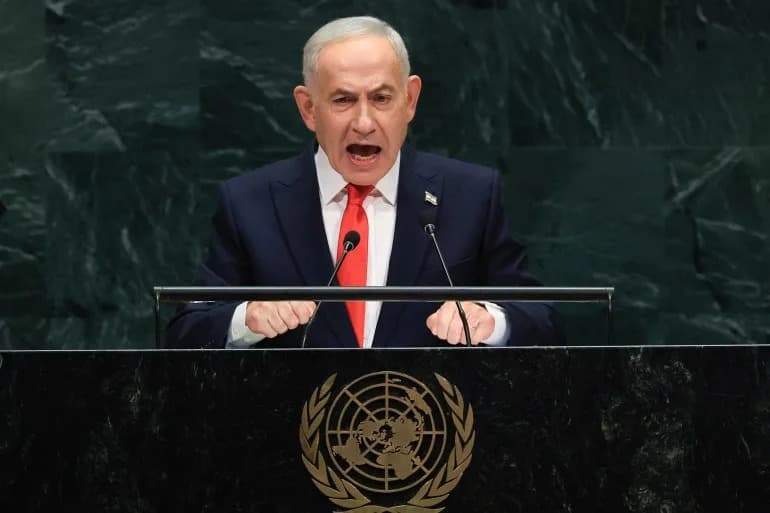
Mr. Netanyahu, speaking at a military base shortly before parliamentary elections, defended the campaign as necessary to disrupt future attacks. Opposition leader Yair Lapid accused him of fear‑mongering and said security threats should not be used as election theater.
"Assassinations can be very effective," said Giora Eiland, a former head of Israel's National Security Council, arguing strikes force militants to prioritize their personal security over planning operations. Critics and other analysts warn that slain commanders are often replaced, sometimes by more extreme figures.
Dr. Michael Milshtein, director of the Forum for Palestinian Studies at Tel Aviv University, said targeted killings can degrade leadership quality but are unlikely to produce a total collapse of Hamas. He noted that many of the recently killed commanders rose quickly after Israel had already removed a large share of the group's leadership during the war.
Tunnels, rearmament and wider risks
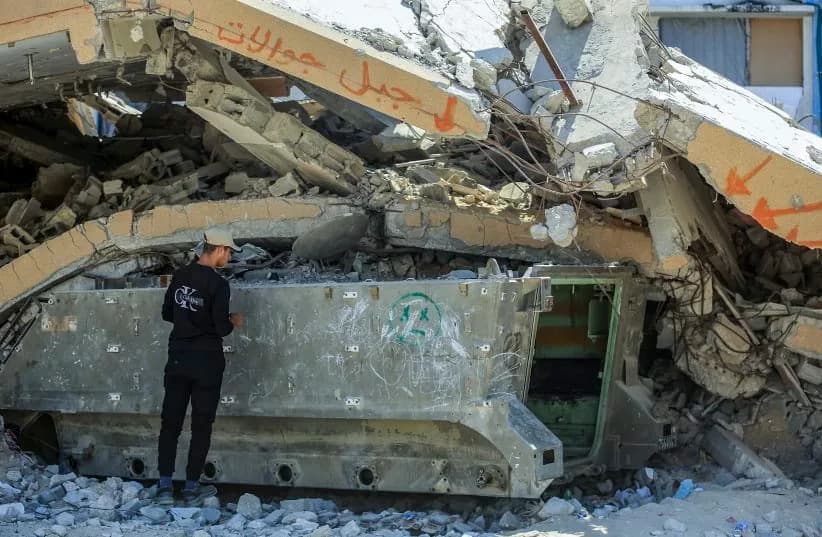
Alongside assassinations, the IDF says it has spent the past year destroying tunnels on the territory it controls inside Gaza and estimates at least 80% of those tunnels on the Israeli-controlled side of the Yellow Line have been neutralized. The military acknowledges it cannot reliably assess tunnels under Hamas-controlled areas.
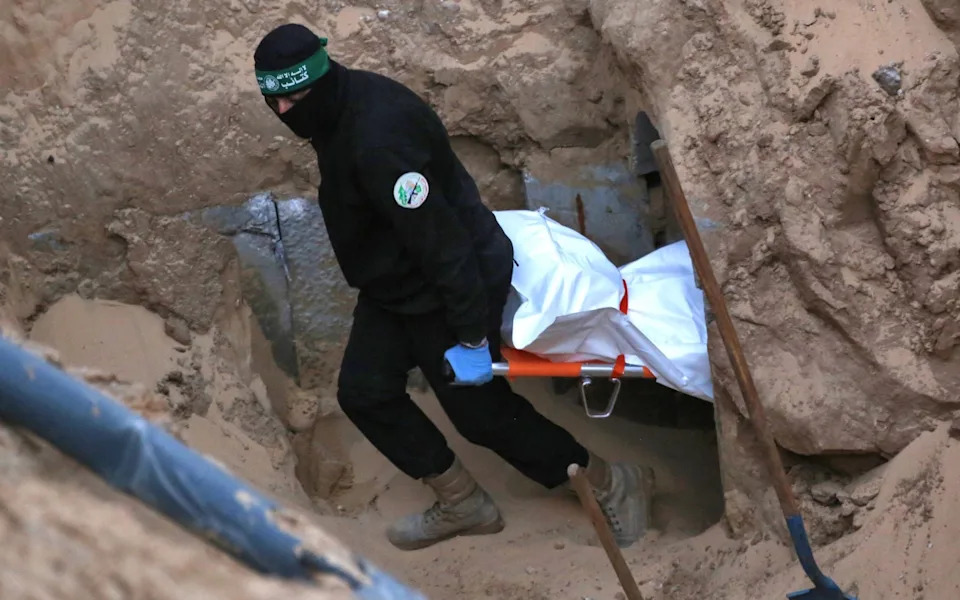
A Hamas militant carries a body retrieved from a tunnel in the southern Gaza Strip - Bashar Taleb/AFP
Analysts say Hamas is seeking to buy time to rearm by improvising weapons from unexploded munitions, smuggling parts and components by drones, and attempting to assemble drones from off-the-shelf parts. Officials warn that such capabilities are inexpensive to develop and could emerge more widely.
Defence Minister Israel Katz has said Hamas leaders abroad "are also in the crosshairs," adding that those responsible for the Oct. 7 massacre should not be allowed to "die peacefully." Critics caution that operations beyond Gaza — particularly in countries that host Hamas leaders — carry significant diplomatic and strategic risks.
This campaign is unfolding amid intense domestic political debate ahead of Israel's Oct. 27 parliamentary election, with officials and analysts split over whether the strikes are primarily tactical security measures or politically driven. Observers warn that any escalation beyond Gaza could have broad regional consequences.
Originally reported by The Telegraph.
Help us improve.