NAZA, directed by Yuval Abraham and Rachel Szor, compiles testimonies from 24 anonymized Israeli soldiers and intelligence officers alleging systematic civilian targeting in Gaza after Oct. 7. The film details a reported internal benchmark of up to 20 civilian deaths per Hamas fighter (with at least one cited 500-to-1 approval), the use of an AI targeting system called "Lavender" at roughly 85% accuracy, and pervasive surveillance used to identify and strike buildings. Produced with reporting from The Guardian and others, the documentary has been denounced by the IDF as "blood libels," but its eyewitness accounts from insiders could sway public opinion and policy debate.
Netanyahu Tried To Silence 'NAZA' — A Documentary Alleges Systematic Civilian Targeting in Gaza
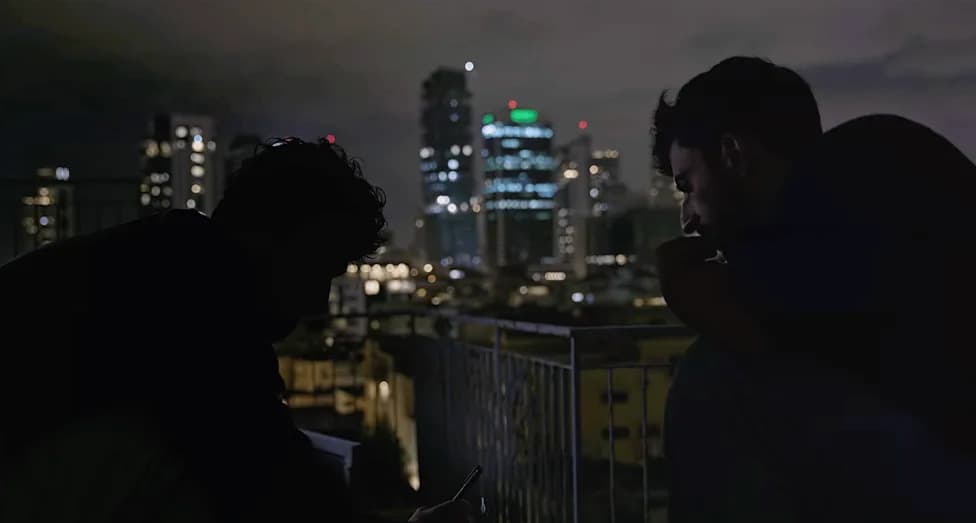
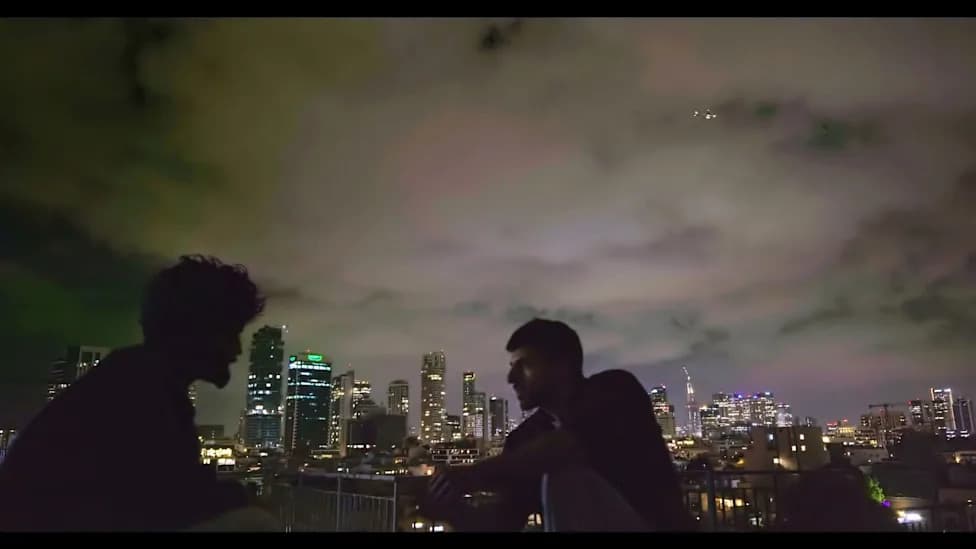
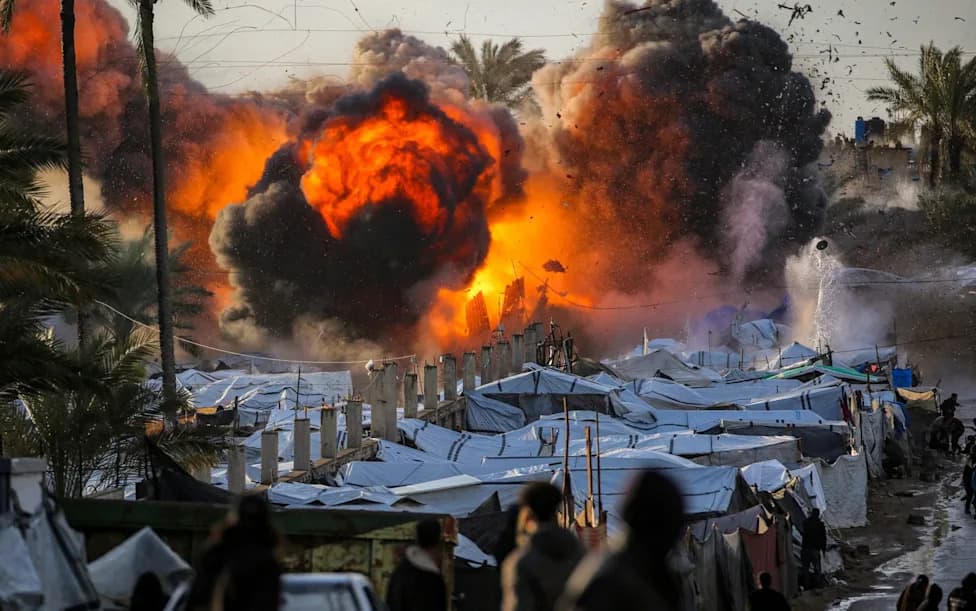
Still from the film "NAZA."
When Israeli Prime Minister Benjamin Netanyahu called for laws to strip citizenship from two filmmakers behind a new Gaza documentary, it sounded like political theater. After watching NAZA, however, the reaction becomes easier to understand: the film presents eyewitness testimony from members of Israel’s security establishment that is both vivid and deeply troubling.
What the Film Shows
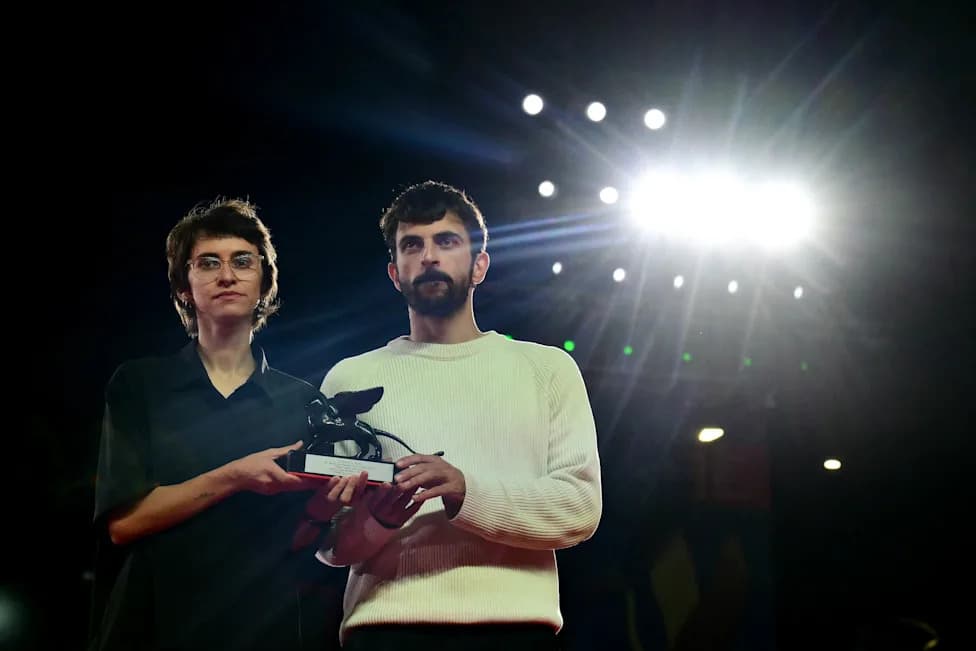
Directed by Yuval Abraham and Rachel Szor and set to open in U.S. theaters soon, NAZA compiles interviews with 24 Israeli intelligence officers and soldiers whose voices and faces are digitally altered to protect their identities. Across these accounts, interviewees describe practices that, if accurate, would represent serious breaches of international law — from apparent direct targeting of civilians to a routine failure to distinguish combatants from noncombatants.
Key Allegations From Insiders
Several interviewees describe civilians — including starving people seeking food — being shot while trying to reach distribution points. One witness says residents learned the boundaries of “no-go” areas not through signage but by being shot at, a process he calls learning "through blood." Others report internal discussions of an informal benchmark: up to 20 civilian deaths per Hamas member killed, with at least one instance of approval for a reported 500-to-1 civilian-to-combatant ratio for a particular strike. Some participants use stark language such as "massacre," "war crimes," and even "genocide" to describe what they took part in.
Technology, Targeting and Surveillance
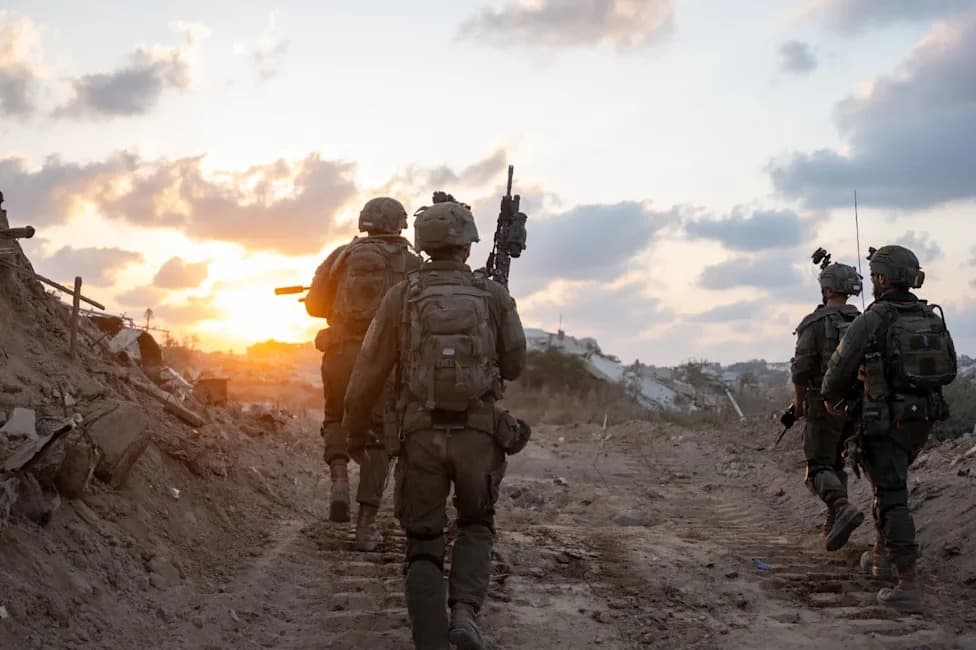
The documentary also details technological systems the interviewees say made mass strikes easier. An AI targeting system referred to as "Lavender" is described by one source as about 85% accurate at identifying Hamas contacts — a rate his commanders reportedly accepted. Interviewees say the emphasis was often on quantity rather than precision, including striking at night when suspects were likely at home with family because it was "easier." Computerized tools are alleged to have flagged buildings as candidates for demolition if they were assessed to be roughly 25% occupied.
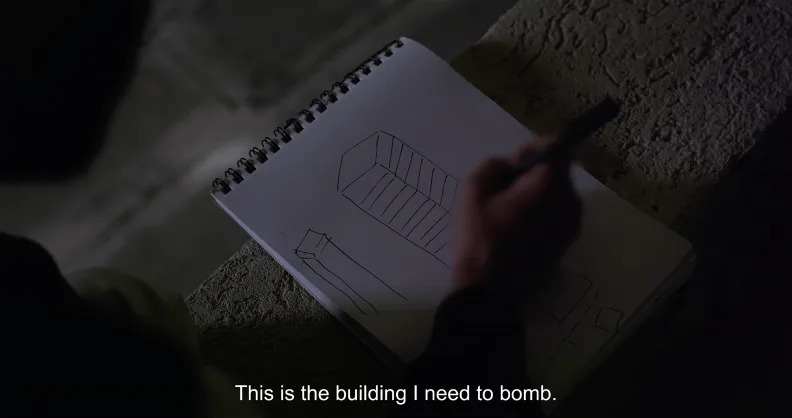
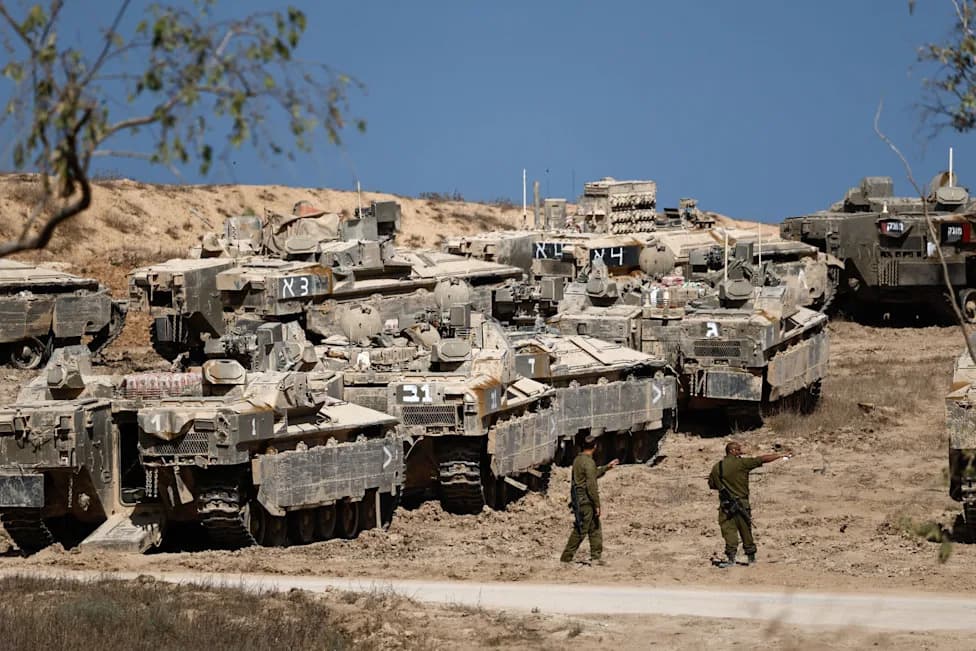
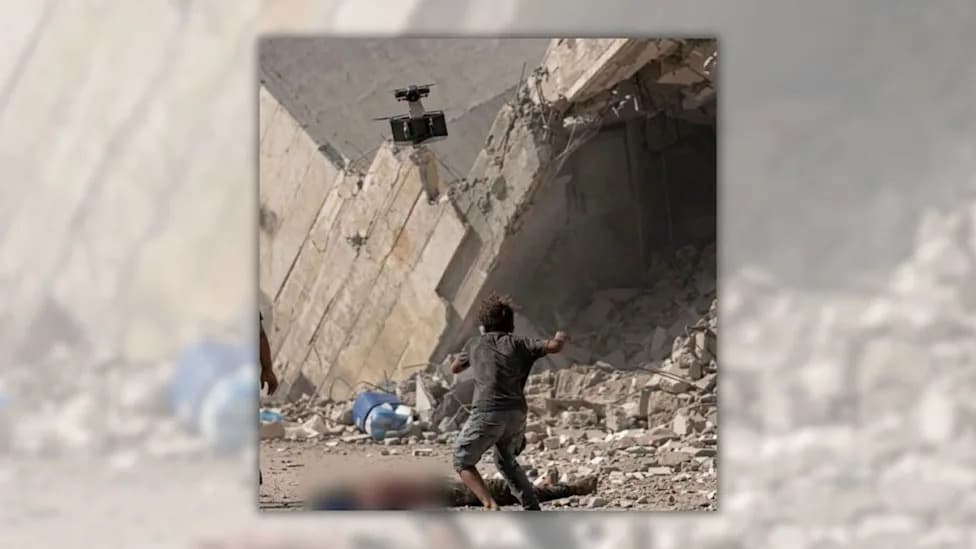
Still from the film "NAZA."The Guardian via YouTube
Sources describe expansive surveillance programs used to monitor Gaza: listening to calls, reading text messages, examining photos on phones and assigning serial numbers to buildings. Several interviewees say such information was used not to protect civilians but to plan strikes, sometimes following the last intimate moments of family life captured on monitored communications.
Sources, Production And Pushback
Produced with reporting by The Guardian and citing outlets such as +972 Magazine and Local Call, the filmmakers say they relied on more than 100 sources, including senior officers involved in authorizing strikes. The Israeli military has strongly rejected the film’s claims. Chief of the General Staff Eyal Zamir called the documentary "based on blood libels, deliberate distortions of reality, and grave, false accusations against IDF soldiers and commanders" and vowed to use "every tool at our disposal" in response.
Why This Matters
What gives NAZA potential persuasive power is who the speakers are: insiders from elite units and the security apparatus who, in some cases, defend aspects of their conduct even as they criticize it. Social-science research suggests such "surprising validators" — members of an in-group offering unexpected criticism — can sway audiences who previously accepted an institution's narrative.
Even amid declared ceasefires, Gaza continues to suffer heavy bombardment and civilian casualties. Whether or not viewers accept all of the film's allegations, NAZA amplifies firsthand accounts that demand scrutiny from journalists, legal experts and policy makers — and it could renew pressure on governments that fund or arm Israel to re-evaluate their policies.
Conclusion
NAZA is not an academic study but a documentary built around personal testimony. Its impact will depend on how viewers, the media and official bodies assess the film’s sourcing and the veracity of its claims. The vigorous denials from the IDF, and the legal and political battles now unfolding, suggest the film will be at the center of an intense public debate over accountability, military conduct and what it means to protect civilians during war.
Help us improve.