Millions of Brazilians are voting in a sharply polarized presidential contest between incumbent Luiz Inácio Lula da Silva and right-wing Senator Flávio Bolsonaro. Key campaign drivers include public security, renewed trade tensions with the United States, and major corruption probes centered on the collapse of Banco Master and banker Daniel Vorcaro. If no candidate wins an outright majority, the top two will face a runoff on Oct. 25. The results will influence Brazil's domestic agenda and its geopolitical orientation in Latin America.
Trump, Trade Tensions, Crime and Corruption Shadow Brazil’s Presidential Vote
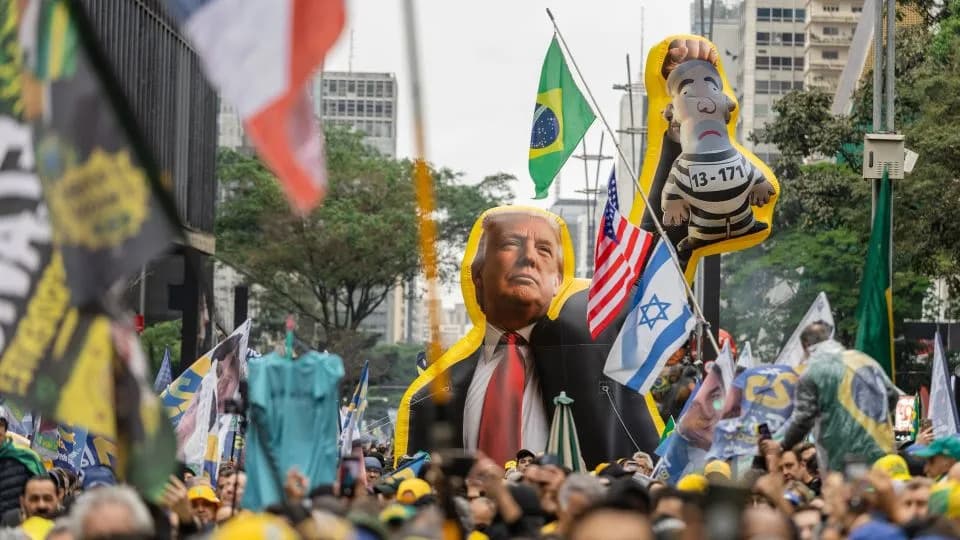
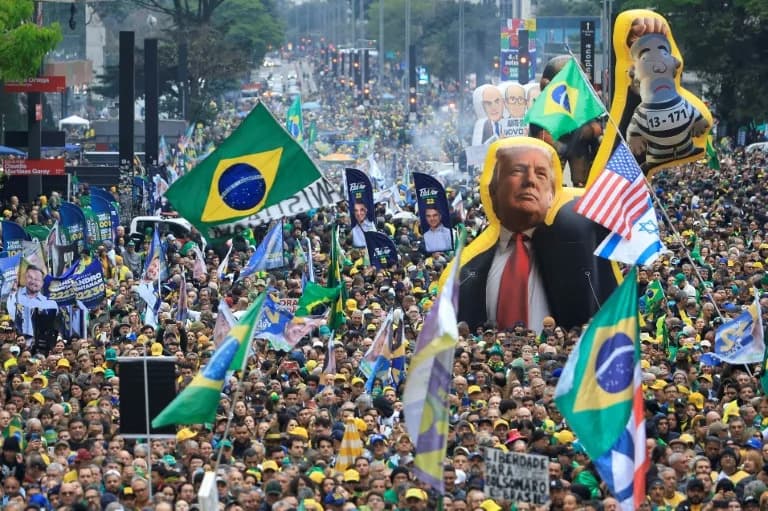
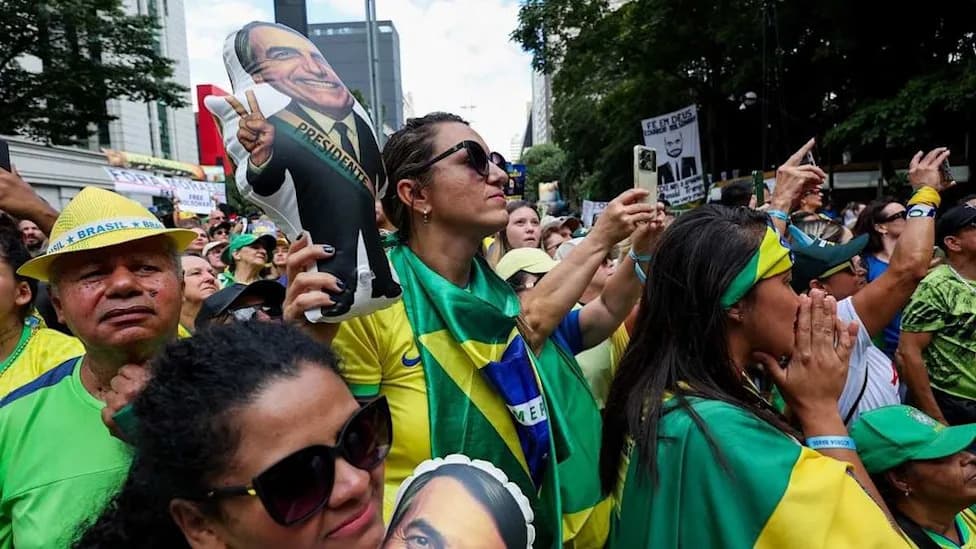
An inflatable in the likeness of US President Donald Trump during an Independence Day campaign rally supporting Flavio Bolsonaro, Brazilian presidential candidate, not pictured, in Sao Paulo, Brazil, on Monday, Sept. 7. - Maira Erlich/Bloomberg/Getty Images
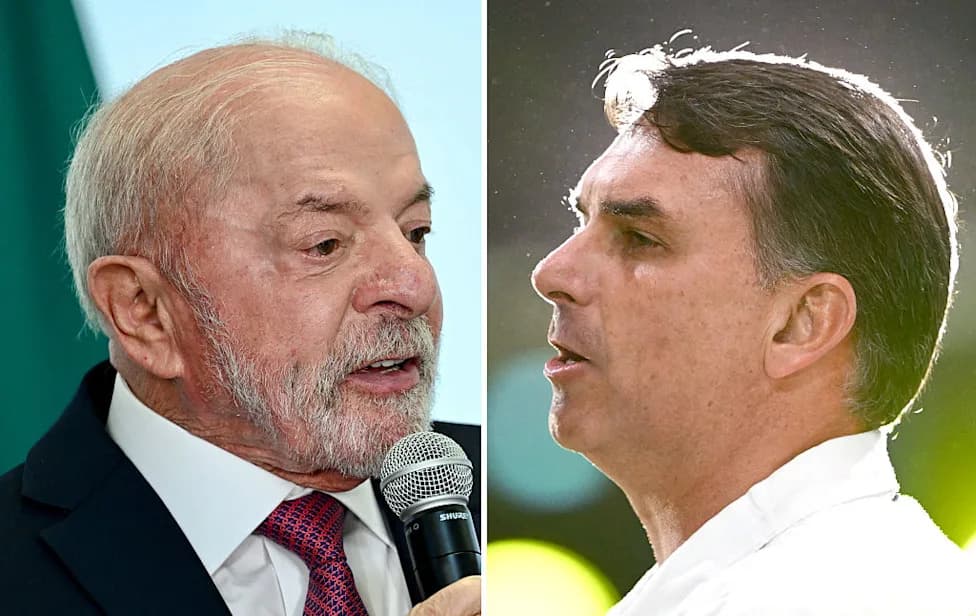
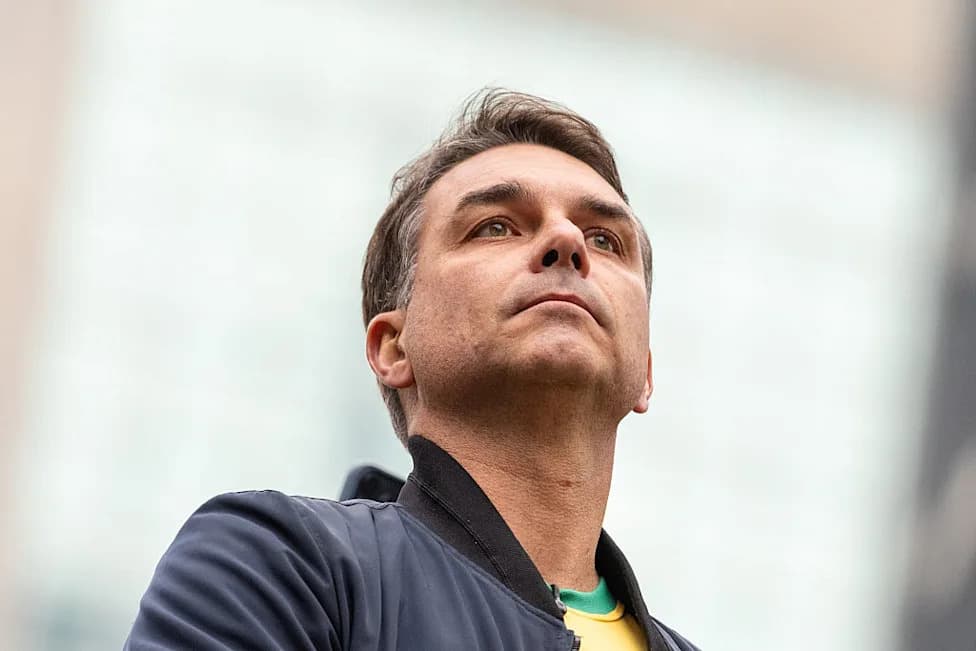
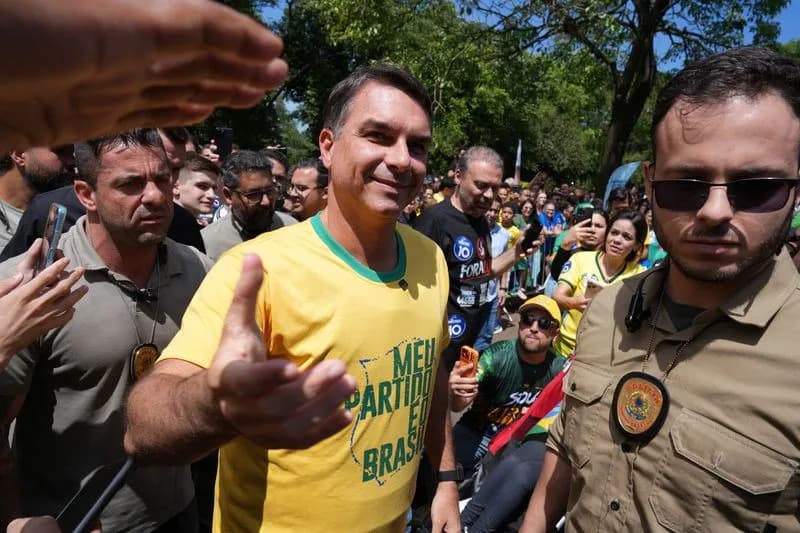
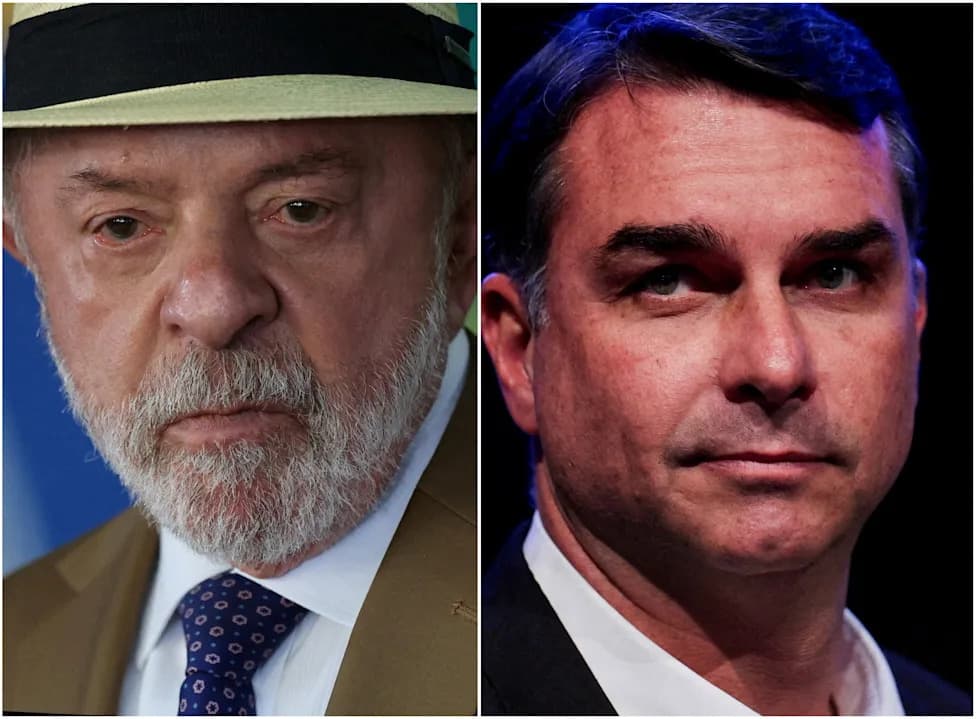
Millions of Brazilians are casting ballots in a pivotal general election that pits leftist incumbent Luiz Inácio Lula da Silva against right-wing Senator Flávio Bolsonaro, son of jailed former president Jair Bolsonaro. The race unfolds amid high voter fatigue, persistent crime concerns, mounting corruption scandals and renewed trade tensions with the United States.
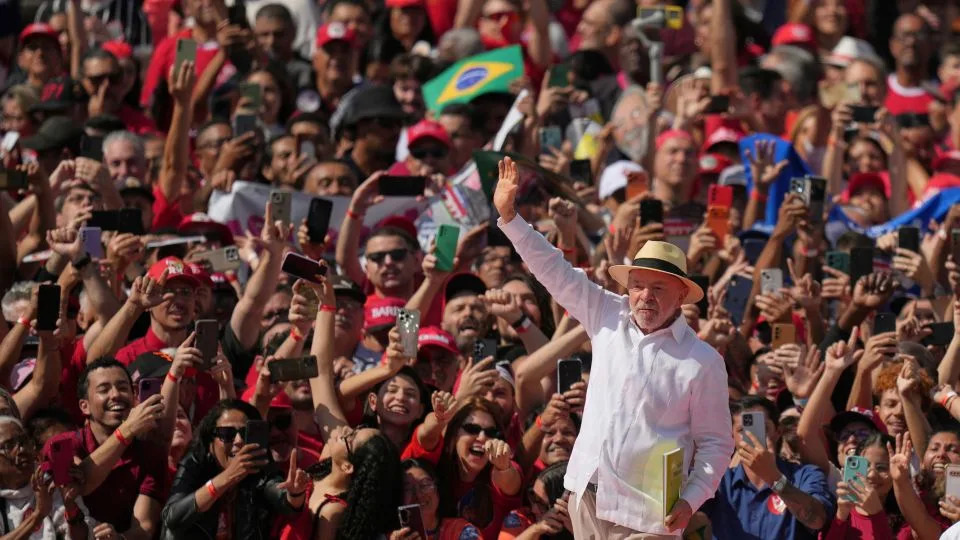
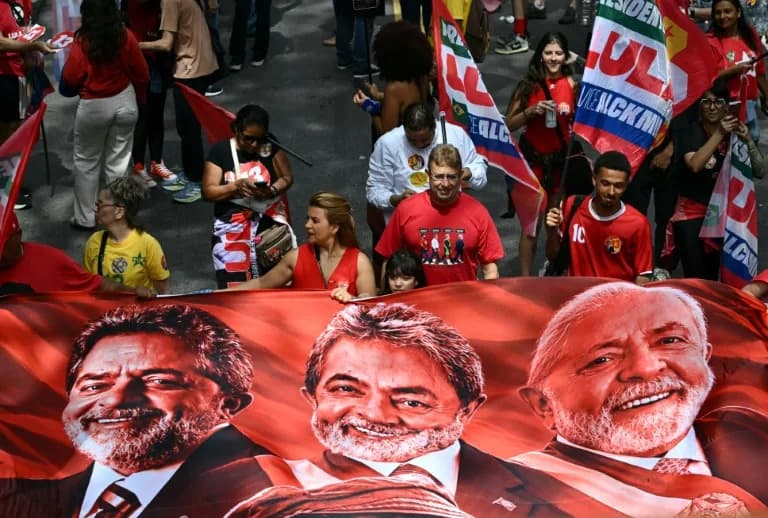
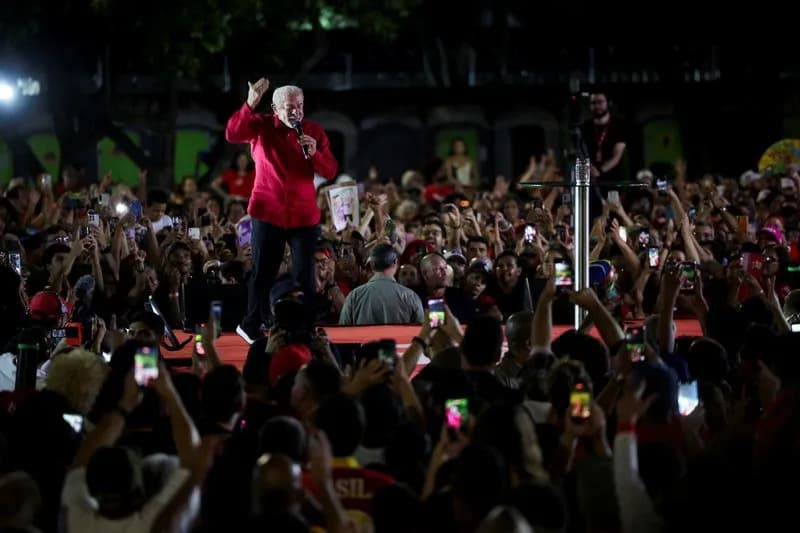
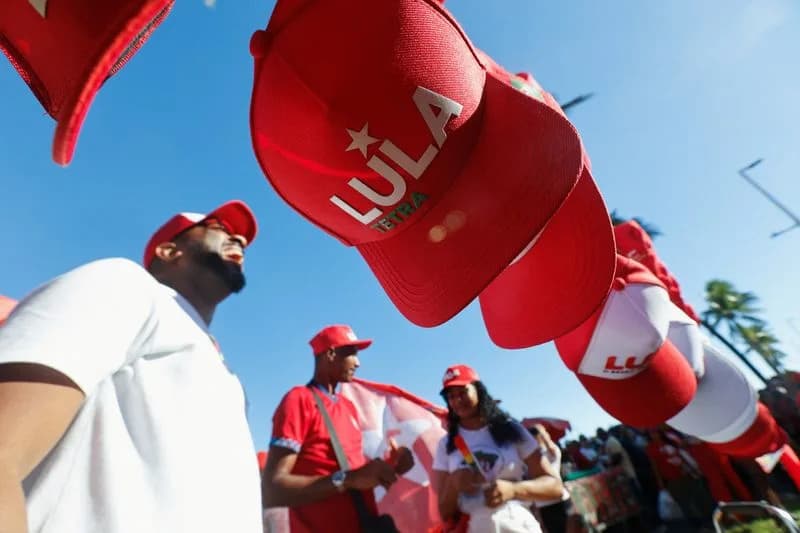
Brazilian President Luiz Inacio Lula da Silva waves to supporters during a presidential election campaign rally in São Bernardo do Campo, São Paulo, Brazil, on Aug. 16. - Andre Penner/AP
The Candidates
Lula, 80, is seeking a fourth — and likely final — term. He previously governed from 2003 to 2010 and returned to the presidency in 2023 after a comeback that included 580 days in prison on corruption convictions later annulled by Brazil’s Supreme Court in 2021. Flávio Bolsonaro has emerged as Lula’s principal rival, seeking to carry forward his family's political movement while carving out his own profile. Four other candidates trail the frontrunners in polls: Augusto Cury, Ronaldo Caiado, Renan Santos and Romeu Zema.

Brazilian Sen. Flavio Bolsonaro, right, handles an oversized pair of scissors, accompanied by Argentina's President Javier Milei during the Liberal Party convention where Bolsonaro was confirmed as the party's presidential candidate, in São Paulo, Saturday, July 25. - Ettore Chiereguini/AP
How the Vote Works
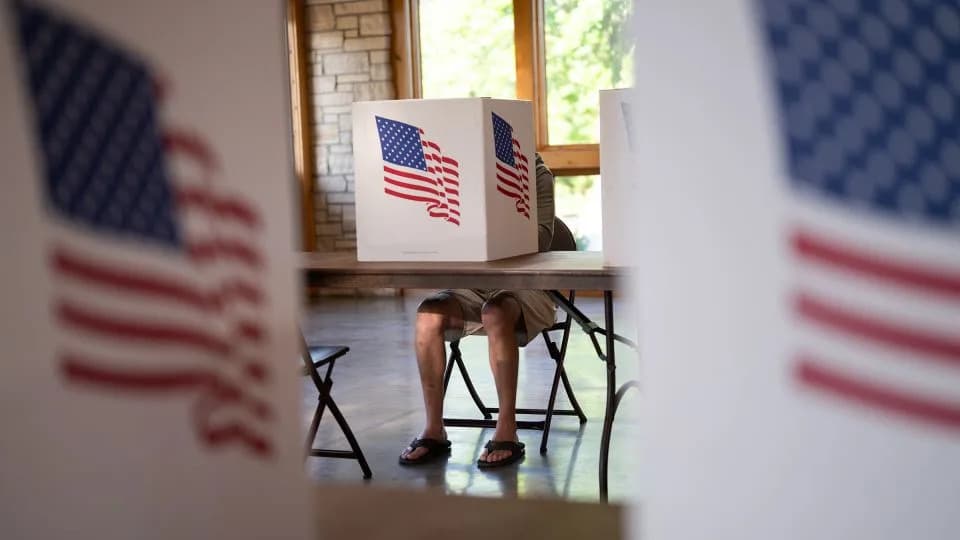
Voting is compulsory for most adults in the world's fifth-largest country, so turnout is typically high. If no candidate wins more than half of valid votes, the top two advance to a runoff scheduled for Oct. 25.
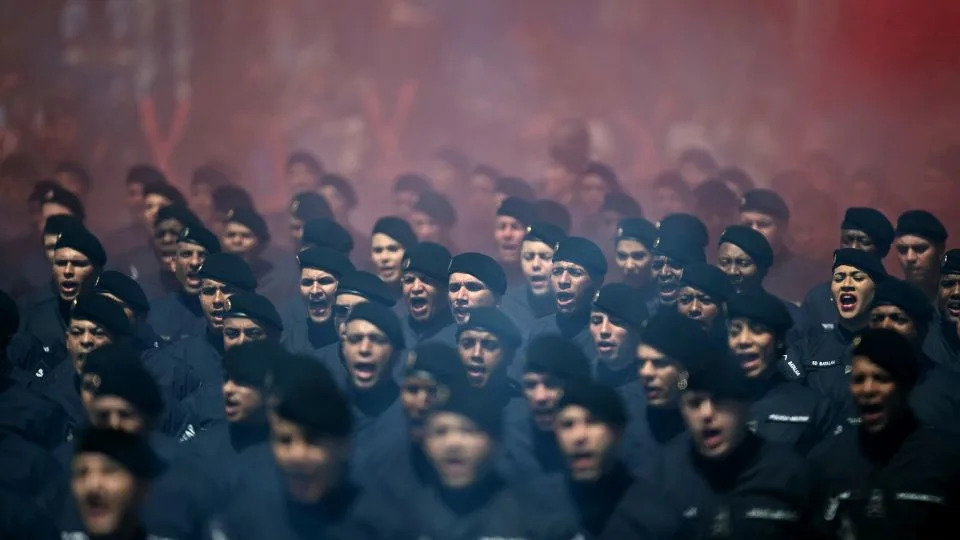
Military police officers march during a graduation ceremony at the Center of Improvement and Training of Soldiers (CFAP) at Sulacap neighbourhood in Rio de Janeiro, Brazil, on September 25. - Mauro Pimentel/AFP/Getty Images
Foreign Policy and Trade
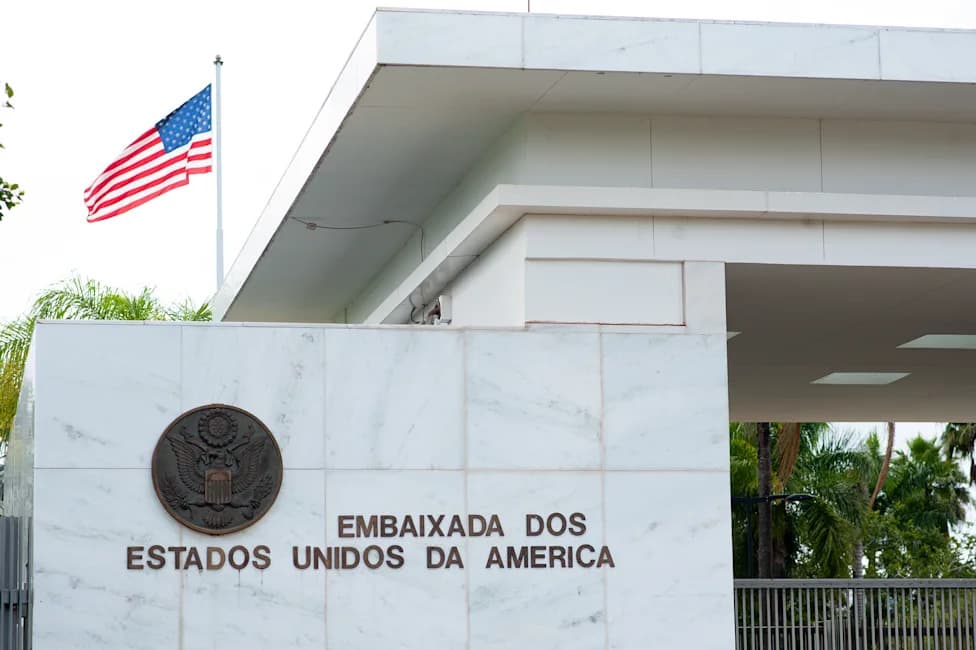
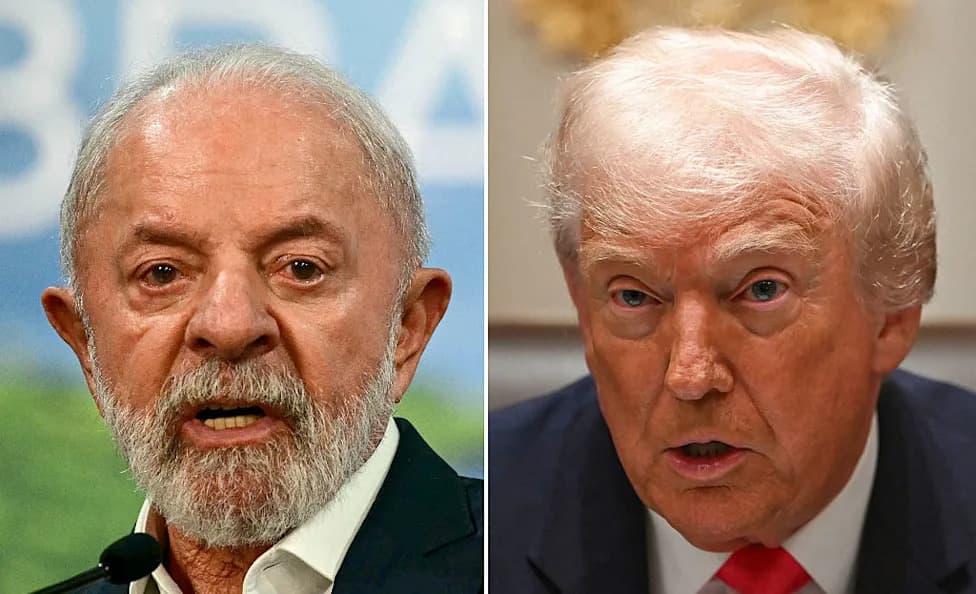
The election is also a referendum on Brazil’s geopolitical orientation. Lula has pursued a multipolar foreign policy and distanced Brazil from the United States on several fronts, while Flávio has cultivated ties with U.S. and other conservative leaders. Trade tensions have become a campaign issue: the U.S. imposed tariffs on many Brazilian goods in the summer of 2025, which were rolled back in November, and fresh tariffs were reimposed more recently. That dispute has given Lula a platform to emphasize national sovereignty and has resonated with some swing voters.
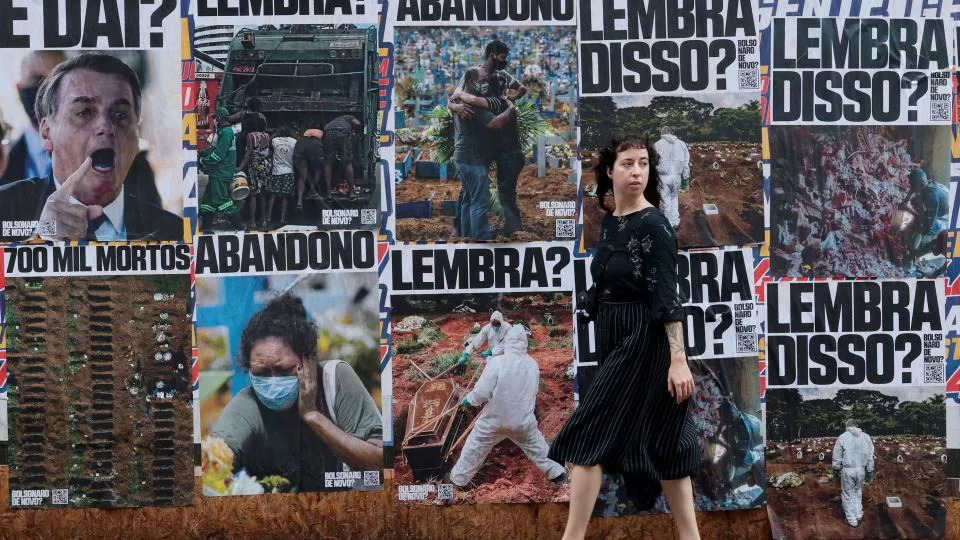
A pedestrian passes posters referring to former Brazilian President Jair Bolsonaro and the Covid-19 pandemic, in the days before the presidential election, with his son, Flavio Bolsonaro, as the Liberal Party (PL) candidate, in São Paulo, Brazil, October 1. - Brian Snyder/Reuters
Crime and Security
Public safety remains one of the electorate's top concerns. Much like his father, Flávio prioritizes tough-on-crime measures — including designating major criminal factions as terrorist organizations, building more federal prisons and lowering the age of criminal responsibility to 16. During a May trip to Washington, Flávio urged U.S. officials to label Brazil’s largest criminal groups as terrorists; the U.S. announced such a designation would take effect that June. Lula’s government warned that a terrorism framework risks foreign intervention and opposed the move.
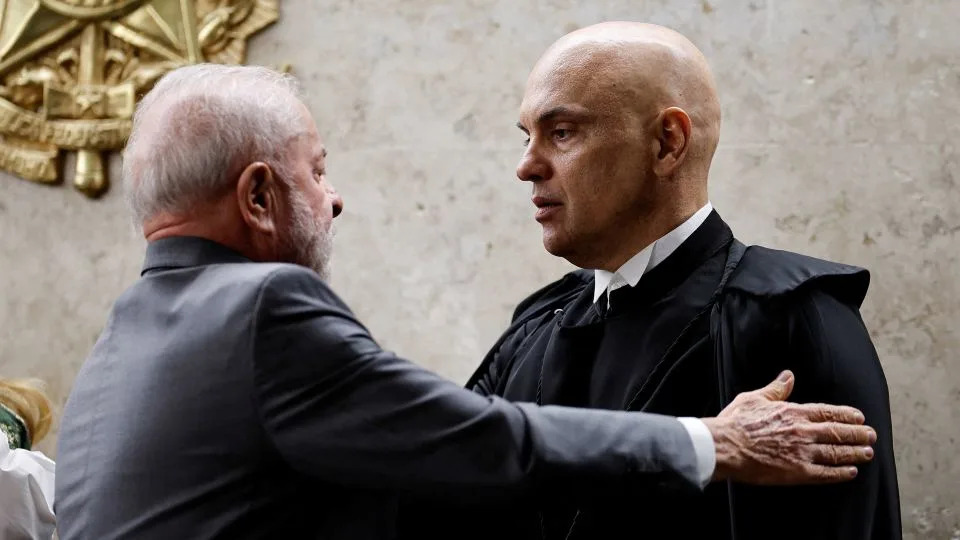
Brazil's President Luiz Inacio Lula da Silva greets Brazil's Supreme Court Judge Alexandre de Moraes during the inauguration ceremony of Edson Fachin as the new President of Brazil's Supreme Court, in Brasilia, Brazil, on September 29, 2025. - Mateus Bonomi/Reuters
Economy and Public Sentiment
Headline indicators show low unemployment and moderating inflation, yet many Brazilians say they feel their household budgets are under pressure. Analysts note that while Lula is associated with past gains in social mobility and poverty reduction, many voters feel progress has been uneven this term — a trend that depresses enthusiasm and makes the economy a vulnerability for the incumbent.
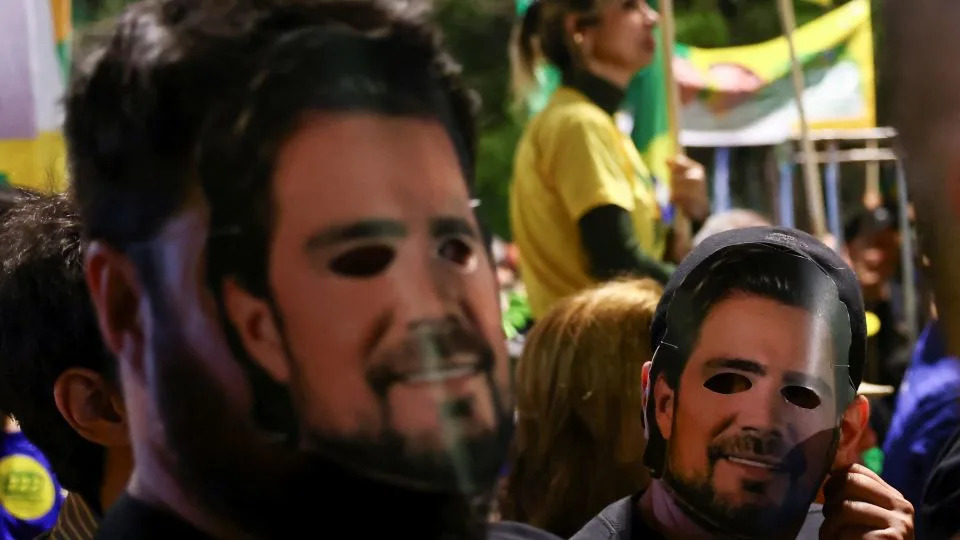
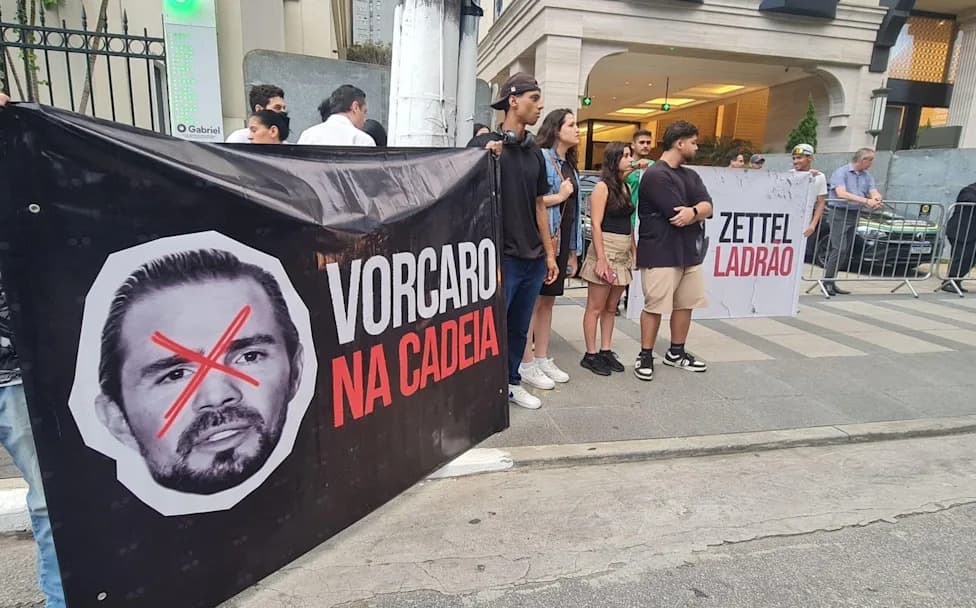
People wearing masks of imprisoned banker Daniel Vorcaro attend a campaign rally by Brazilian presidential candidate Flavio Bolsonaro of the Liberal Party (PL) in Porto Alegre, Brazil, on September 2. - Diego Vara/Reuters
Corruption Scandals: Banco Master and Daniel Vorcaro
Ongoing probes related to the collapse of Banco Master and its former CEO, Daniel Vorcaro, have roiled Brasília and touched figures across the political and judicial spectrum. Supreme Court Justice Alexandre de Moraes has been drawn into scrutiny after revelations about his wife's law firm holding a lucrative contract with the bank; Moraes has denied wrongdoing and a decision on a formal probe was postponed. The scandal also reached Flávio’s campaign: he is under investigation over alleged corruption and money-laundering tied to financing provided by Vorcaro for the film "Dark Horse" about Jair Bolsonaro; Flávio denies any illicit conduct.
Polarization, Fatigue and What’s At Stake
Observers describe the current dynamic as an "apathetic polarization": voters remain divided but are less mobilized than in previous cycles. Corruption fatigue, concerns about public security, economic unease and a broader regional shift to the right make this contest consequential — not only for Brazil’s domestic policies but for how Latin America aligns geopolitically in the years ahead. Concurrent congressional elections will determine the legislative environment the next president must govern within, amplifying the stakes of this vote.
"It's two competing visions of what the country should look like and what Latin America should look like," said Brian Winter, editor-in-chief of Americas Quarterly.
As Brazilians vote, the outcome will shape the country's course on public security, trade policy, and efforts to restore public trust in democratic institutions.
Help us improve.