As AI roles multiply and command large pay premiums, women remain underrepresented in those jobs and are concentrated in positions more vulnerable to automation. LinkedIn data shows women comprised about 25% of new AI hires last year and only 13% of AI executives; men earn a median $45,000 more across AI occupations. Fast-paced technical change, weaker mentorship, and the rollback of many DEI programs increase the risk that a participation gap becomes a durable power gap.
AI Boom Is Leaving Women Behind: Hiring, Pay and Power Gaps in Tech
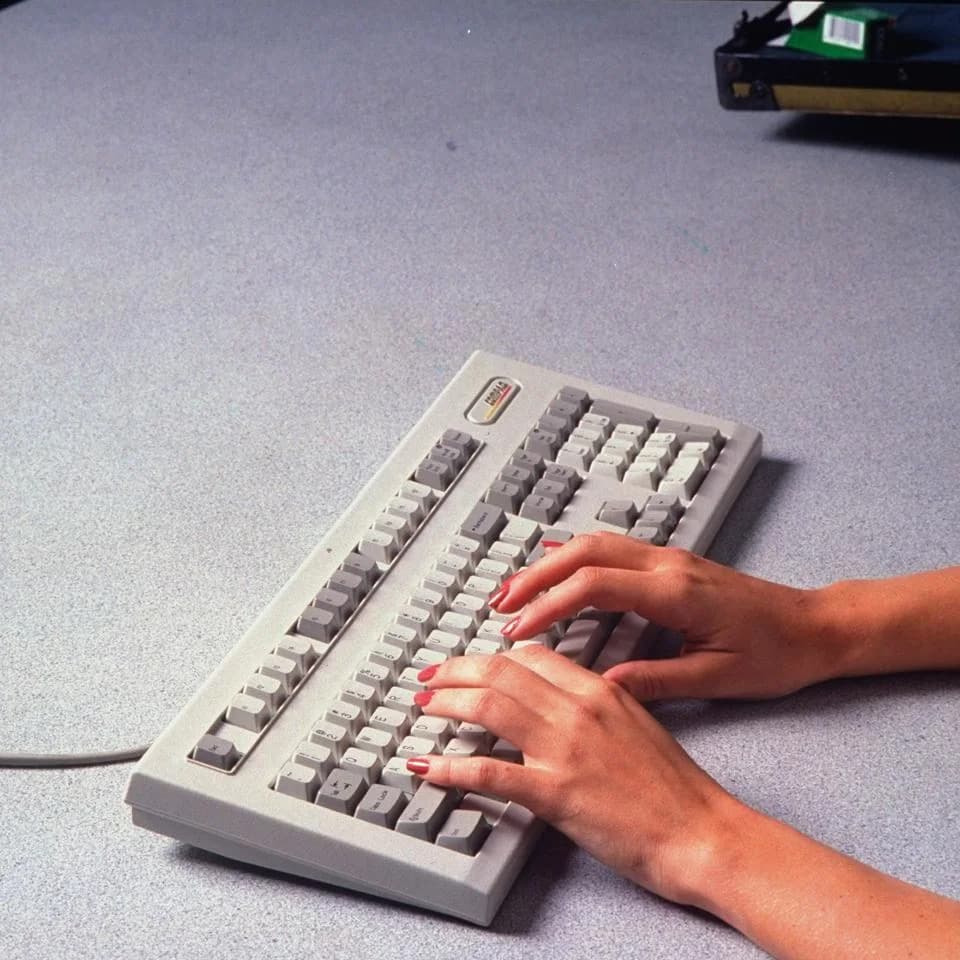
'AI is creating some of the fastest growing, highest paying … jobs in the global economy. Women are just strikingly underrepresented.'Composite: The Guardian/Getty Images
The rapid expansion of artificial intelligence roles is reshaping the tech job market — and many women are at risk of being left behind. New hires, executive appointments and pay in AI-heavy roles skew heavily male, while women are disproportionately concentrated in positions more exposed to automation.
Key data point: LinkedIn analysis shows women made up roughly a quarter of new AI hires in the past year and only about 13% of AI executives. AI job postings have doubled since 2023, and AI roles pay, on average, more than twice the wages of non-AI roles. Across AI occupations, men earn a median $45,000 more than women, driven in part by the types of roles each gender holds.
Why Women Are Falling Behind
Experts and women working in AI point to several overlapping causes. Hiring at breakneck pace favors existing networks and referrals, channels that historically underexpose women to high-growth positions. At the same time, the tech sector has scaled back many diversity, equity and inclusion (DEI) programs amid a challenging political and legal environment, reducing institutional supports that previously helped boost representation.
"A lot of people say: 'Oh, AI is lowering barriers, it's equalizing the playing field for women,'" said Urvashi Batra, co-founder and CEO of Prioriwise. "I actually think it's the opposite." She added that investors often respond better when her male co-founder leads pitches.
Workplace Culture, Pace, And Retention
The pace of AI change intensifies barriers. Engineers and product builders say the expectation to keep constantly up to date — often by working long hours — disadvantages people with caregiving responsibilities and those without robust professional networks. Jayeeta Putatunda, an AI engineering lead, recalled returning from four months of maternity leave to find frameworks and models had advanced significantly, making the catch-up overwhelming even for highly skilled professionals. Without supportive colleagues or equitable childcare, many women struggle to remain competitive.
Mentorship, especially from senior women, remains scarce in many AI teams. When women are one of few or the only female engineers on a team, they often must make extra effort to have their ideas heard. That dynamic contributes to higher attrition: women leave tech at greater rates than men citing non-inclusive cultures and blocked advancement.
Systemic Risks And The Stakes
Advocates warn that unequal access to AI jobs could widen the gender pay gap and exclude women from building the systems that will shape the economy. Brenda Darden Wilkerson of AnitaB.org calls this trend a "backsliding," while Felicia Newhouse of AI Powered Women points to a troubling political climate that has reduced corporate willingness to house women-focused initiatives.
Bottom line: Without proactive policies, hiring practices that broaden access, and renewed institutional supports, the AI era risks turning a participation gap into a lasting power gap — affecting pay, influence and long-term economic mobility for women in tech.
Help us improve.