The United States and China are locked in a strategic competition across trade, AI, clean energy and security. Ian Bremmer and Elizabeth Economy review the Trump–Xi White House summit and assess which country currently has the edge. China leads in clean energy, manufacturing and certain AI fields but faces economic headwinds; the U.S. retains innovation and alliance advantages despite retreating from some global leadership roles. Both capitals must strengthen strategy and resilience for the long competition ahead.
High-Stakes Rivalry: Who Will Shape the Next Global Order — U.S. vs China
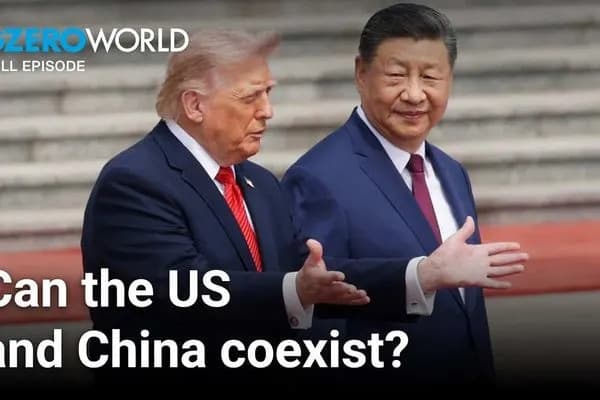
The high-stakes US-China race
The United States and China are engaged in a high-stakes competition to define the future of trade, artificial intelligence, clean energy, security and the broader global order. The outcome of this rivalry will shape economic growth, technological standards and geopolitical alliances for decades to come.
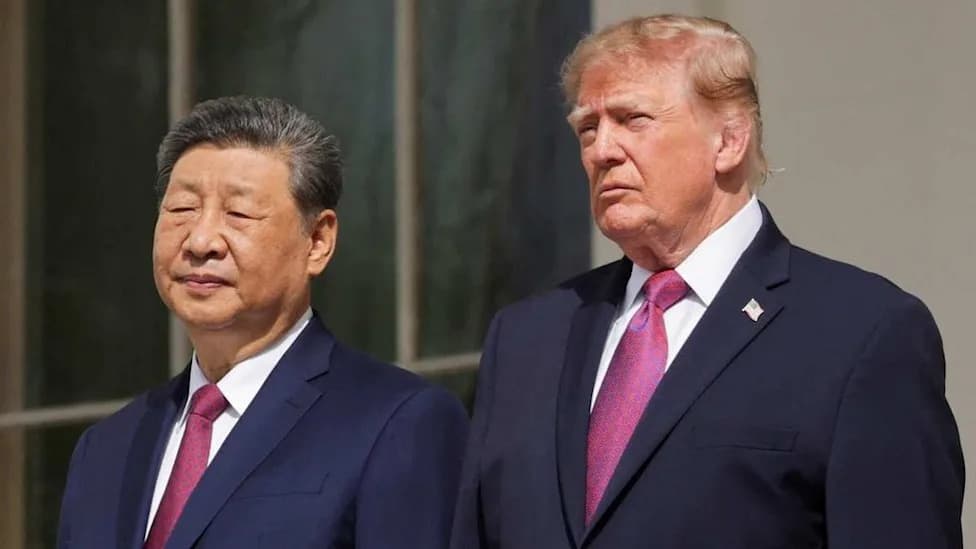
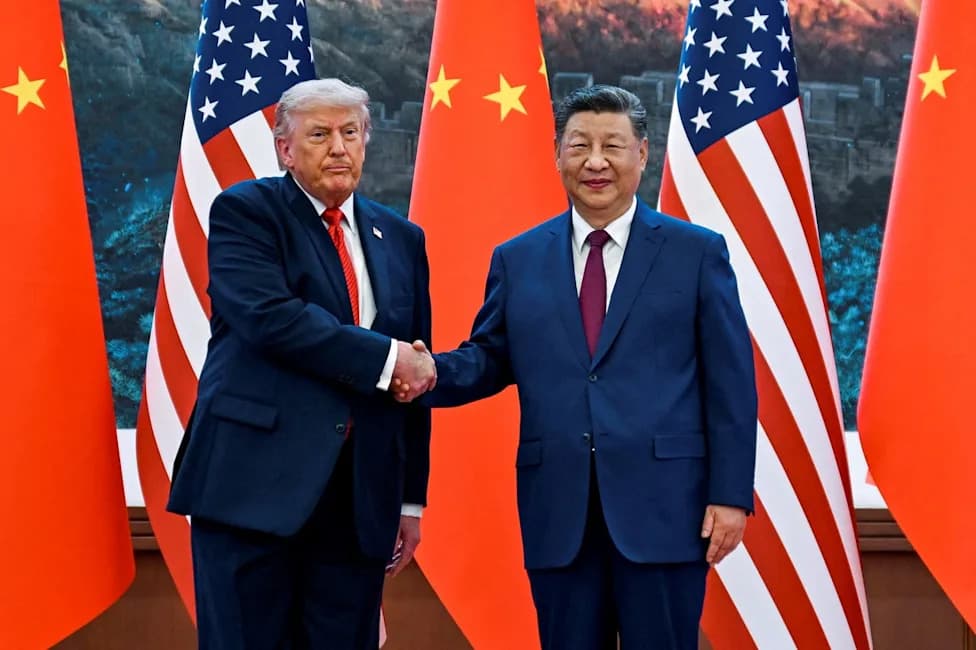
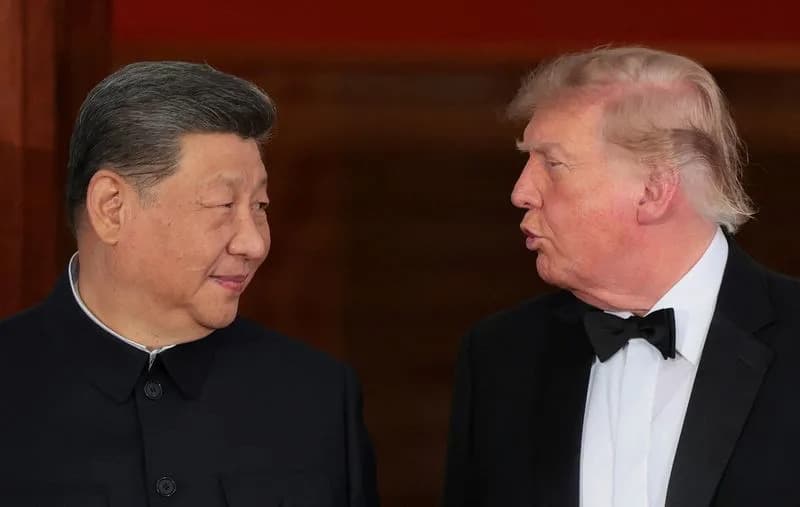
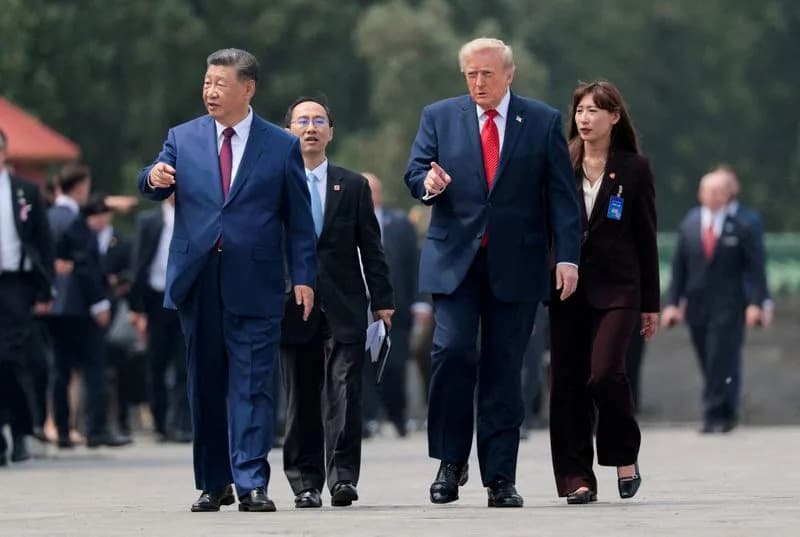
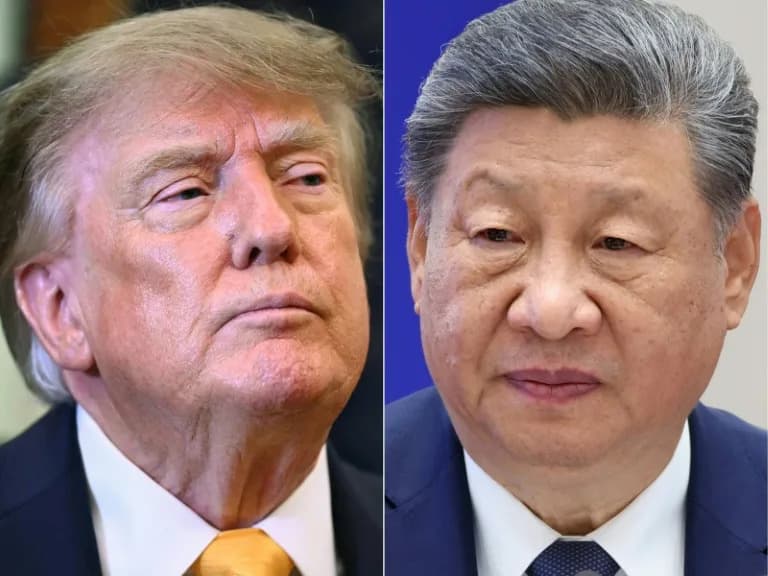
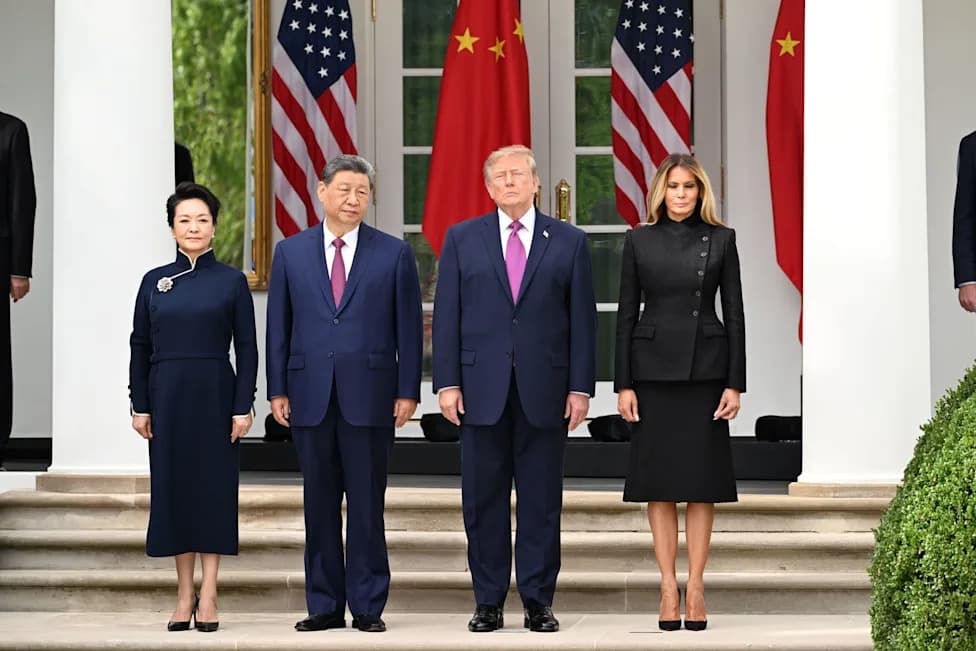
Ian Bremmer sits down with Hoover Institution senior fellow Elizabeth Economy to unpack the key takeaways from the Trump–Xi White House summit, assess the current state of relations between the world’s two most powerful countries, and evaluate which capital — Washington or Beijing — holds the advantage as the competition intensifies.
Where China Is Gaining Ground
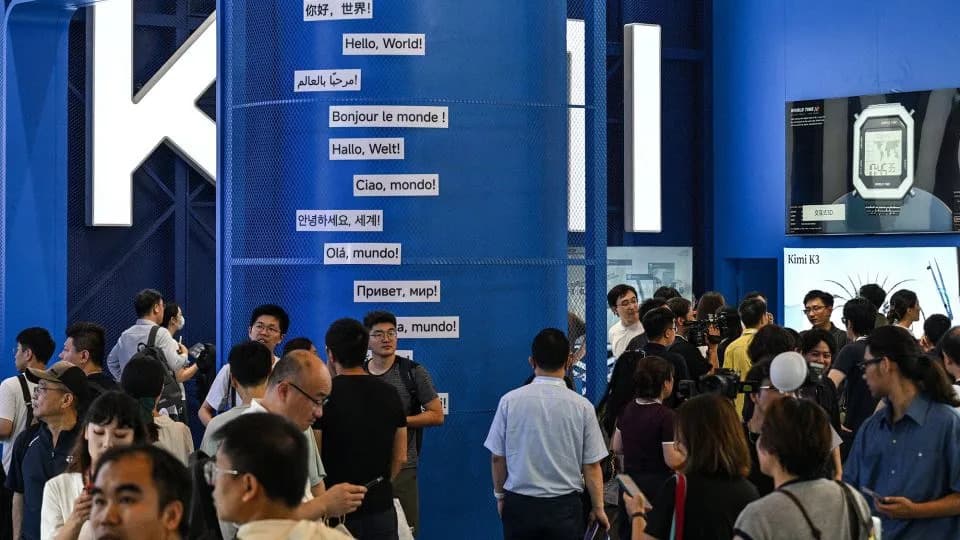
China has made measurable advances in clean energy deployment, advanced manufacturing capacity and select areas of artificial intelligence. These strengths are the product of long-term industrial planning, large-scale investment and a focus on domestic supply chains. However, Beijing is also confronting significant domestic headwinds, including slowing economic growth and internal policy challenges that complicate its forward momentum.
Washington’s Strategy and Shortcomings
The Trump administration’s approach has created both opportunities and obstacles for China. While the United States has stepped back from some global institutions and traditional leadership roles, it continues to treat China as its principal strategic rival and primary economic competitor. U.S. actions have aimed to protect critical technologies and domestic industries, even as questions remain about long-term strategy and preparedness.
The Summit: Signals and Substance
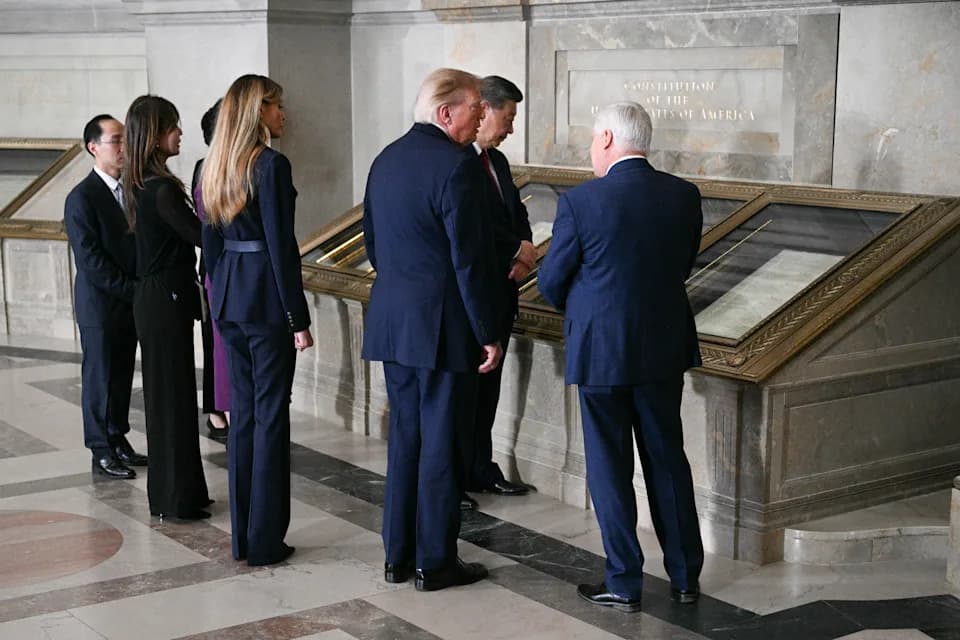
The Trump–Xi White House meeting produced a mix of diplomatic signaling and pragmatic negotiation, but left many strategic questions unresolved. Leaders exchanged positions on trade, technology controls and security, while analysts assess whether bilateral competition will trend toward managed rivalry, escalation, or selective cooperation.
What Comes Next
Both countries will need to sharpen domestic resilience and international strategy. China’s long-term planning and economic scale are formidable advantages, but internal economic pressures and governance trade-offs limit Beijing’s options. The U.S. still retains strengths in innovation, alliances and soft power, but must clarify strategy and rebuild elements of international leadership to compete effectively.
"The Chinese are great long-term strategic planners. They're a powerhouse in the global economy. They are our fiercest competitor," Economy says. "At the same time, it kind of stinks to be Chinese right now if you're living inside China."
Ultimately, the rivalry will be defined less by a single showdown and more by decade-long contests over technology standards, supply chains, climate investments and the loyalties of other nations. Policymakers on both sides face the task of preparing their countries for sustained competition while managing the global risks that arise from that rivalry.
Help us improve.