The Senate’s adjournment marked the start of the final campaign push, but Democrats enter November with a stark fundraising shortfall: the DNC had about $16M in cash versus the RNC’s $130M, and roughly $18M in DNC debt. A June Supreme Court ruling has widened the GOP’s financial reach, fueling record ad wars (Texas alone saw nearly $259M). Still, national indicators like Emerson’s generic ballot — Democrats up as much as 11 points — suggest money may not decide every race.
How Worried Should Democrats Be About the GOP’s Big Cash Advantage?

How Worried Should Dems Be About the GOP’s Huge Cash Advantage?
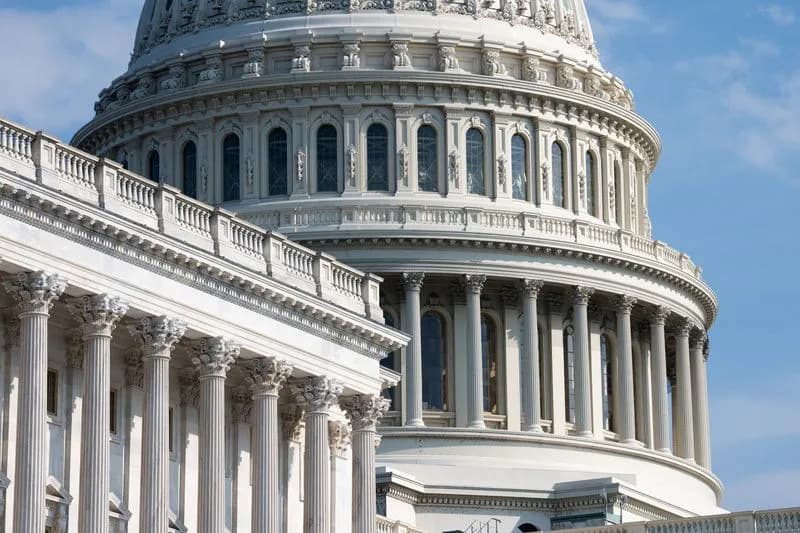
Late Wednesday, the Senate adjourned until after the midterms, formally launching the final sprint of the 2026 campaign season. Republicans are returning to districts where voters worry about President Trump’s actions in Iran and rising living costs; Democrats are heading into November with a pronounced funding shortfall. The central question: can money alone overcome widespread voter anger and a difficult national environment for Democrats?
The Financial Gap
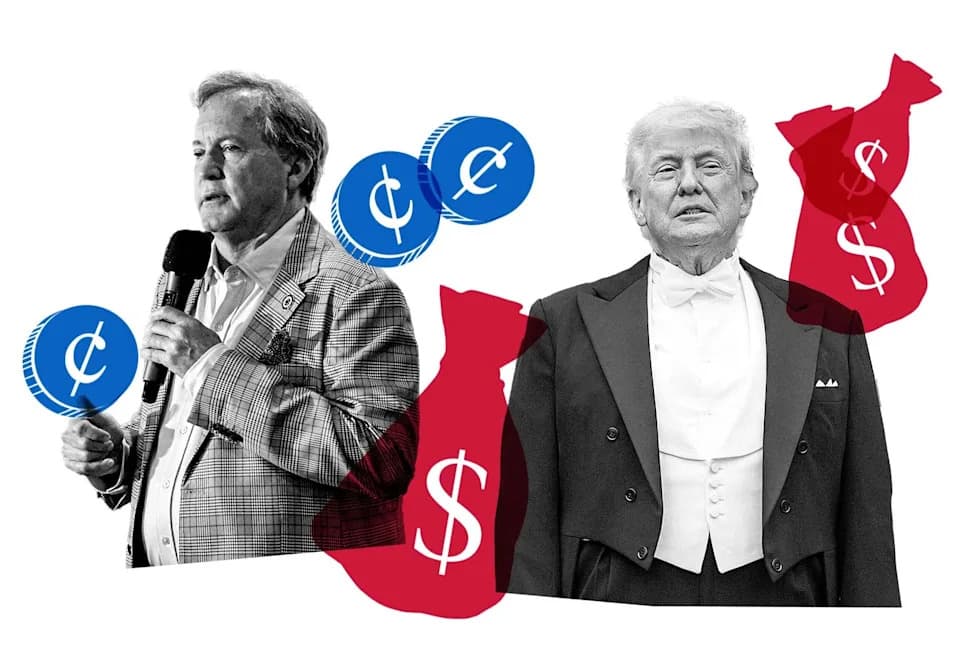
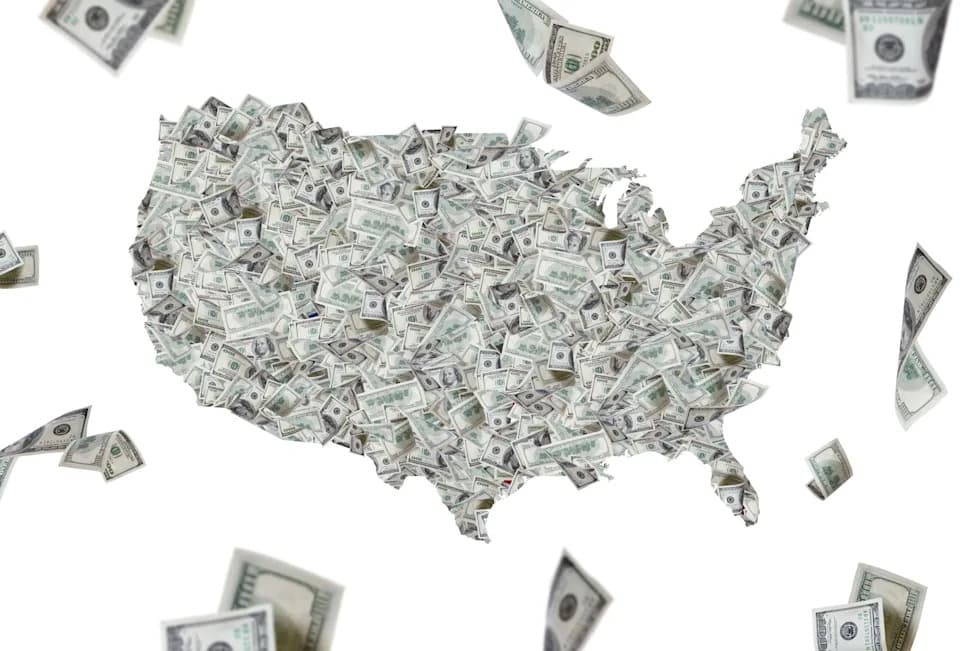
At the end of July, the Democratic National Committee reported roughly $16 million in cash on hand, while the Republican National Committee held about $130 million. The DNC’s situation is further strained by nearly $18 million in outstanding debts, leaving the committee effectively in the red.
Legal Changes Widen the Divide
A June Supreme Court decision that removed caps on coordinated donations between parties and candidates amplifies the GOP’s spending power, letting party-aligned groups and campaigns pool resources more freely than before.
Expensive Battlegrounds
The funding advantage is most visible in marquee Senate contests. In Texas, party committees, outside PACs and individual donors helped push the general-election ad war between Democrat James Talarico and Republican Ken Paxton to nearly $259 million through the end of September — already exceeding 2024’s top statewide spending. In September alone, Republican-aligned groups reportedly funneled about $122 million into Texas to blunt Talarico’s momentum.
Across seven Senate races labeled toss-ups by the Cook Political Report, Republicans outspent Democrats by more than $100 million in the first three weeks of September. AdImpact projects the 2026 cycle could see roughly $11.6 billion in ad spending — surpassing the totals from both the 2022 midterms and the 2024 presidential race.
But Money Isn’t Everything
Many analysts caution that ad dollars and booked airtime don’t automatically translate to wins. “Money is important, but it’s not everything,” said Bruce Freed, president of the Center for Political Accountability. He and others note that deep public anger or a favorable national environment can blunt a spending advantage.
That environment may already be helping Democrats: Emerson College’s generic congressional ballot showed Democrats up 8 points in August and 11 points in September, suggesting national sentiment could offset some local spending disparities.
House Races And Local Disparities
House contests have also attracted big sums. Republicans have spent or reserved about $454 million on House races compared with Democrats’ $381 million. In swing districts the gap can be dramatic: in New York’s 17th Congressional District, GOP Rep. Mike Lawler benefited from roughly $20 million in spending since August versus about $3.8 million for Democrat Cait Conley.
Close Races And Local Stories
A new poll shows Representative Marie Gluesenkamp Perez in a virtual tie with Republican John Braun in Washington’s competitive 3rd District; about 11 percent of likely voters were undecided. Gluesenkamp Perez has crossed her party on some high-profile votes — a pattern that reflects both local conditions and her precarious re-election position (16.7 percent of home-district Democrats backed a progressive primary challenger in August).
In Mississippi, Scott Colom remains a long shot against incumbent Cindy Hyde-Smith in a state Donald Trump won by 23 points, but some Democratic donors and officials see a narrow path given the current political environment.
Environment And Other News
Separately, reporting in The Guardian finds the DataOne data center in Vineland, New Jersey — reportedly supplying computing capacity to Microsoft — may have emitted roughly 140 tons of nitrogen oxides over nearly a year before regulators intervened. Investigations allege the facility operated at least 45 gas generators without a permit; Rutgers researchers rank the center among the state’s top NOx polluters in 2025.
Notable Week In Politics
Good Week: James Talarico — reports show he’s outperforming expectations in Texas fundraising and making inroads with Latino voters.
Bad Week: Eric Schmitt — awkward viral moments and early speculation about a 2028 ticket appearance created negative headlines.
Political Trivia: The Oval Office didn’t exist when the White House was first built in the 1790s. Under which president was the first Oval Office constructed? (Hint: it coincided with the West Wing’s construction.)
— Compiled from reporting by Emma Janssen, Heather Souvaine Horn and other contributors.
Help us improve.