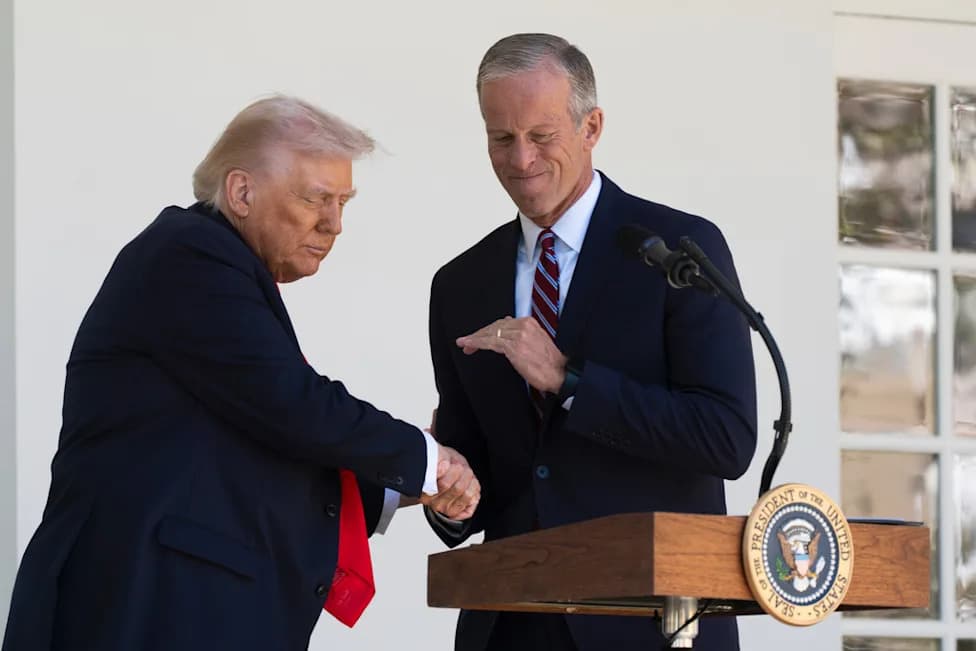
The balance of power in the U.S. Senate is uncertain with just over six weeks to go before the midterms. Ten battleground races from Alaska to Texas are polling inside typical margins of error; Democrats need to flip four seats to win the majority while Republicans defend a six-seat edge. Early voting, undecided voters and heavy spending on turnout efforts could decide which party controls the chamber.
Senate Control Hangs in the Balance — Multiple Races Now Toss-Ups
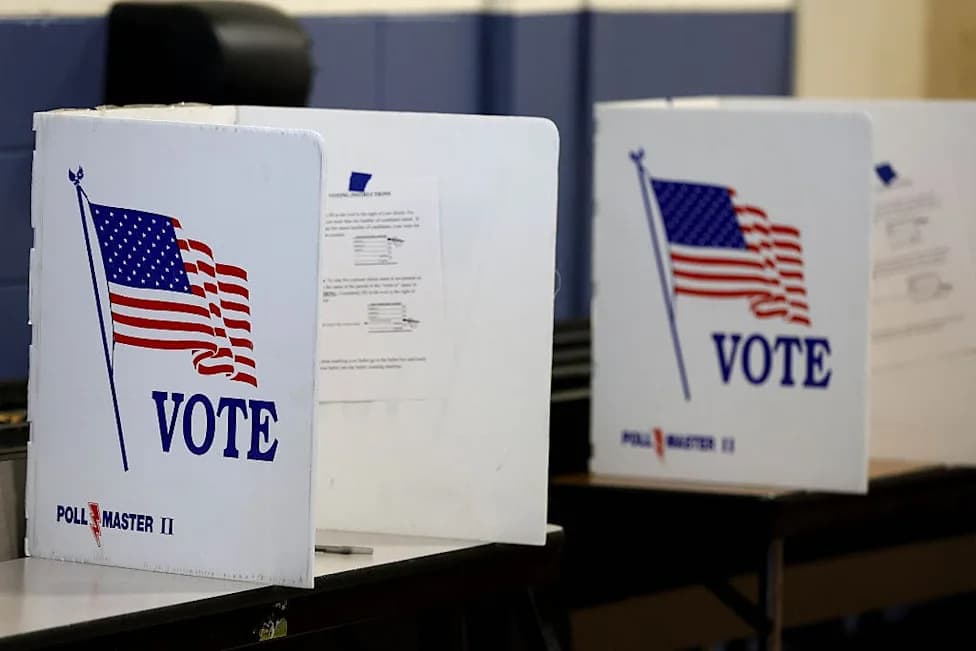
Who will control the Senate? New polls show tight races
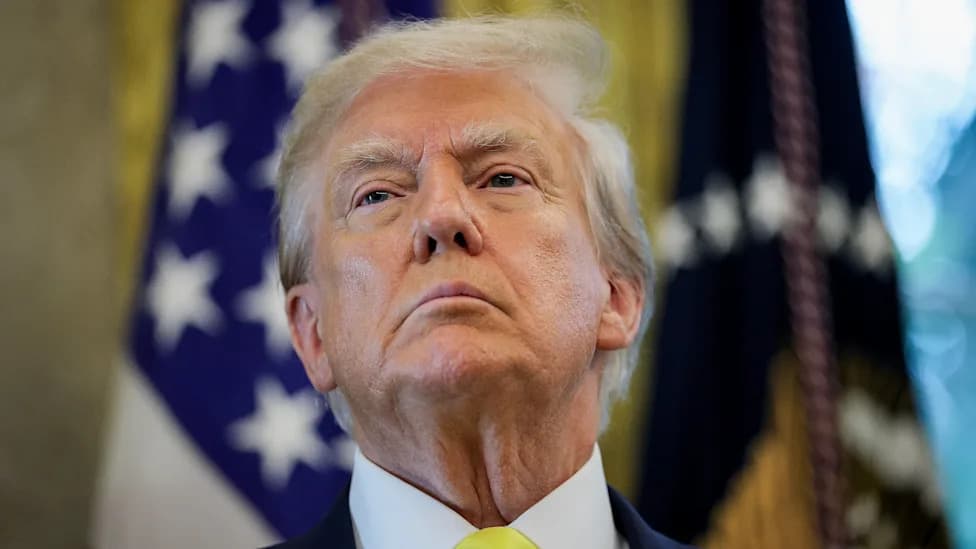
With just over six weeks until November's midterm elections, a cluster of razor-thin Senate contests from Alaska to Texas could determine which party controls the chamber for the final two years of President Donald Trump's term. Democrats must flip at least four seats to win a majority; Republicans are defending a six-seat margin. Recent polls show several competitive matchups within typical margins of error.
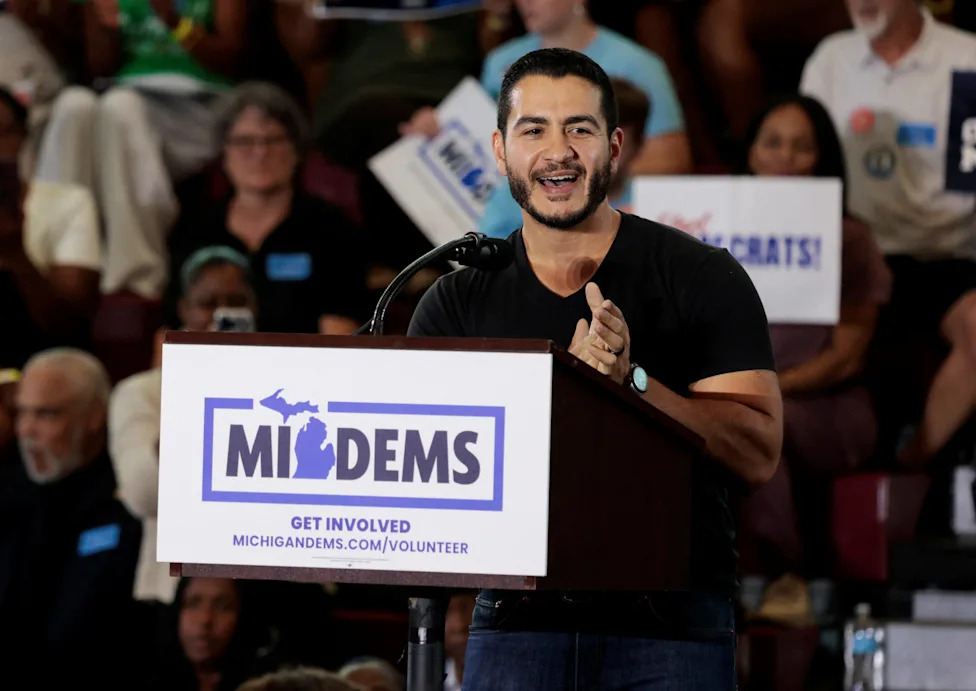
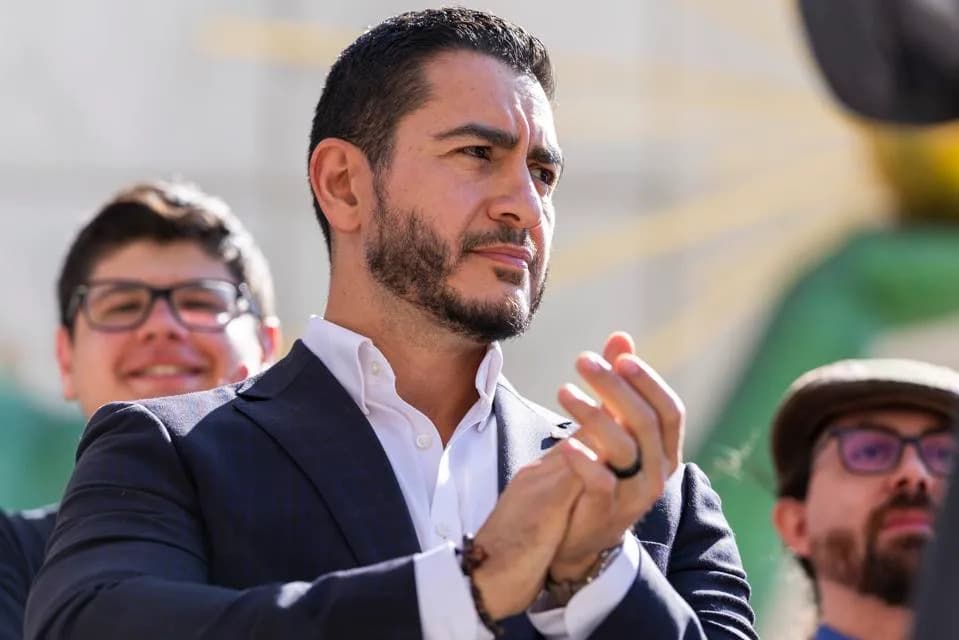
Democrats saw a burst of momentum following the successful campaign ofNew York City Mayor Zohran Mamdani. From grassroots movements to national races, here are theprogressive candidates running in 2026 midterms.Abdul El-Sayed is a former Detroit-based public health official who is Michigan's Democratic candidate for U.S. Senate. He is a progressive, defeating the more moderate U.S. Rep. Haley Stevens in the primary, but El-Sayed has said he is not a democratic socialist.(Rebecca Cook, REUTERS)
What’s At Stake
Control of the Senate will shape judicial confirmations, executive appointments and the legislative agenda for the remainder of the administration. Because so many contests are close, a relatively small number of undecided voters and turnout operations could decide the outcome.
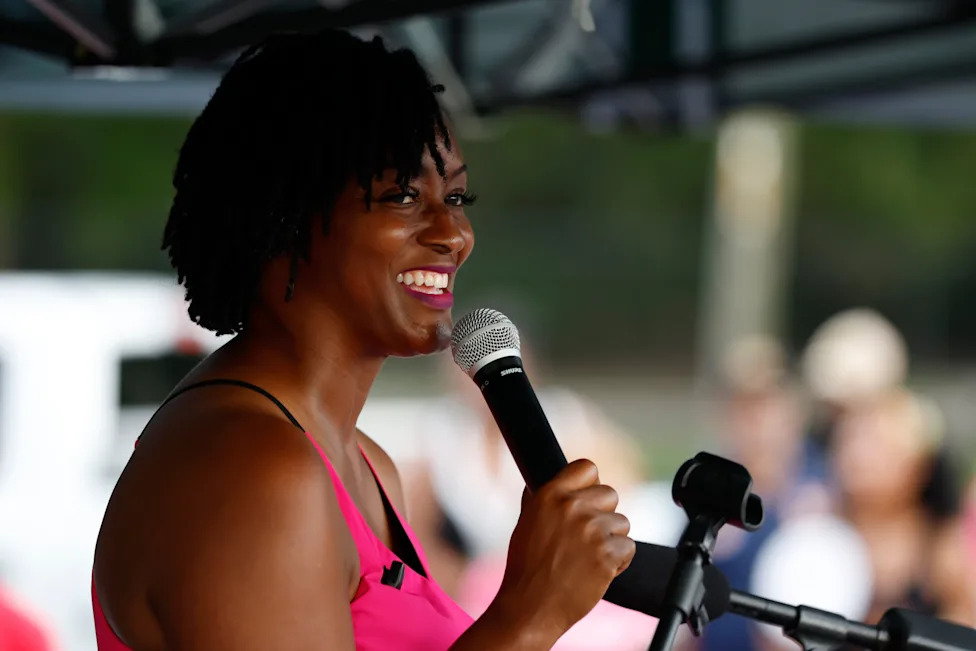
DemocraticU.S. Senate nomineeand Florida state Rep. Angie Nixon is a member of her local chapter of the Democratic Socialists of America.(Corey Perrine/Florida Times-Unio, USA TODAY Network via Reuters Co)
Tight Races To Watch
Below are the most recent publicly released figures in 10 closely watched contests (candidate party, poll result, pollster and date):
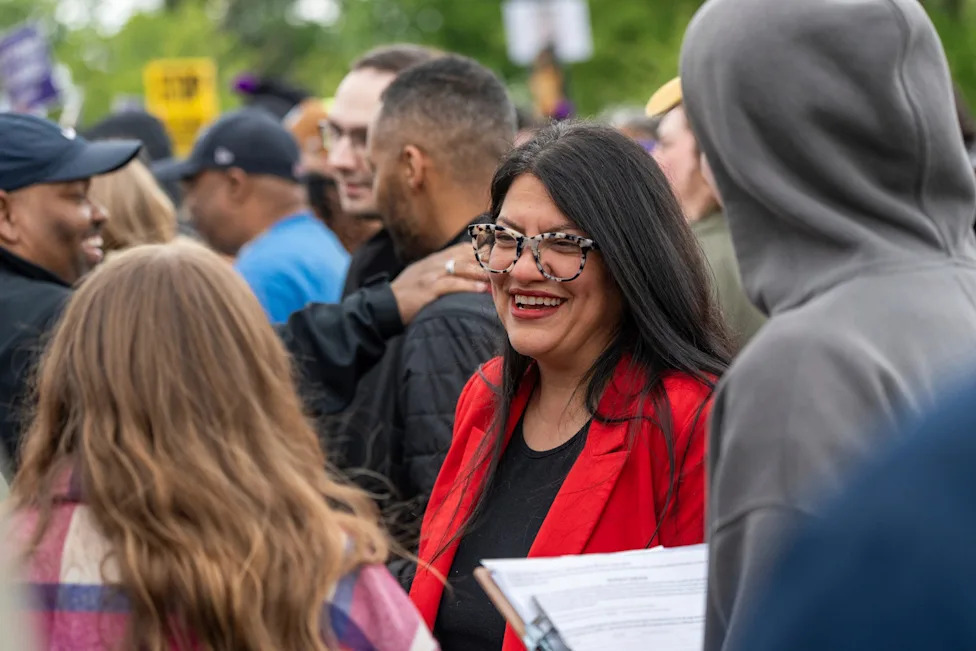
Michigan 12th U.S. District Rep. Rashida Tlaib is one of two Democratic Socialists of America members in Congress, and she is running for reelection.(Ryan Garza, USA TODAY Network via Reuters Connect)
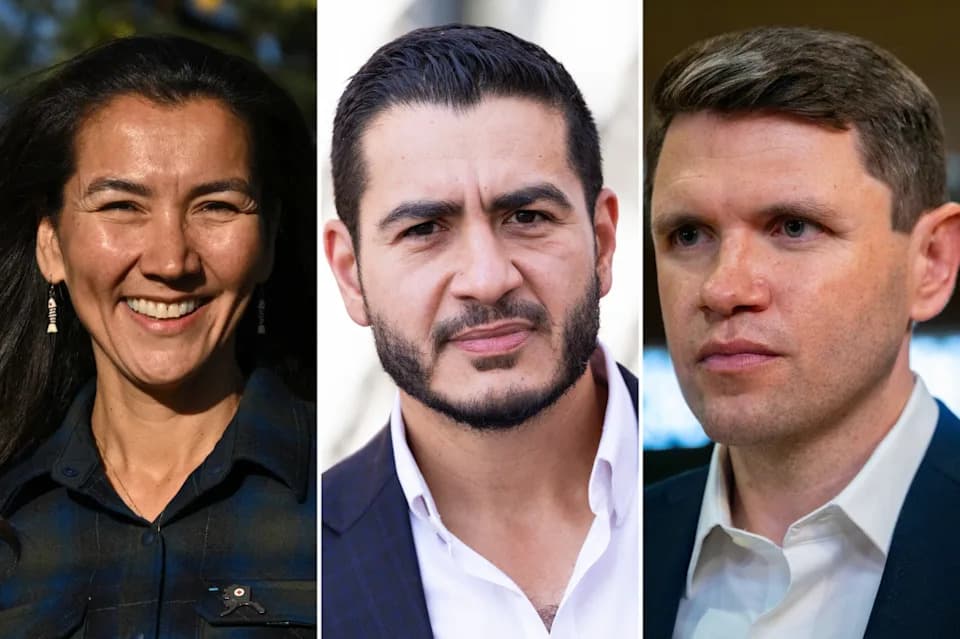
Alaska: (D) Peltola 53% — (R) Sullivan 47% (AARP, Sept. 17)
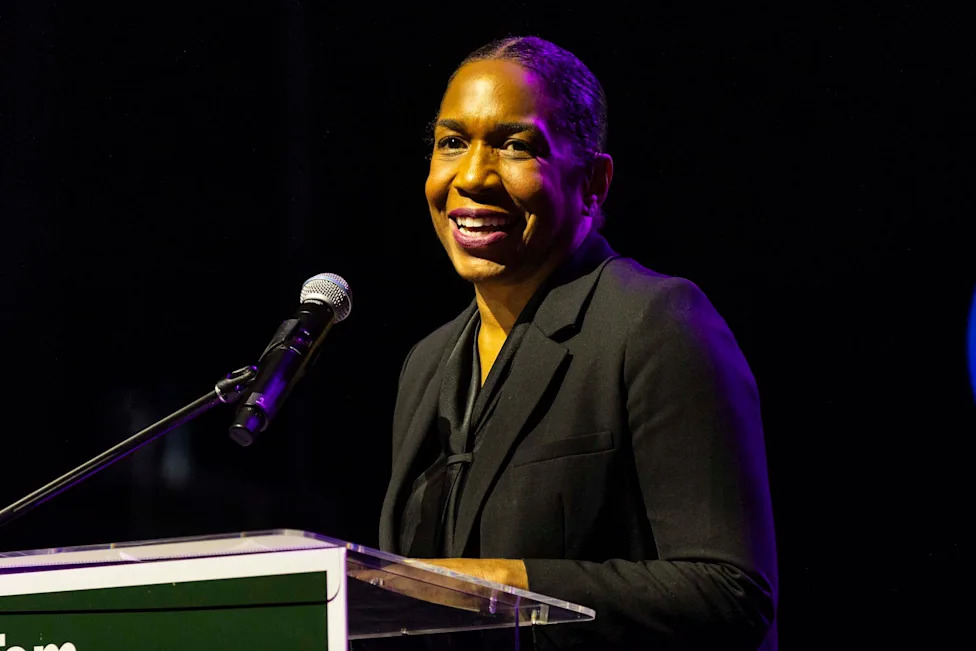
Illinois Lt. Gov. Juliana Stratton is the state's Democratic nominee for it's Senate race, but like El-Sayed, she is a progressive left candidate who does not identify as a democratic socialist.(Kara Hawley/Rockford Register St, USA TODAY Network via Reuters Connect)
Georgia: (D) Ossoff 49% — (R) Collins 43% (Trafalgar Group, Sept. 13)
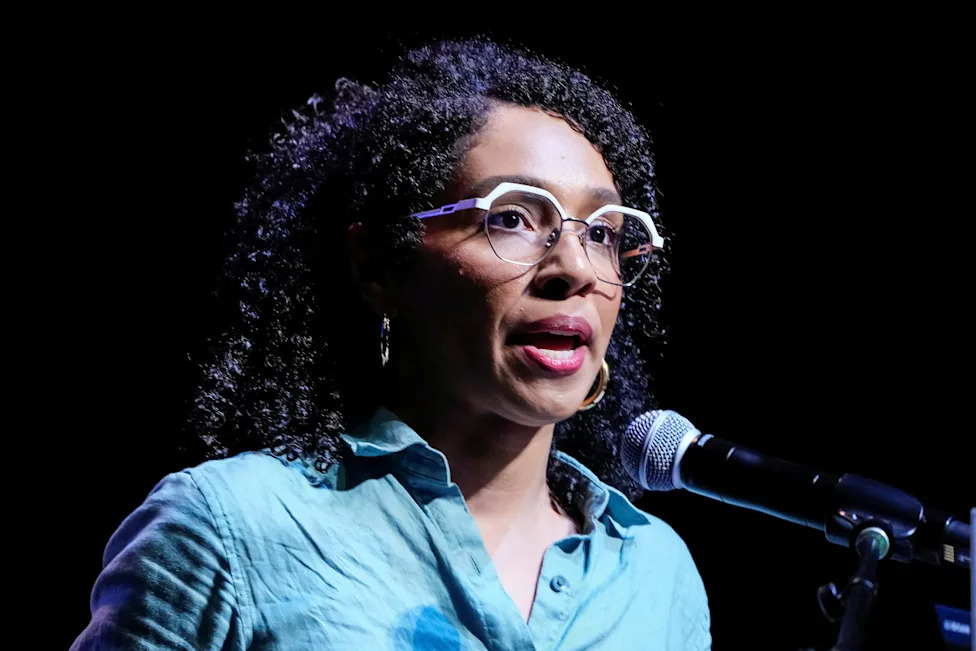
Darializa Avila Chevalier is the Democratic nominee for New York's 13th Congressional District. She was endorsed by the Democratic Socialists of America's New York City chapter, which she is a member of.(Eduardo Munoz, REUTERS)
Iowa: (R) Hinson 49% — (D) Turek 45% (Emerson College, Sept. 3)
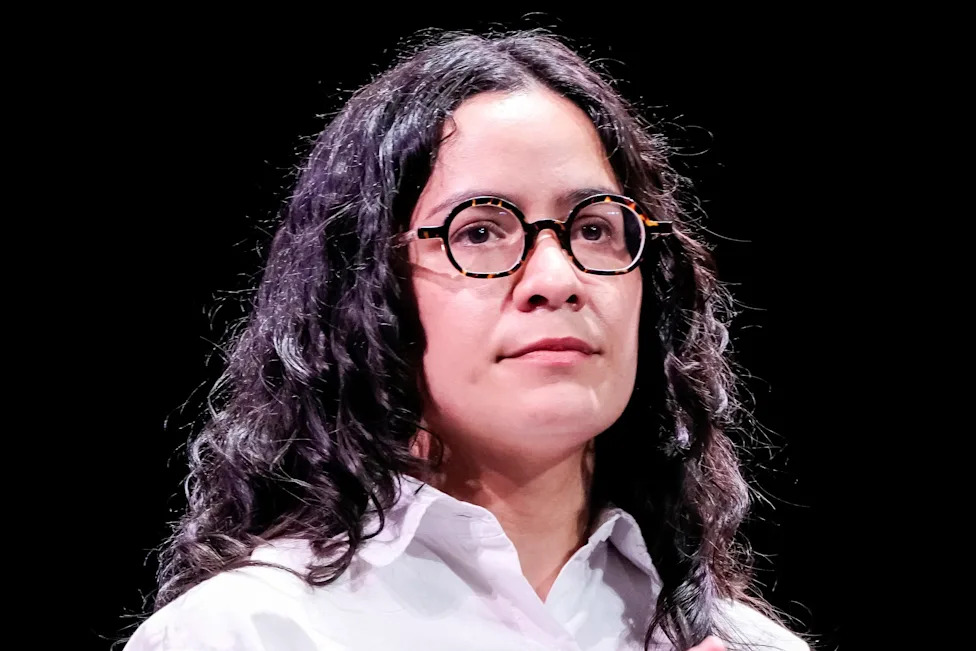
New York state Rep. Claire Valdez is the Democratic nominee for New York's 7th Congressional District. She is a a leader in the New York City Democratic Socialists of America, and they endorsed her.(Eduardo Munoz, REUTERS)
Maine: (D) Jackson 48% — (R) Collins 45% (CNN/SSRS, Sept. 9)

Wisconsin state Rep. Francesca Hong lost in the Democratic primary to Milwaukee County Executive David Crowley, the more moderate pick. Hong is a Democratic Socialists of America member.(Mark Hoffman / Milwaukee Journal, USA TODAY Network via Reuters Co)
Michigan: (D) El-Sayed 48% — (R) Rogers 45% (The Washington Post, Sept. 17)

In Colorado, democratic socialist Melat Kiros is the Democratic candidate for the U.S. House of Representatives from Colorado's 1st Congressional District.(Elizabeth Frantz, REUTERS)
Nebraska: (R) Ricketts 52% — (I) Osborn 48% (Wedgewood Polls, Sept. 16)
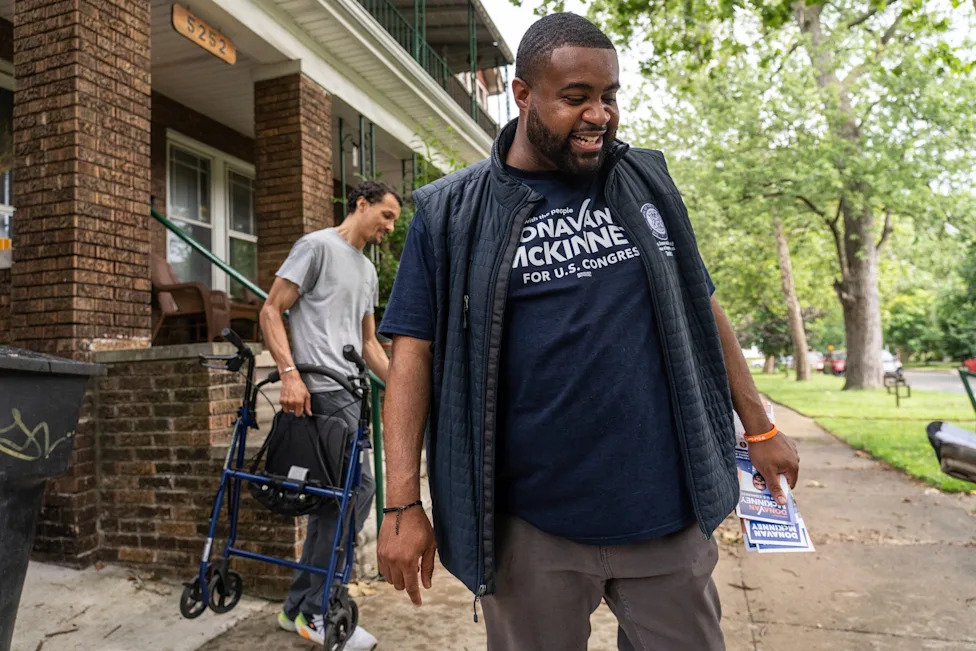
Democratic socialist Michigan state Rep. Donavan McKinney from Detroit is the Democratic nominee for Michigan's 13th Congressional District.(Ryan Garza, USA TODAY Network via Reuters Connect)
New Hampshire: (R) Sununu 45% — (D) Pappas 43% (University of New Hampshire, Aug. 26)
North Carolina: (D) Cooper 48% — (R) Whatley 42% (Trafalgar Group, Sept. 13)
Ohio: (D) Brown 48% — (R) Husted 45% (Bowling Green State University, Sept. 16)
Texas: (D) Talarico 47% — (R) Paxton 46% (Emerson College, Sept. 17)
Why These Races Are So Close
National surveys have recently shown Democratic advantages in some measures, but Republicans remain competitive in multiple states where a meaningful share of voters are undecided. Several high-profile primaries and a wave of progressive and insurgent campaigns have energized parts of both parties in different regions, contributing to shifting dynamics at the state level.
What To Watch Before Election Day
Early voting has already started in some states, including Virginia, and both parties are expected to invest heavily in advertising, voter outreach and turnout operations through Nov. 3. Outside groups and national party organizations will likely concentrate resources on the handful of seats most likely to determine the Senate majority.
For now, the latest polls suggest the fight for the Senate remains very much alive: a small cluster of tight races could determine whether Democrats take control or Republicans hold the chamber.
Reporter: Fernando Cervantes Jr., USA TODAY. Reach him at [email protected] and follow on X @fern_cerv_.
Help us improve.