Fifty days out, the Senate fight is a cliffhanger. Democrats see a narrow path to a 51‑seat majority, aided by low presidential approval and economic worries, but Republicans hold a 53–47 edge and many pickups would require wins in Trump‑leaning states. Close polls in Alaska, Iowa, Maine, Michigan, New Hampshire, North Carolina, Ohio and Texas make control of the Senate uncertain as campaigns enter the final stretch.
50 Days to the Midterms: Polls Show a Narrow, High-Stakes Path for Democrats to Flip the Senate
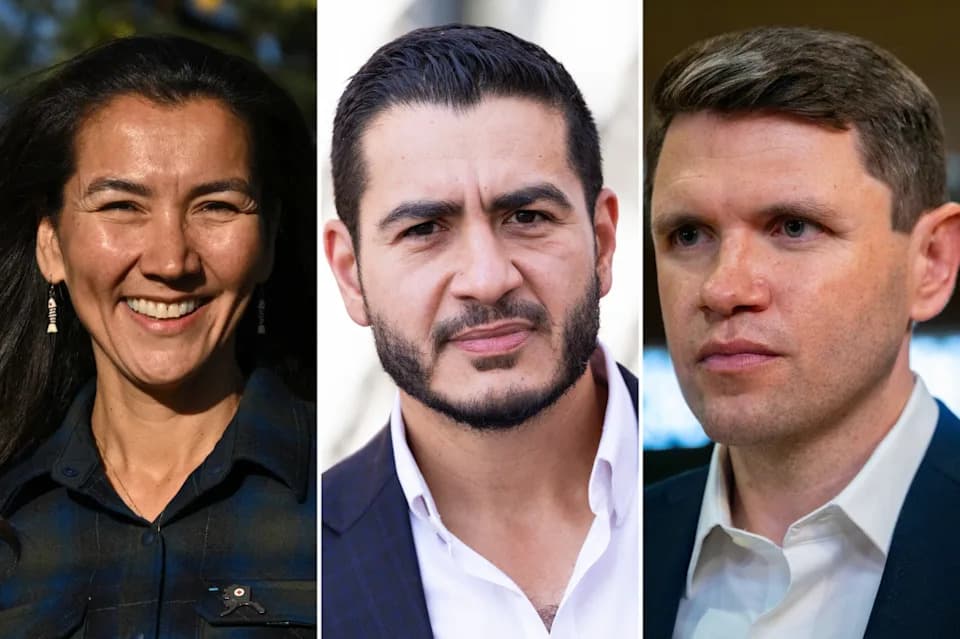
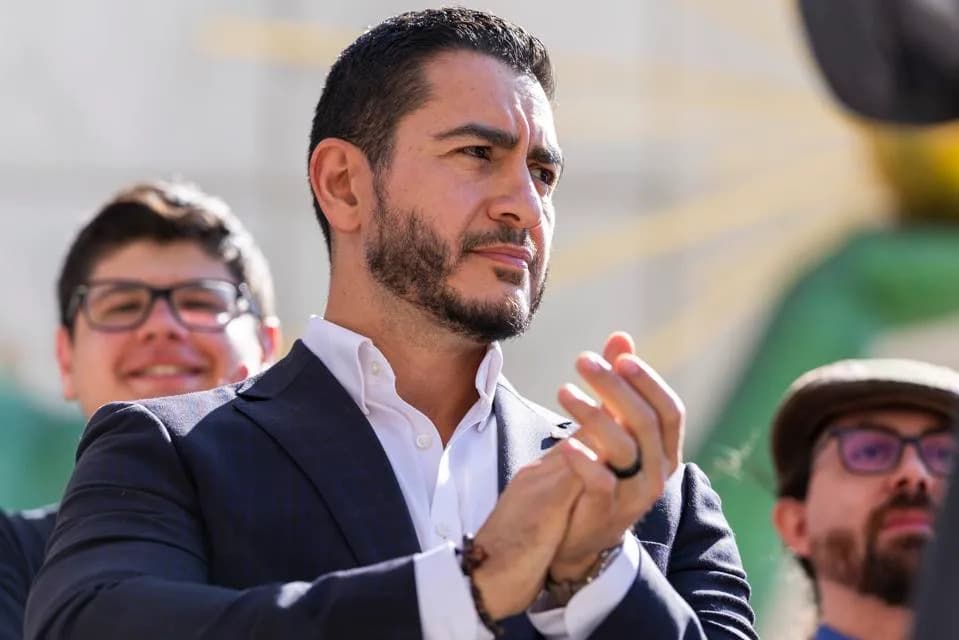
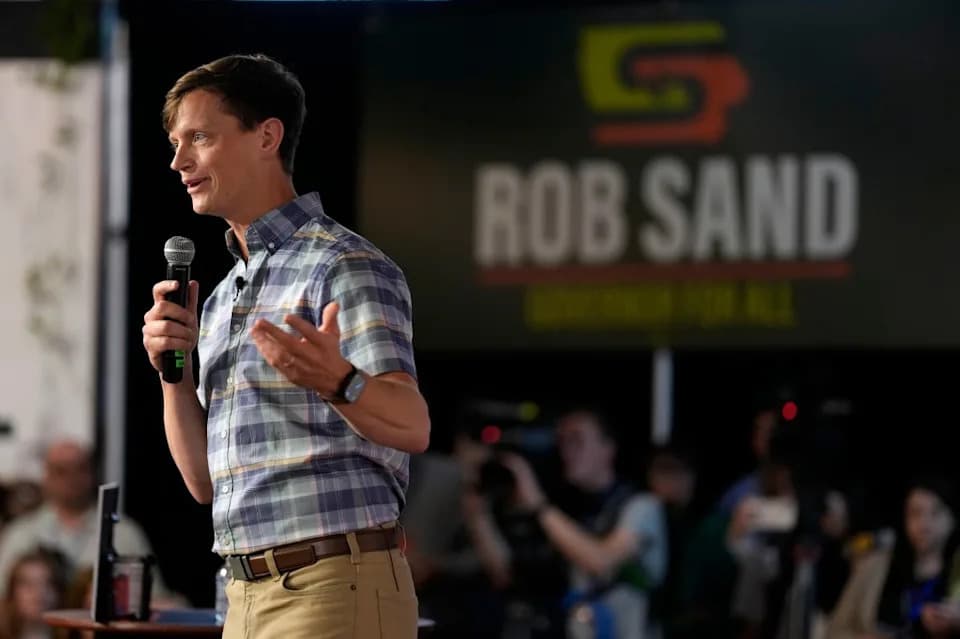
Former Representative Mary Peltola attends a photo session in Anchorage, Alaska, on September 17, 2022. Michigan Senate candidate Abdul El-Sayed attends a press conference in Detroit on August 5. Texas state Representative James Talarico speaks during an interview on September 9 in Dallas.
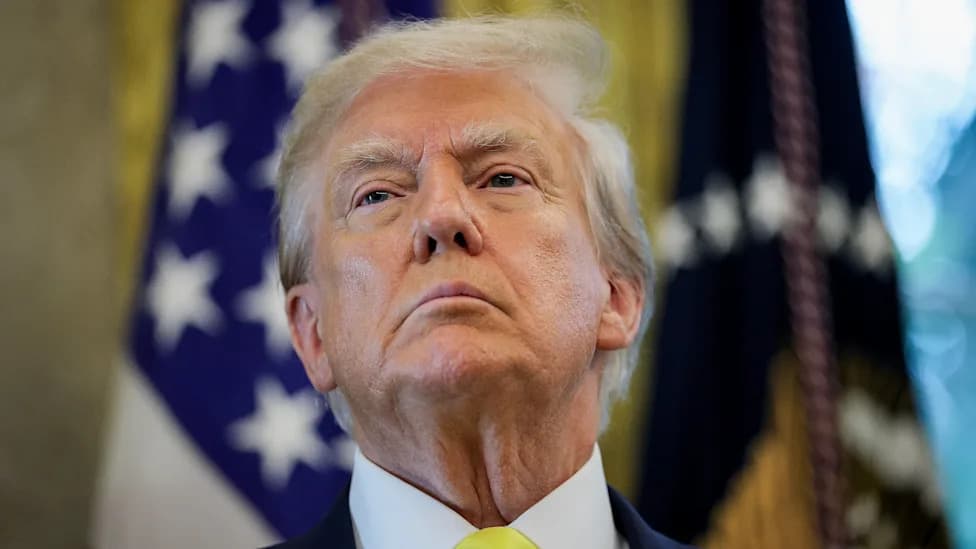
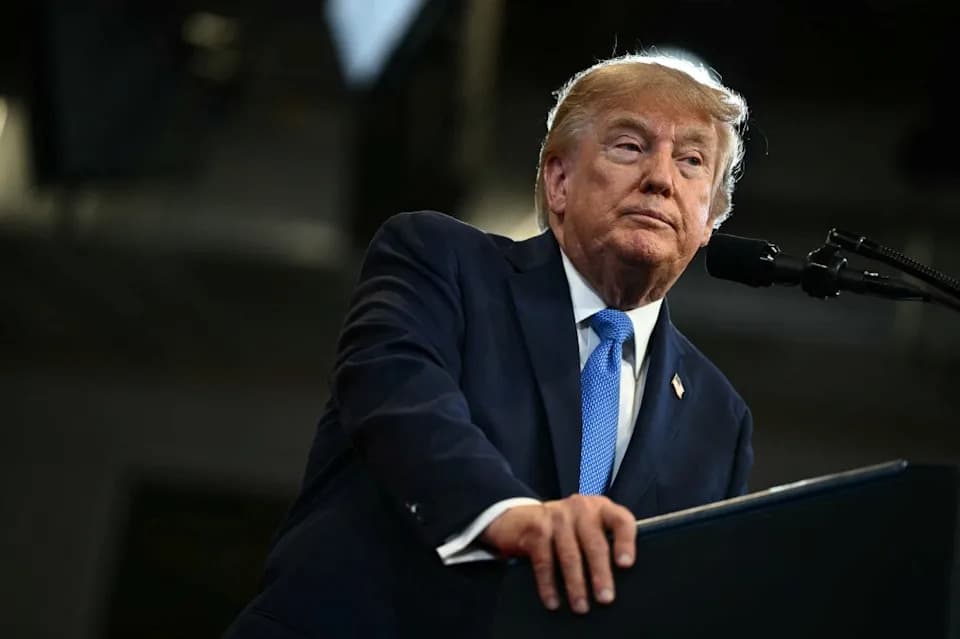
Fifty days before the midterm elections, polling points to a tightly contested battle for control of the U.S. Senate as Democrats and Republicans jockey for advantage in a handful of key races. Democrats say the map is difficult but still winnable, citing President Donald Trump’s soft national approval ratings and persistent economic concerns as potential tailwinds.
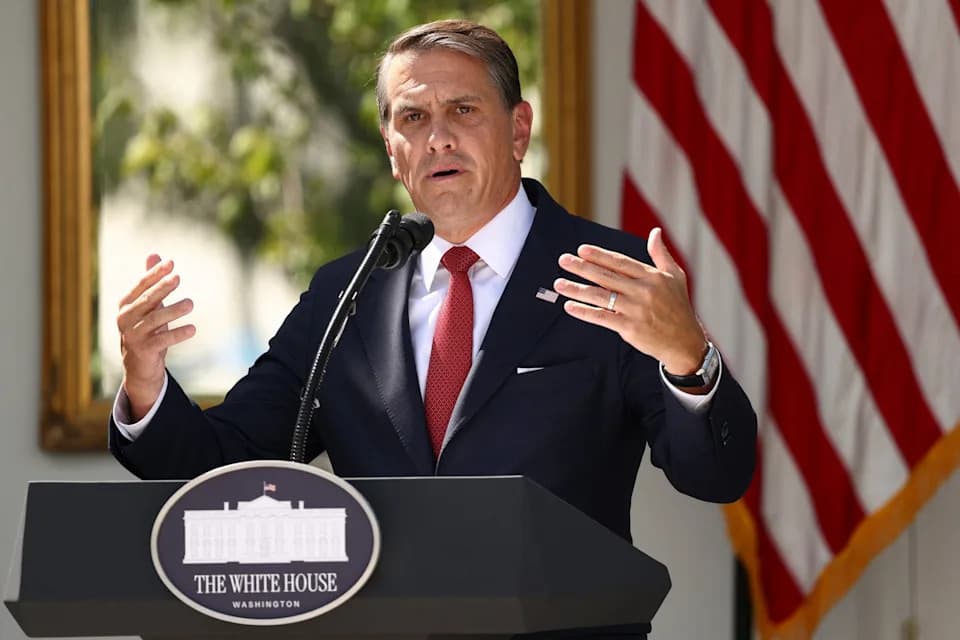
White House Response: A White House spokesman reiterated the administration’s confidence, saying the true judgment came on November 5, 2024. The statement praised the president’s record on jobs, inflation and housing and said the administration’s agenda is only beginning to take effect.
Why the Map Matters: Historically, the president’s party often loses ground in midterms when his approval rating is low. Republicans currently hold a 53–47 Senate majority, which means Democrats need net gains to take control. Practically, Democrats must flip four seats to secure a majority—assuming the vice president would cast tie-breaking votes in a 50–50 Senate—so they must defend every seat they hold while winning additional contests, including races in states President Trump carried by double digits in 2024.
National Picture
Recent surveys and prediction markets show a narrow, uncertain path to a Democratic takeover. Polls in several traditionally Republican or swing states have tightened, boosting Democratic hopes of multiple upsets. Analysts note that national factors—especially the economy and the president’s approval—will interact with local dynamics, candidate quality and campaign developments to determine outcomes in November.
Key Races to Watch
Alaska
Trump won Alaska by more than 13 points in 2024, but shifting urban trends and Alaska’s independent streak have made the Senate contest unusually tight. Former Rep. Mary Peltola (D) is running against incumbent Sen. Dan Sullivan (R). Ranked-choice voting and polling variability in the large, rural state have produced mixed results: an Alaska Survey Research poll (Aug. 20–23) showed Peltola narrowly ahead in the final round (50.6% to 49.4%), while a New York Times/Siena poll (mid-June) had Sullivan up 47% to 45%. The Cook Political Report calls the race a toss-up.
Georgia
Sen. Jon Ossoff (D) has led multiple polls against Rep. Mike Collins (R) in a state that has flipped between parties in recent cycles. Recent surveys from InsiderAdvantage, AARP (Fabrizio Ward/Impact Research) and Fox News show Ossoff with margins ranging from a few points to double digits. Cook rates the race Lean Democratic.
Iowa
The open seat in Iowa—where Trump won by roughly 13 points in 2024—has been competitive. Republican Rep. Ashley Hinson and Democrat Josh Turek have traded leads in recent polls: YouGov showed Turek narrowly ahead in early September, while Emerson and Suffolk polls gave Hinson leads. Cook lists Iowa as a toss-up.
Maine
Sen. Susan Collins (R) faces Democrat Troy Jackson in a match that polling has repeatedly classified as close. Several surveys in August and early September put Jackson up by small margins; Cook calls this contest a toss-up as well.
Michigan
With retiring Sen. Gary Peters’ seat open, Democrat Abdul El‑Sayed faces Republican Mike Rogers in a crucial battleground. Polls from CNN/SSRS, EPIC‑MRA and Glengariff have shown narrow leads or near-ties, leaving Michigan rated a toss-up by Cook.
New Hampshire
Sen. Jeanne Shaheen’s retirement left an open seat that could swing either way. Rep. Chris Pappas (D) and former Sen. John Sununu (R) appear in several tight polls, with some showing a narrow lead for Sununu and others favoring Pappas. Cook rates New Hampshire Lean Democratic.
North Carolina
Former Gov. Roy Cooper (D) leads in multiple state polls against Republican Michael Whatley for the open Senate seat. While Republicans have won recent statewide contests, several surveys show Cooper ahead by mid-single to low-double-digit margins. Cook lists this race as Lean Democratic.
Ohio
Former Sen. Sherrod Brown (D) is mounting a comeback against appointed Sen. Jon Husted (R). Polls from InsiderAdvantage and Fox News have shown Brown ahead, while an earlier New York Times/Siena survey had Husted leading. Cook considers Ohio a toss-up.
Texas
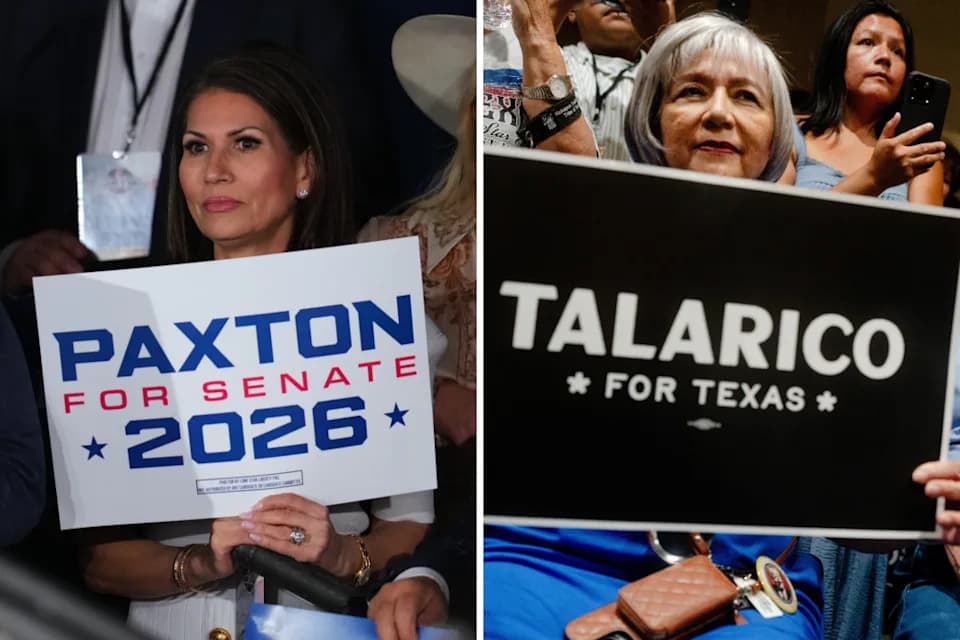
Texas remains a critical and closely watched contest. Attorney General Ken Paxton (R) ousted Sen. John Cornyn in the GOP primary and faces state Rep. James Talarico (D). Polling is mixed: several surveys (YouGov/Univision, AARP/Fabrizio Ward) show Talarico with a small lead, while Emerson’s poll gave Paxton a one-point edge. MAGA‑aligned outside spending could shape the outcome in this traditionally Republican state.
Markets, Analysts and the Road Ahead
Prediction markets and betting exchanges have swung throughout the year and currently show a roughly even contest: some markets give Republicans a slight edge while others favor Democrats. Markets reflect trader sentiment and react rapidly to new polling, fundraising, and candidate developments but are not guarantees of outcomes.
With nearly all primaries completed, the general election fields are largely set. In the coming weeks, campaign dynamics, debate moments, spending and turnout efforts will determine whether a narrow path for Democrats materializes or Republicans hold their majority.
Contact: Newsweek editors on this story: Jason Lemon and Anthony Murray.
Help us improve.