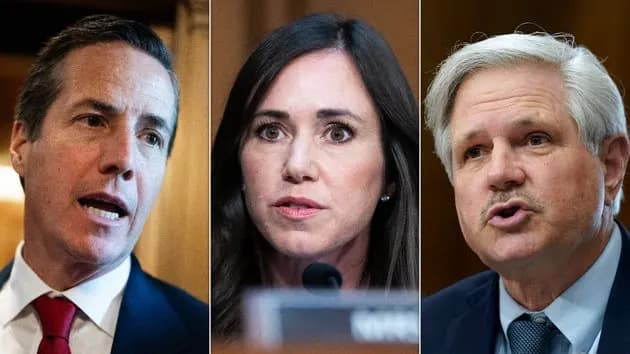
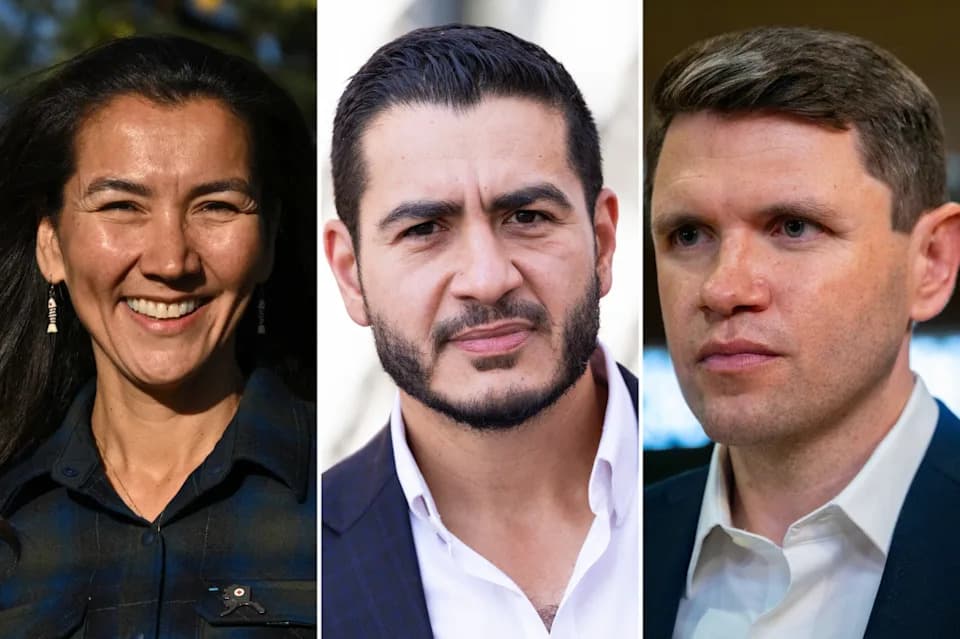
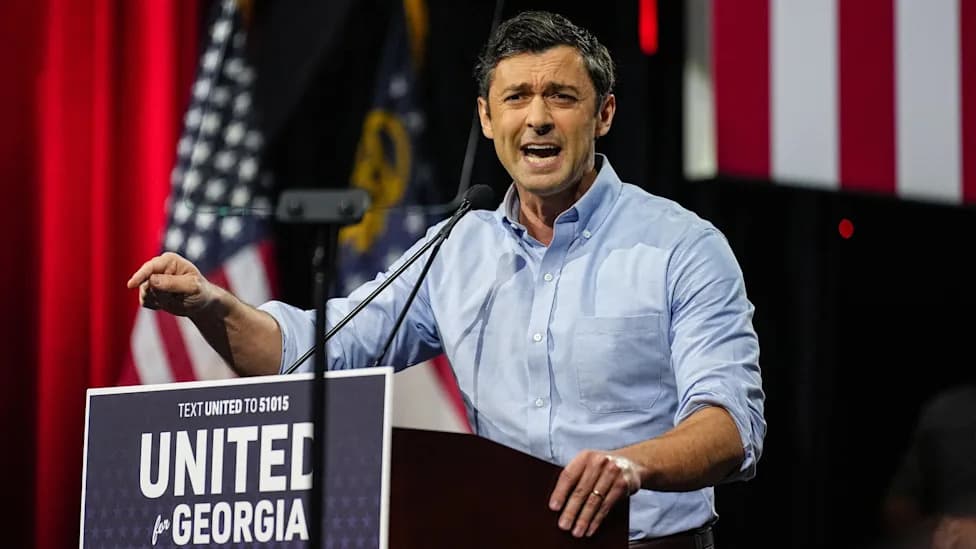
Polling shows Democrats competitive in multiple deep-red states President Trump won by double digits in 2024, widening potential paths to a Senate majority. Democrats must defend two Trump-carried seats and flip four Republican seats to take control, but fundraising gaps and ad spending favor many GOP incumbents. Kentucky is a high-profile example where Charles Booker is closing the gap but trails in cash. Both parties are recalibrating resources in the final weeks before the midterms.
Democratic Surge Puts Deep-Red Senate Seats In Play, Forcing GOP To Rethink Strategy
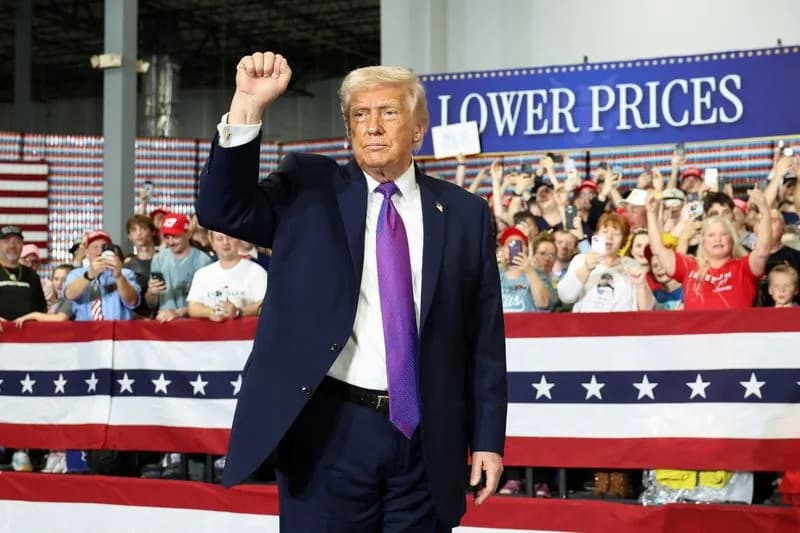
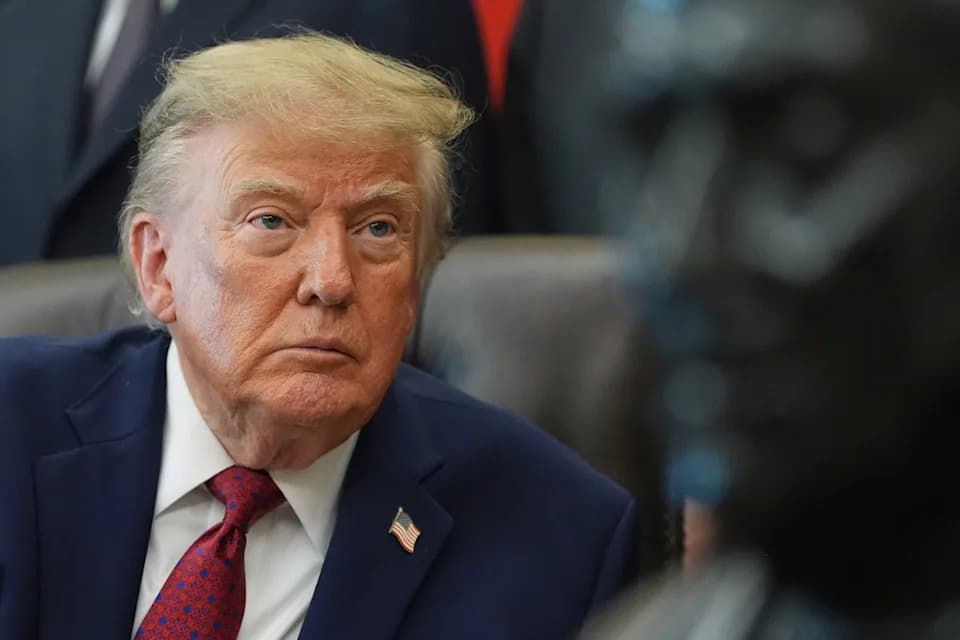
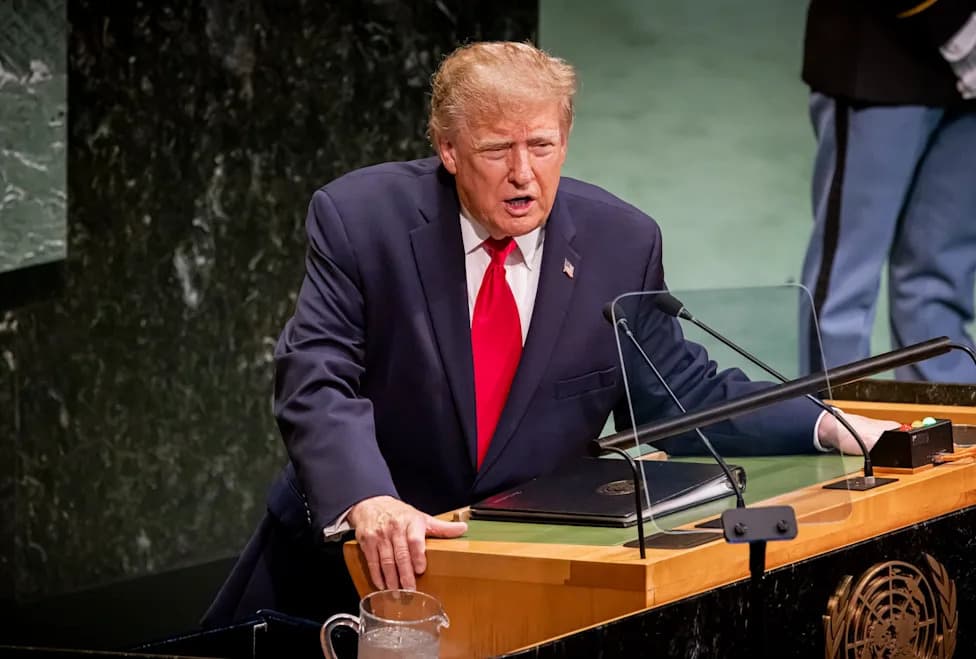
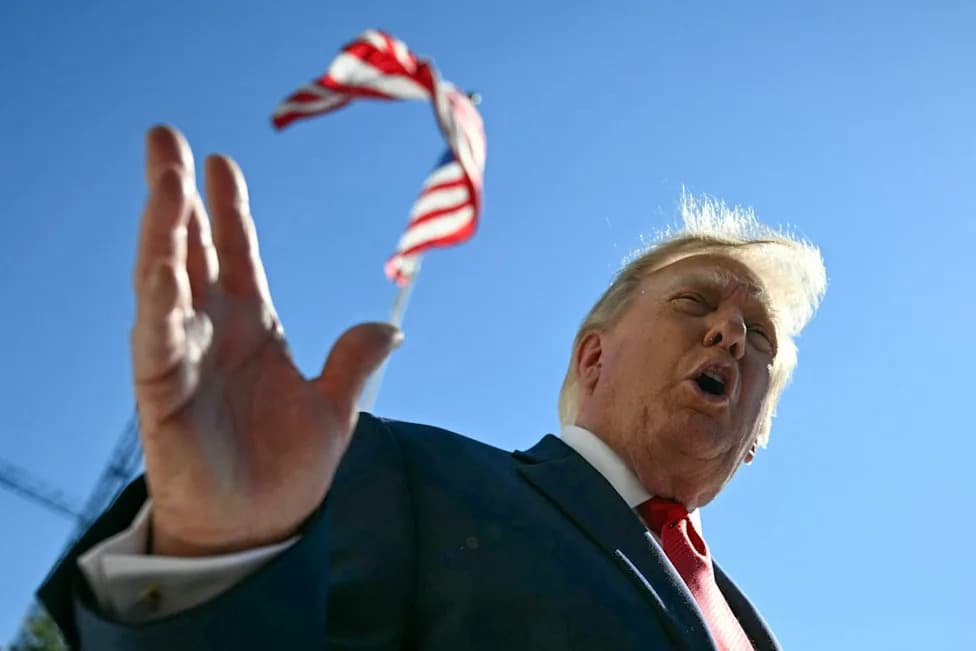
U.S. President Donald Trump gestures during a visit to Verst Logistics in Hebron, Kentucky, U.S., March 11, 2026. REUTERS/Kevin Lamarque
Kentucky Democrats say they have a rare opportunity to capture a U.S. Senate seat in a state long dominated by Republicans — but they still lack two crucial assets: widespread statewide backing and enough campaign cash.
How The Map Has Shifted
Several states that President Donald Trump carried by double digits in 2024 are now showing Republican performance well below his margins, expanding Democratic pathways to a Senate majority in November's midterms. With fewer than five weeks until Election Day, polling suggests Democrats are competitive in ten states Trump won by double digits: Ohio, Alaska, Iowa, Texas, Florida, Kansas, Nebraska, Mississippi, South Carolina and Kentucky.
What Democrats Need
To win control of the Senate, Democrats must defend two seats in states Trump carried and flip four Republican-held seats — including at least two in states Trump won by 10 points or more. While Ohio, Alaska, Iowa and Texas have been treated as battlegrounds all cycle, polling now shows tighter-than-expected contests across a broader set of traditionally red states.
'Not only is there a swing away from the Republican Party compared to 2024, but the swing actually seems to be somewhat bigger in red America than in blue America,' said David Hopkins, a political science professor at Boston College. 'That's putting these states that Trump won easily very much into play.'
Kentucky: A Case Study
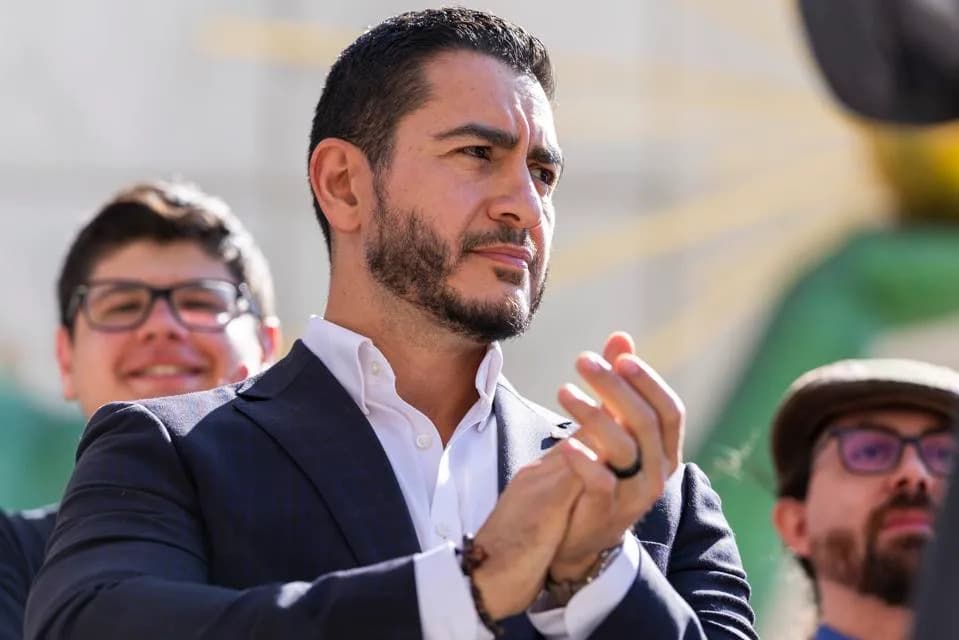
Democrat Charles Booker’s internal polling places him within single digits of U.S. Representative Andy Barr in the bid to replace longtime Senator Mitch McConnell. But Booker trails Barr by about $2 million in reported cash on hand. Allies say Kentucky Governor Andy Beshear — a possible 2028 contender — has endorsed Booker and could campaign with him during the final stretch.
'We have a shot here in Kentucky to flip this seat, and we need to do it now,' said Pamela Stevenson, minority floor leader of the Kentucky House. Booker’s campaign plans to lean on statewide events and get-out-the-vote efforts late in the race.
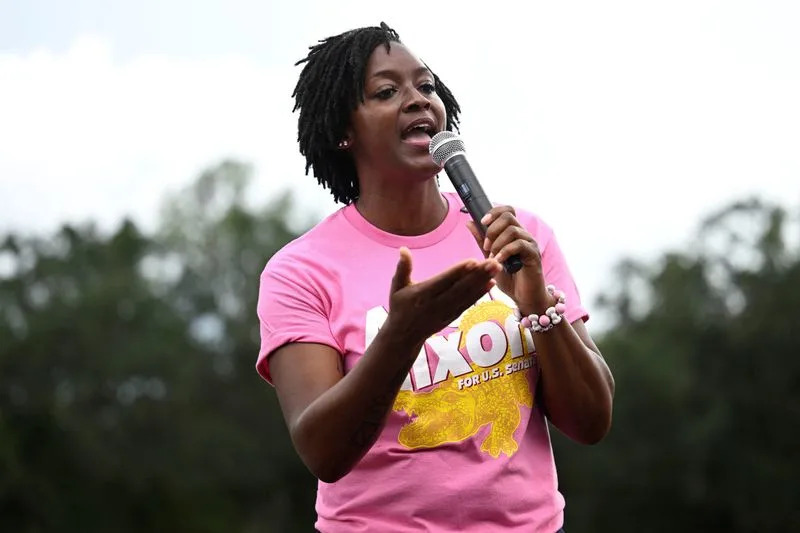
Democratic U.S. Senate candidate Angie Nixon speaks to supporters while campaigning on the campus of the University of Florida before a football game in Gainesville, Florida, U.S., September 5, 2026. REUTERS/Phelan M. Ebenhack
Money, Messaging And Momentum
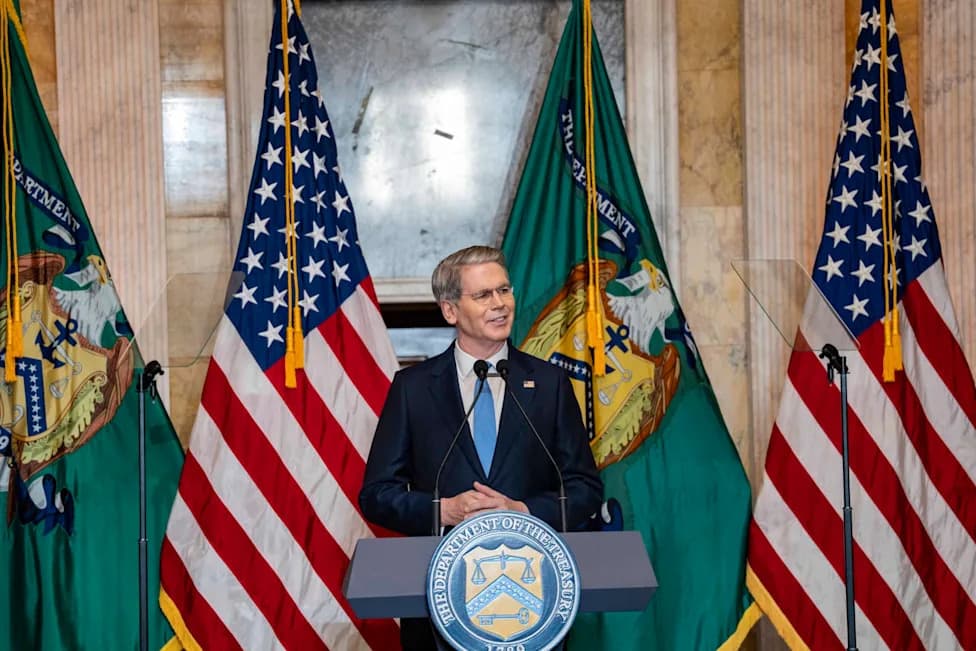
Republicans entered the cycle with a 53-47 Senate majority and anticipated a favorable map. Party leaders insist cash will blunt Democratic advances: Senate Republican campaign chair Tim Scott warned that Republicans are contesting 'a record number of toss-up races' and emphasized that 'cash is king.' Ad-tracking firm AdImpact reports Republicans are outspending Democrats by millions — and in some markets by tens of millions — on ad reservations in key states such as Ohio, Texas, Iowa, Alaska and Kansas.
Most Republican incumbents retain sizable financial edges over their challengers, although South Carolina stands out as an exception: Democratic challenger Annie Andrews reported more than $4 million in July, while appointed Senator Darline Graham reported roughly $250,000 as of early August.
Campaign Dynamics And The Final Stretch
The White House has deployed President Trump to several of the contested states — including Texas, Oklahoma, Alabama, Ohio and Nebraska — in an effort to boost turnout. Trump’s approval rating sits near a post-election low of 32% in a Reuters/Ipsos poll, and issues such as the cost of living, tariffs and foreign policy have surfaced as voter concerns that could complicate GOP prospects in competitive areas.
Analysts caution that polls reflect current sentiment and are not determinative. Several primary polls that suggested lopsided leads in the past ultimately narrowed or reversed at the ballot box. That uncertainty is likely to force both parties to recalibrate where they spend money and who they deploy in the closing weeks.
Outlook
Democrats argue the map of competitive races has widened, creating strategic choices about where to invest limited resources. Republicans counter that they have the fundraising firepower and outside spending to defend vulnerable seats. The coming weeks will show whether the Democratic momentum in deep-red states is temporary or powerful enough to reshape control of the Senate.
Help us improve.