The alleged October 2024 assault at Cornell resurfaced after a woman known as "Jane Doe" filed a civil suit accusing seven Chi Phi fraternity members and others of drugging and sexually assaulting her. Cornell conducted a Title IX investigation, held multiple hearings and imposed sanctions, while lawyers for some named men deny involvement. After public criticism of the local prosecutor's initial decision not to charge, Gov. Kathy Hochul appointed AG Letitia James as special prosecutor to oversee a reopened criminal investigation. The AG's office said it will review evidence and interview witnesses and may pursue charges if warranted.
Cornell 'Jane Doe' Case: Timeline From Alleged October 2024 Assault to Appointment of Special Prosecutor
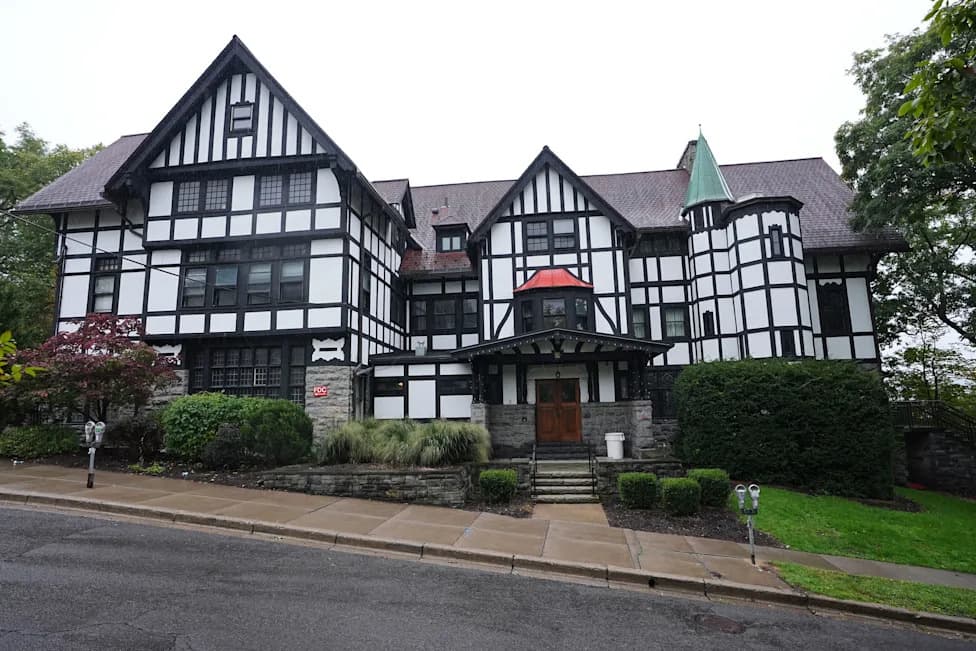
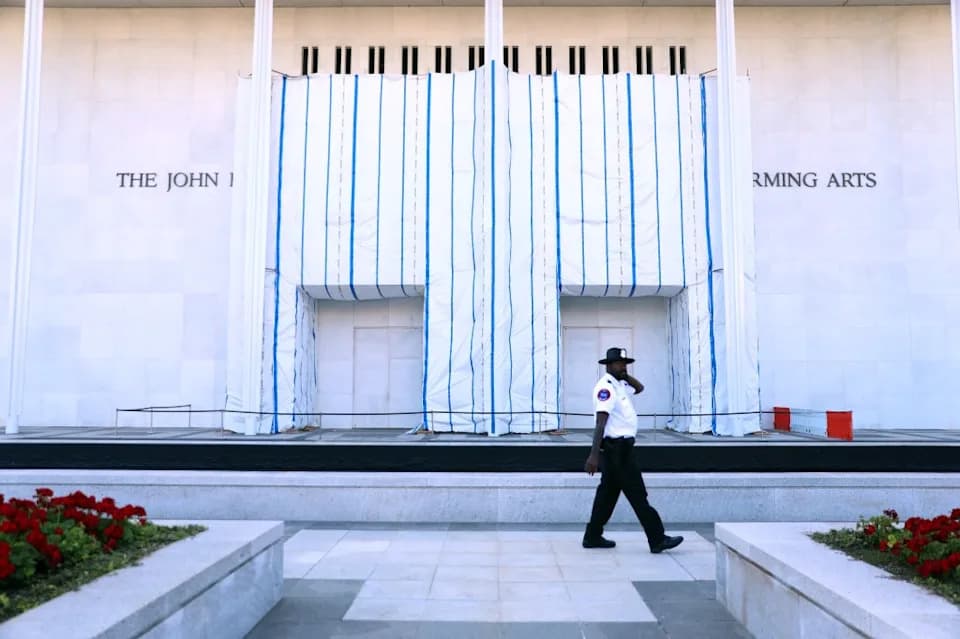
The Chi Phi fraternity house at Cornell University in Ithaca, N.Y., Thursday, Oct. 1.(Matt Rourke/AP)
The alleged October 2024 assault at Cornell University—and the university and legal responses that followed—has attracted national attention after a woman identified as "Jane Doe" filed a civil lawsuit last month. The suit names seven members of the Chi Phi fraternity, the fraternity and sorority chapters, and other parties, alleging she was drugged and sexually assaulted over several hours. New York Governor Kathy Hochul has since appointed Attorney General Letitia James as a special prosecutor to oversee a reopened criminal probe.
Timeline
Before the Incident
Jane Doe arrived at Cornell as a freshman and joined the Tri-Delta Alpha Beta sorority. She attended a sorority gathering and a Tri-Delta event at Moonies Bar & Nightclub, where reporting says she was served alcohol despite identifying as underage.
Night of the Alleged Assault (Oct. 19–20, 2024)
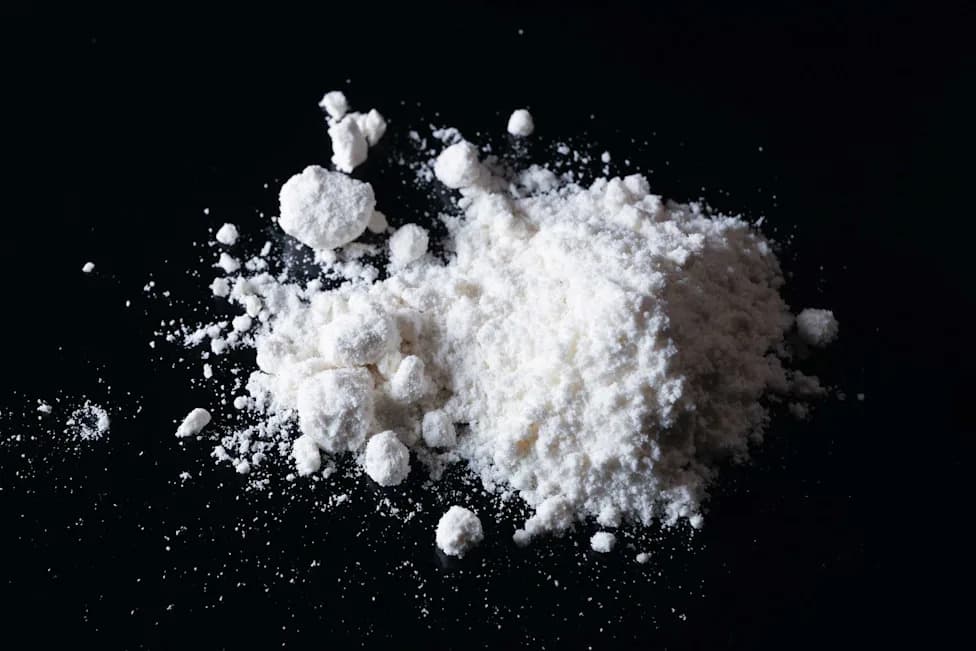
According to her civil complaint, Jane Doe walked to the Chi Phi fraternity house around 11 p.m. appearing "visibly intoxicated" after drinking roughly 10 standard drinks in three hours. The lawsuit alleges that two fraternity members pressured her into snorting a substance they identified as ketamine and proposed a threesome. The complaint states she was not capable of consenting.
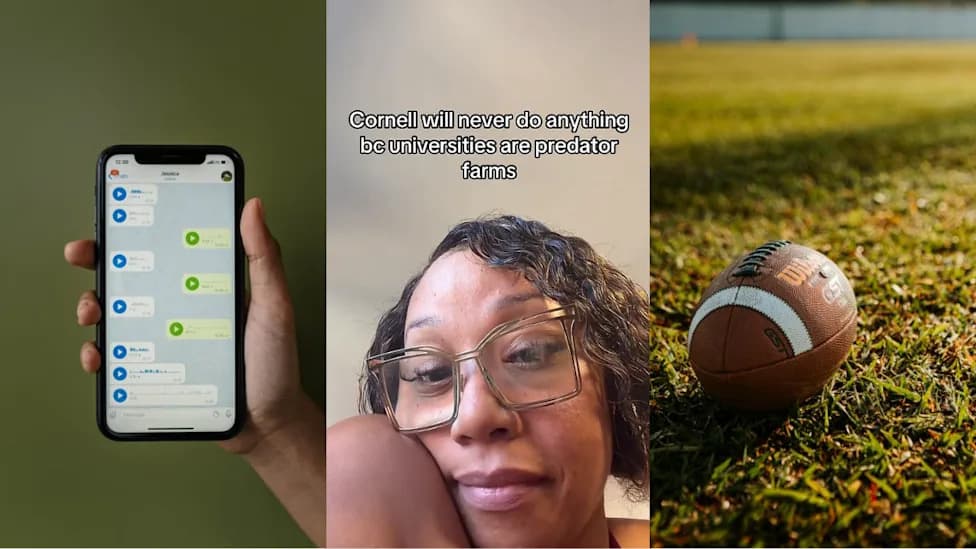
The suit includes an alleged Snapchat group-chat screenshot showing a message at 1:41 a.m. suggesting she was available for sex. Jane Doe's complaint alleges multiple fraternity members then arrived and assaulted her over several hours, and that some poured lines of ketamine on her body and snorted them. The alleged assault ended around 5:45 a.m., after which she lost consciousness and later returned to her sorority house "in a state of shock," per the complaint.
Immediate Aftermath
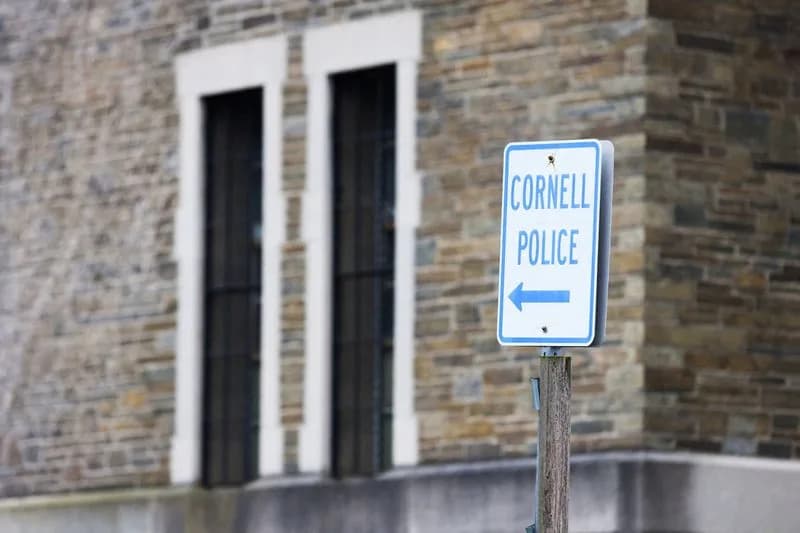
Jane Doe sought medical care at Cornell Health for a urinary tract infection and requested STI testing, telling clinicians she had contracted it "in a traumatic way," according to reporting. She also reported the incident to Cornell campus police and gave sworn statements and interviews in which she said she had been raped and described feeling coerced and extremely intoxicated.
Cornell's Title IX Process and Internal Response
Cornell launched a Title IX investigation, holding what the complaint describes as at least 12 hearings during a four-week period in May. The university prepared a 99-page report that cited Jane Doe's description of feeling "like bait" and "like lions around me." Cornell says its hearing panel issued a range of sanctions, including expulsions and suspensions, and the university formed a Presidential Task Force on Campus Sexual Assault that later released recommendations for prevention, education and improved resources.
Civil Lawsuit and Public Reaction
Jane Doe filed a civil complaint in New York State Supreme Court naming Cornell University; seven members of Chi Phi; the fraternity and sorority house chapters; and the owners of Moonies Bar & Nightclub. Lawyers for two men named in the suit have denied participating in a sexual assault, according to the Associated Press.
Criminal Investigation and State Intervention
Tompkins County District Attorney Matthew Van Houten initially declined to prosecute after the 2024 report, saying the facts then available did not support charges. In response to the civil filing and public scrutiny, Van Houten announced his office had reopened the criminal investigation. Governor Hochul said she had lost confidence in the DA and signed an executive order appointing New York Attorney General Letitia James as special prosecutor to oversee the case.
Special Prosecutor
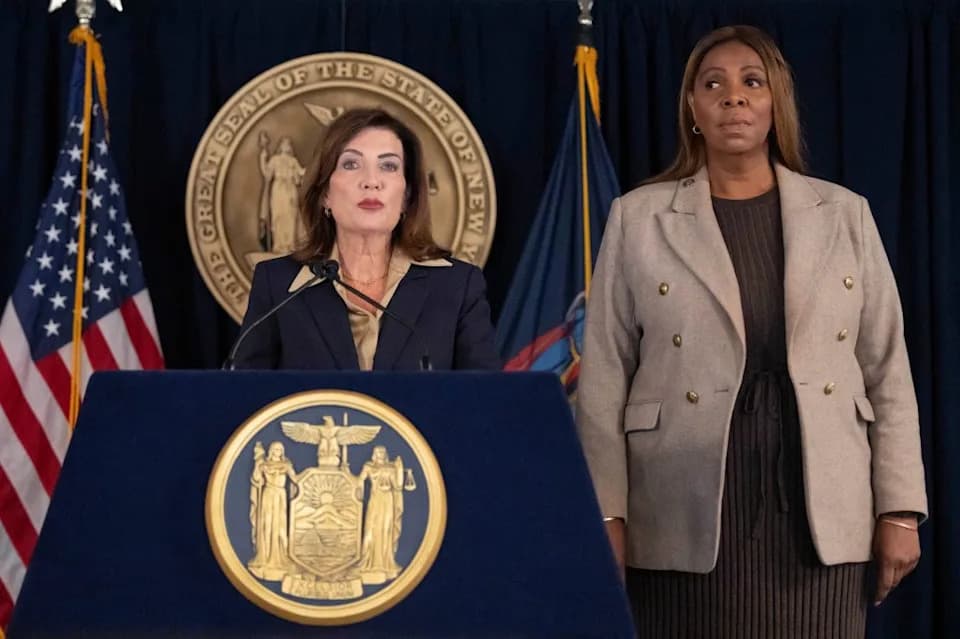
At a joint news conference, Gov. Hochul said the student had been "failed" by those obligated to protect her, and AG Letitia James confirmed the matter is "an active criminal investigation." James' office stated it will review evidence, gather and evaluate records, interview witnesses and pursue criminal charges if warranted.
Context and Ongoing Questions
The case has sparked public debate about campus drinking culture, fraternity practices, the handling of sexual-assault allegations by university disciplinary processes, and local prosecutors' decision-making. The civil lawsuit, Cornell's internal reviews, and the AG's criminal inquiry remain separate and ongoing legal avenues.
Help us improve.