Republicans are intensifying their midterm campaign by sending President Trump and Vice President JD Vance into formerly safe states, reserving more than $130 million in late-stage advertising and adopting new turnout strategies. Polling shows mixed voter views of Trump, prompting some GOP candidates to distance themselves on local issues like data centers. Economic concerns—especially gasoline prices—and an unfunded $5,000 dividend pledge complicate the party's message as both chambers of Congress remain in contention.
Seven Signs Republicans Are Treating the Midterms as a Tighter Fight Than Expected
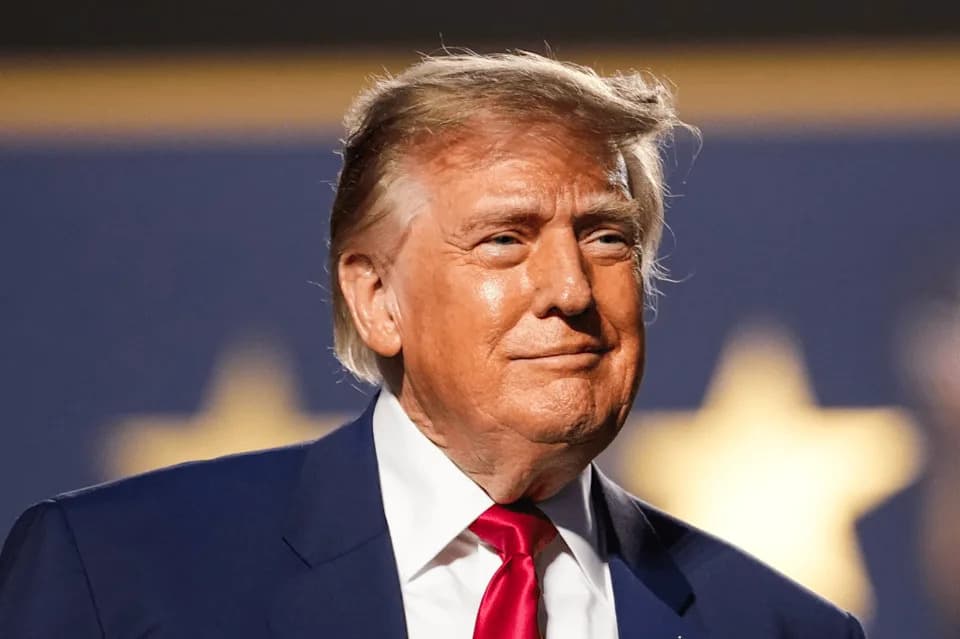
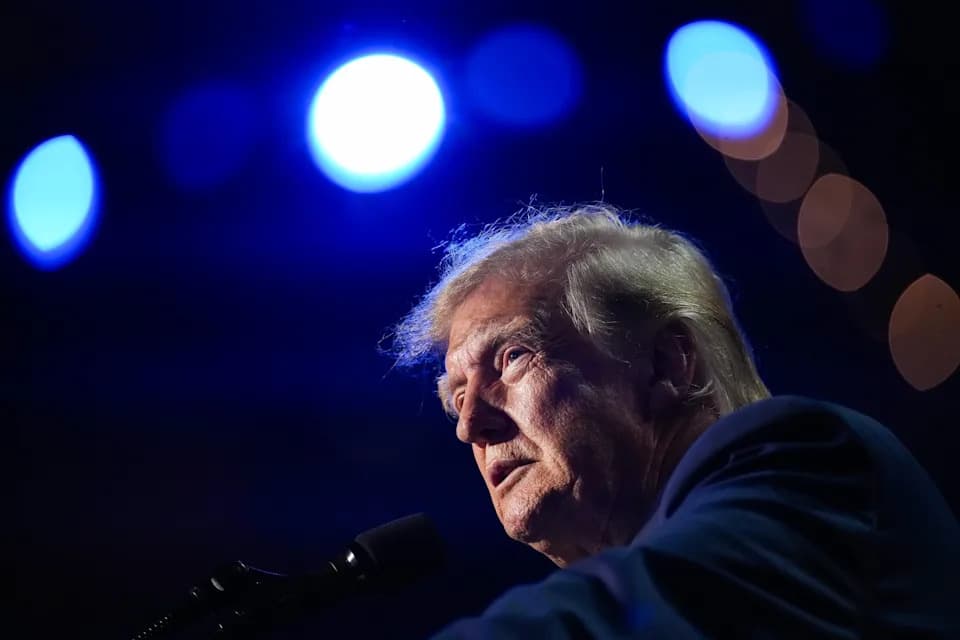
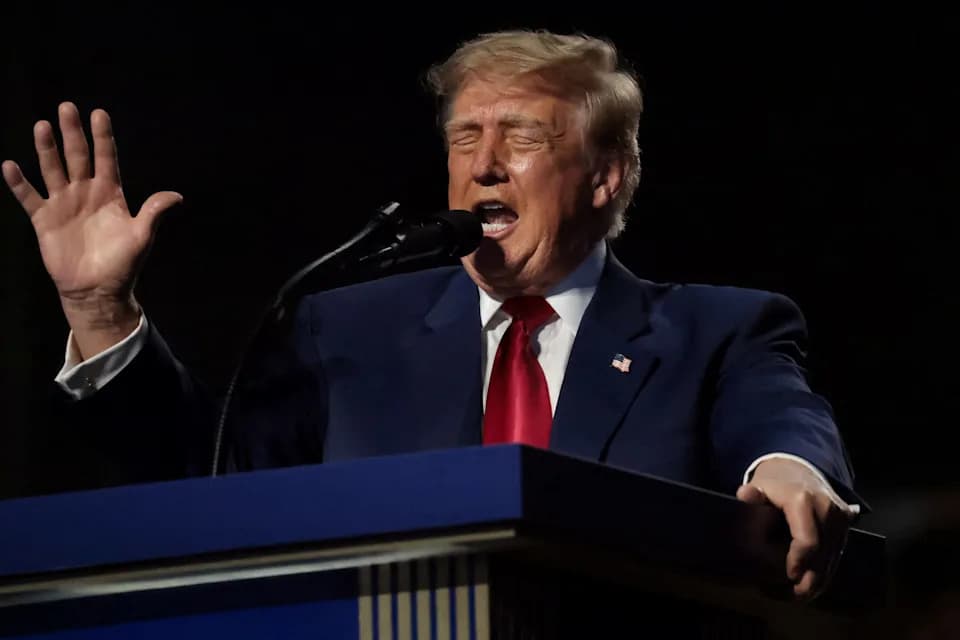
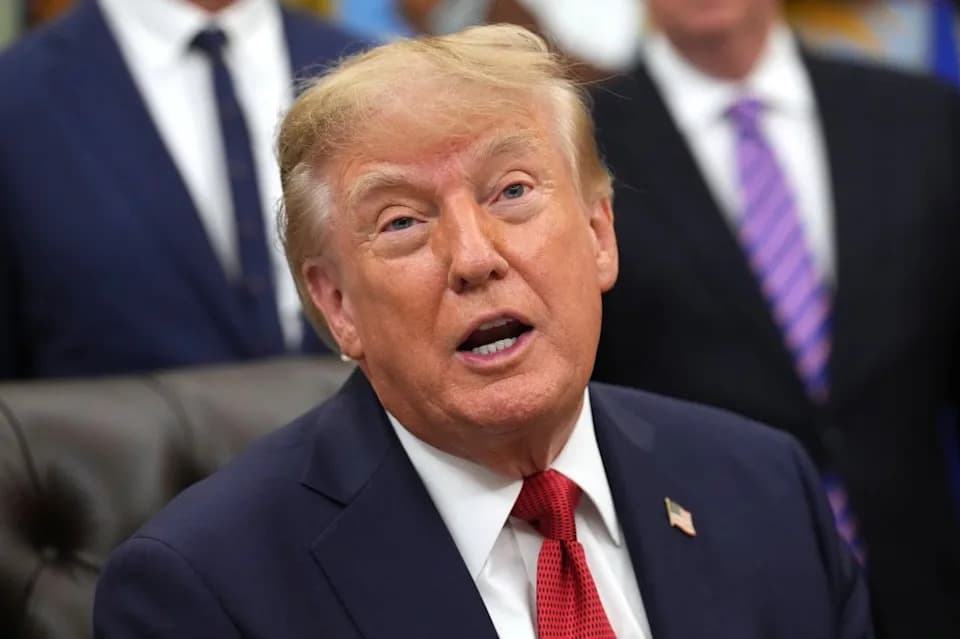
Donald Trump takes the stage to speak on the second day of the 2026 Republican National Convention at the American Airlines Center on September 10, 2026, in Dallas, Texas.
Republicans have ramped up their midterm effort, dispatching President Donald Trump and Vice President JD Vance to contests once considered safe, reserving more than $130 million in late-stage advertising, and rolling out new turnout strategies as polls point to a competitive battle for control of Congress.
With both chambers potentially in play, GOP leaders appear to be treating historically favorable ground with less confidence. No single move proves the party expects defeat, but seven recent developments together show Republicans devoting money, star power and sharper messaging to defend their majorities in Washington.
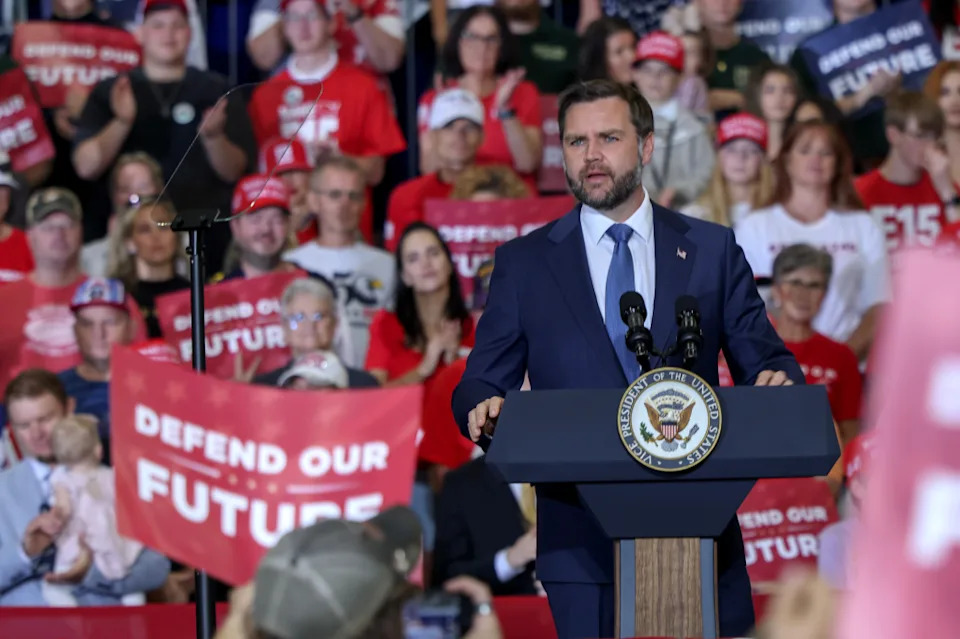
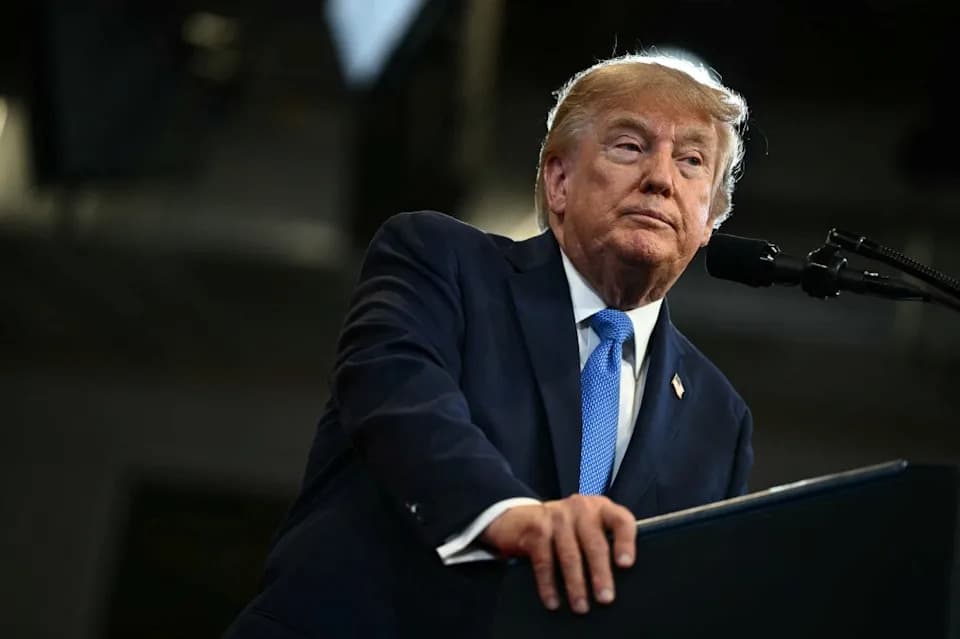
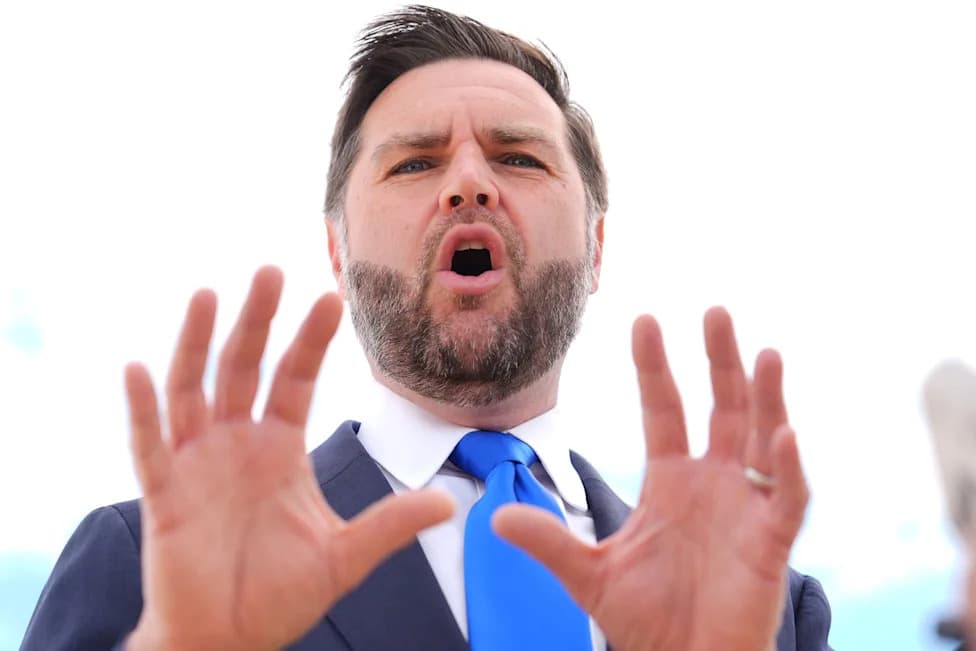
JD Vance speaks during a Republican National Committee's Midterm Rally at the Mid-America Center on September 18, 2026, in Council Bluffs, Iowa.
Seven Signs the GOP Is Intensifying Its Midterm Push
1. High-Profile Campaigning in Traditionally Safe States
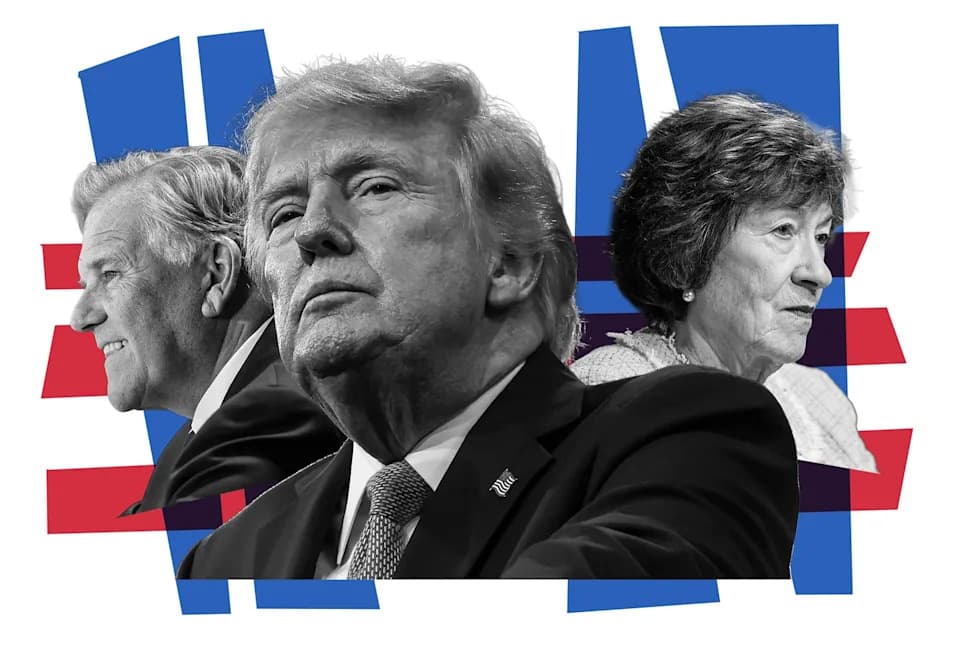
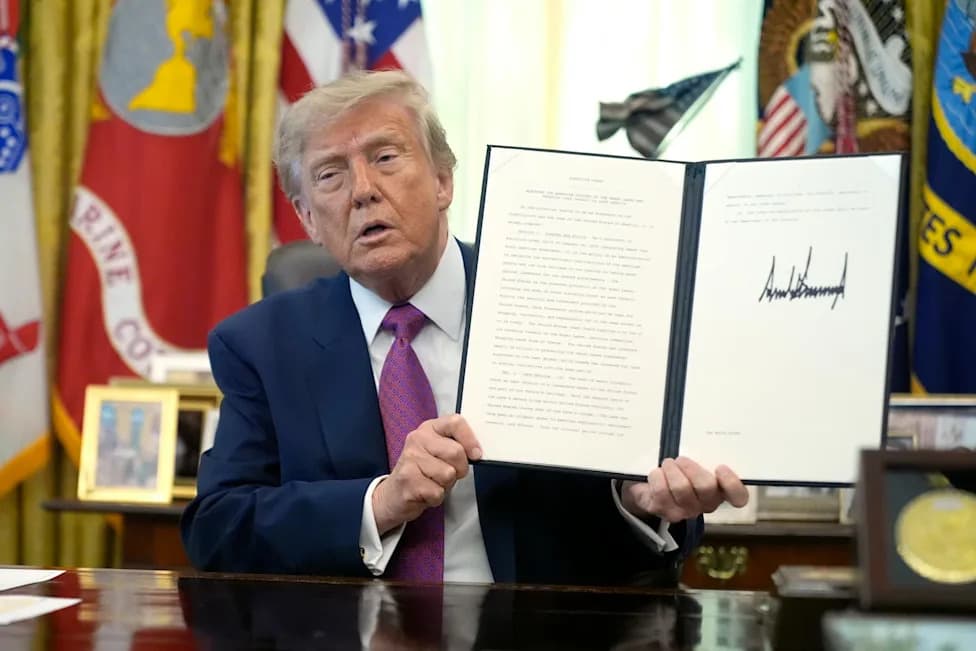
President Trump and Vice President Vance have campaigned in states Republicans carried in 2024 but that are now competitive. Trump traveled to North Carolina to support Senate nominee Michael Whatley, and Vance campaigned in Kansas for Senator Roger Marshall and appeared at an RNC midterm rally in Iowa—moves that signal party leaders are not taking formerly secure seats for granted.
2. Large Late-Stage Ad Reservations
Outside groups aligned with Trump have reserved more than $130 million in advertising for the closing weeks of the campaign, according to AdImpact figures reported by the Associated Press. No Going Back reportedly reserved over $98.5 million, the Safety and Affordability PAC committed $27 million, and MAGA Inc. set aside roughly $11 million—spending concentrated in vulnerable House and Senate contests.
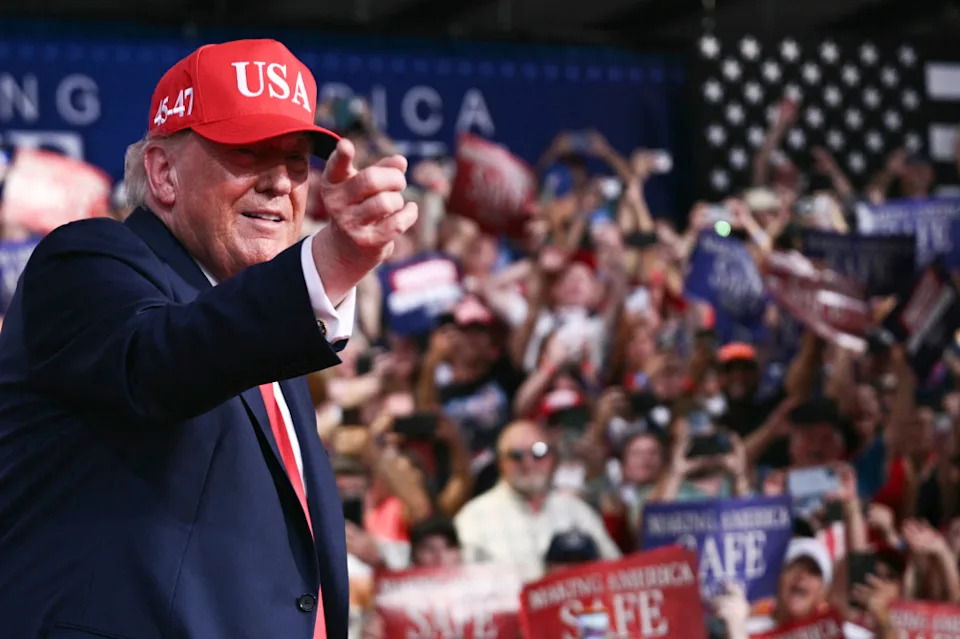
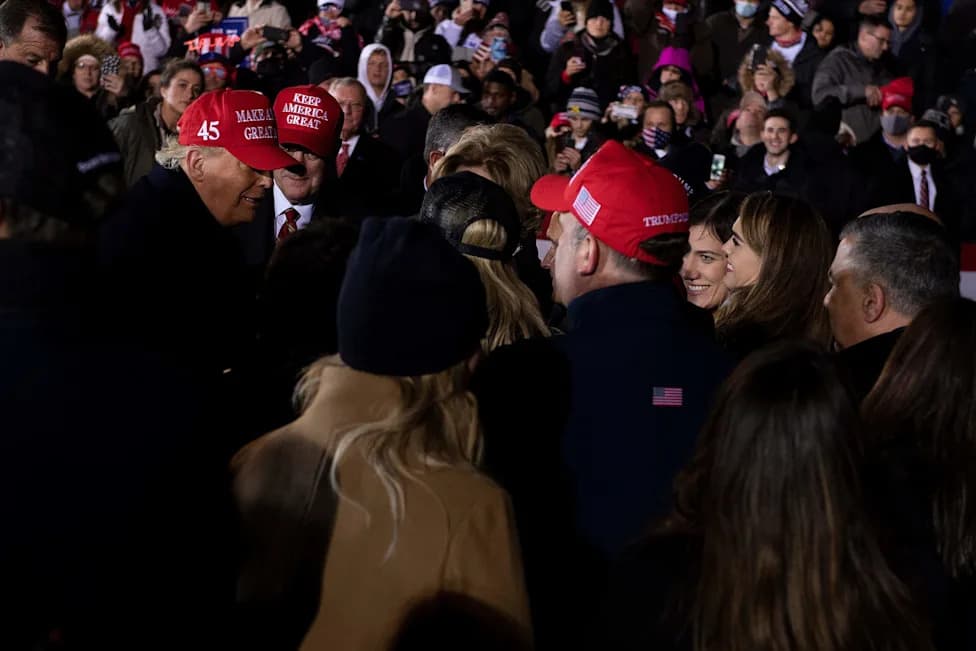
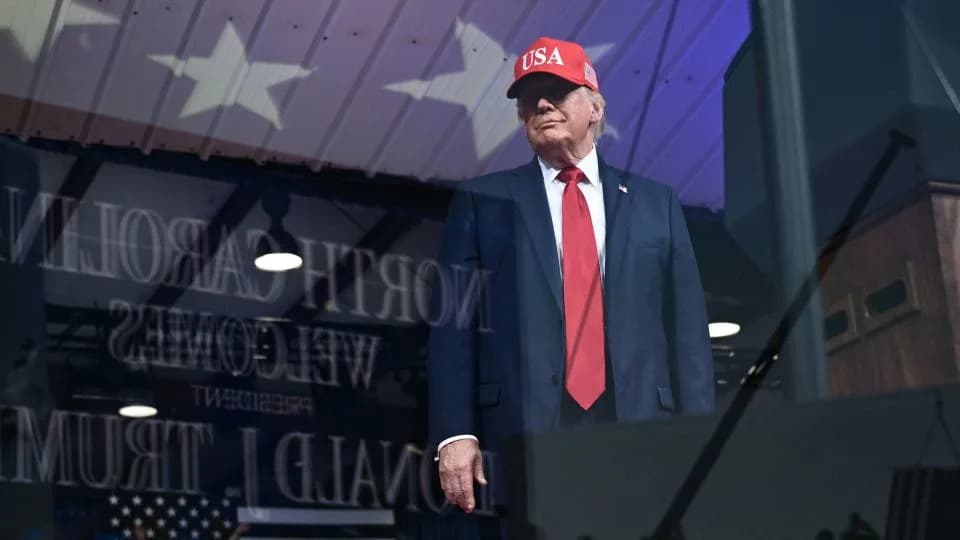
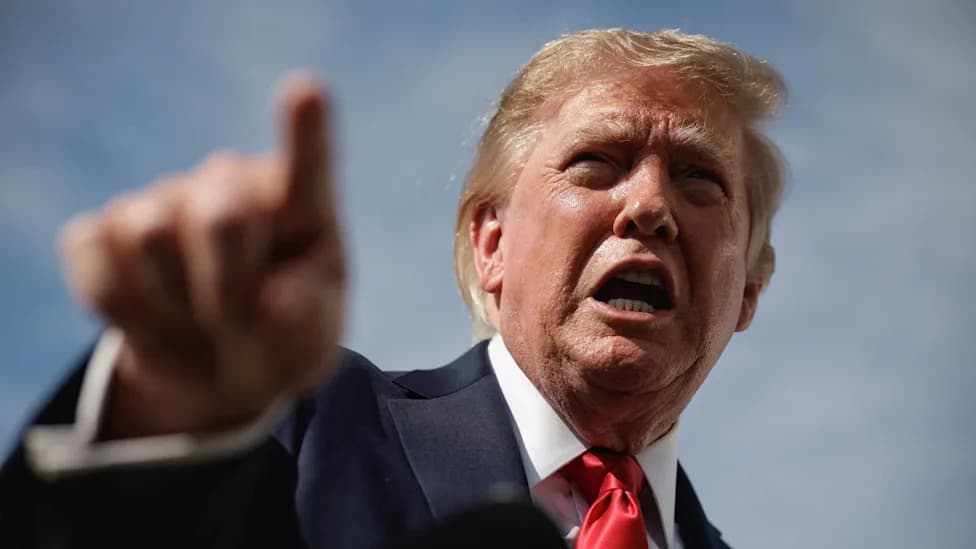
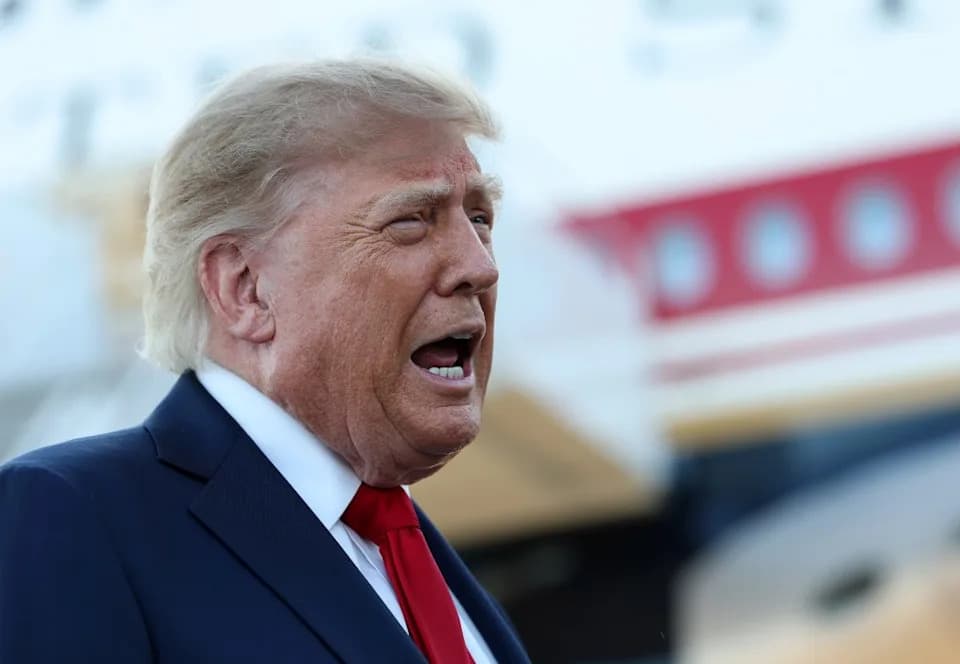
Donald Trump arrives to speak at a rally at Gastonia Municipal Airport in Gastonia, North Carolina, on September 16, 2026. Trump is campaigning for Republican US Senate candidate Michael Whatley.
3. RNC Says It Has a Record War Chest and New Turnout Plans
RNC national press secretary Natalie Baldassarre said the party has built a record campaign fund, held its first midterm convention and adopted new voter-turnout strategies to meet the historic challenges of midterm elections. "The stakes this November couldn't be higher, and Republicans are doing whatever it takes to protect and expand our majorities," she said in an emailed statement.
4. Polling Shows Mixed Voter Attitudes Toward Trump
Recent polling reveals tension over whether the midterms should be treated as a referendum on Trump. A survey of 2,460 U.S. adults (Sept. 8–11) found 45 percent of likely voters said their congressional vote would be a rejection of Trump, while 28 percent said it would be support. The same poll suggested Trump's endorsement made 48 percent of respondents less likely to back a candidate and 21 percent more likely—highlighting the endorsement trade-off candidates face.
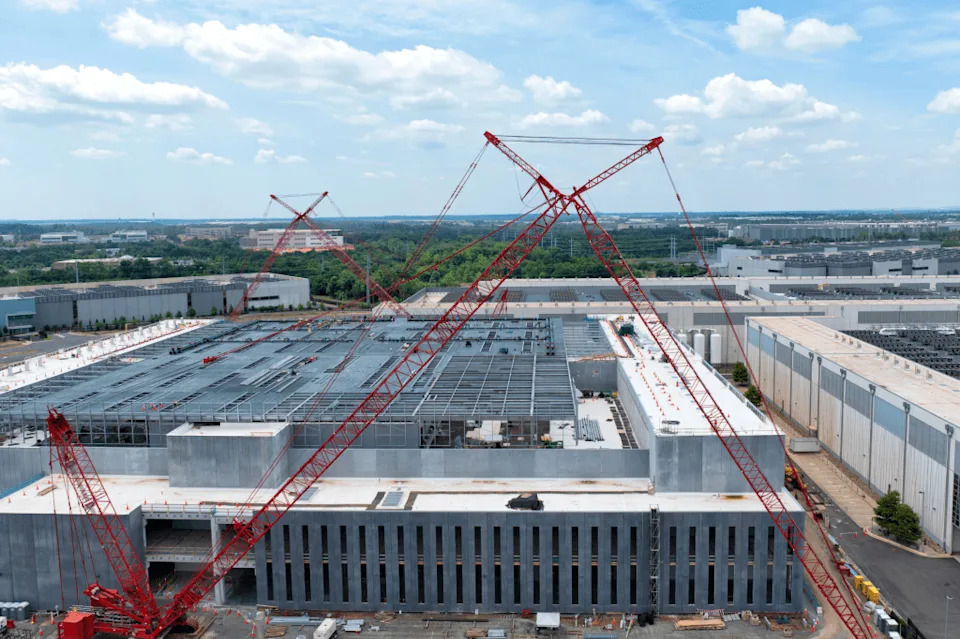
Stock image: a data center under construction in Ashburn, Virginia, in 2024
5. Candidates Splitting From the White House on Local Issues
Republican candidates in Ohio, Michigan and Texas have backed restrictions on new data centers despite White House enthusiasm for such facilities. Public opposition appears broad: a University of Massachusetts Amherst poll (Aug. 21–26) found 65 percent opposed building an AI data center in their community, including 52 percent of Republicans. A separate survey showed 54 percent of likely voters preferred a candidate who opposed local data-center construction.
6. Economic Vulnerabilities: Gas Prices and Inflation
Economic messaging has become a liability. President Trump has said higher gasoline costs are an expected consequence of actions against Iran and has predicted prices will fall, but drivers have not yet seen that relief. A CBS News poll found 73 percent disapproved of Trump's handling of inflation, while large majorities linked the Iran conflict to higher fuel costs—an immediate pocketbook issue for many voters.
7. The $5,000 Dividend Promise Lacks a Clear Funding Plan
Trump has promised a $5,000 "dividend" to every adult U.S. citizen if Republicans retain both chambers, but officials have not provided a detailed legislative or funding blueprint. Paying roughly 245 million adults $5,000 each would cost about $1.22 trillion; tariff revenue has fallen well short of that amount, and any payout would require congressional authorization and appropriation. A Washington Post analysis of social media activity finds many GOP candidates are not amplifying the payout proposal, suggesting caution about making it central to campaigns.
Taken together, these developments—high-profile visits, concentrated ad buys, new turnout plans, mixed polling, local policy splits, economic vulnerabilities and an unfunded major promise—paint a picture of a party marshaling resources and recalibrating strategy to defend narrow Congressional majorities.
Reporting note: Statements from the RNC and the White House were provided to Newsweek. Polling and ad-spend figures are drawn from surveys and reporting cited in the original coverage.
Help us improve.