Republicans remain within striking distance of flipping seven Democratic-held contests in the 2026 midterms — four U.S. Senate seats and three governorships — even as President Donald Trump's approval ratings sit near historic lows and the national environment favors Democrats.
National Picture
Recent polling shows Democrats holding a sizeable advantage on the generic congressional ballot, driven in part by weak approval of the president and ongoing voter concerns about the economy and household affordability. A YouGov/The Economist survey of 1,003 likely voters taken Sept. 25–28 found Democrats ahead by 15 points (53%–38%). RealClearPolitics' average showed an 8.3-point Democratic edge as of Friday — close to the 8.6-point margin Democrats posted on the generic ballot in 2018.
Trump's net approval in the YouGov poll was -26 points (36% approve, 62% disapprove). Just 27% of respondents said the country was moving in the right direction, and only 23% rated the economy as "excellent" or "good." Rising gas prices — averaging $4.396 per gallon nationally on Friday — have added to voters' cost-of-living concerns and become a midterm campaign focal point.
Why These Races Matter
Republicans currently hold a 53–47 Senate majority; Democrats need a net gain of four seats to reclaim control. If the GOP flips any of the competitive Democratic-held seats, Democrats' path to a majority would narrow, forcing them to contest more conservative states to make up the difference.
Key Senate Battlegrounds
Four Democratic-held Senate seats are especially competitive:
- Georgia: Senator Jon Ossoff (D) leads Rep. Mike Collins (R) in recent polls. The Cook Political Report lists the race as Likely Democratic, but Georgia's narrow 2024 margin and shifting suburbs make it a continued battleground.
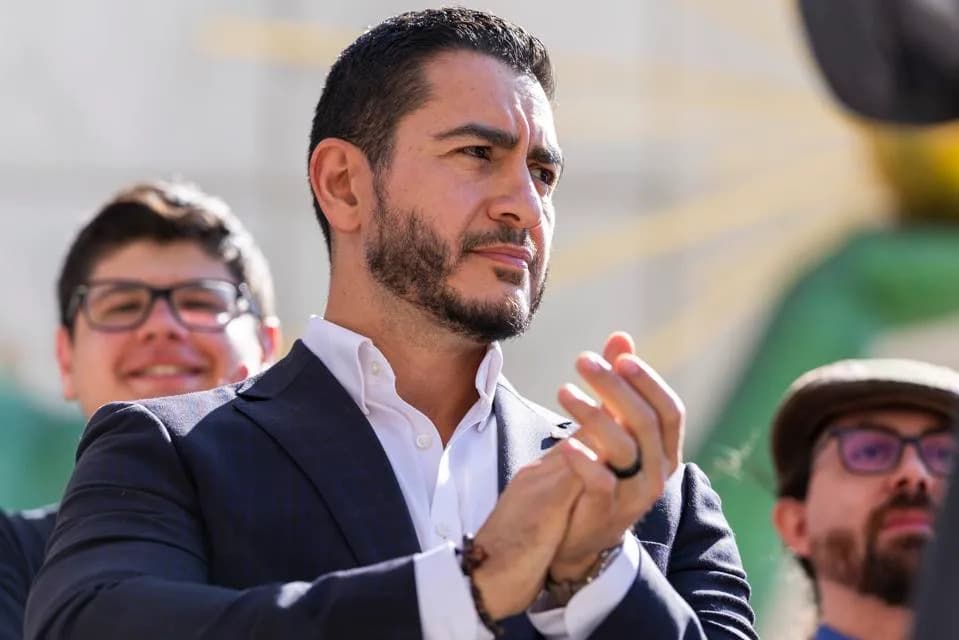
- Michigan: Democrat Abdul El-Sayed faces Republican Mike Rogers for the open seat left by retiring Sen. Gary Peters. Polls show a close contest (Fox News: El-Sayed +1; Marist: El-Sayed +7); Cook rates it a toss-up.
- Minnesota: Democratic Lt. Gov. Peggy Flanagan and Republican Michele Tafoya have been neck-and-neck in limited polling. Minnesota leans Democratic but local controversies and candidate dynamics keep the race competitive; Cook lists it as Likely Democratic.
- New Hampshire: With Sen. Jeanne Shaheen retiring, Rep. Chris Pappas (D) and former Sen. John Sununu (R) are in a tight race. Recent polls show Pappas with modest leads, but Cook has shifted the contest into toss-up territory.
Competitive Governor Races
Three Democratic-held gubernatorial contests also look vulnerable:
- Kansas: Term-limited Gov. Laura Kelly's seat is open. Republican Ty Masterson leads Democrat Cindy Holscher in some polls; Cook classifies this race as Lean Republican.
- Oregon: Incumbent Gov. Tina Kotek faces Republican Christine Drazan. Despite Oregon's Democratic lean, recent surveys show a tight race and Cook moved the contest from Likely to Lean Democratic.
- Wisconsin: With Gov. Tony Evers not seeking another term, Republican Rep. Tom Tiffany faces Milwaukee County Executive David Crowley. Fundraising and close polling make this a toss-up in many ratings.
Local Dynamics Can Defy National Trends
While national polling provides a backdrop, state-level factors — candidate quality, local issues (economy, education, corruption probes), fundraising and turnout — often determine outcomes. Recent midterms have produced notable outliers: Democrats flipped Senate and gubernatorial seats in states where national trends appeared unfavorable, and Republicans have held or gained ground in cycles that otherwise favored Democrats.
Bottom line: Democrats hold a national polling advantage driven by low presidential approval and economic concerns, but a handful of narrowly divided states and competitive local dynamics leave seven Democratic seats realistic targets for the GOP in 2026.
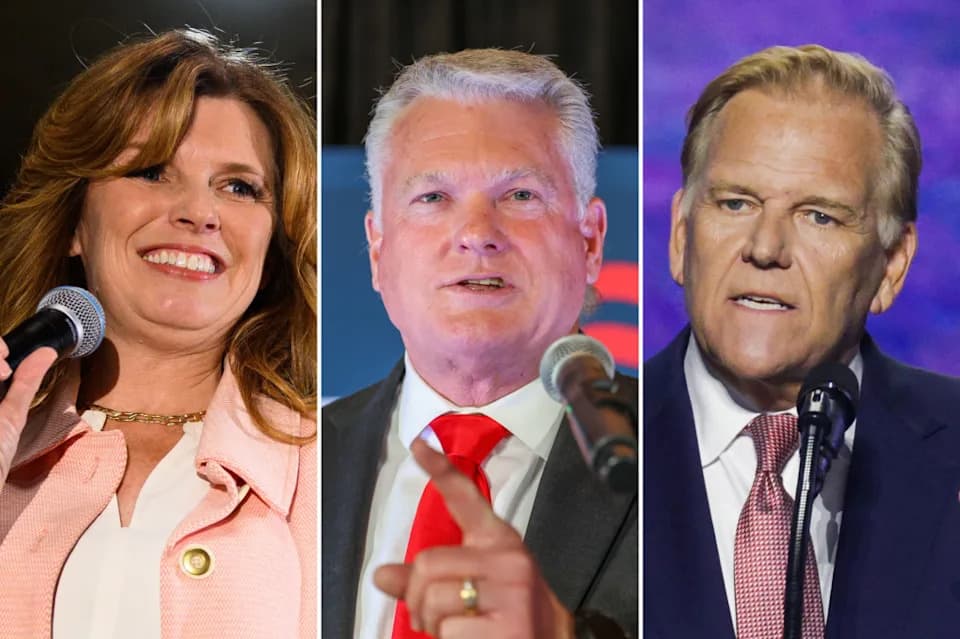
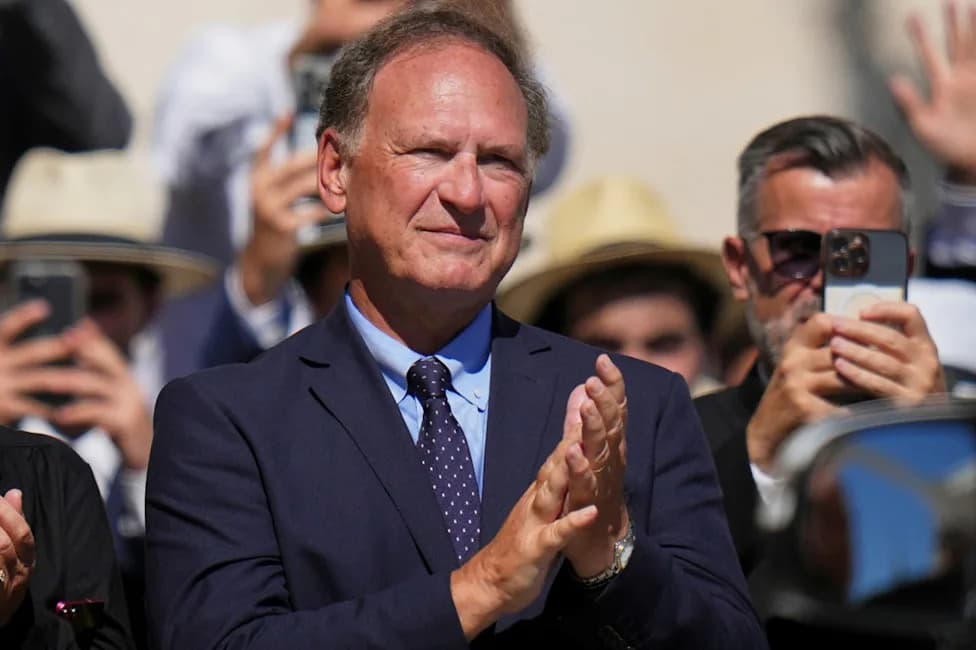
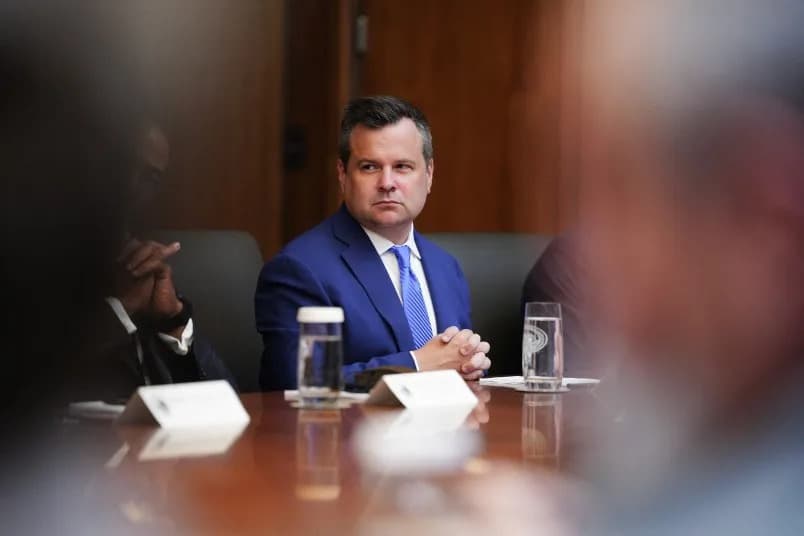
Photo captions: Christine Drazan speaks in Aurora, Oregon (Oct. 18, 2022); Mike Collins speaks in Jackson, Georgia (May 19, 2026); Mike Rogers at the 2026 Republican National Convention (Sept. 10, 2026).