With five weeks until Election Day, Democrats are confident about picking up seats, but New Hampshire's tight Senate race exposes risks: a Republican ad-spending advantage, fundraising shortfalls for Democrats and an unpopular Democratic brand. AdImpact data shows Republicans outspending Democrats $1.63B to $1.19B nationwide in the fall ad window, with notable gaps in Texas, Ohio and Florida. Local Democrats say delayed national investment helped Republican John E. Sununu gain ground against Chris Pappas in a race critical to Senate control.
New Hampshire Could Curb Democrats' 'Blue Wave': Spending Edge, Weak Brand Threaten Key Senate Race

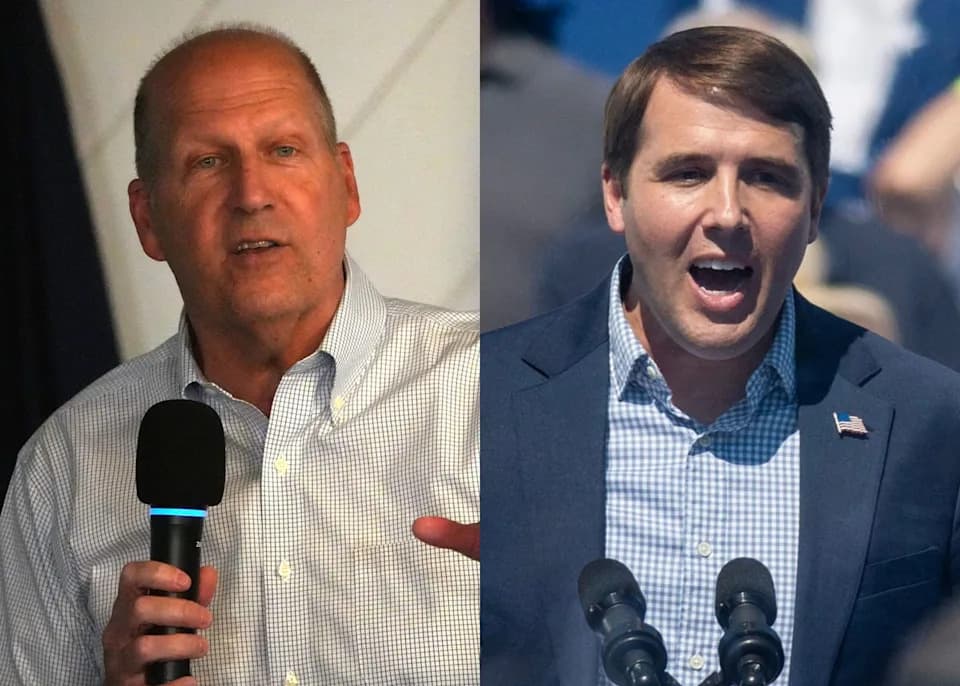
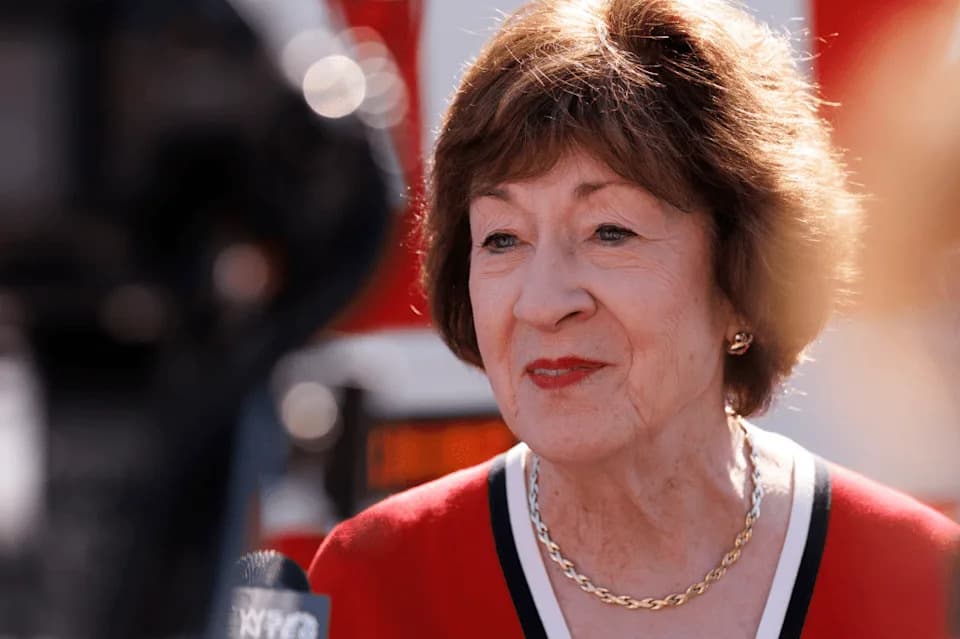
Rep. Chris Pappas, a Democratic candidate for U.S. Senate, speaks to reporters Tuesday, Sept. 29, 2026, in Salem, N.H. (AP Photo/Robert F. Bukaty)(AP Photo/Robert F. Bukaty)
HUDSON, N.H. — With five weeks to go until Election Day, Democrats are upbeat about their chances to regain the House and possibly the Senate. But the competitive Senate race in New Hampshire highlights vulnerabilities — a Republican advertising advantage, fundraising shortfalls for Democrats and lingering concerns about the party's message — that could blunt the national momentum Democrats expect.
Money, Brand And A Close Contest
Buoyed by President Donald Trump’s weak approval ratings, Democrats have expanded their map into GOP territory from Texas and Florida to unexpectedly competitive contests in Kansas and Mississippi. Party strategists forecast gains up and down the ballot, yet local leaders warn that optimism may be outpacing reality.
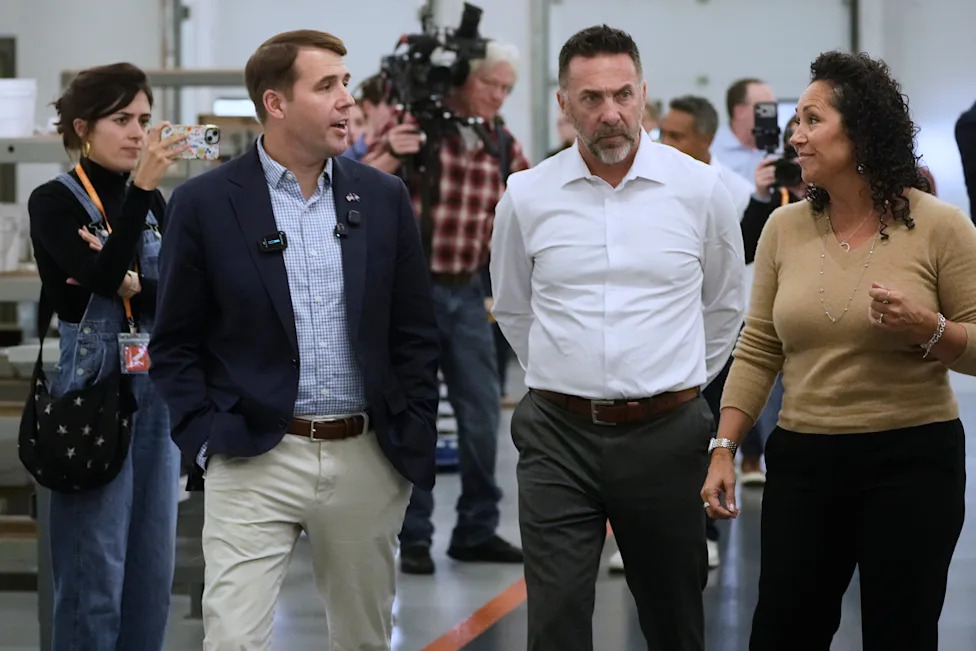
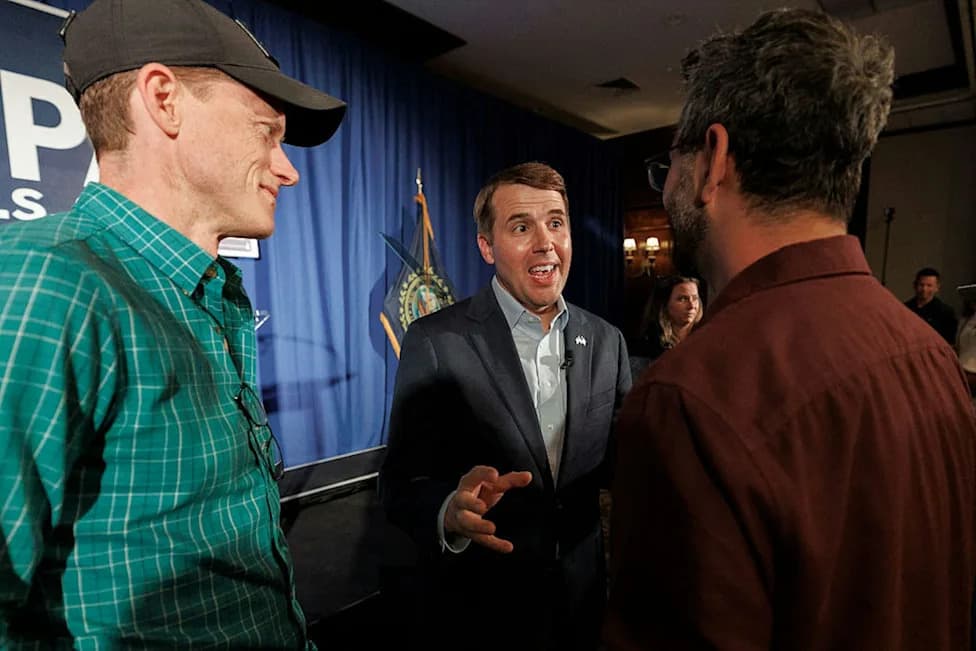
Rep. Chris Pappas, a Democratic candidate for U.S. Senate, left, speaks to Aaron Bagshaw and Adria Bagshaw at the WH Bagshaw company, Tuesday, Sept. 29, 2026, in Salem, N.H. (AP Photo/Robert F. Bukaty)(AP Photo/Robert F. Bukaty)
New Hampshire has emerged as Exhibit A. State Democratic Chairman Ray Buckley and other local officials say national Democrats were too quick to reallocate resources elsewhere, treating the Granite State as a secure hold — a mistake they now worry could cost the party a crucial Senate seat.
"There is reason for concern," Buckley said. "We don't want to let this one slip away because they were sending resources to some other unicorns — some other state that's just not possible."
Advertising And Fundraising Gaps
Data from AdImpact through Monday show Republicans spending $1.63 billion on campaign advertising between Sept. 1 and Election Day, compared with $1.19 billion for Democrats — roughly a 40% advantage for the GOP nationwide. The gap is wider in several competitive states: Texas ($262.4M GOP vs. $76.9M Dems), Ohio ($258.8M vs. $160.4M) and Florida ($99.3M vs. $47.9M). In New Hampshire, Republicans outspent Democrats $41.2 million to $35.4 million in the same window.
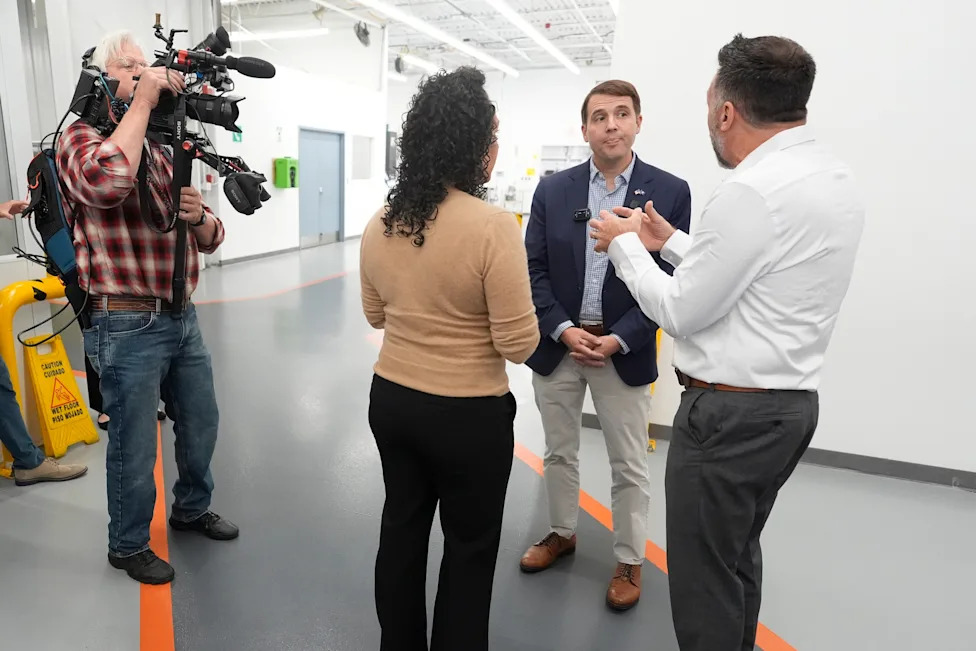
Rep. Chris Pappas, a Democratic candidate for U.S. Senate, listens to Aaron Bagshaw at the WH Bagshaw company, Tuesday, Sept. 29, 2026, in Salem, N.H. (AP Photo/Robert F. Bukaty)(AP Photo/Robert F. Bukaty)
Democrat Chris Pappas, campaigning for the open U.S. Senate seat, acknowledged the Republican spending edge and urged his national party to keep New Hampshire a priority. "The majority won't be flipped if we don't hold this seat in New Hampshire, so it's really critical to the overall map," he said.
Brand Perception And Internal Divisions
Polling suggests the Democrats' brand remains vulnerable. A September Fox News poll found 55% of voters view Democrats unfavorably (58% said the same of Republicans), and a New York Times/Siena poll showed about half of registered voters consider the Democratic Party "too far to the left." Internal surveys also point to partisan divisions: roughly 6 in 10 Democrats say their party is divided, while a larger share of Republicans describe the GOP as united.
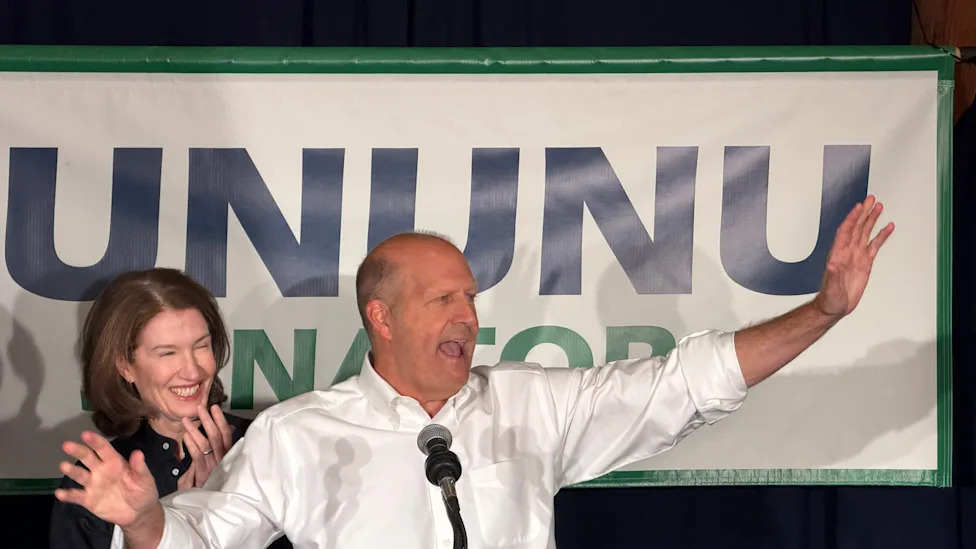
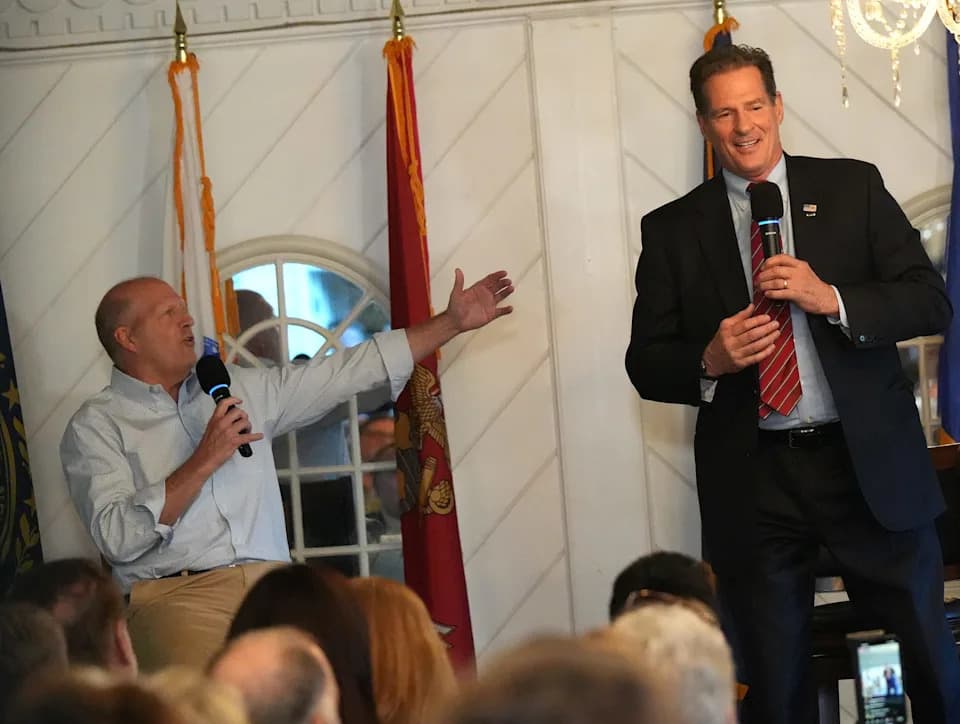
Republican U.S. Senate nominee John E. Sununu gesturing while addressing supporters in Manchester, N.H., on Tuesday, Sept. 8, 2026, shortly after winning his party's primary election. (AP Photo/Rodrique Ngowi)(AP Photo/Rodrique Ngowi)
Some Democrats argue that voter anger at Republican policies and President Trump will overcome these weaknesses. Democratic pollster John Anzalone said, "It's nothing we're doing. We're winning because they're losing," adding that much of the country is competitive this cycle. Still, local operatives caution that negative national polling and slower fundraising could make close races — like New Hampshire's — swing the other way.
Voices From The Ground
At a campaign stop in Nashua, Pappas met small-business owners who say economic uncertainty — including tariffs — has influenced their views. Amber Morgan, who owns Fortin Gage Flowers, described the party as lacking a clear identity beyond opposition to Trump: "For so long the message has just been, 'We're not Trump,' and we've had a bit of an identity crisis in terms of what we actually stand for," she said.
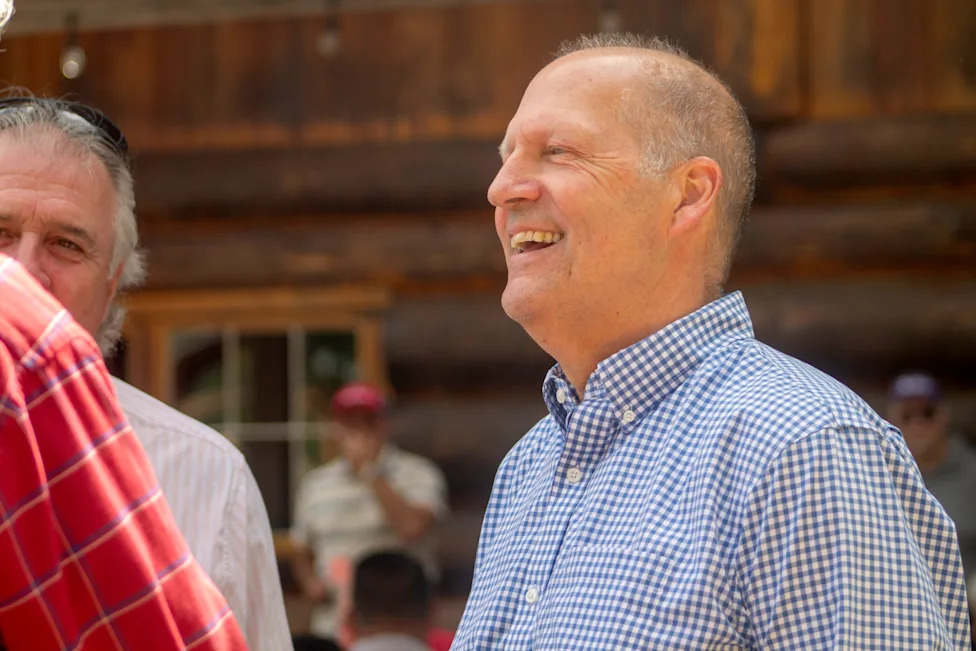
Former Sen. John E. Sununu, who is running for his old seat nearly 18 years after being ousted, mingles with voters at the Coos County Republican Committee BBQ in Berlin, N.H., Saturday, Aug. 22, 2026. (AP Photo/Holly Ramer)(AP Photo/Holly Ramer)
Local Democrats say the late national investment allowed former Sen. John E. Sununu, the Republican challenger, to gain traction with redirected funds. As Steve Marchand, a Democratic consultant and former gubernatorial candidate, put it, national Democrats treated New Hampshire like a "fait accompli," which left the field more competitive than expected.
Other Granite State voters say Pappas is finding messages that resonate on costs and inflation, but the race remains tight — and emblematic of the broader balancing act Democrats face between optimism and hard, last‑minute campaigning.
— Associated Press reports contributed to this story.
Help us improve.