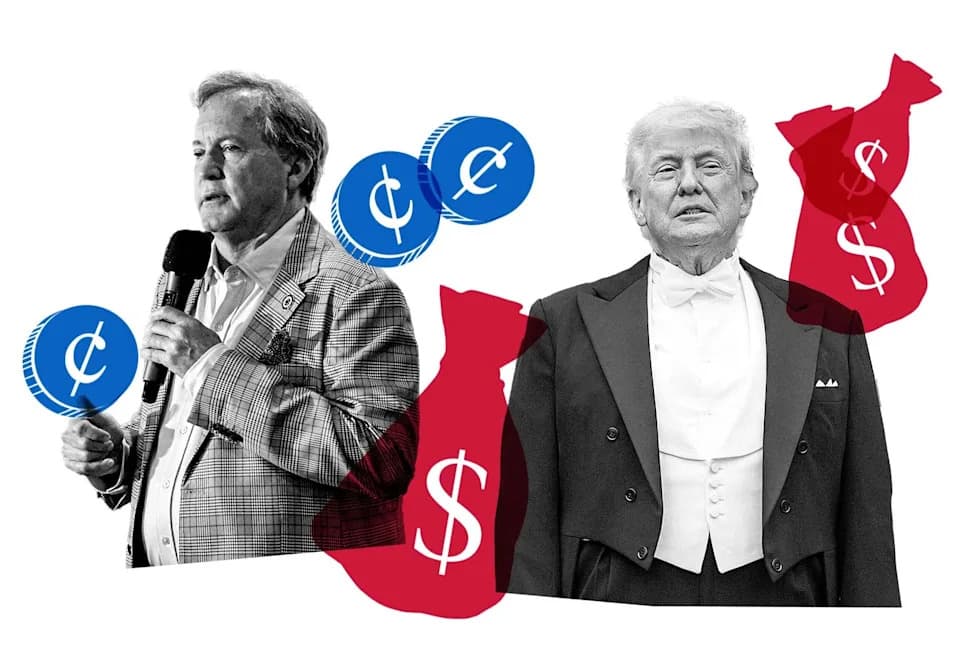
The Supreme Court's June 30 ruling that struck down federal caps on coordinated party spending has triggered a sharp rise in GOP coordinated ad buys ahead of the November midterms. FEC filings show Republican committees exceeded former national caps by over $48 million in July and August, while Democrats exceeded them by just under $4 million. The NRSC and NRCC deployed nearly $56 million in coordinated spending in that period, and restored FCC "lowest unit charge" discounts could make party ads 3–13 times cheaper.
GOP Floods Battleground Races With Coordinated Ad Buys After Supreme Court Strikes Down Spending Caps

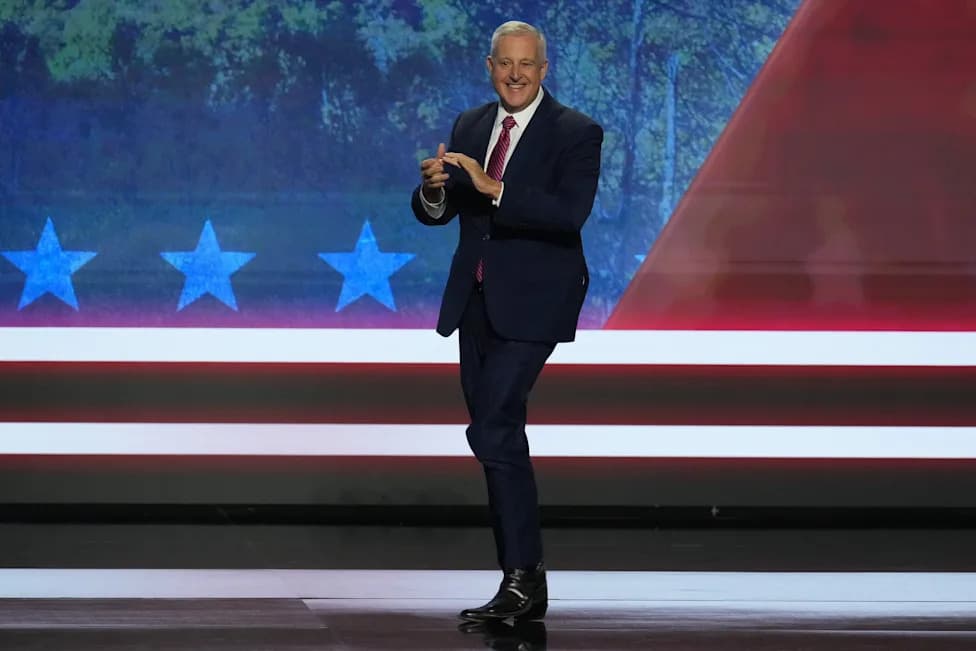
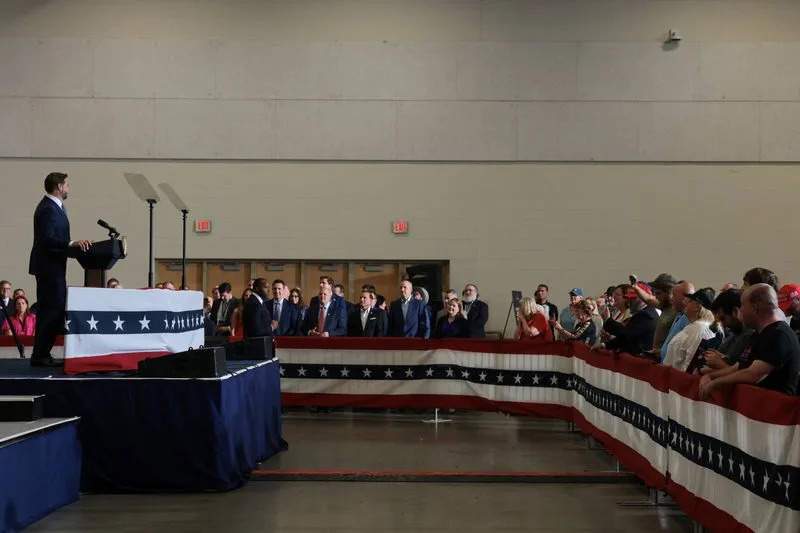
Republican US Senate candidate Michael Whatley applauds as US Vice President JD Vance speaks during a rally at the Koury Convention Center in Greensboro, North Carolina, on September 21, 2026. KENT NISHIMURA/Pool via REUTERS
WASHINGTON, Sept 24 (Reuters) - After the U.S. Supreme Court in June struck down federal limits on coordinated spending by political parties and candidates, Republican committees sharply increased coordinated ad buys as the party fights to retain control of Congress in November's midterm elections.
Federal Election Commission disclosures for July and August show national Republican party committees exceeded the former coordinated-spending caps by more than $48 million, while Democratic committees surpassed the prior limits by just under $4 million. Political strategists say Republicans have used the change to close fundraising gaps in key races where individual Democratic nominees had outraised their GOP opponents.
Rapid Shift In Party Spending
“The political parties anticipated that the court was likely to strike down the limits on coordinated party spending and had been planning in advance for that outcome. That's particularly true on the Republican side,” said Richard Pildes, a campaign finance expert and professor at New York University School of Law.
“The parties get a much bigger bang for their buck on broadcast ads when they engage in coordinated spending with their candidates, rather than independent spending.”
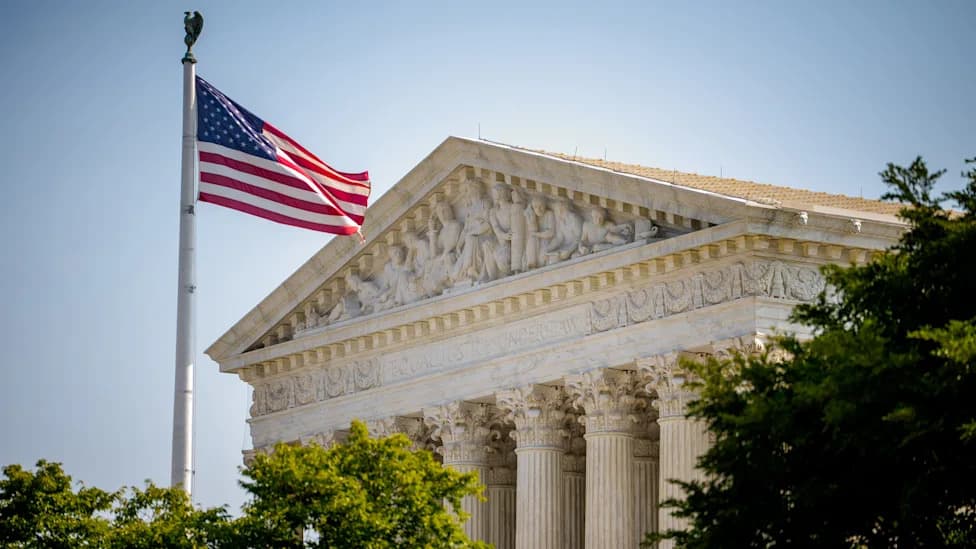
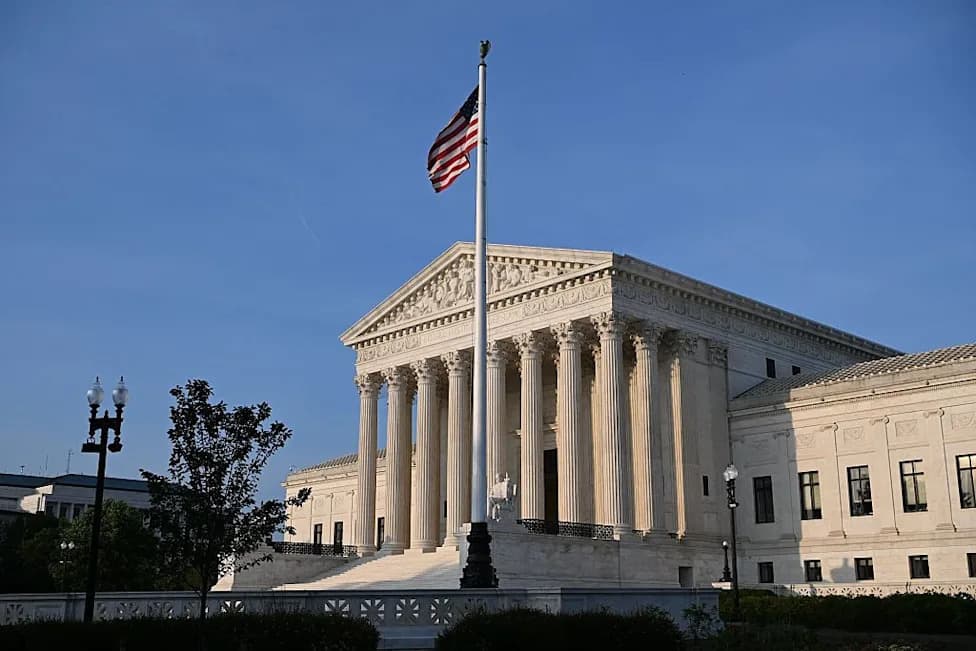
The coordinated-spending limits dated to the Federal Election Campaign Act of 1971 and were intended to curb corruption risks. On June 30, the Supreme Court, in a 6-3 decision led by its conservative majority, found those limits violated the First Amendment and removed the caps on coordinated party expenditures.
In the two months after the ruling, the National Republican Senatorial Committee (NRSC) and the National Republican Congressional Committee (NRCC) together deployed nearly $56 million in coordinated spending across Senate and House contests; their Democratic counterparts reported about $6 million in such spending over the same period. Republican coordinated outlays in July and August were more than four times what these committees spent in the same months during the 2022 midterms.
US Vice President JD Vance speaks during a Republican National Committee’s Midterm Rally at the Mid-America Center, in Council Bluffs, Iowa, US, September 18, 2026. Anna Moneymaker/Pool via REUTERS
Where The Money Went
The NRSC — which was a petitioner in the court case — made coordinated expenditures in July and August for Republican contenders in nine Senate races, exceeding the former national caps in each contest by a combined roughly $42 million. About $11 million of the committee's spending went to Ohio to support incumbent Republican Senator Jon Husted, whose campaign committees had spent about $4.9 million in the first 18 months of the race according to FEC filings. The NRSC also exceeded the prior cap by nearly $7 million in North Carolina, spending about $8 million to back Republican Michael Whatley against Democrat Roy Cooper.
At the end of August, the three main national Republican committees held roughly $233 million in cash. The main Democratic committees held about $130 million in cash but reported nearly $18 million in debt, according to FEC filings.
Discounted Airtime Could Amplify Buys
A further surge in party-coordinated spending is expected because of a separate change affecting broadcast advertising. The Federal Communications Commission's "lowest unit charge" (LUC) rule -- restored on September 4 by the Supreme Court while litigation continues -- makes party buys eligible for discounted TV and radio rates. The NRSC has noted historically that coordinated ads purchased by party committees under the LUC have been three to 13 times cheaper than comparable buys by outside groups.
One Republican official, speaking on condition of anonymity, told Reuters: "The combination of the court striking down coordinated-spending caps and the committees' eligibility for cheaper airtime means our dollars can go further than they could before." Democratic candidates including Senator Jon Ossoff of Georgia have sued to block the LUC's application to party committees.
Observers note the conservative-majority Supreme Court has in recent years narrowed campaign finance restrictions, citing First Amendment protections for political speech. The June decision and the restored LUC eligibility together allow party-coordinated advertising to reach voters more cheaply and at greater scale, reshaping the financial dynamics ahead of November's elections.
Help us improve.