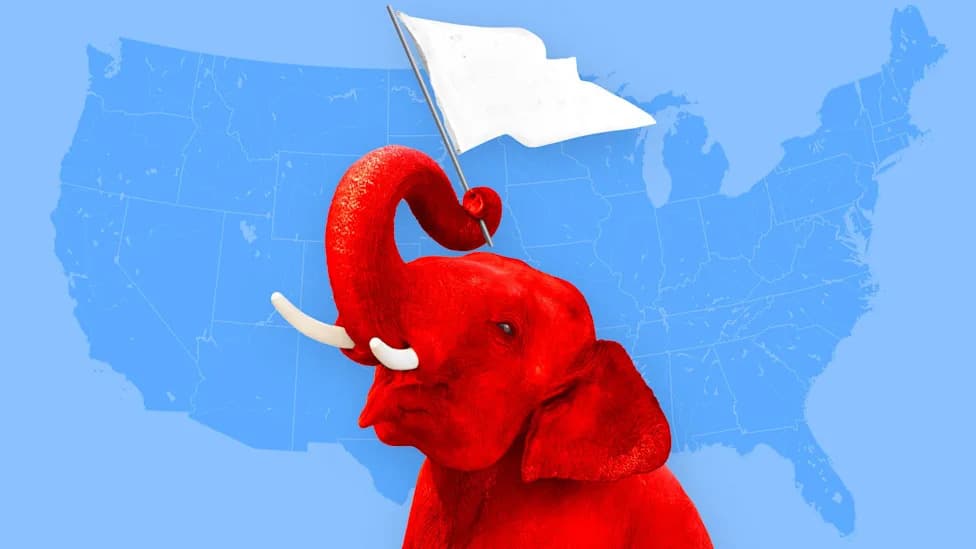
Republicans have redirected funds into at least 39 U.S. House races since Sept. 1 after internal polls flagged vulnerabilities in districts long considered safe. The GOP is buying ad time and deploying super PAC money as an "insurance" strategy to protect a slim 218–214 House majority. Economic pressures in Midwestern and agricultural districts and a late advertising surge have driven the emergency spending.
GOP Rushes Cash Into 39 ‘Safe’ House Races After Internal Polls Flag Trouble
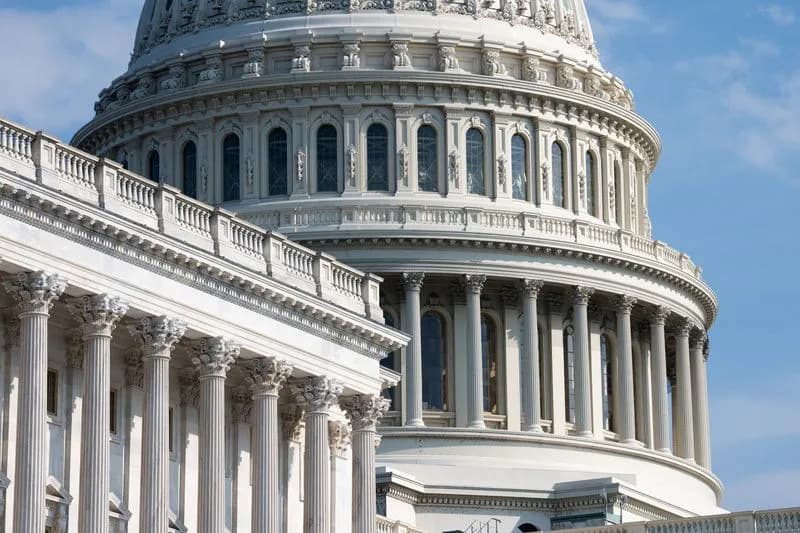
FILE PHOTO: The U.S. Capitol exterior after the U.S. House of Representatives approved legislation to avert a government shutdown before the midterm elections, at the U.S. Capitol in Washington, D.C., U.S., September 1, 2026. REUTERS/Aaron Schwartz/File Photo
NEW YORK, Sept. 27 — Republican operatives say the party has quietly shifted money into more than three dozen U.S. House contests that were long considered safe after internal polling indicated some incumbents could be vulnerable on Nov. 3. The change is showing up in new ad reservations and campaign finance filings.
A Reuters review of major Republican groups' spending found that since Sept. 1, GOP organizations and megadonors have begun deploying funds in at least 39 congressional races where they had not previously invested this cycle. Many of those incumbents still lead Democrats in public polls, but party leaders say internal data suggests they cannot take those seats for granted.
Party Mobilizes 'Insurance' Spending
Two operatives working with House Republican leaders described the moves as “insurance policies” meant to blunt Democratic attacks and shore up vulnerable incumbents before they gain traction. Natalie Baldassarre, national press secretary for the Republican National Committee, said the party is using its resources to "drive voters to the polls and supercharge our candidates."
"Republicans are playing defense in some of the strongholds that they're used to not having to worry about,"
Republicans currently hold a narrow 218–214 majority in the House, with one independent caucusing with Republicans and two vacancies; Democrats would need a net gain of at least four seats to take control next year.
Examples And Local Pressures
Conservative super PACs recently invested roughly $1.5 million in Wisconsin Representative Bryan Steil’s race — their first spending this cycle on his behalf — even though his district is rated "lean Republican" by the Cook Political Report. In North Carolina’s 3rd District, Representative Gregory Murphy received $131,107 from a conservative PAC this month, the first outside spending in his race; Democrats have spent more than $326,000 against him since July. In south Texas, Republican groups pumped about $2 million into text messaging, direct mail and digital ads to help Monica De La Cruz, whose seat was moved from "lean Republican" to "tossup" by Cook.
Party aides point to economic strains — rising gasoline, energy and fertilizer costs — hitting agricultural and Midwestern districts as a key reason for the late spending. "We're in this crucial period in the last 30 days where candidates have to really make a case," said Kevin Madden, a longtime GOP adviser.
Money And Media Advantage
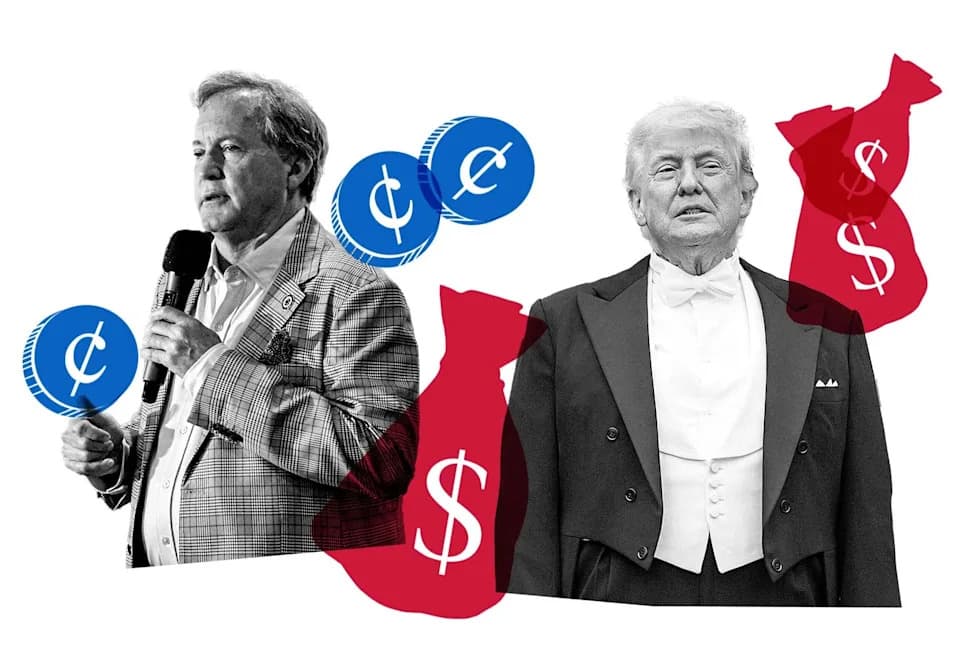
Independent committees have spent about $1.56 billion on federal elections this cycle, with roughly $496 million deployed since Labor Day, according to a Reuters analysis. AdImpact shows Republicans have reserved at least $888 million in advertising for the coming weeks versus about $666 million for Democrats. Federal Election Commission filings indicate GOP-aligned super PACs have outspent Democrats nearly 2-to-1 in the three weeks through Friday — roughly $309.7 million to $174.2 million — as groups such as No Going Back PAC (funded by MAGA Inc.) lead the surge.
"Republicans have air superiority. House Democrats are scrambling to catch up with the very limited resources they have,"
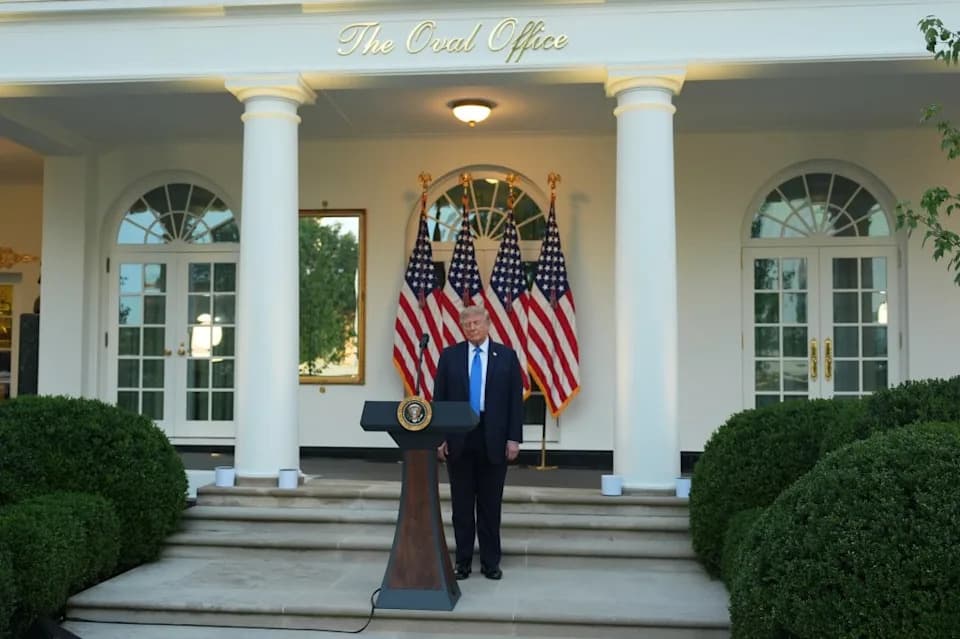
Democrats acknowledge a funding gap but say the Republican push to spend in districts Trump won handily underscores how seriously GOP leaders view their midterm prospects. Both parties are mobilizing in the closing weeks of the campaign as small shifts in turnout could determine control of the House.
(Reporting by Dawn Kopecki in New York and Nolan McCaskill in Washington; editing by Michael Learmonth and Deepa Babington)
Help us improve.