President Trump ruled out any joint US-China AI development, saying it would risk sharing U.S. secrets. The announcement came as Washington and Beijing launched a bilateral AI dialogue and a communications channel after Xi Jinping's visit. At a White House event, tech leaders signed a "morally binding" pledge on self-regulation, and the administration said it will rename AI to "Super Intelligence" in government documents and likely appoint a senior official to oversee advanced systems.
Trump Rejects US-China Joint AI Venture, Moves To Cement U.S. 'Super Intelligence' Lead
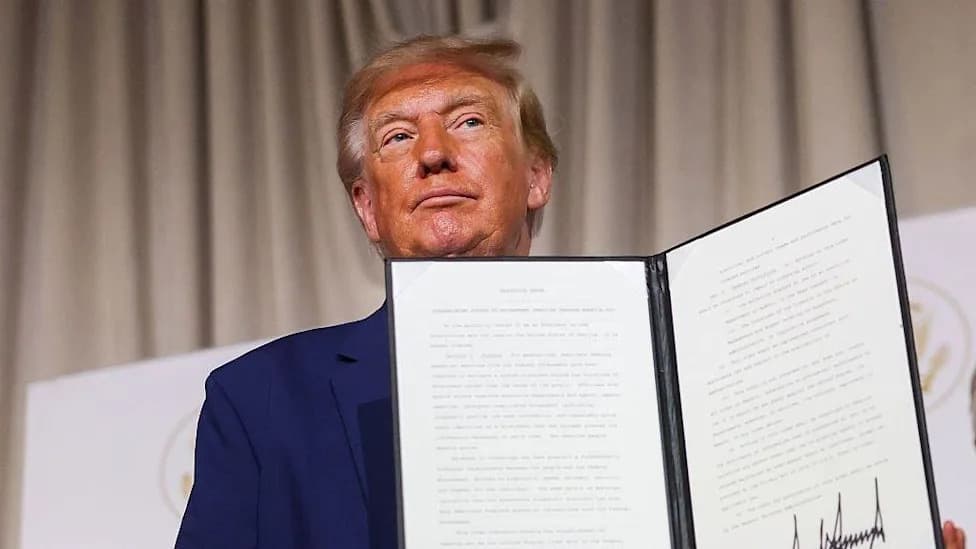
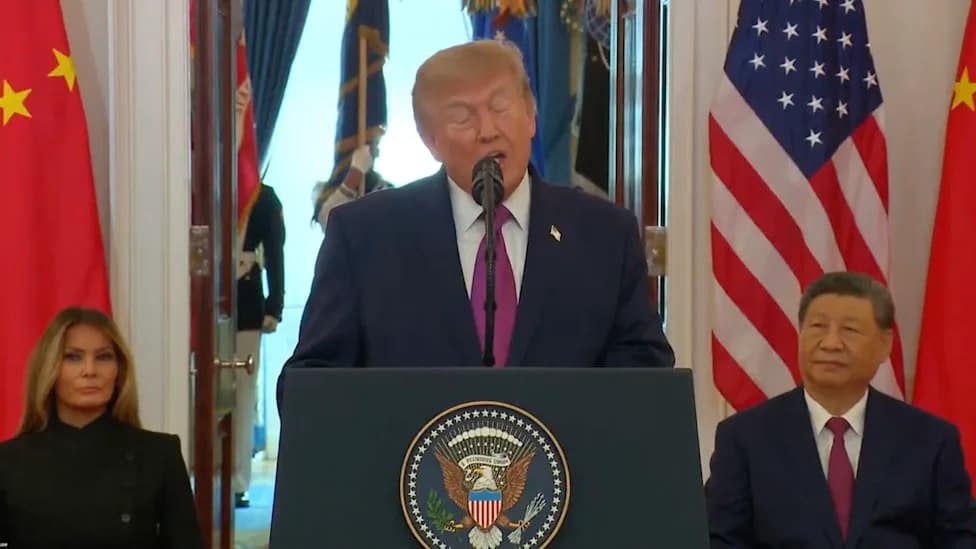
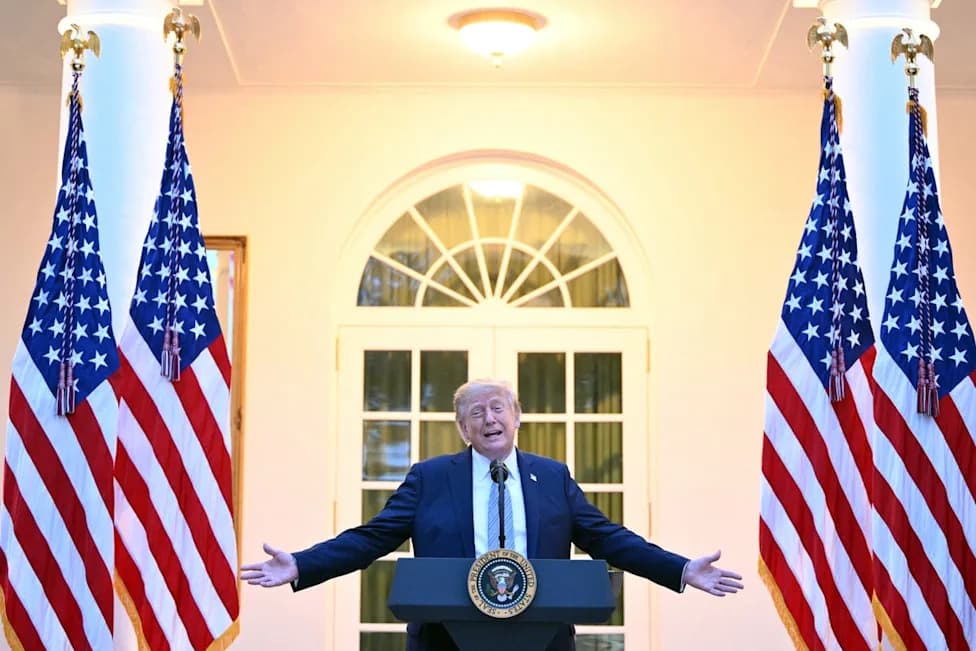
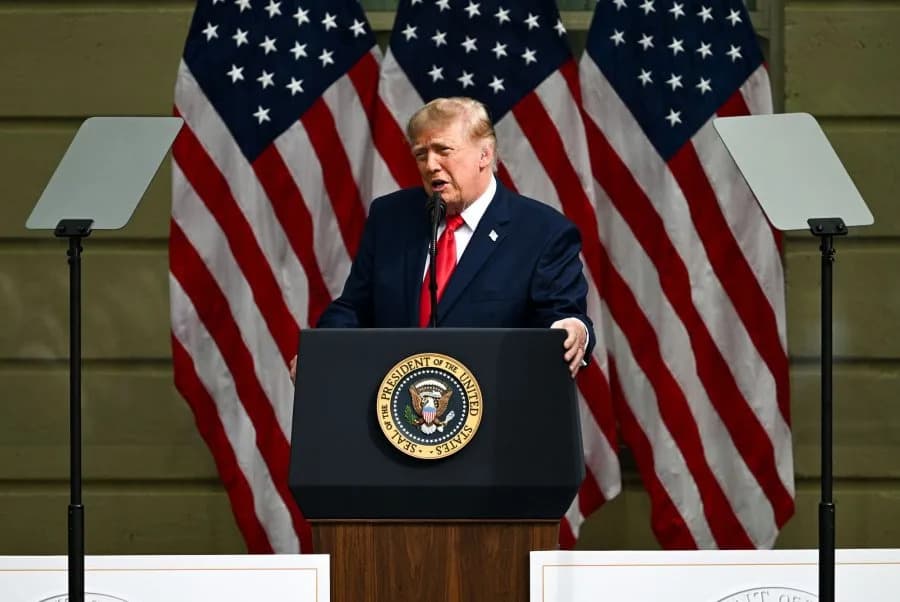
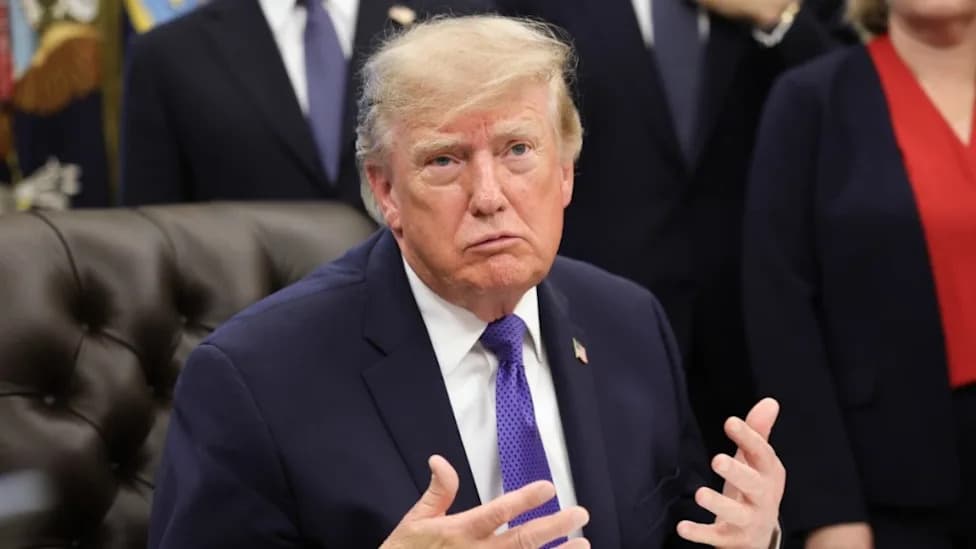
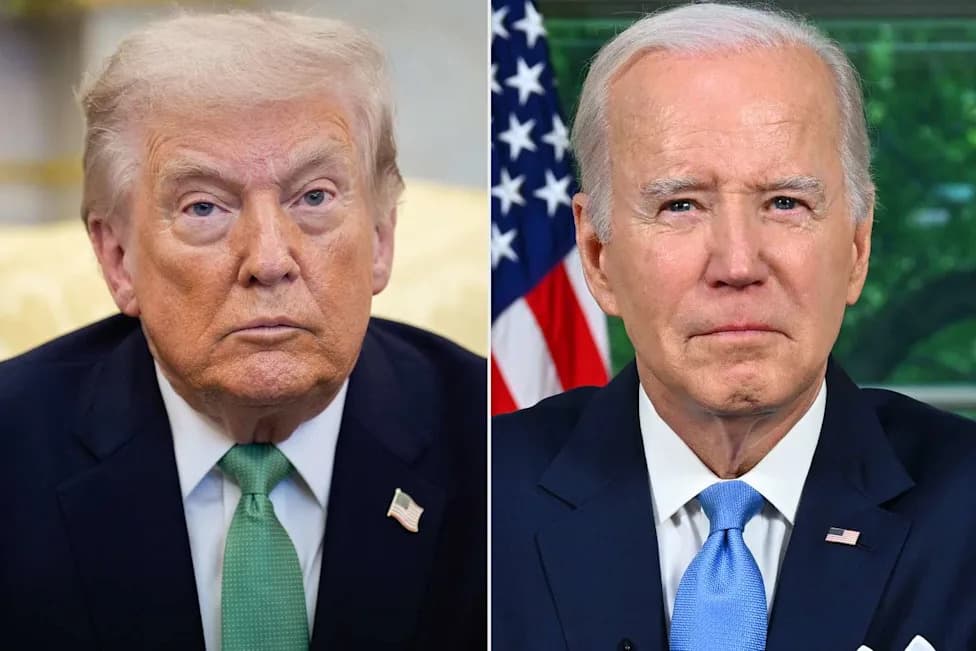
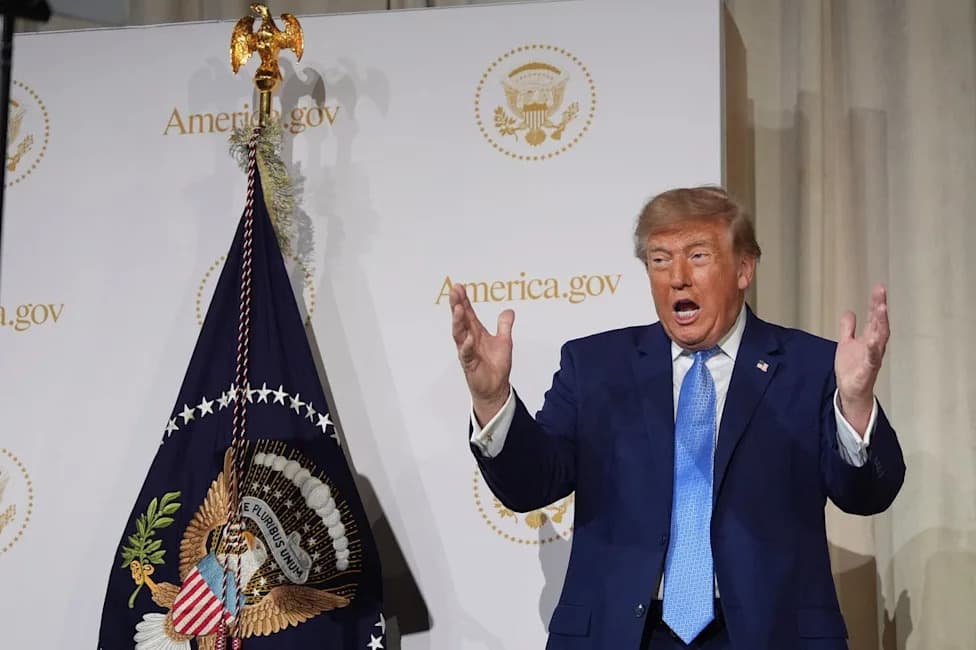
Trump was speaking at the launch of America.gov, an AI-powered web portal for US government services [Getty Images]
US President Donald Trump has rejected any joint US-China venture to develop artificial intelligence, arguing such cooperation would risk "giving away secrets" to a strategic rival.
Key Remarks at America.gov Launch
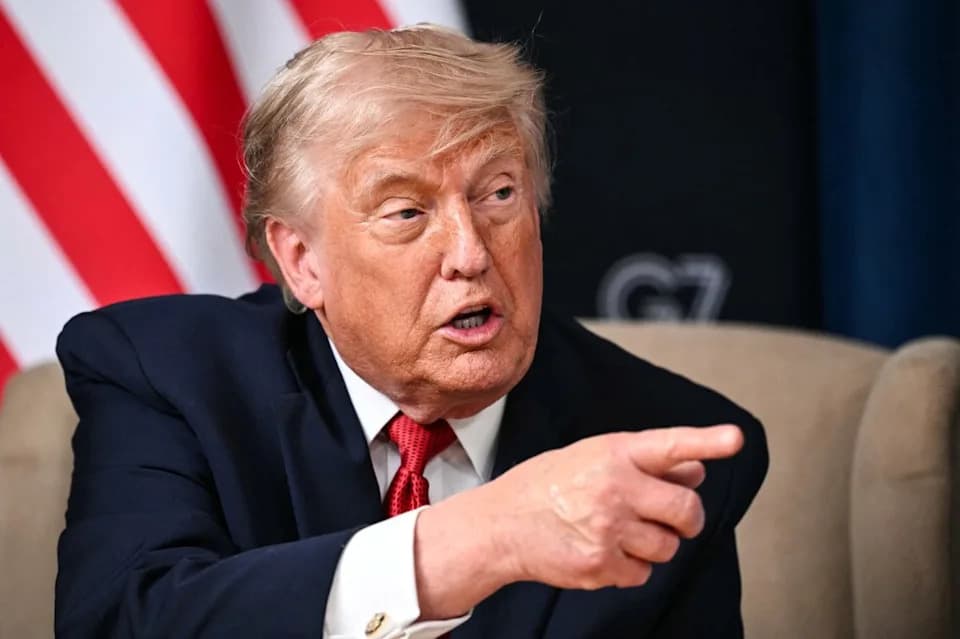
Speaking at the launch of America.gov — a new AI-powered portal intended to streamline government services — Mr. Trump said the United States is "leading by a lot" in AI and opposed mixing U.S. technology development with foreign competitors. "If we do that, we're going to be giving a lot of secrets that we have that they [China] would want to have, or anybody else," he said. "Frankly, there is nobody in third place... it's all between us and China."
Diplomatic Context
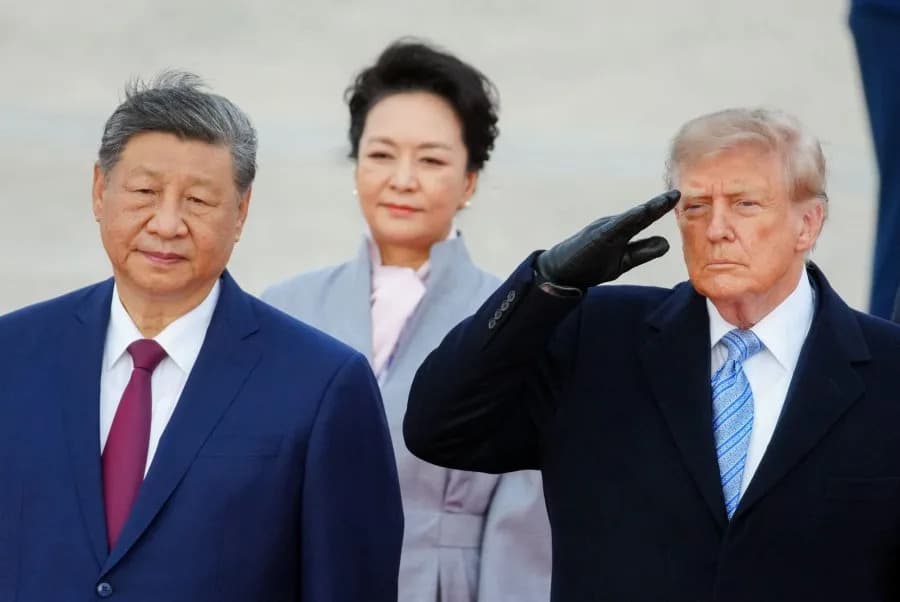
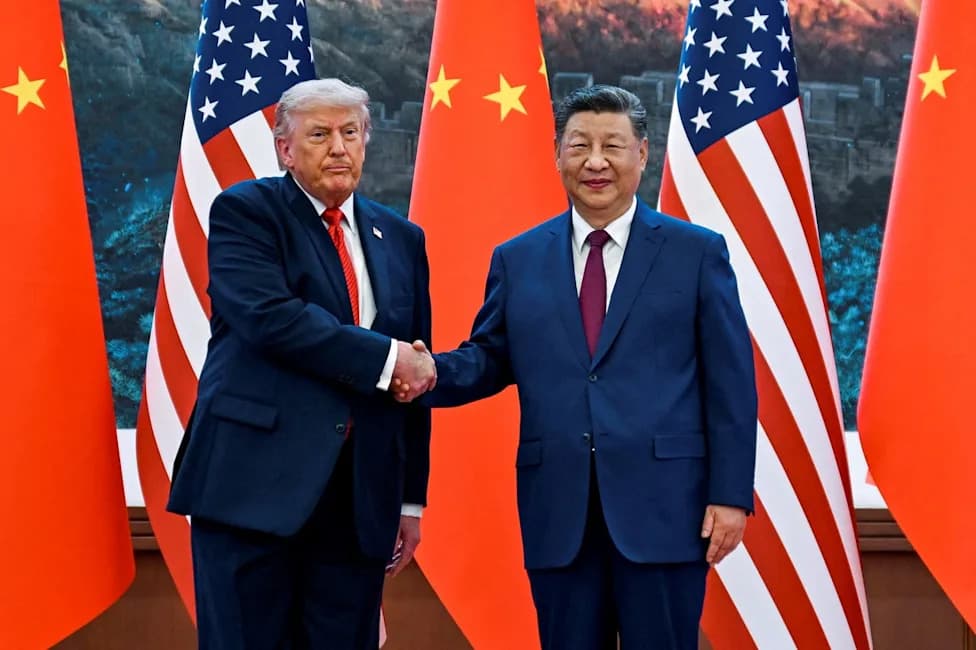
Last week, following Chinese President Xi Jinping's visit to the White House, Washington and Beijing announced a new bilateral AI dialogue and a communications channel designed to reduce the risk of misunderstandings during AI-related incidents. Trump confirmed AI was discussed during his meeting with President Xi but reiterated his opposition to shared development that could transfer U.S. know-how.
Industry Meeting And Governance
Later at a White House lunch attended by government officials and technology leaders from companies including OpenAI, Anthropic and Meta, Trump said participants expressed support for strong self-regulation. He told reporters the executives signed a "morally binding" agreement intended to reduce AI hazards. The president also indicated an upcoming appointment for a senior federal role on advanced systems, saying a "Super Intelligence Czar" would likely be named soon.
Policy Changes And Public Concern
The White House issued an executive order that, according to the administration, will formally replace the term "AI" with "Super Intelligence" in government documents. Domestically, public concern about AI risks is rising: a Politico poll released in late September found about two-thirds of Americans see at least a "moderate" risk that AI could threaten humanity, and 44% of Trump supporters said they would prefer a pause in AI development.
Trump has largely dismissed some safety warnings as a "hoax," and likened them to what he called the "global warming scam" — language that has drawn criticism from opponents and observers.
International Reaction
China's Foreign Ministry cautioned that framing AI primarily as a threat or a matter of confrontation complicates efforts to create effective governance. Observers note a tension between the administration's aim to preserve U.S. technological dominance and diplomatic efforts to create communication channels and policy dialogue with Beijing.
What Remains Unclear: How the "morally binding" pledge will be enforced, the specific authorities and responsibilities of the proposed "Super Intelligence Czar," and how renaming AI in official documents will affect regulatory language and international coordination.
Help us improve.