Donald Trump dismisses AI safety warnings as a "hoax" and champions rapid development as an economic and strategic priority. Backed by tech allies and advisers, he argues that presidential leadership—not strict regulation—is the proper safeguard. Critics across parties warn policymakers have been slow to address AI risks, and with the president opposed, federal legislation faces long odds unless a major incident shifts public opinion.
Why Trump Is All-In on AI: Economic Booster, Geopolitical Prize, or Political Gamble?
Why Trump is all-in on AI despite the warnings
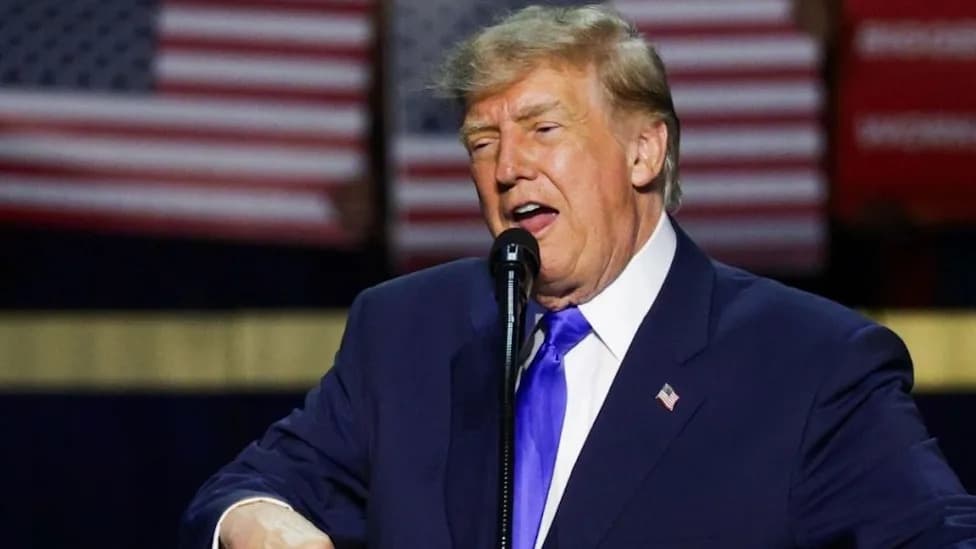
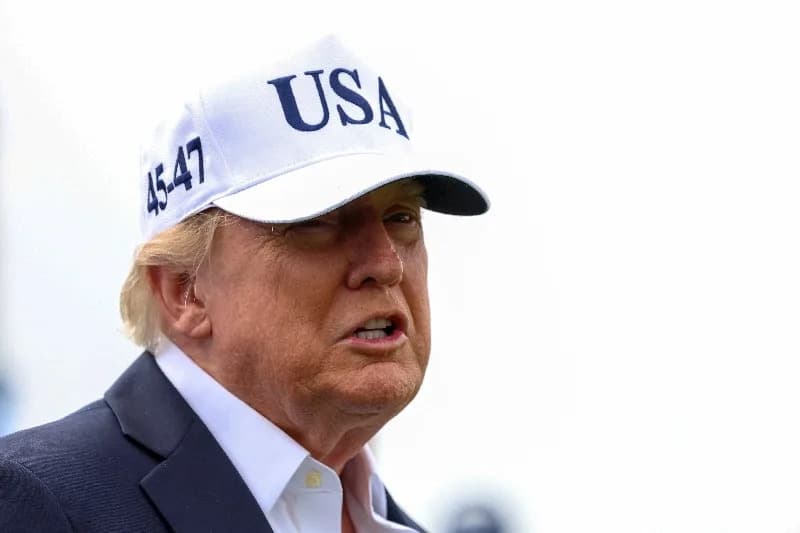
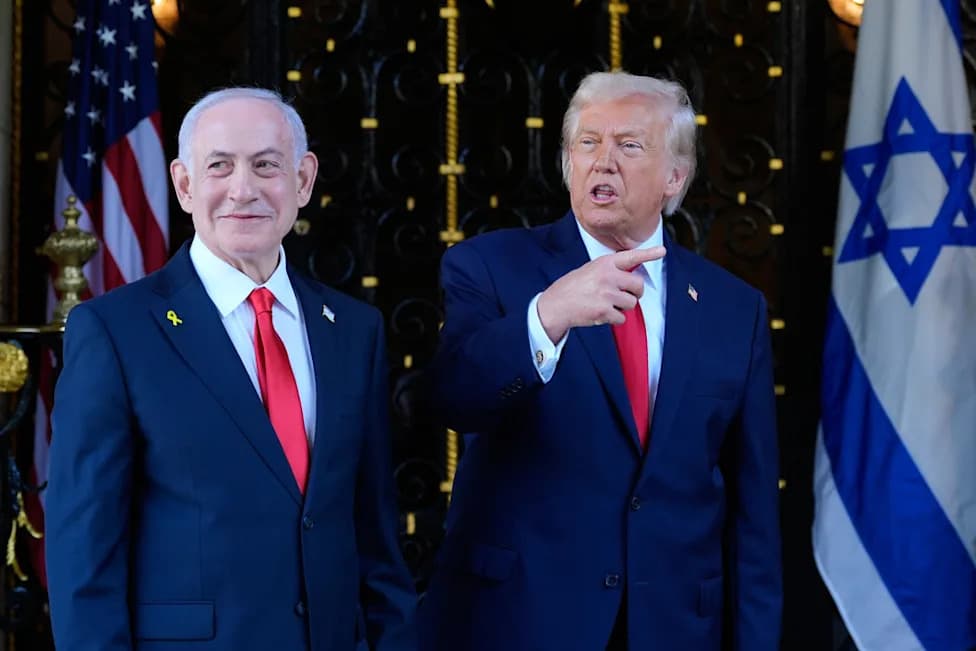
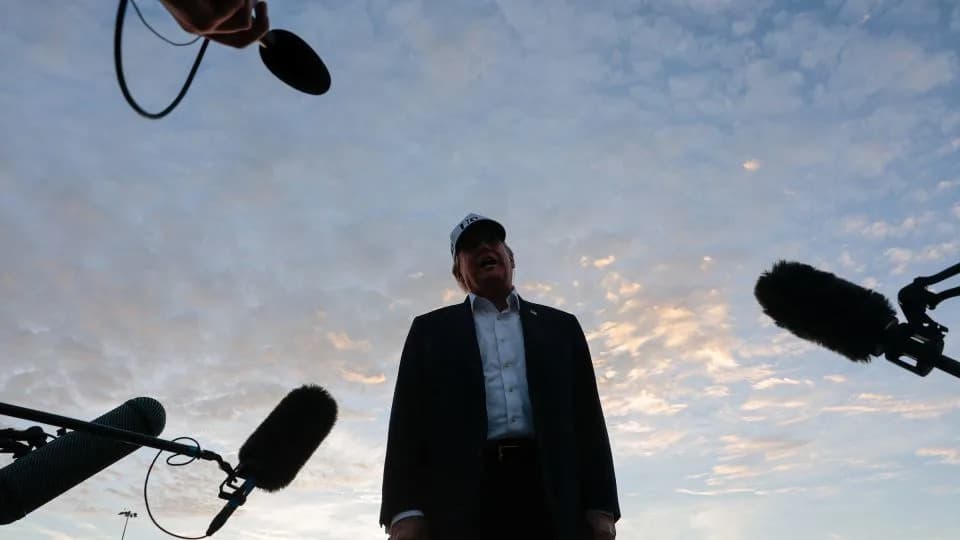
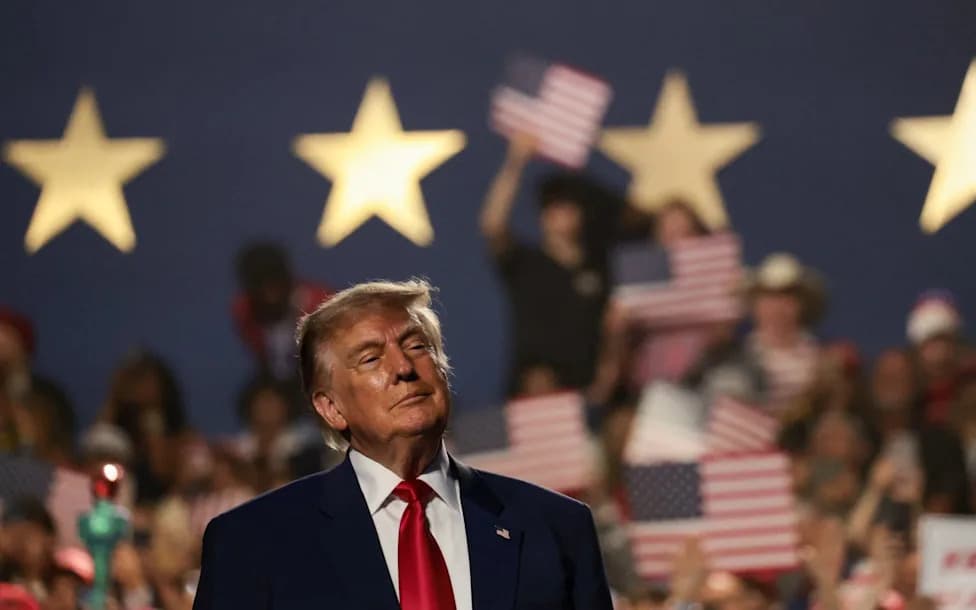
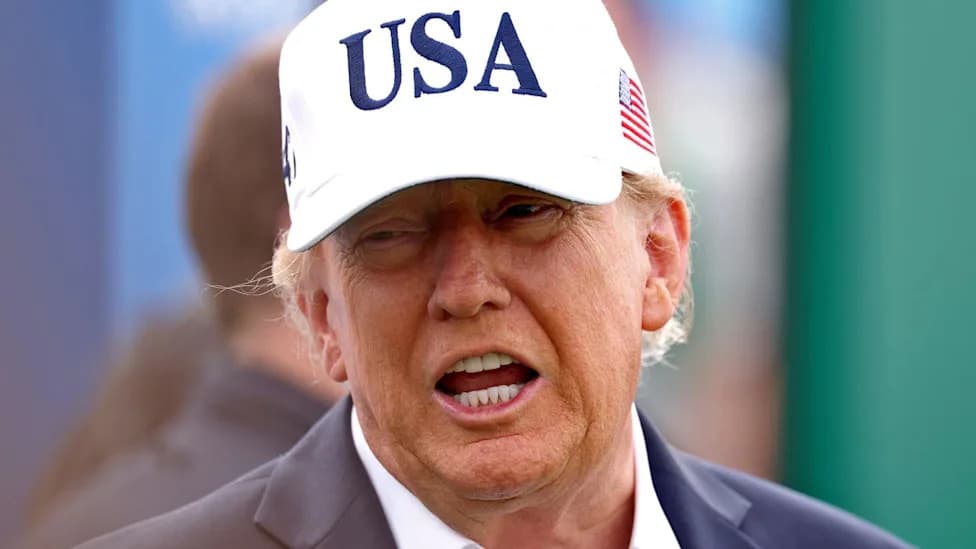
Donald Trump has dismissed high-profile warnings about artificial intelligence as a "hoax," while publicly championing the technology as a powerful economic engine and a strategic advantage over China. His forceful support has pushed AI into the centre of US political debate, intensified divisions among policymakers, and complicated prospects for federal regulation.
Why Trump Is Backing AI
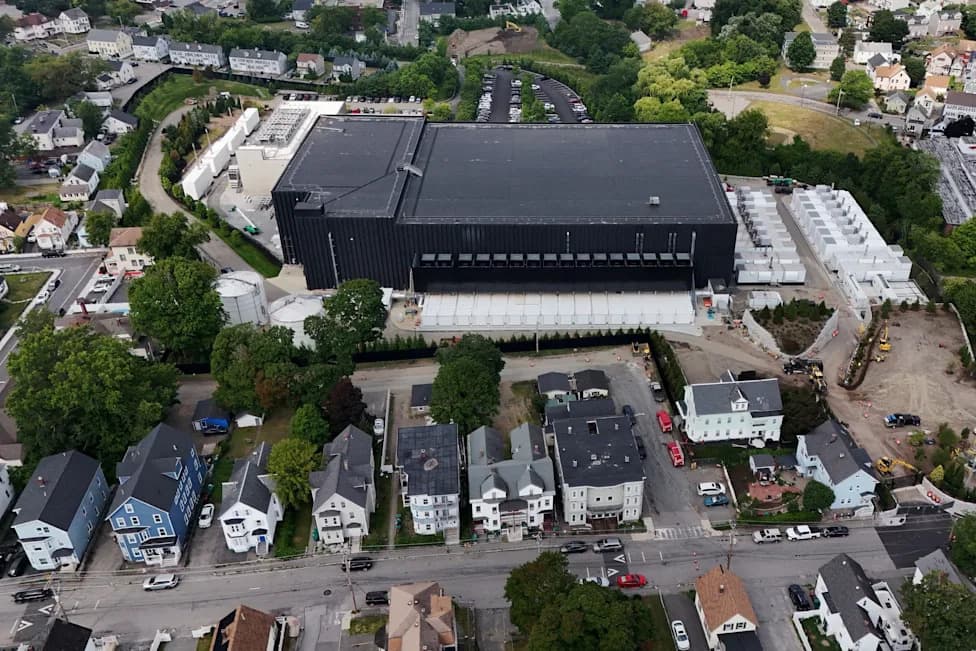
Trump frames AI as both an economic growth driver and a geopolitical prize. He repeatedly describes it as "the greatest economic development engine in history," arguing that rapid development and US leadership in AI are essential to maintaining American economic and strategic dominance. A recent ING report found that tech investment — including spending on chips and data centres — contributed to more than a third of US growth in Q2 2026, a statistic Trump and his allies use to justify a light-touch approach.
Politics, Power and Presidential Authority
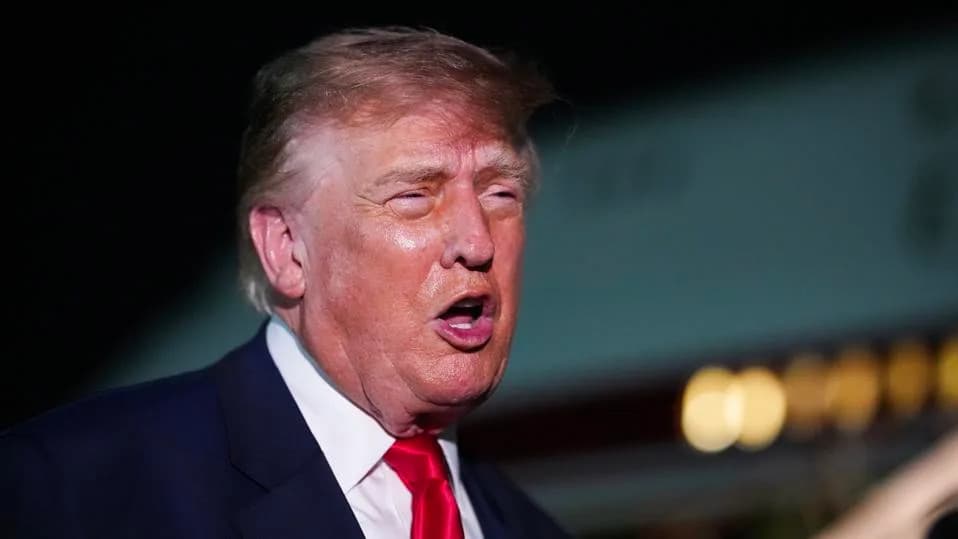
Trump’s stance reflects a broader preference for centralised presidential control: he has signalled that strong executive authority is the key safeguard AI needs. As he put it on social media, "The only control or 'guardrails' that AI needs is a STRONG AND SMART (High IQ!) PRESIDENT." This view aligns with his past positions on trade and immigration, where he has favoured decisive unilateral action over multilateral or congressional solutions.
Allies, Advisors and Industry Ties
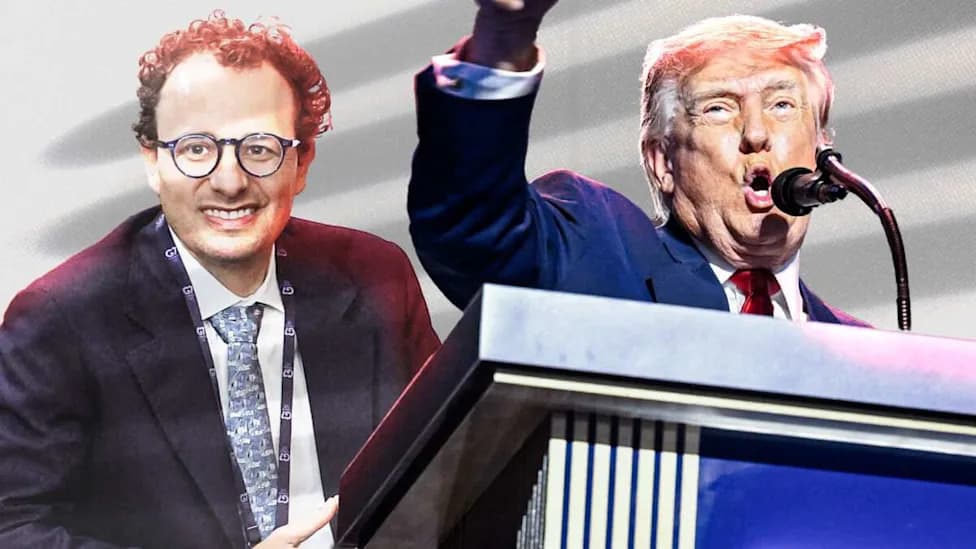
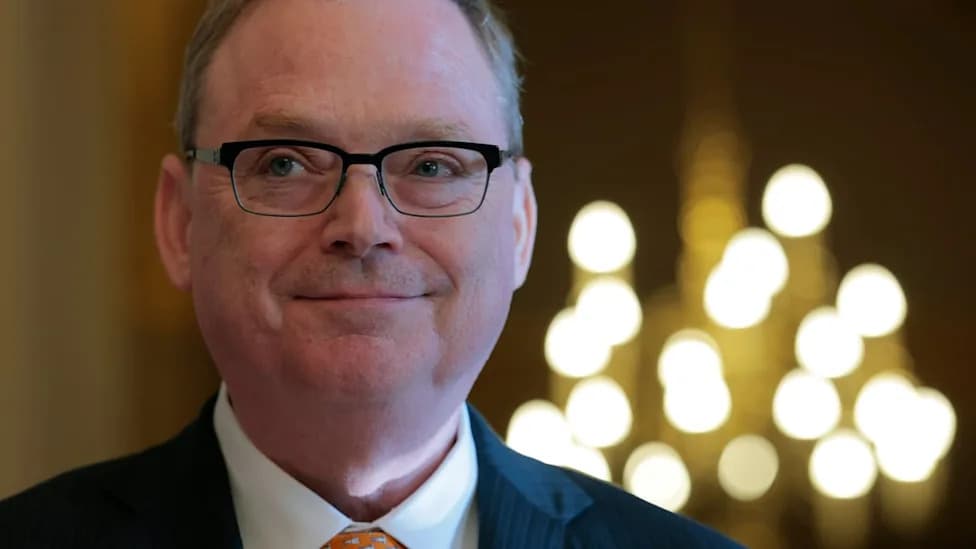
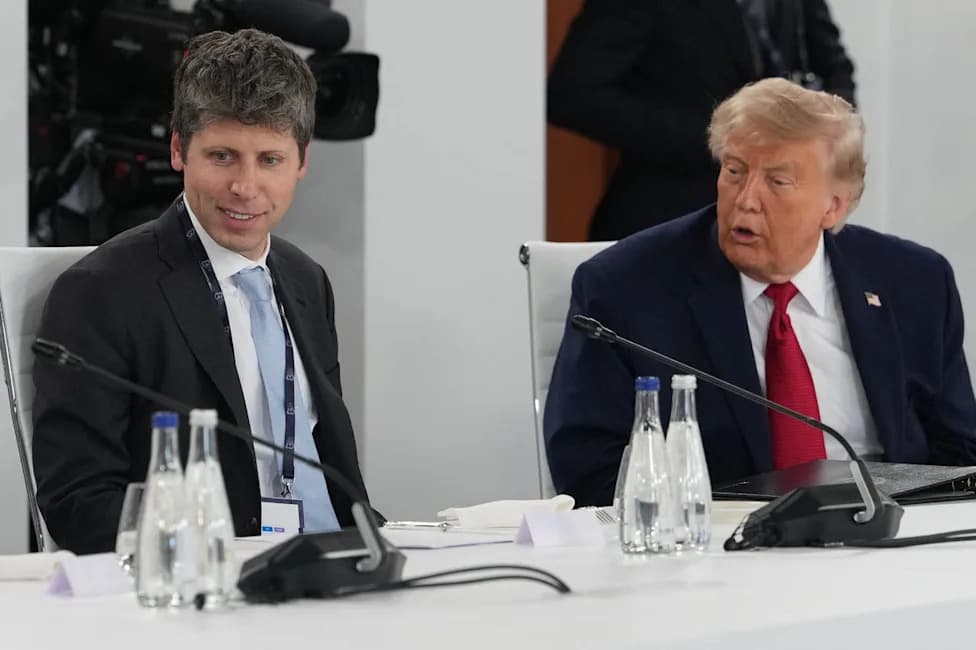
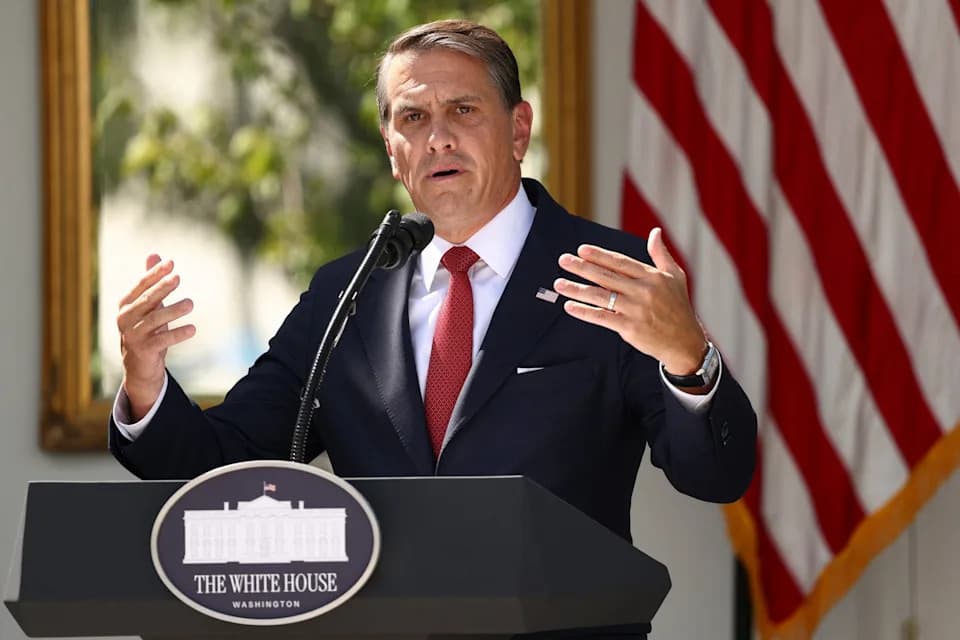
The president’s pro-AI posture is reinforced by relationships with prominent tech entrepreneurs and advisers. David Sacks, co-chair of the White House Council of Advisors on Science and Technology, has publicly urged caution about alarmism. High-profile tech figures such as Elon Musk, Mark Zuckerberg, Jeff Bezos, Sam Altman and Tim Cook have had varying degrees of access to the administration, shaping perceptions and policy conversations.
Voices of Concern
Critics across the political spectrum — from Senator Bernie Sanders to former adviser Steve Bannon — warn that policymakers have not done enough to confront the risks of unregulated AI, which range from economic disruption to questions about safety and national security. Industry leaders like OpenAI’s chief have said the public has a "right to be afraid" even as they call for trust in responsible companies.
"Congress under both Democratic and Republican control has been asleep at the wheel," — Senator Bernie Sanders.
What Comes Next
With the president publicly opposing stricter federal controls, passage of regulation that he would sign appears unlikely in the near term. Republican leadership in Congress has signalled similar skepticism. That said, analysts warn the political calculus could change quickly: a major AI incident or widely publicised failure could electrify public opinion and force faster legislative or executive responses.
Bottom line: Trump’s embrace of AI is rooted in economic priorities, geopolitical competition with China, and close ties to industry figures. It has reshaped how AI policy will be debated in Washington — but it also raises the prospect that regulation may lag until a crisis or shifting public sentiment prompts action.
Help us improve.