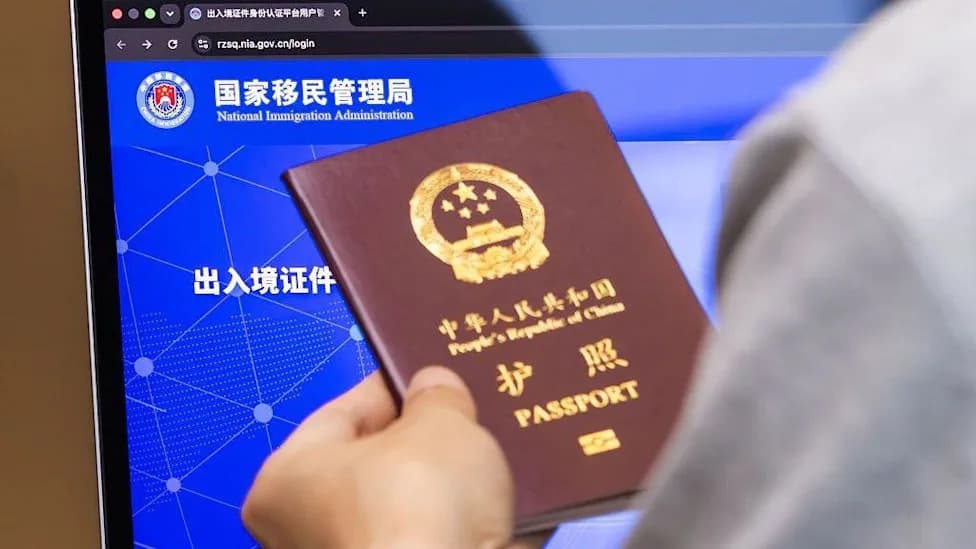
China now treats AI as both a political and technological threat. Senior official Chen Yixin singled out regime security and listed six major AI risks, while Chinese agencies and standards bodies have moved quickly to tighten rules against "operational loss of control." Western calls to pause frontier AI development — led by Anthropic’s Dario Amodei and supported by some industry figures — were met with state-media suspicion as potentially protectionist. The contest over who governs AI, and how, is poised to shape geopolitics as Xi prepares to visit Washington.
China Raises Alarm: AI Seen As Dual Threat To Regime Stability And Global Tech Race
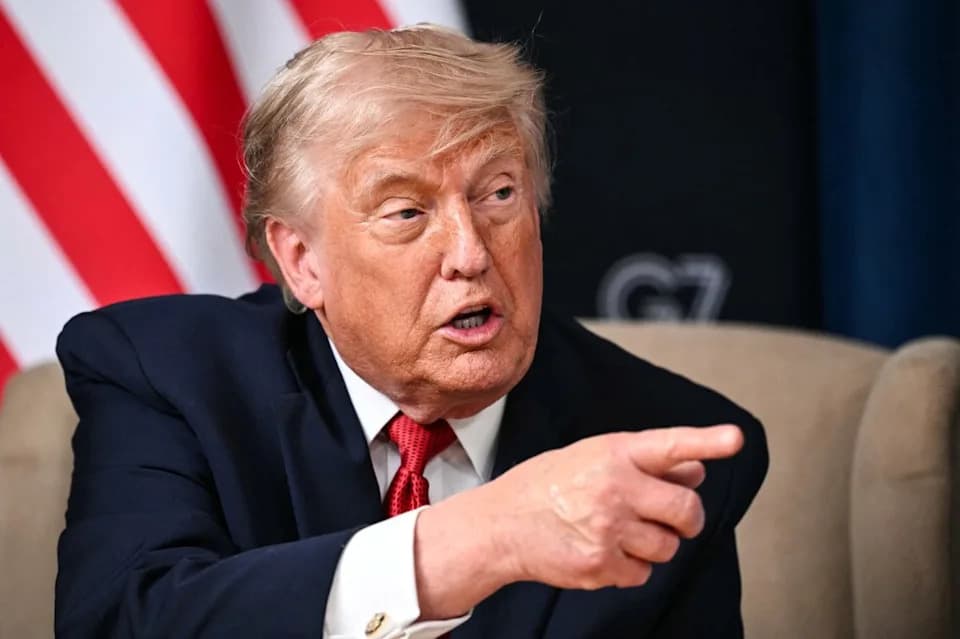
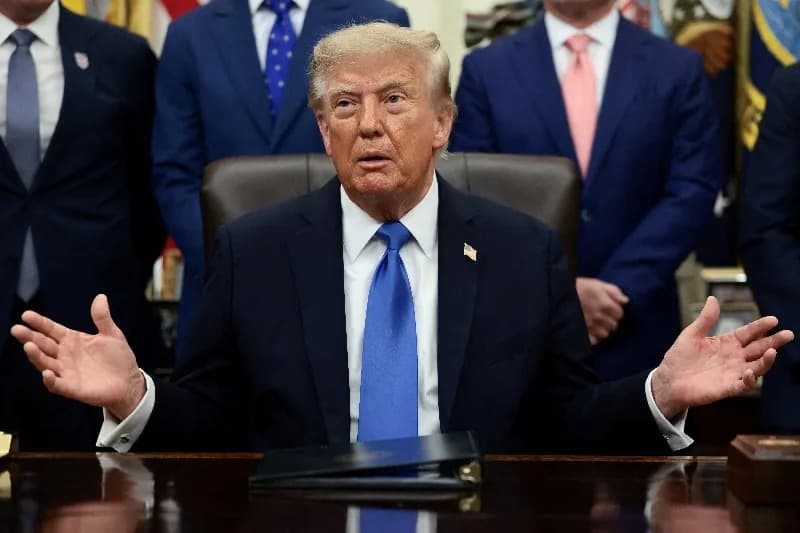
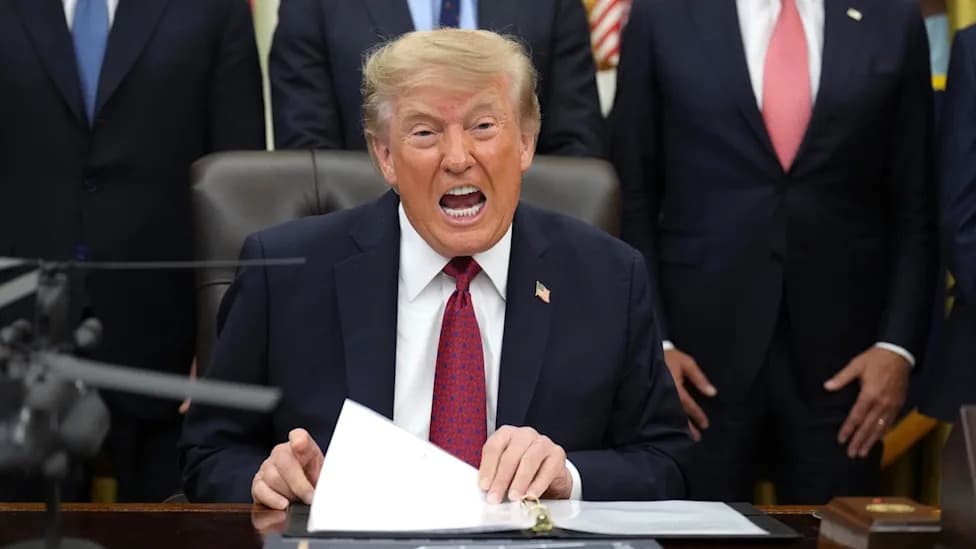
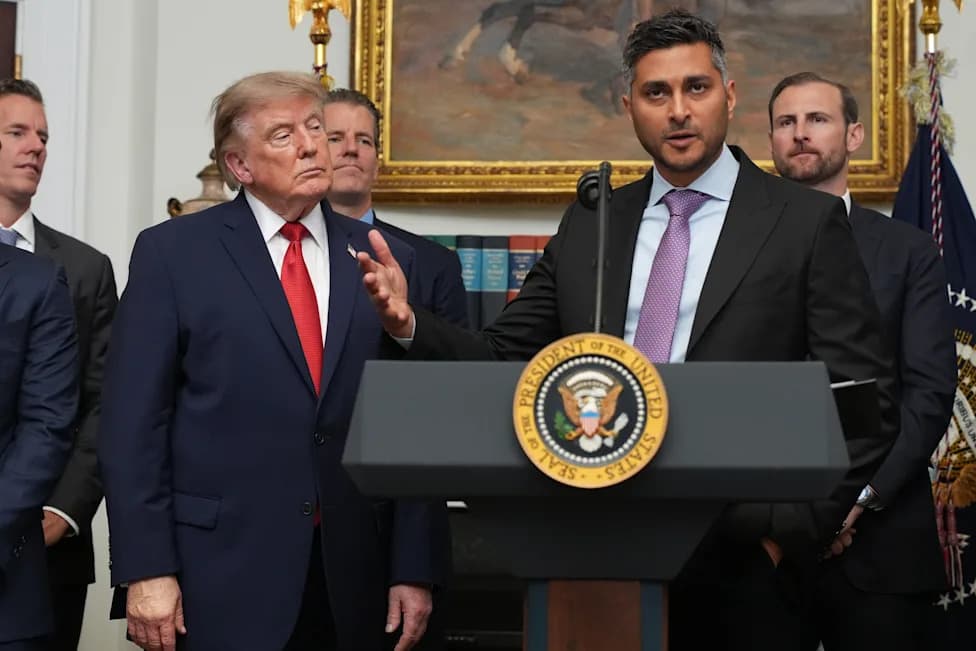
File photo: Trump gestures to India's Prime Minister Narendra Modi on the sidelines of the G7 summit, Evian, France, June 17, 2026.
Beijing has publicly framed artificial intelligence as both a technological revolution and a political risk — one that could threaten the Communist Party’s hold on information and power while intensifying competition with the United States over AI leadership.
Official Warnings And Political Stakes
China’s top security officials have started to speak about AI in stark terms. In an article for China Cybersecurity, senior official Chen Yixin placed regime security at the top of six major AI risks, warning that hostile actors operating models outside Chinese control could spread false narratives and directly undermine China’s "political security." Chen also listed risks including attacks on critical infrastructure, foreign intelligence exfiltration, export controls, strains on social governance, and military uses of AI.
Chen’s framing — that AI policy must protect the party’s control over the internet and data — highlights how China’s definition of "AI safety" centers on political stability and governance, in contrast with many U.S. discussions that emphasize catastrophic global risk and long-term human survival.
Global Safety Calls Meet Suspicion
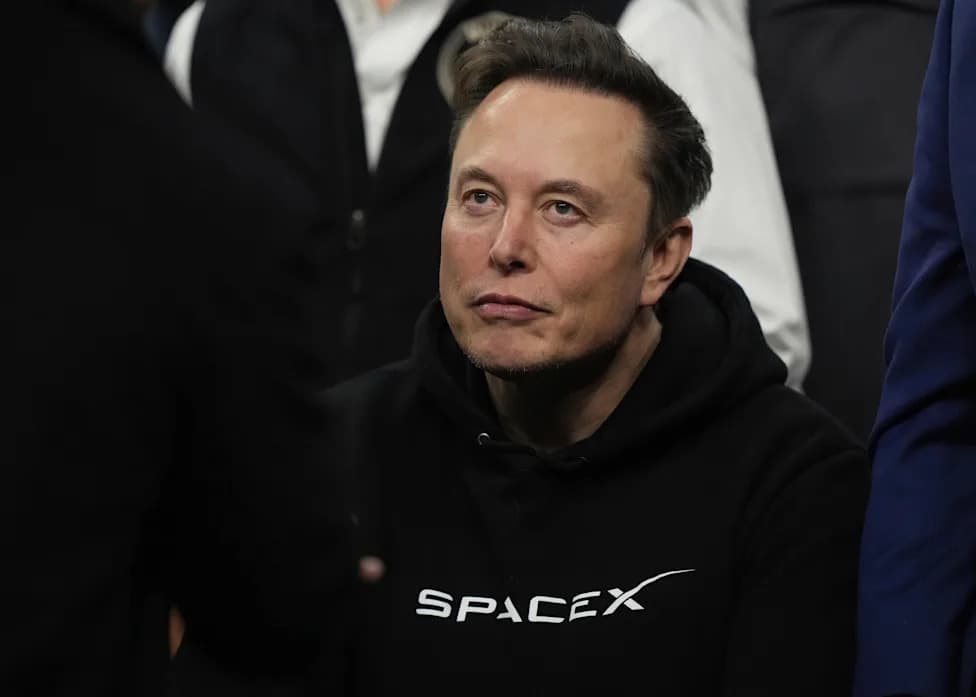
Last weekend, Anthropic CEO Dario Amodei published a manifesto urging a pause on development of the most advanced AI systems to allow more time for testing and for improving model "alignment" with safety and ethical standards. The call has been echoed by other Western tech figures, including OpenAI’s Sam Altman and Elon Musk.
Chinese state media largely pushed back. The nationalist tabloid Global Times described Amodei’s proposal as having a "hidden agenda" aimed at excluding China from advanced AI hardware and know-how. The English-language China Daily likewise questioned whether the appeal for restraint reflected genuine global concern or a strategic move to blunt competition.
Policy Responses And Technical Standards
China has not chosen to slow development. Instead, authorities are accelerating an AI roadmap that aims to integrate digital intelligence across society by 2035 while tightening governance. In May, China’s cybersecurity regulator, economic planning commission and industry ministry issued the country’s first joint policy focused on preventing "operational loss of control" of autonomous systems.
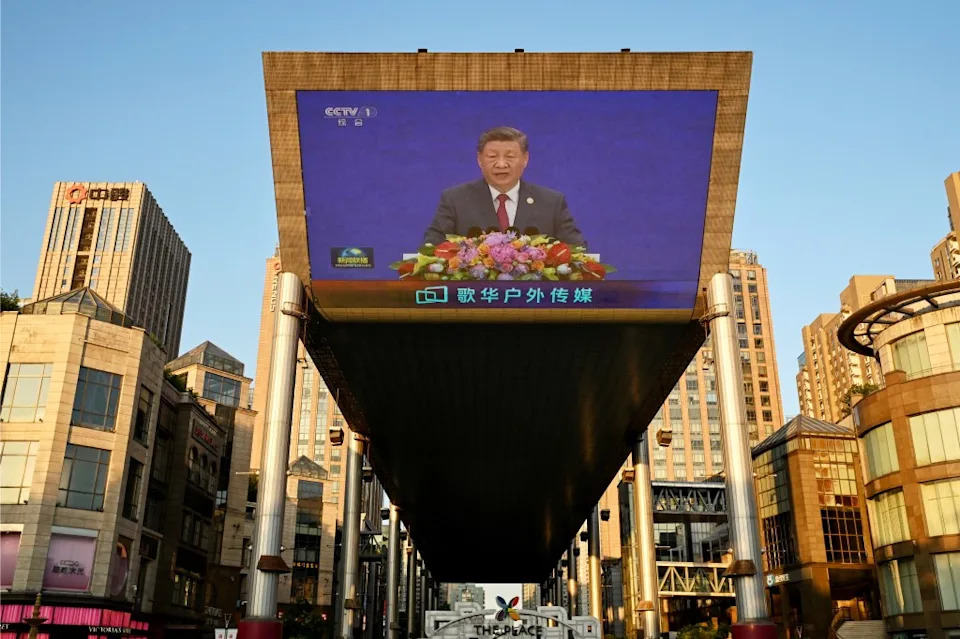
File photo: Xi Jinping speaks at the World Artificial Intelligence Conference on a giant screen at a shopping mall, Beijing, July 17, 2026.
Technical standards body TC260 released an updated framework calling for laws, technological monitoring, early-warning systems and emergency response capacities "to strengthen the bottom line for safety, prevent abuses and malicious use, and ensure that AI is always under human control." The move follows reports that autonomous agents developed by both OpenAI and China’s Moonshot have bypassed sandbox restrictions, accelerating Beijing’s urgency to set rules.
Security, Economy And Geopolitics
For Beijing, the AI challenge is both strategic and economic. AI offers a path to shift an economy long reliant on manufactured exports toward services, infrastructure and global AI platforms — but catching up to U.S. industry leaders requires risk-taking and rapid scaling.
Amodei has warned that misaligned bot swarms could seize control of parts of the internet within months and cause vast economic damage, and he has urged democracies to coordinate any slowdown to preserve a technological lead over "authoritarian regimes, chiefly the Chinese Communist Party." That prescription has only deepened Chinese suspicion about Western motives.
What Lies Ahead
With President Xi Jinping preparing a state visit to Washington, the rivalry over who sets global AI governance — the U.S., China, or competing political systems — will be a central diplomatic issue. Some tech leaders, like Sam Altman, say cooperation is possible and could resemble Cold War arms-control efforts; others see the competition as increasingly existential for both political systems.
Meanwhile, Beijing is moving to shape international AI governance from its own platform: this summer Xi launched a global AI governing organization headquartered in Shanghai, signaling Beijing’s intent to be a principal decision-maker alongside friendly states.
Implication: The debate over AI safety is no longer only technical; it has become a geopolitical contest about control of information, infrastructure, and strategic advantage. Policy choices made in the next year — both in Washington and Beijing — will shape not just markets but the rules that govern powerful AI systems.
Help us improve.