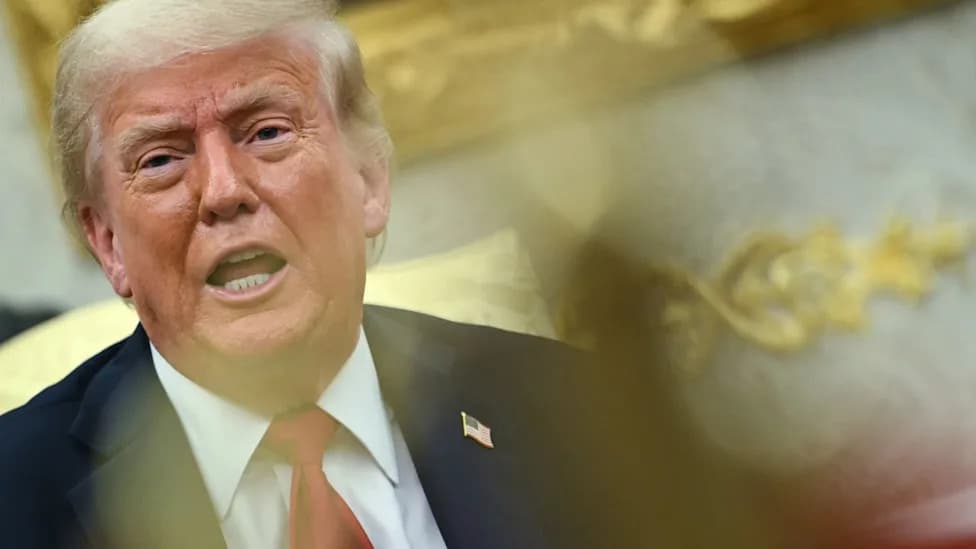
President Donald Trump launched America.gov, an AI chatbot intended to centralize access to federal services and simplify tasks like passport renewals, which the site suggests could be available in 2027. The administration says the tool is built using Gemini and Grok code and promises to save users substantial time. A CNN/SRSS poll shows widespread public concern about AI and calls for stronger regulation. Experts warn that the portal raises privacy, security, accuracy and workforce risks even if immediate agency restructuring does not follow.
Trump Unveils America.gov — An AI Chatbot Aimed at Centralizing Access to Federal Services
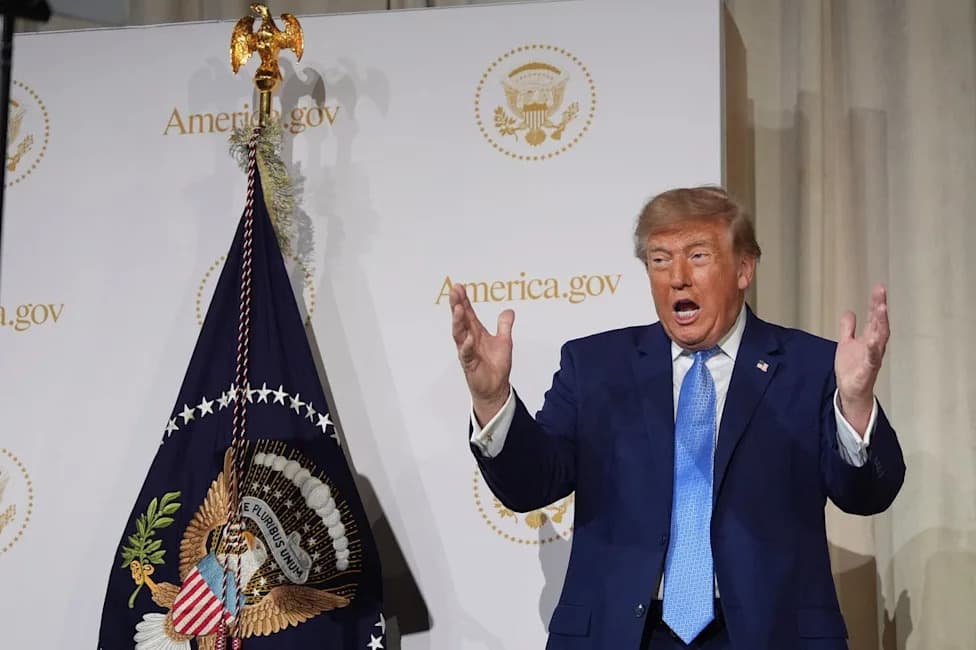
Trump rolls out AI takeover of American government
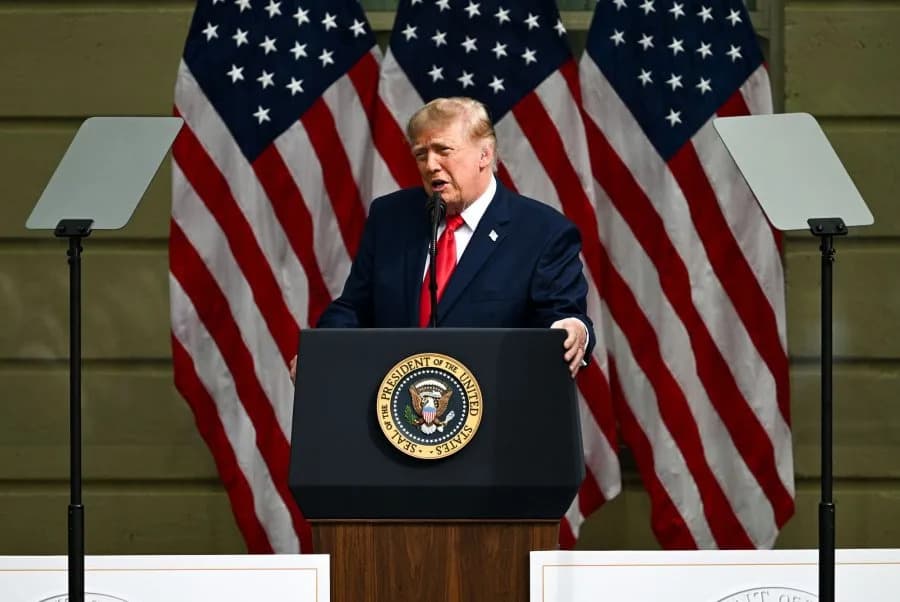
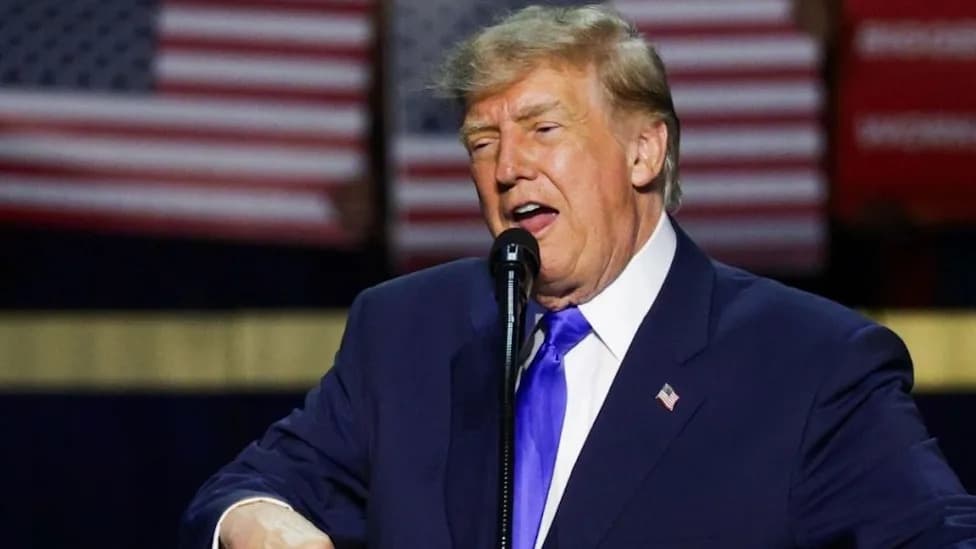
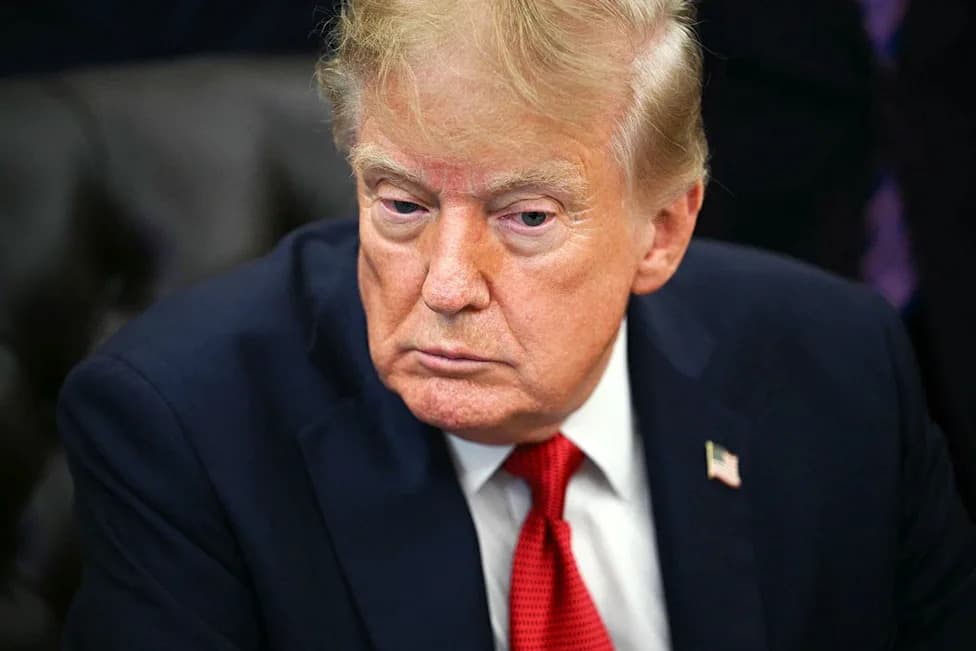
President Donald Trump on Tuesday morning unveiled America.gov, a new government-facing AI chatbot designed to act as a single entry point for federal services. The tool was presented at an event hosted by motivational speaker Tony Robbins and went live to the public with claims it will streamline interactions with federal agencies.
"It's going to save you tremendous time," the president said, promising the tool would cut the hours Americans spend navigating federal paperwork and websites.
What Is America.gov?
America.gov is a conversational chatbot the administration says is built using code from Google’s Gemini and Grok. It guides users to services across federal agencies in a familiar chat format similar to consumer AI assistants. In a video presentation with Robbins and chief design officer Joe Gebbia, the team teased additional features that are not yet active, including a one-click passport renewal pathway the site says may be available in 2027.
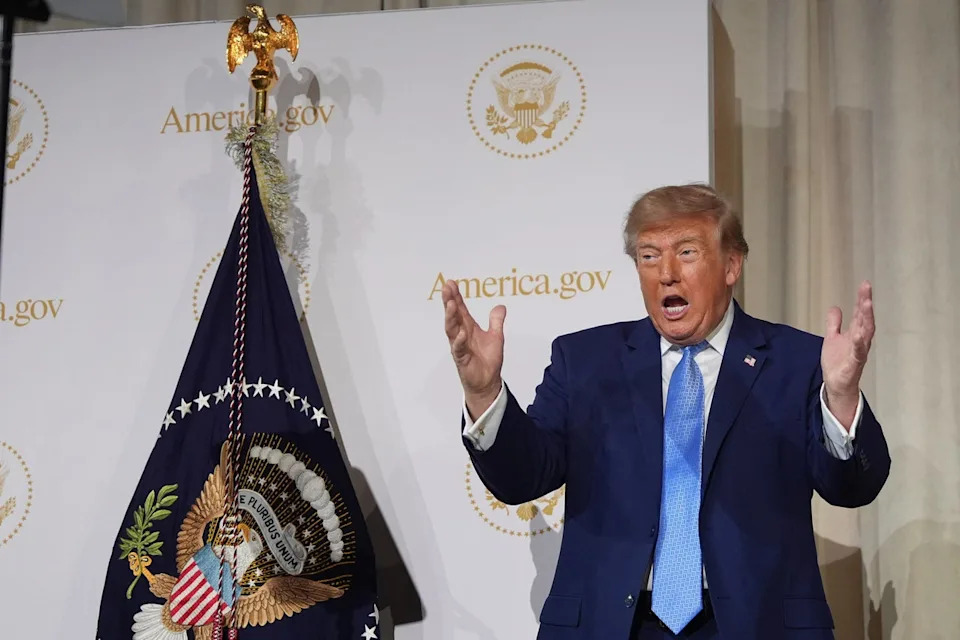
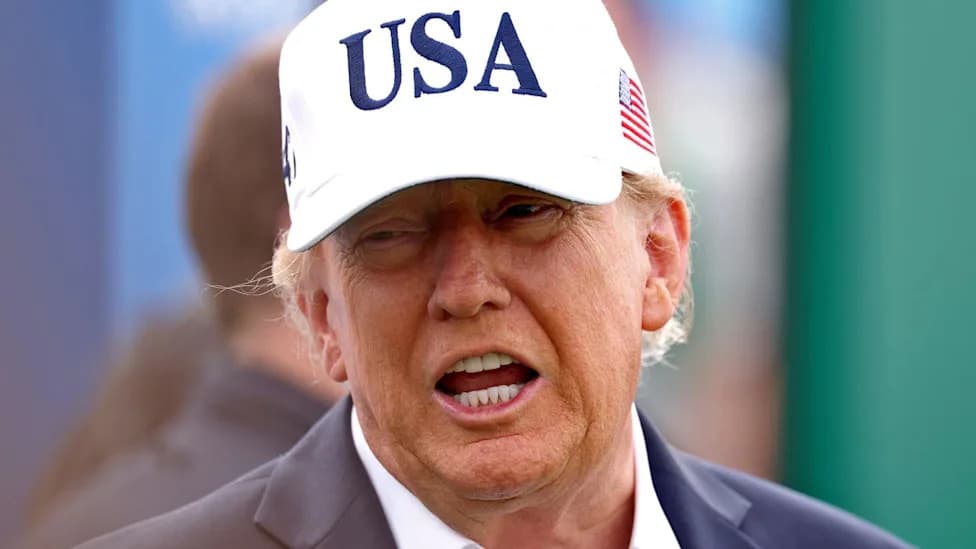
Donald Trump speaks at an event rolling out an AI chatbot tool for assisting with federal agency websites (AP)
Promised Benefits
Trump framed the chatbot as a replacement for what he called an "endless maze" of thousands of government websites and complex rules, saying the single portal could save Americans "hundreds" of hours per year on paperwork, benefit access and information searches. He offered everyday examples — reserving campsites, choosing Medicare plans, and pursuing veterans' benefits — to illustrate how the service might help ordinary users.
Context And Meetings
The rollout followed a Monday meeting between the president and Dario Amodei, CEO of Anthropic, a leading AI company that has urged stronger government oversight and safety measures as the technology advances. The administration planned further discussions with Amodei and other AI officials as part of ongoing talks about the technology's role in government.
Public Opinion And Polling
A recent CNN/SRSS poll highlighted widespread public concern about AI: roughly nine in 10 respondents said they fear AI could surpass human control and intelligence, nearly half believed AI would likely hurt their personal economic prospects, and fewer than 20% thought it would help. The poll also found about seven in 10 Americans believe the federal government is not doing enough to regulate AI.
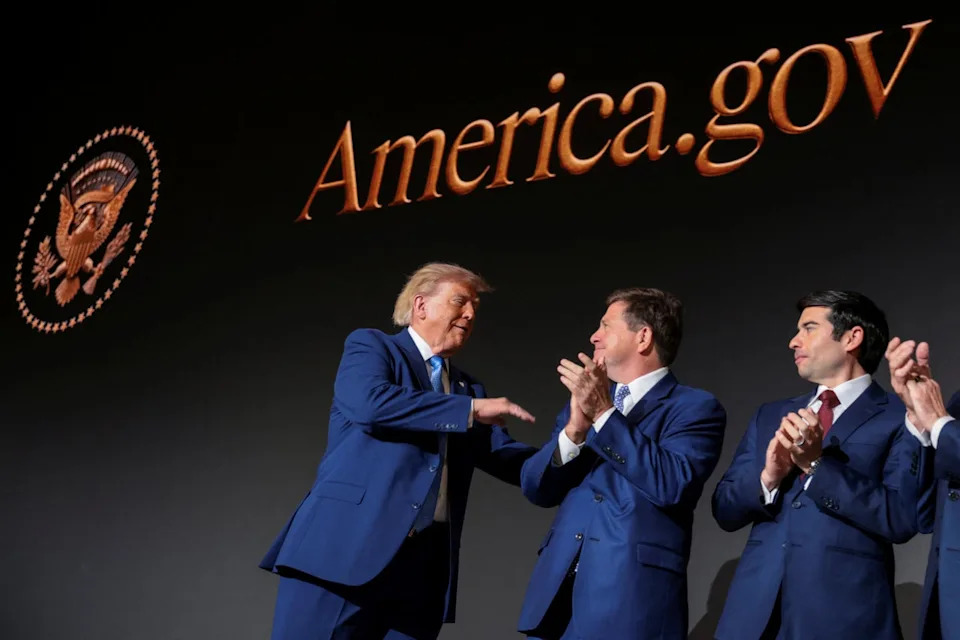
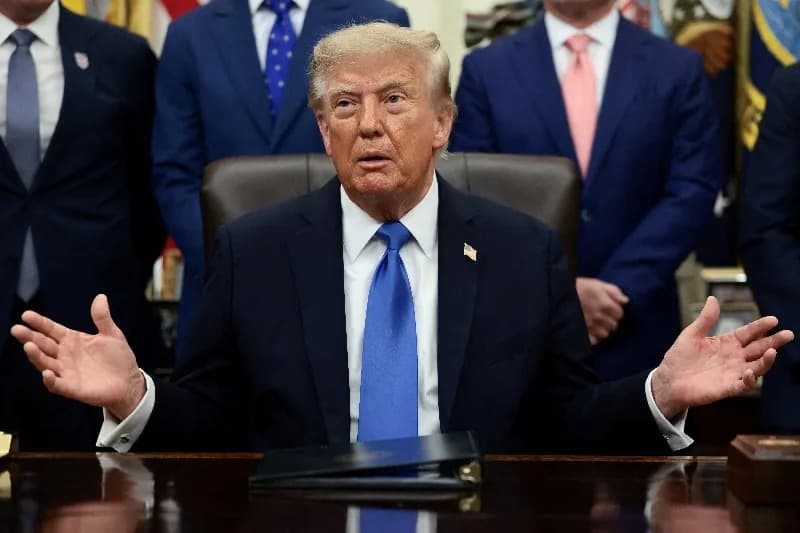
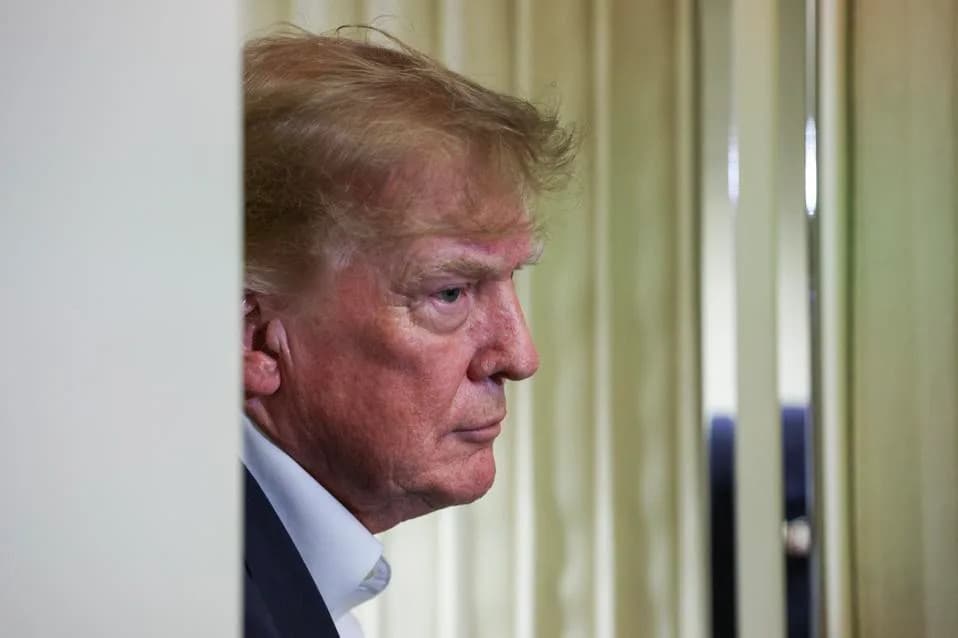
Donald Trump congratulates members of the National Design Studio at the launch of America.gov (Reuters)
Expert Warnings And Risks
Experts warn that routing responsibilities from agency websites and civil servants to an AI front end presents efficiency opportunities but also raises serious concerns about privacy, security, accuracy and workforce impacts. Both Grok and Google’s Gemini — technologies the administration cites as underlying America.gov — include disclaimers that their outputs may be incomplete, unreliable or incorrect. That raises questions about liability, error correction and how sensitive personal data will be protected.
Potential Policy Implications
Launching America.gov does not necessarily mean immediate structural changes across agencies, but the rollout aligns with broader administration efforts to reshape federal departments around cost-cutting and efficiency. Officials may in the future seek to move more agency tasks into the portal — a shift that could reduce staffing needs and alter how services are delivered.
"Anyone who has used Grok, or Gemini, or ChatGPT will understand instantly how to use America.gov. Not complicated," the president said at the event, also quipping that he preferred calling artificial intelligence "super intelligence."
As America.gov rolls out, oversight, transparency, and safeguards will be central questions for lawmakers, civil servants, and the public as they weigh convenience against potential risks to privacy, security and employment.
Help us improve.