Iraq has started importing gasoline through Syria's Baniyas port to work around the closed Strait of Hormuz, which previously handled roughly 20% of global oil and gas trade. A new three-month agreement lets Qatar-based UCC buy the fuel while Syria handles transport and transit fees; the first shipment arrived Thursday. Shipments are routed overland via al-Tanf, with Syrian officials aiming for about 200 tankers a day and exploring longer-term pipeline options.
Iraq Uses Syria's Baniyas Port to Import Gasoline as Strait of Hormuz Remains Closed
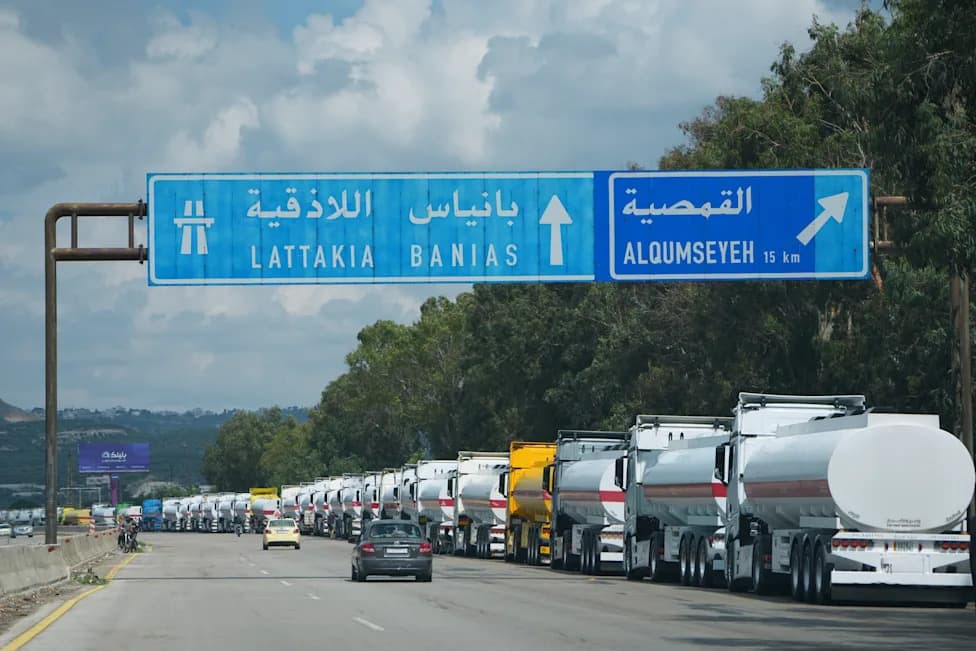
Tanker trucks carrying crude oil for export line up to enter the Mediterranean port of Baniyas, Syria, Tuesday, Sept. 29, 2026. (AP Photo/Omar Albam)(AP Photo/Omar Albam)
BANIYAS, Syria — Iraqi fuel trucks loaded gasoline at the Baniyas port on Tuesday as Baghdad seeks to meet surging domestic energy demand while the strategic Strait of Hormuz remains closed and mediators work with Iran and the United States to end the war, The Associated Press reports.
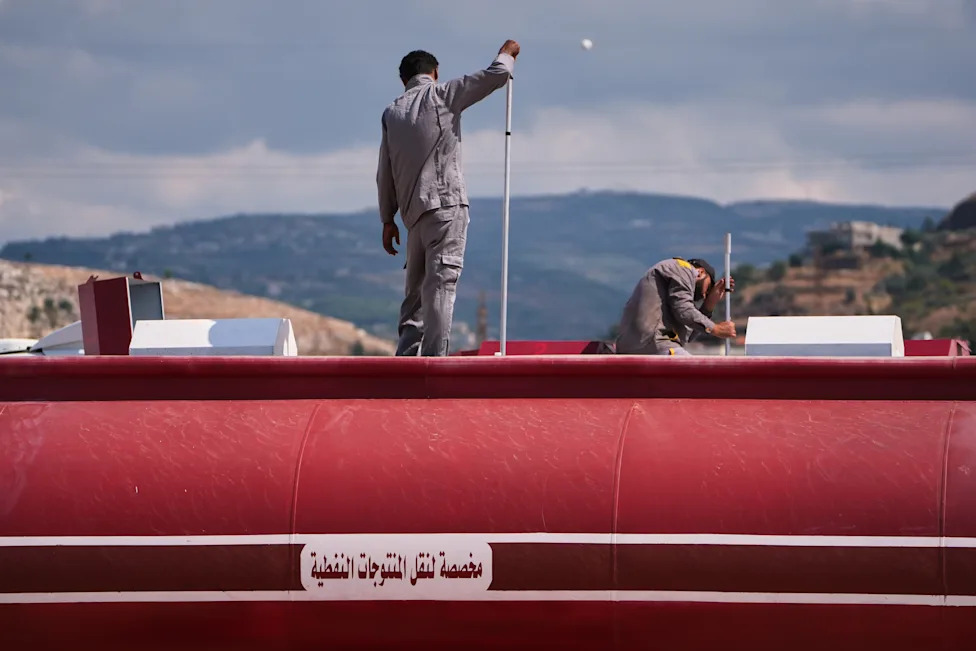
Workers measure gasoline levels in tanker trucks at the Baniyas Oil Terminal, a seaport in Baniyas, Syria, Tuesday, Sept. 29, 2026. (AP Photo/Omar Albam)(AP Photo/Omar Albam)
The disruption of the strait has sent shock waves through the global economy, forcing countries to look for alternative routes and driving fuel prices sharply higher. Before the conflict, about one fifth of the world's traded oil and gas transited the narrow waterway.
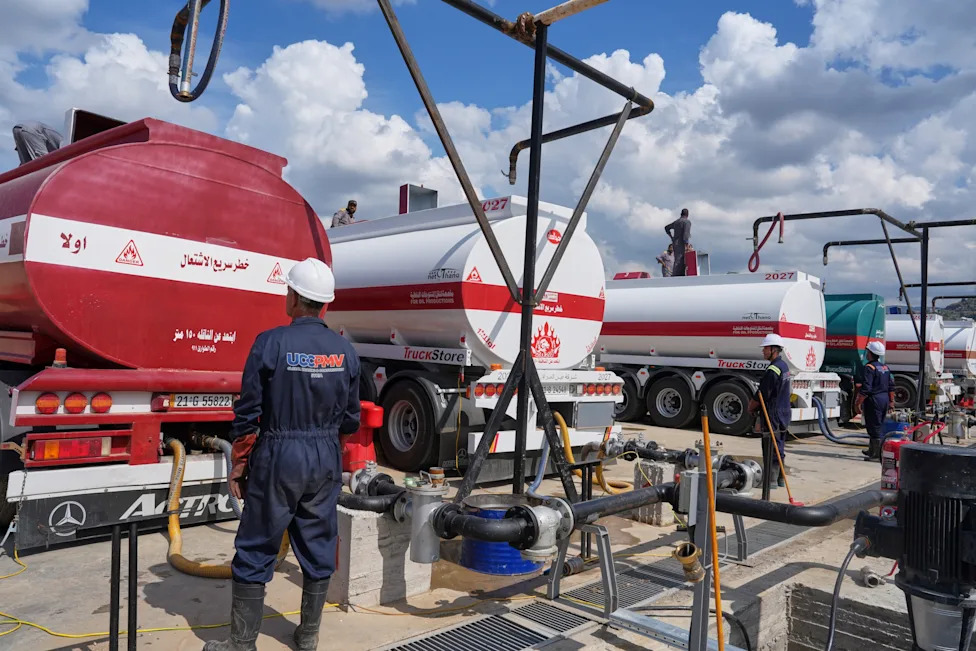
Workers load tanker trucks with gasoline pumped ashore from oil tankers and held in storage tanks at the Baniyas Oil Terminal in Baniyas, Syria, Tuesday, Sept. 29, 2026. (AP Photo/Omar Albam)(AP Photo/Omar Albam)
Syria, now led by interim president Ahmad al-Sharaa after the December 2024 removal of Bashar al-Assad, has moved to capitalize on the disruption by offering an alternate corridor through the Baniyas port. Markets in Europe and the United States have already used the facility for exports and imports.
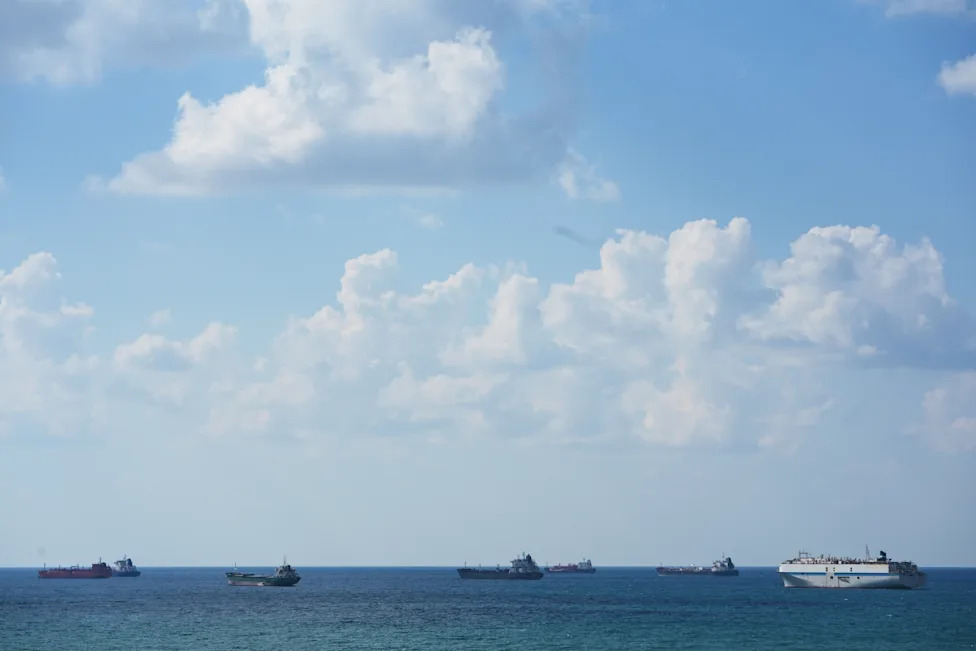
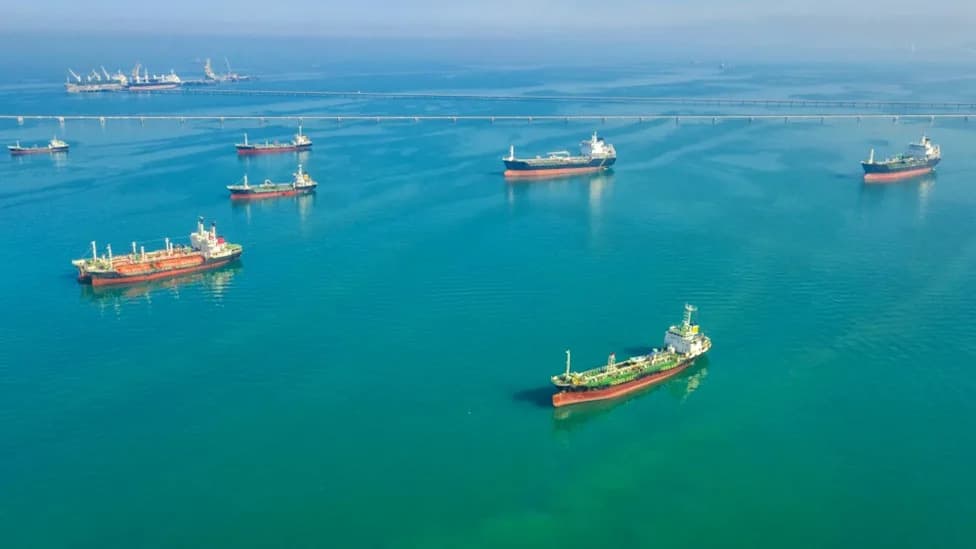
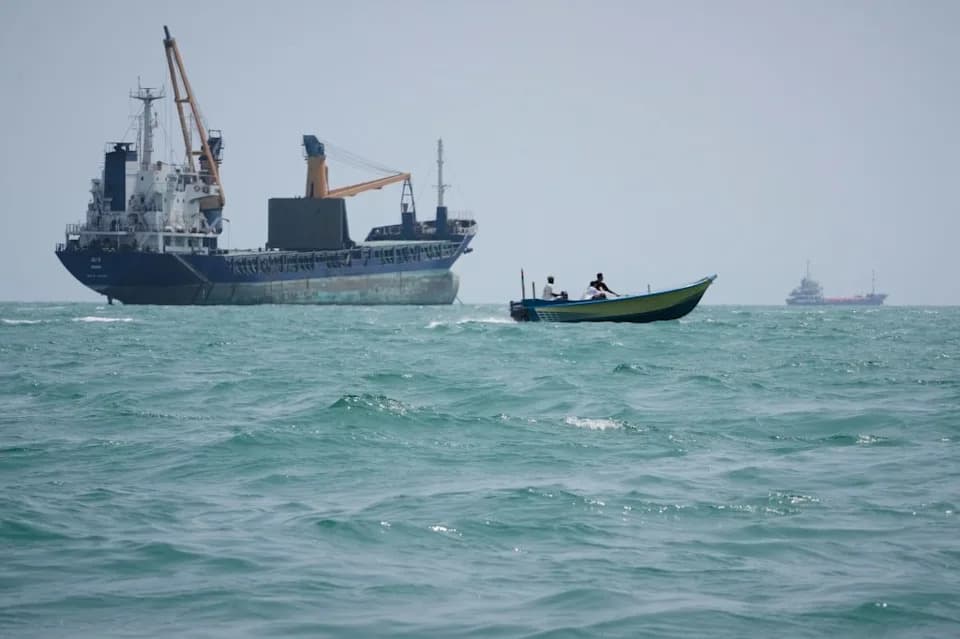
Oil tankers awaiting clearance are anchored alongside other vessels off Baniyas, Syria, Tuesday, Sept. 29, 2026. (AP Photo/Omar Albam)(AP Photo/Omar Albam)
For months, Iraq exported oil by trucking it through Baniyas as a workaround to the Hormuz closure. Under a new three-month agreement between Baghdad and Damascus, Iraq has now begun importing gasoline through the same route; the first shipment destined for Iraq arrived at Baniyas on Thursday.
Under the arrangement, the Qatar-based conglomerate UCC purchases the gasoline, while Syrian authorities manage transportation and collect transit fees. Shipments are moved overland into Iraq from the northwestern port and routed through al-Tanf in southeastern Syria.
Ahmed Qubbaji, deputy head of the state-run Syrian Petroleum Company, told The Associated Press that Syria is preparing to bring in up to 200 tankers daily bound for Iraq. He also said planners are considering longer-term infrastructure, including subsea and cross-border pipeline options, rather than relying solely on interim trucking corridors.
Why it matters: Rerouting fuel via Baniyas highlights how regional trade patterns are changing in response to disruptions at sea, and it underscores the growing importance of overland and alternative maritime corridors in stabilizing energy supplies.
Help us improve.