Iraq has declared four "Sovereignty Days" to mark the exit of the last US advisory troops, completing a withdrawal that began in 2020. Prime Minister Ali al-Zaidi is using the moment to push for disarming militias and reasserting state control by June 2027, but many Iran-aligned groups have resisted. Analysts warn the pullout creates both political opportunities for Baghdad and security gaps — notably in air defence — while shifting US-Iraq ties toward intelligence, training and institutional cooperation.
Iraq Marks 'Sovereignty Days' as Last US Troops Exit — A Risky Push To Reclaim State Control
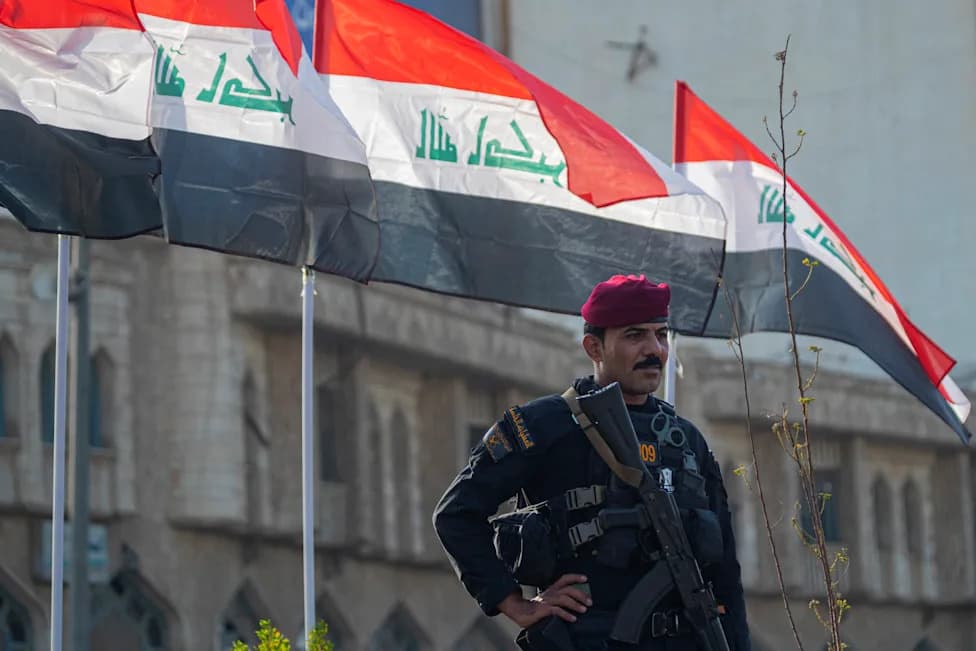
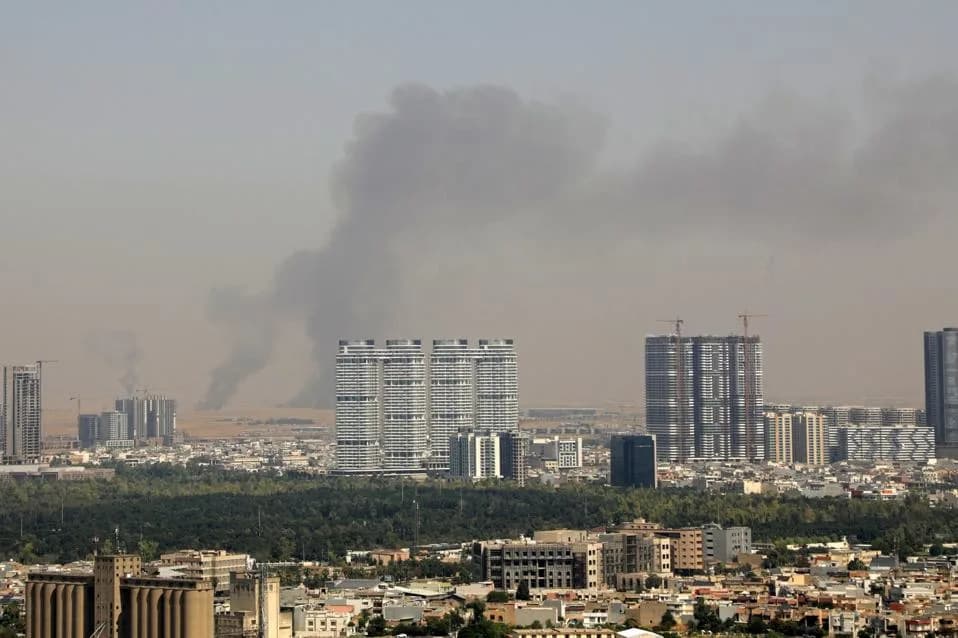
A member of Iraq's security forces is seen in Baghdad's Tahrir Square [AFP]
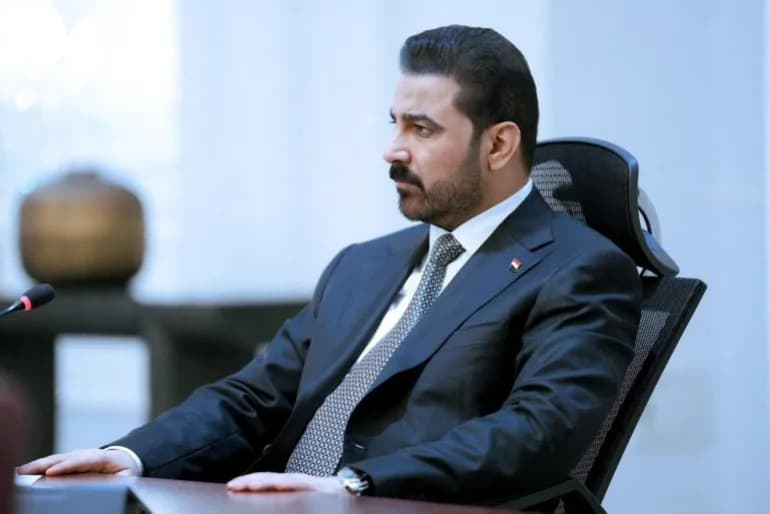
Iraq has declared four Sovereignty Days to mark the complete withdrawal of the last few hundred US personnel, ending the on-the-ground role of the coalition that first formed in 2015 to fight ISIL. The pullout — consolidated at an Erbil airbase at the end of 2025 — is highly symbolic and central to Prime Minister Ali al-Zaidi's broader effort to reassert state authority.
What the Withdrawal Means
The departing US forces served primarily as advisers under the banner of "Operation Inherent Resolve." While the exit predates Mr. al-Zaidi's premiership, he has framed it as an opportunity to shift Iraq's relationship with strategic partners from a military footing toward economic and development cooperation.
Disarming Militias: A Political Gamble
A core plank of al-Zaidi's agenda is to disarm and integrate militias into state institutions by June 2027, after pushing back an initial deadline of September 30, 2026. Many of these groups — including powerful factions aligned with Iran's Islamic Revolutionary Guard Corps (IRGC) — have resisted surrendering arms and some have openly refused to comply.
"The prime minister is clearly trying to build a political case to Iraqis that these forces that are more beholden to Iran... no longer have a political reason to have those weapons," said Douglas Silliman, former US ambassador to Iraq and Kuwait.
Analysts caution that the move to centralize control is a high-stakes political gambit: it could politically weaken militias but also create openings for Iran to deepen influence or provoke a domestic standoff.
Short-Term Stabilization Efforts
Al-Zaidi told reporters he secured assurances from both US and Iran-aligned groups for a 90-day pause in attacks after the withdrawal, a short-term confidence-building measure intended to prevent immediate escalation. Nevertheless, experts warn many pro-Iran militias remain operationally tied to the IRGC and continue to target US and regional interests.
Security Gaps And Operational Shifts
Operationally, Baghdad and Washington appear to be reverting primarily to the 2008 Strategic Framework, which provides non-binding security support. Officials have not publicly defined the specifics, but regional contacts suggest future cooperation will emphasize intelligence sharing, training, technical assistance, capacity-building and institutional ties rather than a visible combat footprint.
That shift will test whether a relationship forged during prolonged military intervention can mature into a conventional partnership between sovereign states. Iraqi security services — the military, police, counterterrorism units and Popular Mobilisation Forces — have improved substantially since ISIL's territorial defeat in 2017 and may blunt some fallout of the US exit.
Key Vulnerabilities
- Air Defense: Baghdad lacks a substantial indigenous air-defense network. US systems reportedly removed from Erbil included Patriot and C-RAM batteries, leaving a gap against drones, rockets and missiles that militias have used.
- Political Vacancies: Several senior security posts, including the defence minister, remain unfilled, complicating decision-making at a sensitive moment.
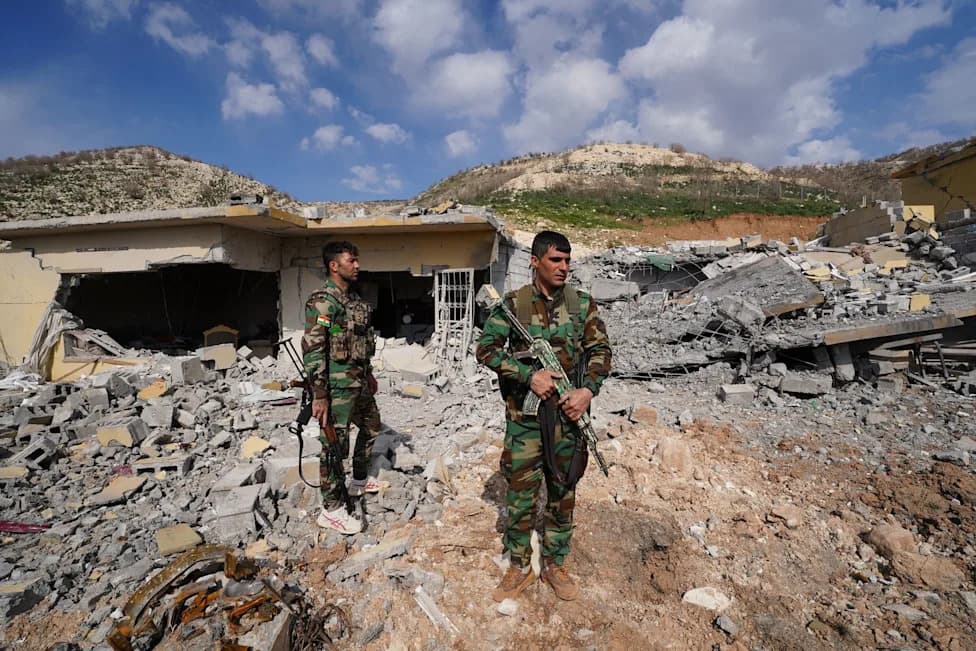
- Kurdish Concerns: Leaders in the Kurdistan Region have been vocal about the loss of US protective systems after a year of attacks on the region.
Regional And Economic Context
The withdrawal comes amid heightened regional tensions — notably the US-Israel confrontation with Iran — which have disrupted trade routes such as the Strait of Hormuz and contributed to an Iraqi oil output drop of up to 60% in March. Al-Zaidi has used the moment to promise an economic "renaissance," proposing expanded petrochemical investment and alternative export routes to reduce vulnerability.
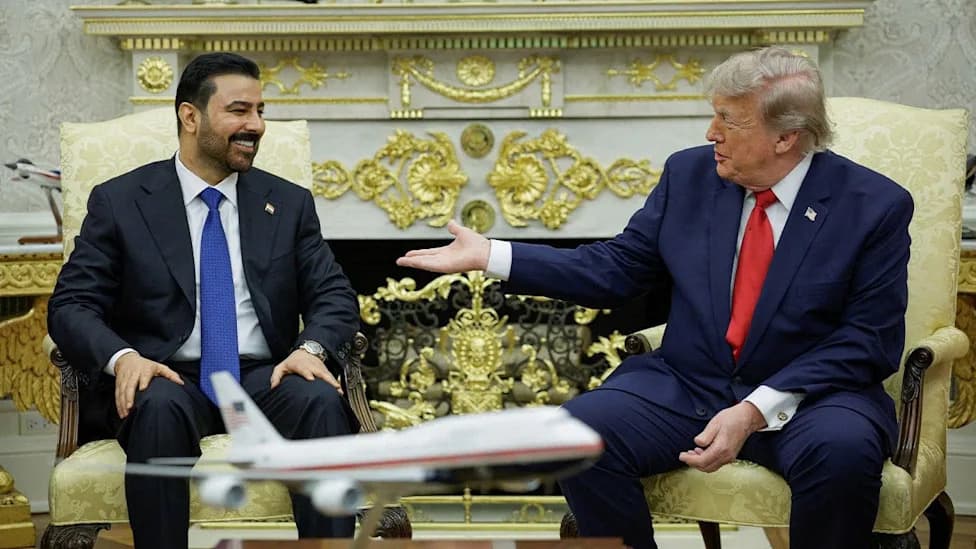
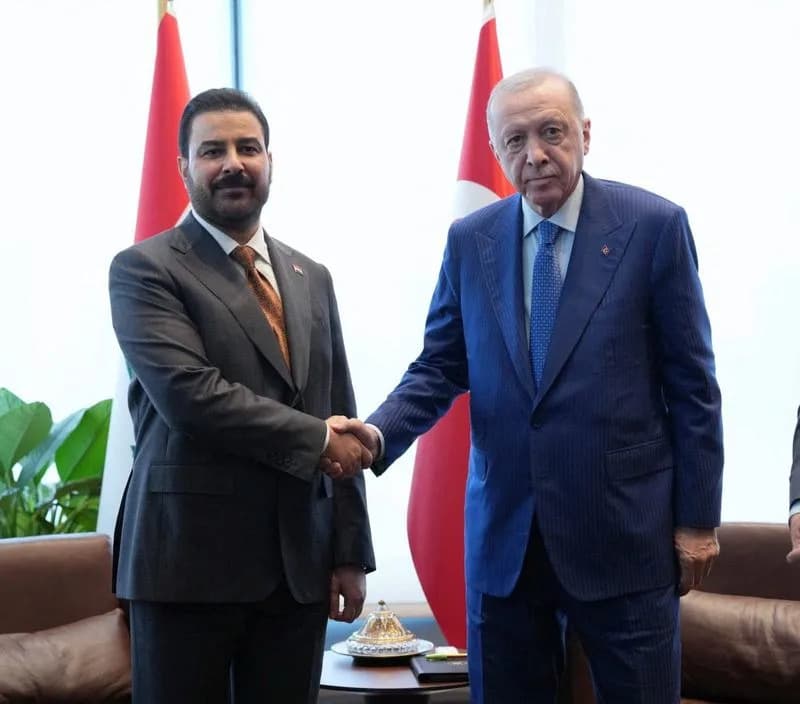
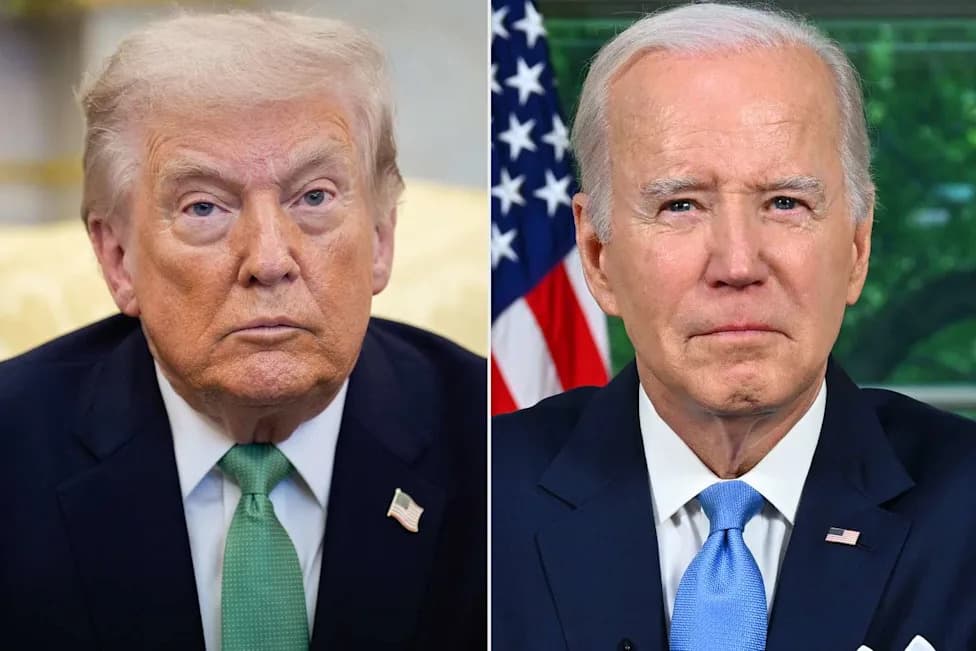
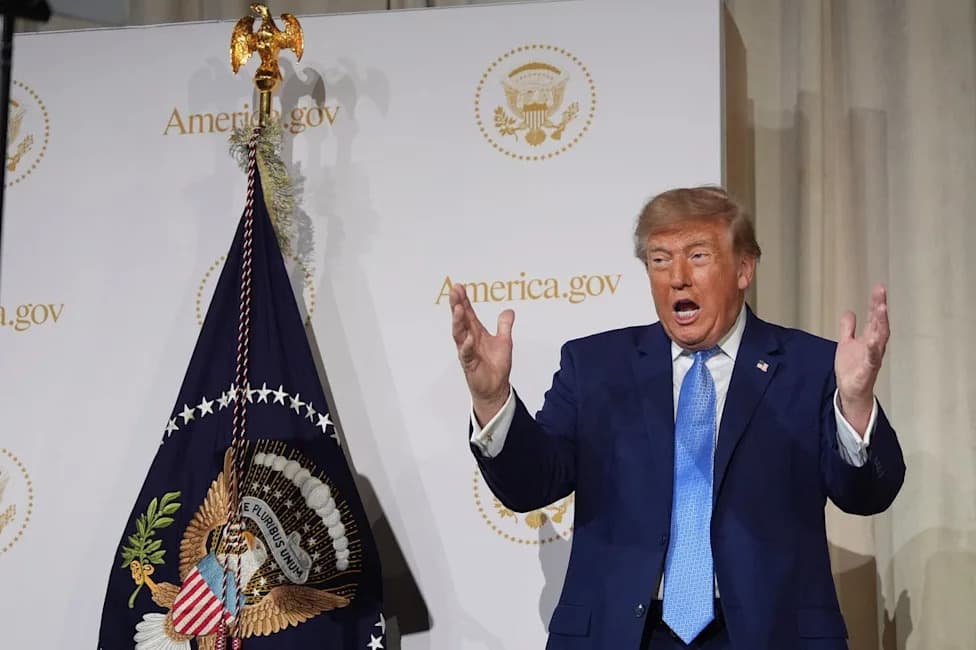
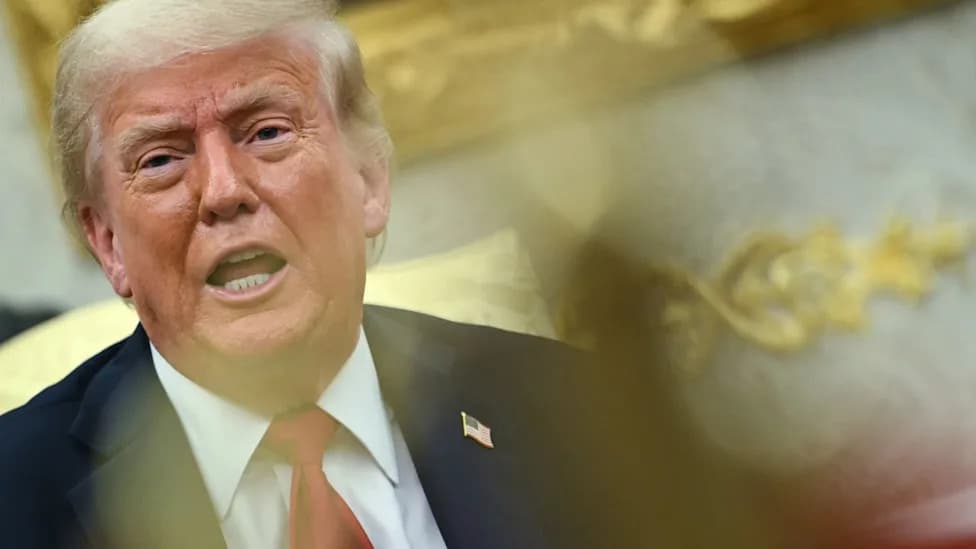
Washington has emphasized continued ties: the US still maintains its large embassy in Baghdad and a major consulate in Erbil. High-level meetings, including a July White House visit where former President Donald Trump spoke of potential deals, signal ongoing political and economic engagement even as the military footprint shrinks.
Expert Views
Renad Mansour (Chatham House) warned that many militias remain "in full-on war mode," coordinated with the IRGC. Mohammad Salih (Foreign Policy Research Institute) and others say enthusiasm for the withdrawal inside parts of the Iraqi government is tempered by concern about becoming a new theatre for regional escalation. Lahib Higel of the International Crisis Group urged Washington to prioritize cooperative support that helps Baghdad build institutions rather than pressuring it toward an unwinnable military confrontation with pro-Iran groups.
Outlook
The coming months will be decisive: Baghdad must reconcile an ambitious disarmament timetable with fragile security, political rivalries and regional pressures. Success could strengthen Iraq's sovereignty and open space for economic renewal; failure risks renewed violence, deeper external influence and pressure on US-Iraqi relations.
Reporting contributions by Kristen Talman. Quotes and analysis drawn from interviews with diplomats, regional experts and policy analysts.
Help us improve.