A major investigation by the Environmental Justice Foundation (EJF), shared exclusively with CNN, finds that almost 93% of known plastic chemicals used in everyday items — from food packaging and clothing to toys and medical supplies — pose a high risk to human health.
Key Findings
The EJF report, Poison Plastics: How Chemicals in Everyday Plastics Are Harming Your Health, combined evidence on chemical hazards with exposure estimates to classify overall health risk. The analysis looked across five common categories of plastic use and found consistently high proportions of chemicals of concern:
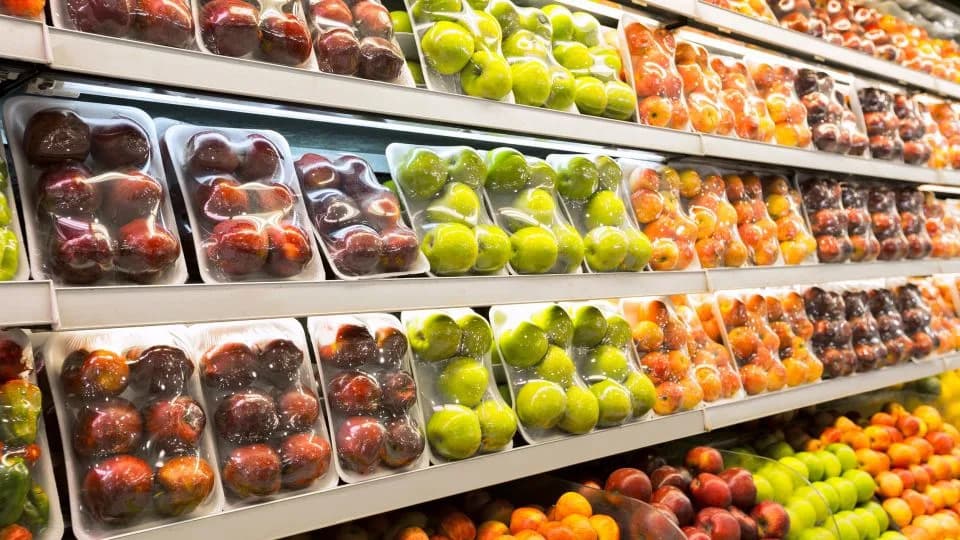
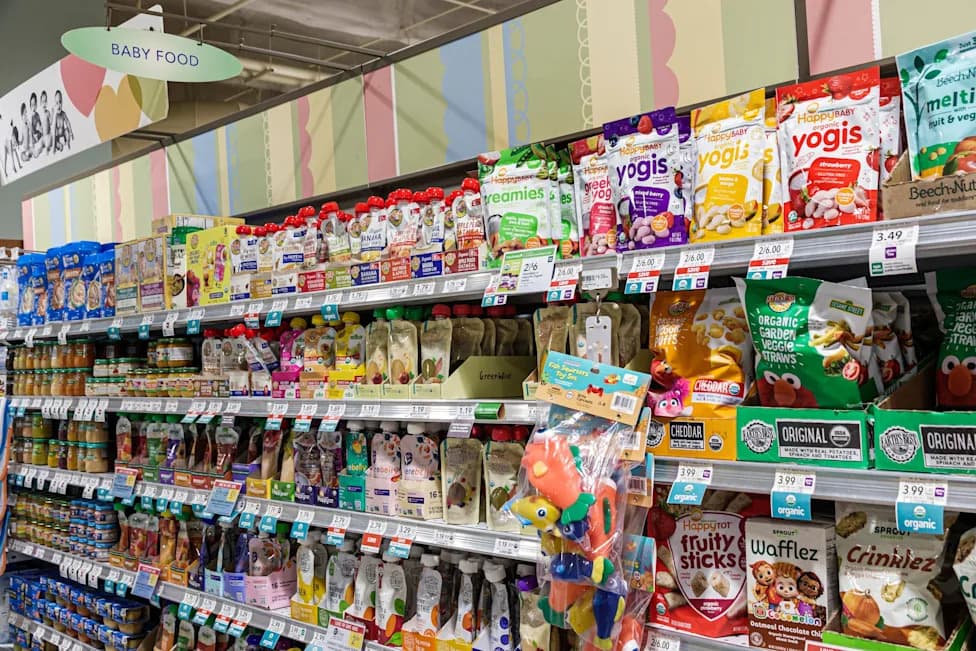
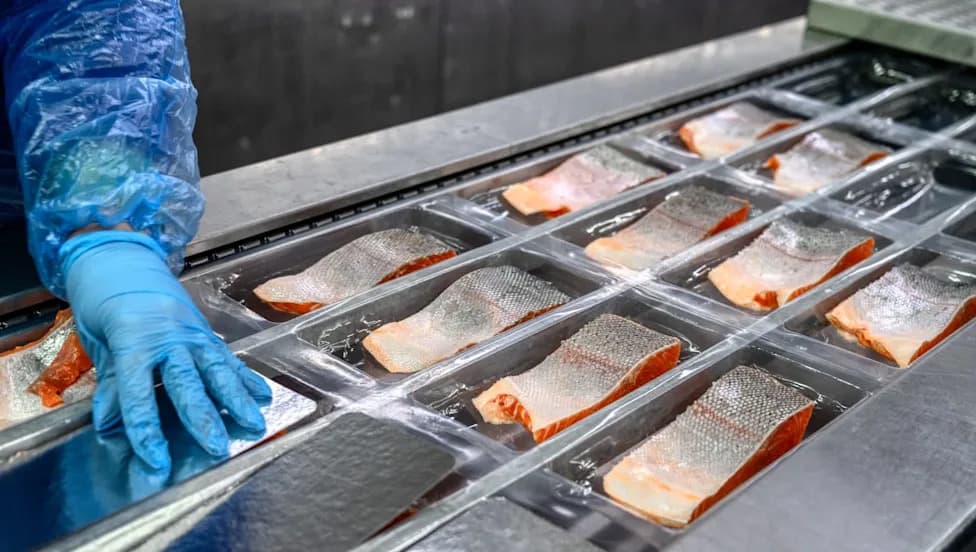
- Food-contact plastics: ~92% of identified chemicals classified as high risk.
- Children's toys: ~89% contained high‑risk chemicals.
- Textiles and clothing: ~93% contained dangerous chemicals.
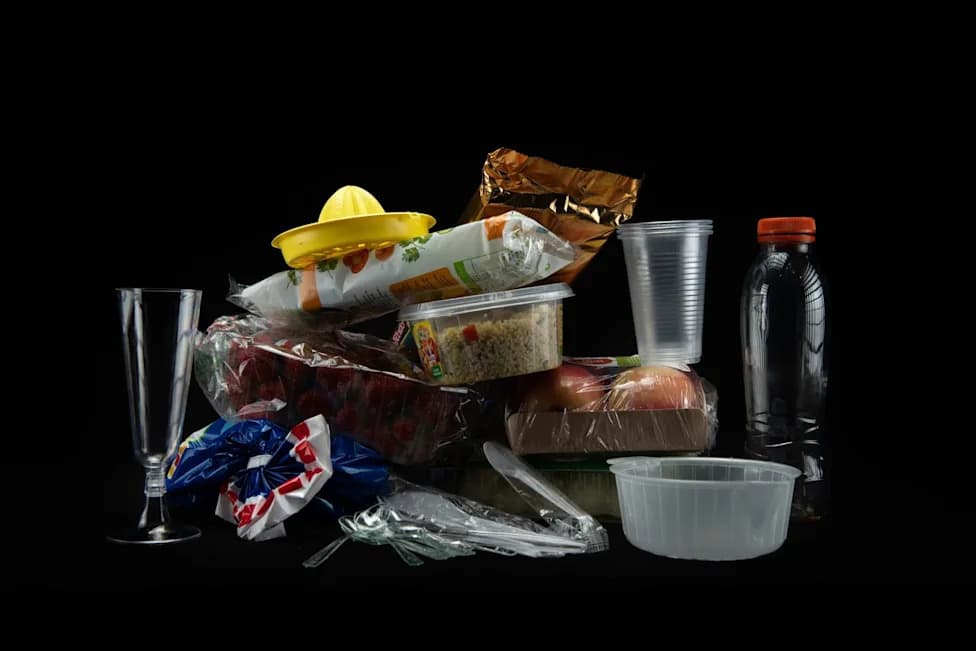
- Household items: >92% of everyday products such as kitchenware, bottled water containers, gardening tools and office supplies contained high‑risk chemicals.
- Hygiene and medical products: ~93% of items like dental floss, tampons, pill casings, patches and syringes contained chemicals of concern.
Large Gaps in Knowledge
While the proportions of high‑risk chemicals are striking, the report emphasizes a major problem: data gaps. Of the 3,552 plastic‑associated chemicals the EJF evaluated, nearly 80% lacked sufficient toxicity or exposure information to determine their risk. That means many substances in everyday products remain poorly characterized.
“We simply do not have a clue what harm those chemicals might be causing us and our kids,” said Dr. Philip Landrigan, a pediatrician and public‑health expert, summarizing the concern over unknown chemical hazards.
PlastChem And Broader Context
The EJF used the PlastChem database — an international resource that identified roughly 16,000 chemicals in plastics. PlastChem categorized about 4,200 of those chemicals as "highly hazardous" and found more than 10,000 with no available toxicity or exposure data.
Priority groups include bisphenols (e.g., BPA), phthalates and per‑ and polyfluoroalkyl substances (PFAS). Many of these additives are endocrine disruptors, persistent, bioaccumulative and mobile in the environment, increasing their potential to harm human health and ecosystems.
Regulatory Coverage And Industry Response
The report notes that more than half of known high‑risk chemicals are not currently regulated by major jurisdictions or covered by international treaties such as the Basel, Minamata, Montreal, Rotterdam and Stockholm conventions. EJF researchers also point out that the United States has not ratified several of these agreements.
The American Chemistry Council (ACC), representing chemical manufacturers, urged caution, saying the EJF analysis omitted certain industry and regulatory databases — such as the International Council of Chemical Associations' additives list — and that excluding regulatory lists from the analysis could mischaracterize the regulatory status of some chemicals.
Scale And Urgency
Global plastic production has surged from roughly 2 million metric tons per year in 1950 to more than 430 million metric tons today, with projections of further rapid growth by 2050. That growth, combined with thousands of chemical additives, multiplies potential exposure pathways and public‑health concerns.
What The Report Recommends
- Greater transparency from industry about chemical identities and uses in consumer products.
- Expanded testing and monitoring to fill data gaps on toxicity and exposure.
- Stronger regulatory coverage and international coordination to limit or phase out the most hazardous additives.
The EJF investigation highlights both the scale of chemical exposure from everyday plastics and the significant scientific and regulatory blind spots that make it difficult to fully assess and manage health risks.