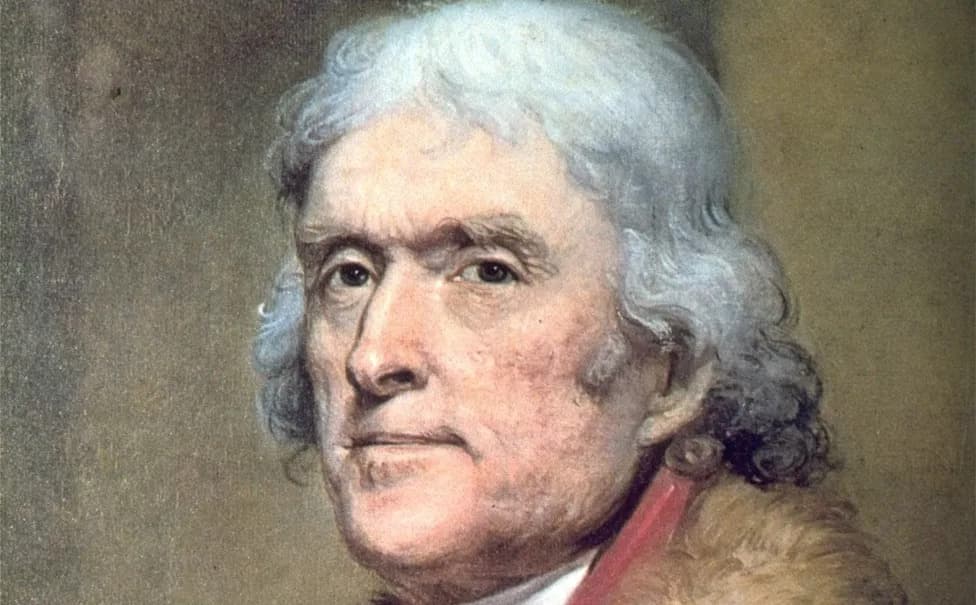
A strand of hair found in Thomas Jefferson’s Bible prompted a decade-long genomic investigation using historic hairs and DNA from 16 living descendants. Researchers reconstructed Jefferson’s genome and report about a 99.96% probability that he fathered at least one child with Sally Hemings. The results build on a 1998 Y‑chromosome study but offer greater resolution because they include DNA attributable to Jefferson; the supporting paper is posted on bioRxiv and has not yet been peer‑reviewed. The identity of the Bible hair’s owner remains unknown.
New Genomic Analysis Strengthens Link Between Thomas Jefferson and Sally Hemings’ Children
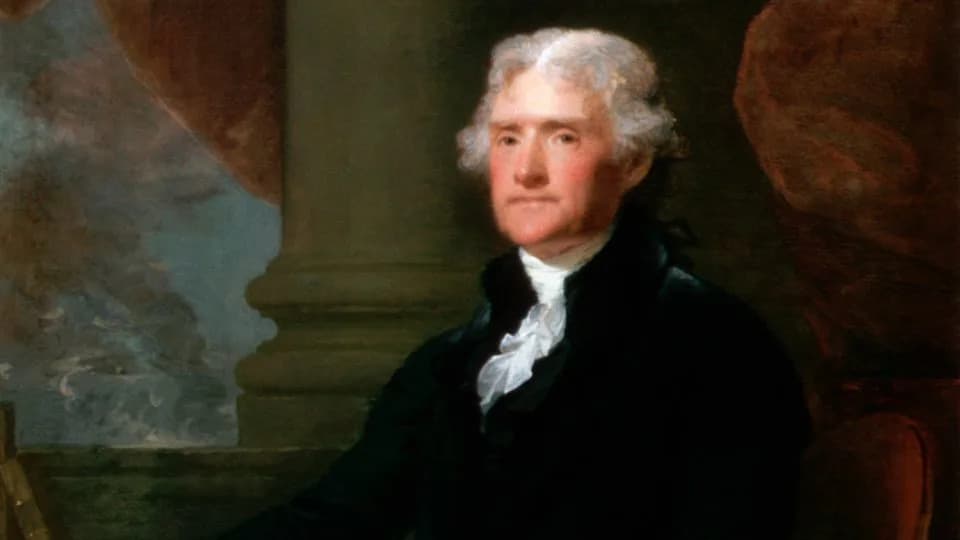
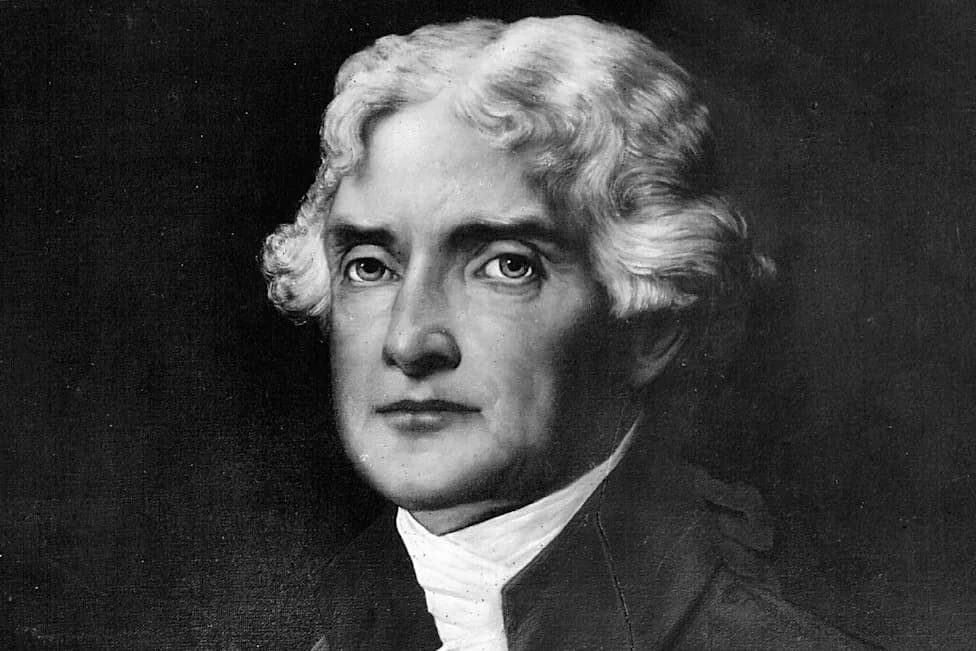
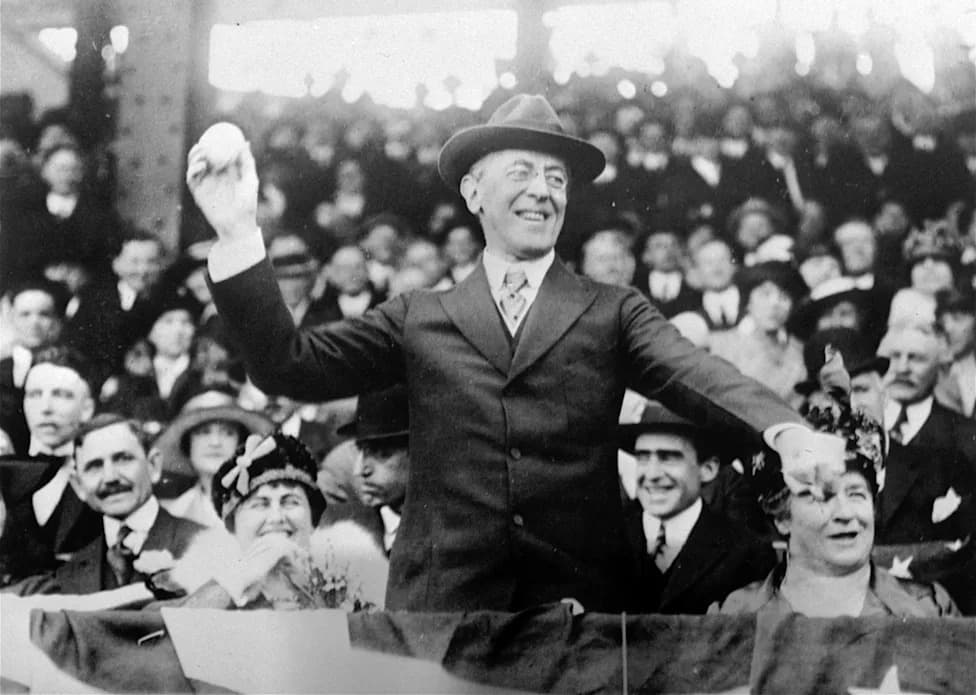
Thomas Jefferson has long been rumored to have fathered children with Sally Hemings. New genetic evidence strengthens that connection. (Photo by Burstein Collection/Corbis/VCG via Getty Images) - Burstein Collection/Corbis/Getty Images
A strand of reddish-blond hair found inside a Bible that once belonged to Thomas Jefferson set off a more-than-decade-long genetic inquiry that has produced some of the clearest evidence yet about his relationship with Sally Hemings, an enslaved woman at Monticello.
Researchers reconstructed genomic data from multiple historic hair samples attributed to Jefferson — including a lock reportedly clipped the day he died, July 4, 1826 — and compared those reconstructions with DNA from 16 living descendants linked to different branches of the Jefferson and Hemings families. Their analyses indicate a ~99.96% probability that Thomas Jefferson fathered at least one of Sally Hemings’ children.
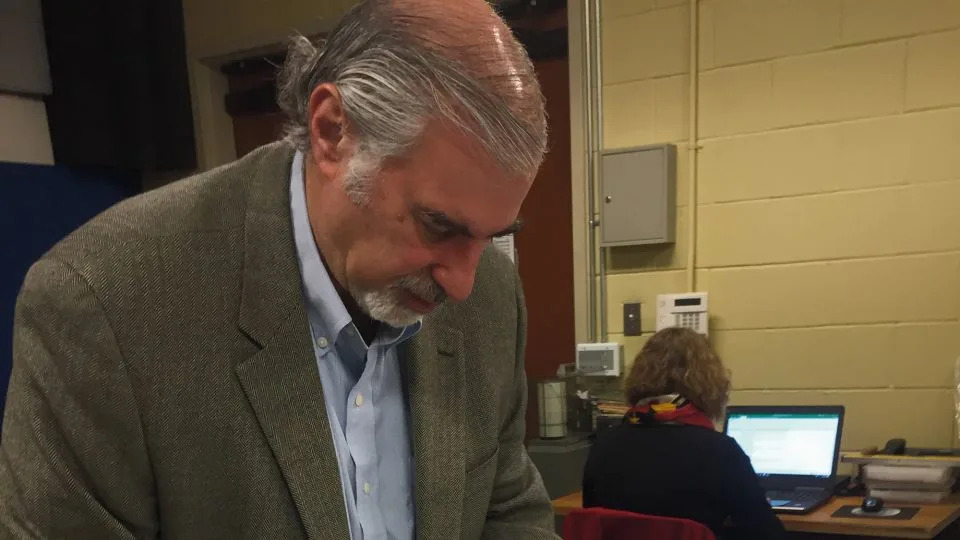
Richard Kurin, author of the recent book and paper about the genetic connections between Thomas Jefferson and Sally Hemings, examines collection items. - Danielle Kurin
Book, Paper and Methods
The full history of the investigation and its methods is presented in Richard Kurin’s new book, History by a Hair: Thomas Jefferson, Sally Hemings & Solving a 200-Year-Old Mystery (published September 22). Kurin is also senior author of a methods paper posted September 21 on the preprint server bioRxiv; that paper has not yet been peer-reviewed.
Unlike an earlier 1998 study that identified a Jefferson-line Y-chromosome haplotype in male descendants of the Hemings family but lacked DNA directly attributable to Thomas Jefferson himself, the new work reconstructs Jefferson’s genomic signature from hair samples and compares it with multiple living descendants across several family branches. That broader, multi-sample approach reduces ambiguity about whether the Hemings descendants were related specifically to Thomas Jefferson or to another male in the Jefferson lineage.
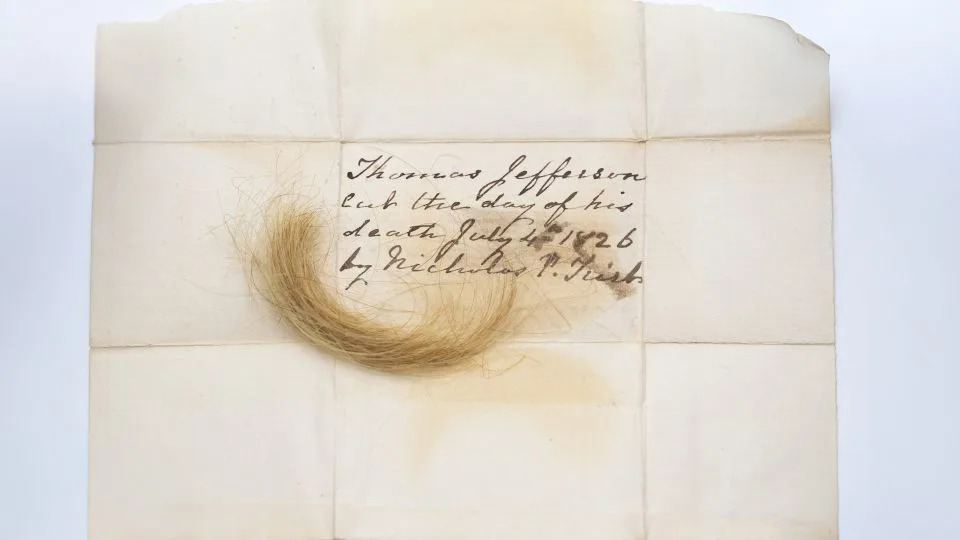
A lock of hair taken from Thomas Jefferson on the day of his death on July 4, 1826. This sample was used in additional DNA analysis. - Ian Aktins/Thomas Jefferson Foundation at Monticello
What the Researchers Did
Scientists began by testing the Bible hair but found its mitochondrial DNA did not match a living matrilineal descendant of Jefferson’s mother, so the fragment proved not to be the decisive sample they hoped for. They then analyzed additional authenticated hairs held by the Thomas Jefferson Foundation at Monticello and other museum collections. From those specimens they reconstructed historic genome segments for Jefferson, compared them with DNA from Hemings descendants (including descendants of Eston and Madison Hemings), and evaluated patterns of shared DNA across all samples.
“What made this study so powerful is that researchers weren't just comparing two genomes,” said Éadaoin Harney, a population geneticist not involved in the study. By collecting samples from multiple branches of both families, the team could more confidently disentangle relationships and rule out other male-line relatives.
Context and Remaining Questions
The findings build on the 1998 genetic work but provide stronger resolution by incorporating Jefferson-attributed hair into the comparison. The researchers emphasize that the preprint has not completed peer review; independent evaluation and possible replication remain important next steps in the scientific process.
One lingering mystery is the origin of the reddish-blond hair discovered in Jefferson’s Bible: the fragmentary data indicate it belonged to a female member of the Jefferson family, but researchers could not identify her specifically. The study also highlights the power of genomic tools to illuminate the lives and connections of people omitted or misrepresented in historical records — especially enslaved individuals whose histories were poorly documented.
Reporting: The research and book were reported by multiple outlets; the primary paper is currently available as a preprint on bioRxiv. Ethical and historical context remain central to interpretation of these genetic findings.
Help us improve.