President Trump will host Chinese President Xi Jinping for a state visit days after claiming the U.S. leads China in AI. Despite tough rhetoric, the White House approved sales of Nvidia H200 chips to vetted Chinese buyers under profit-sharing terms and may extend a pause on stricter export controls. Top tech CEOs attending the state dinner underscore the industry's dependence on Chinese rare earths and the political pressures that complicate stricter AI controls. Critics warn these trade-offs could weaken safety measures and threaten U.S. AI leadership.
Trump Hosts Xi After Vowing to “Win” the AI Race — Supply and Politics Complicate That Promise
Trump insists the US ‘win AI’ over China — or else. The reality is even more stark
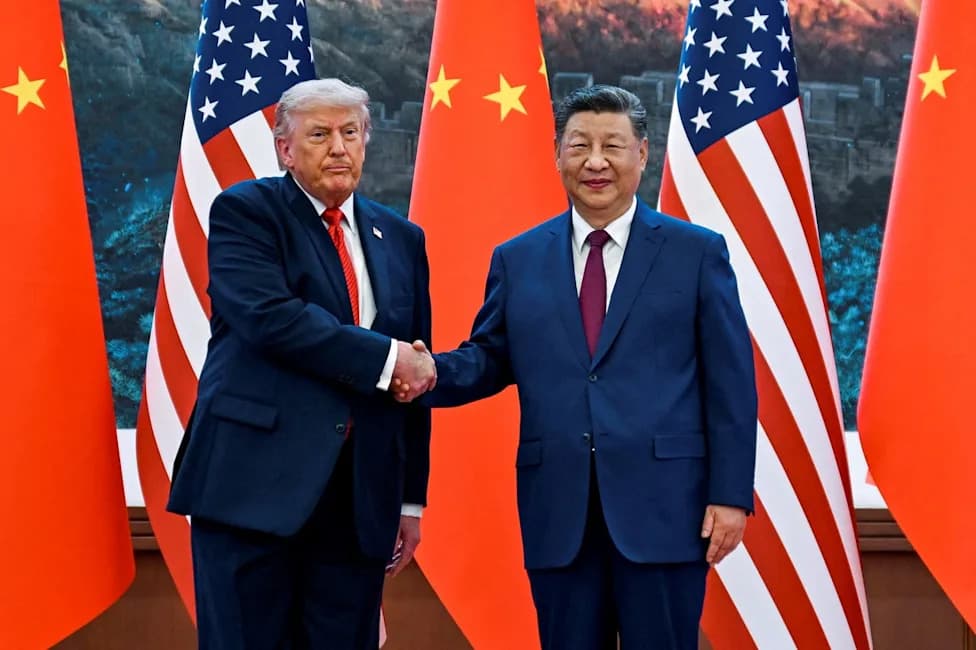
Less than 24 hours after declaring that the United States was "leading China by a lot" in the battle to build advanced artificial intelligence, President Donald Trump prepared to host Chinese President Xi Jinping for a state visit — Xi's first such trip in nearly a decade.
The summit follows Mr. Trump's May visit to Beijing, where he described a "special relationship" and called discussions "extremely positive and productive" across a range of issues. But beneath the rhetoric, trade and supply realities are complicating the administration's stated goal of ensuring U.S. AI leadership.
From Tough Talk to Market Compromises
Publicly, the president has pushed a largely hands-off, laissez-faire approach to AI regulation, reinforced when he signed a set of AI executive orders in July 2025. Yet in practice the administration has often opted for market-driven compromises rather than maximalist restrictions.
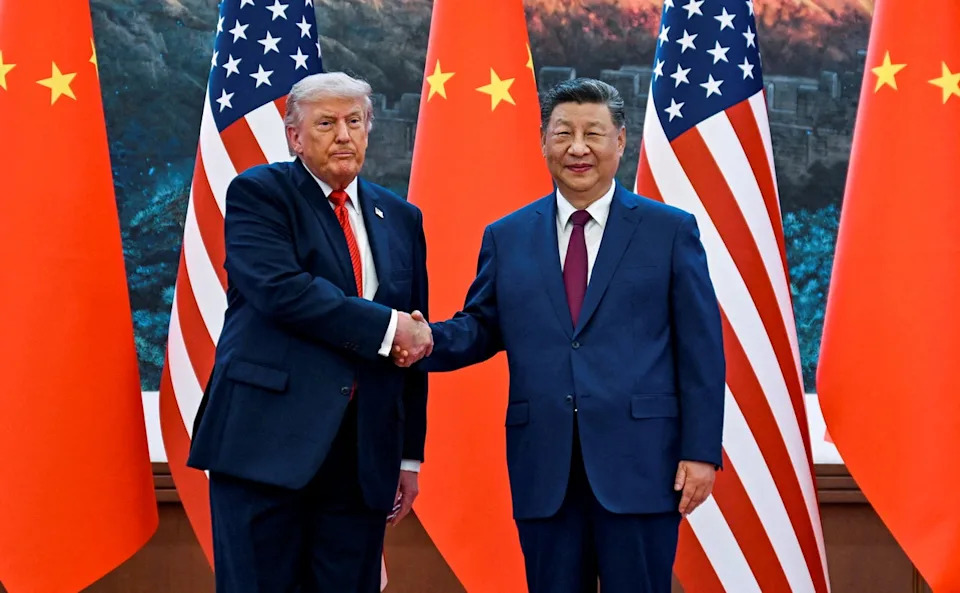
The scene as U.S. President Donald Trump participates in events at the Great Hall of the People and does a greeting with the President of the People's Republic of China Xi Jinping May 14, 2026, in Beijing China (Reuters)
Late last year the White House approved sales of Nvidia's advanced H200 accelerators to vetted Chinese buyers under a deal that reportedly included a Treasury Department condition to capture roughly a quarter of the profits. That arrangement mirrored an earlier, looser authorization in 2025 for weaker H20 chips.
The administration also appears poised to extend a pause on more stringent export controls that had drawn Beijing's ire — a standoff that led China to briefly halt shipments of some rare earth materials until a temporary truce was reached. That truce is due to expire next month, reopening the risk of renewed supply restrictions.
Who's At the State Dinner — And Why It Matters
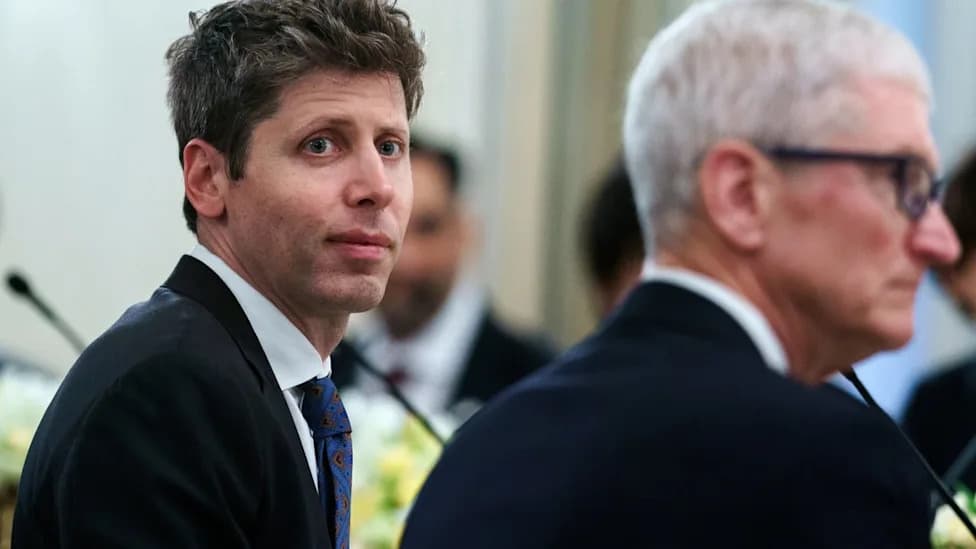
Senior U.S. officials say the guest list for the state dinner includes high-profile tech and business leaders: Jeff Bezos, Elon Musk, Sundar Pichai, Michael Dell, Jensen Huang, Sam Altman, Jane Fraser and Tim Cook. With the exception of Jane Fraser of Citi, these executives represent companies with deep commercial ties to China.
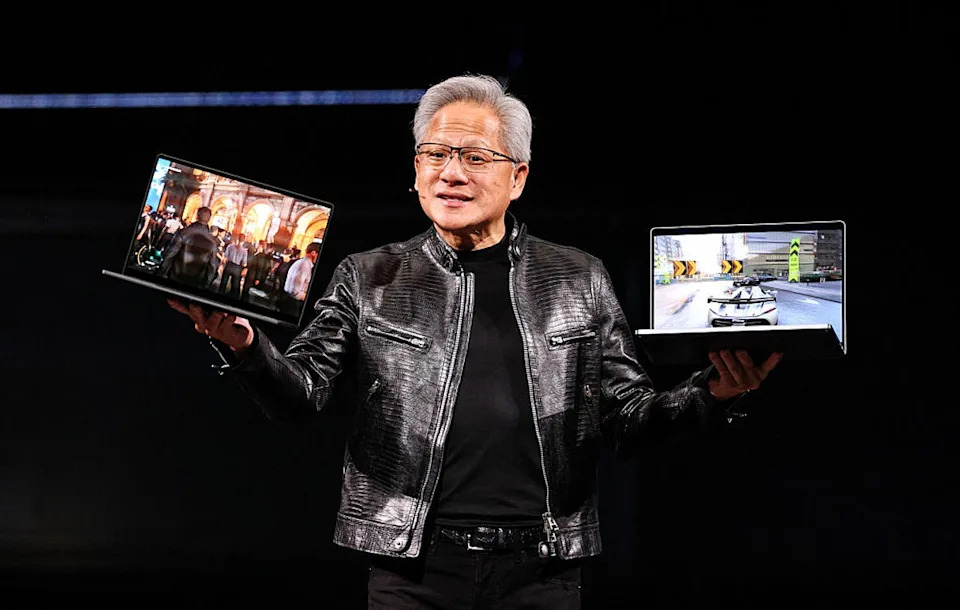
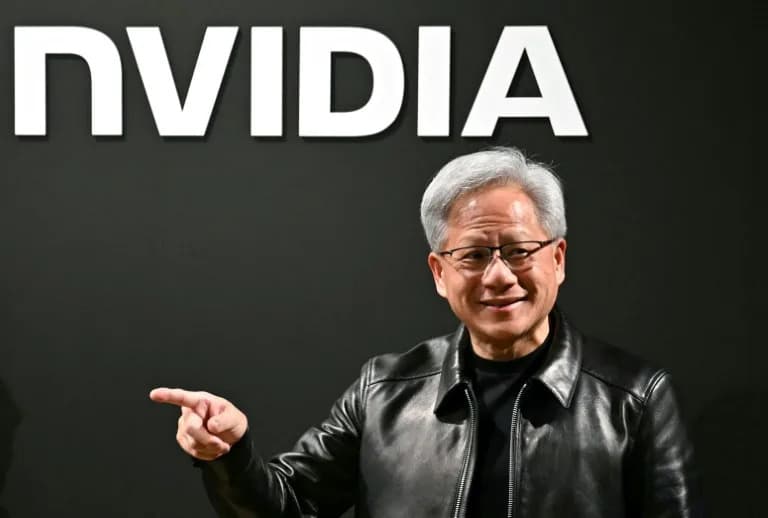
Nvidia CEO Jensen Huang, whose company produces the microchips that AI developers lean on to advance the technology, introduces the RTX Spark laptop during his keynote speech at Computex 2026 in Taipei in June (AFP/Getty)
Those ties matter because many U.S. technology supply chains depend on Chinese-controlled inputs, particularly rare earth elements. Without reliable access to those materials, manufacturers such as Apple and Google could face production constraints for phones; Dell could struggle to build computers; and chipmakers such as Nvidia could be hampered in producing the accelerators that power large AI models.
Implication: Economic dependencies create political pressure. Tech companies that need Chinese materials also represent major economic and political influence, complicating tougher export controls that could slow AI proliferation.
Safety, Strategy and Short-Term Interests
When the president says the U.S. must "win" the AI race, he may sincerely believe it. But analysts warn that continued export approvals for key AI chips, combined with sustained dependence on Chinese rare earth supplies and close ties between industry and government, could erode that lead — and may increase the risk that safety concerns get deprioritized in favor of commercial access and short-term political interests.
Critics argue the net effect is a trade-off: preserving supply chains and corporate access at the potential cost of weaker, safety-focused controls on AI hardware and software. Supporters counter that deep, sustained engagement and market access are necessary to keep U.S. companies competitive globally.
Whichever path the administration chooses, the state visit and its guest list make clear that geopolitics, supply chains and campaign and corporate interests are tightly intertwined in the race to dominate next-generation AI.
Help us improve.