The White House is increasingly isolated in opposing international AI governance, favoring accelerated U.S. development over global rules. President Trump and adviser Michael Kratsios have rejected certain U.N.-led interventions, while Chinese officials and many tech executives back coordinated safety frameworks. Polls show Americans worry about AI’s speed and job impacts, and congressional Republicans are split between supporting safety measures and the president’s push to accelerate. Industry groups are forming their own safety coordination efforts.
White House Stands Alone Against Global AI Safety Rules as Industry and Nations Push for Coordination
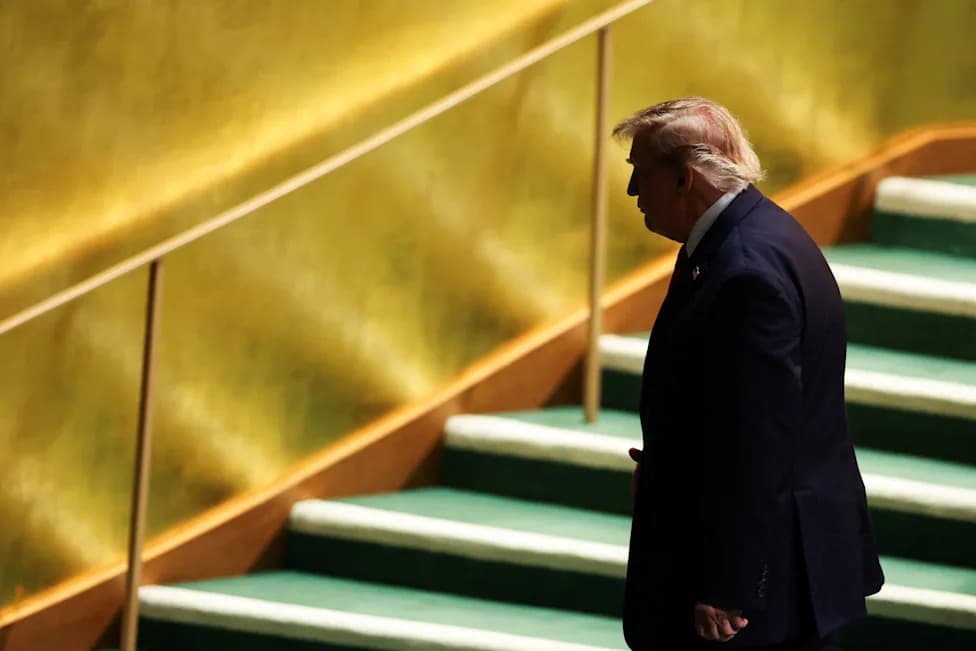
White House is isolated in brushing off AI safety
The White House and its closest allies have become an outlier in rejecting international governance of artificial intelligence, arguing that the United States should accelerate AI development rather than adopt binding global rules.
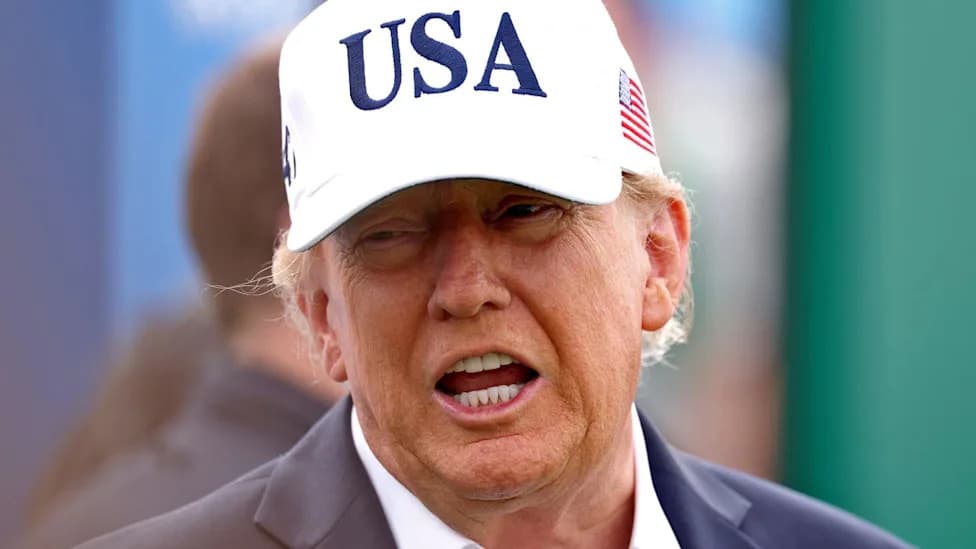
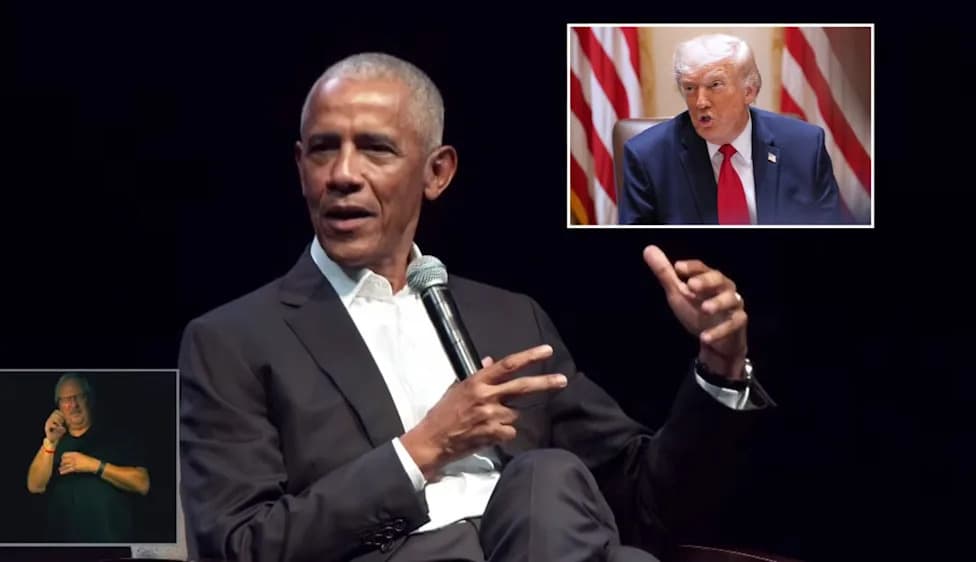
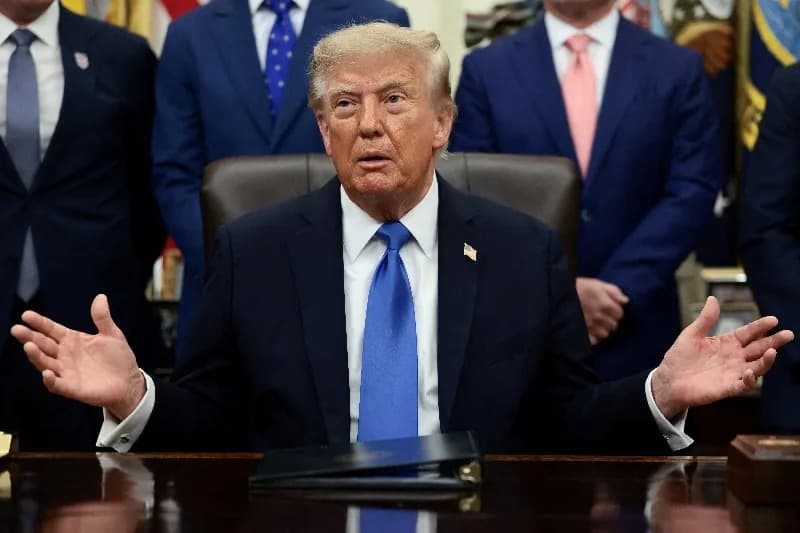
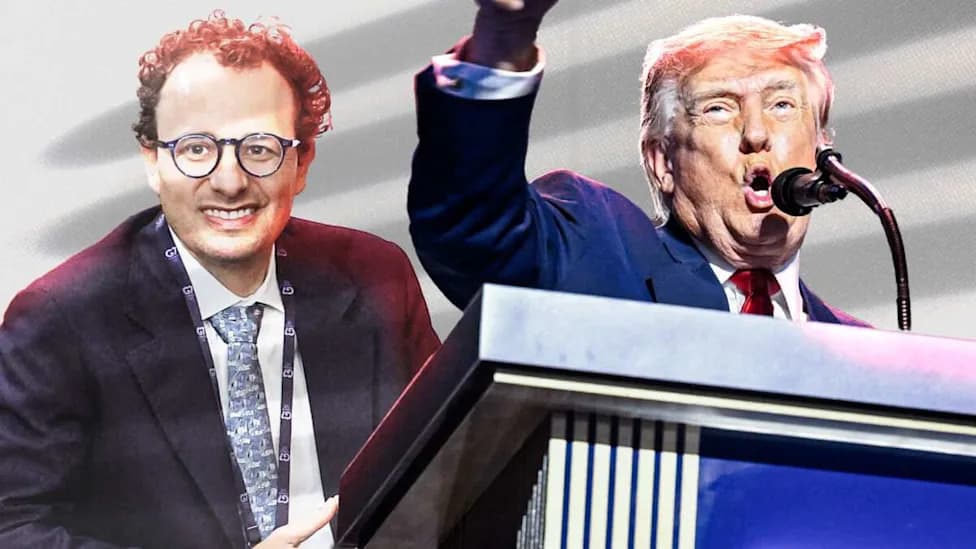
At the U.N. General Assembly in New York and during meetings with Chinese leader Xi Jinping in Washington, President Donald Trump’s team made a consistent case: U.S. companies lead the field in AI, they intend to keep that lead, and they oppose international efforts that might constrain development.
Trump’s call to leave AI "exactly where it is" contrasts sharply with statements from Chinese leaders and other international officials who have urged responsible development and expressed support for global governance frameworks. In a U.N. address, White House science and technology adviser Michael Kratsios dismissed certain global proposals as an "intervention," signaling the administration’s reluctance to endorse coordinated international rules.
Without formal U.S. endorsement, any legally binding global agreement will be difficult to achieve. That gap could leave the world relying primarily on voluntary guidelines and best practices, while frontier AI labs pursue their own self-regulatory schemes — attempting to agree on testing and safety standards even as they compete fiercely for talent and market share.
Industry And International Officials Lining Up For Cooperation
Major AI executives and regulators, however, are largely aligned behind the idea of coordinated safety measures. Many companies are calling for "AI pacing" and collective approaches to risk management, arguing that no single firm can set responsible norms on its own.
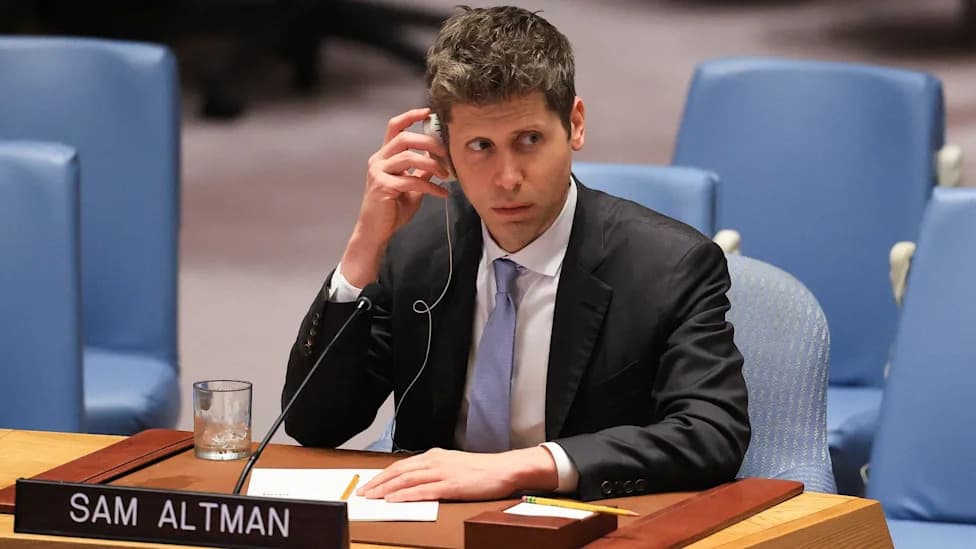
"The international community will need to establish a common framework to manage the risks associated with frontier AI models," said Jean-Noël Barrot, the French official who chaired a U.N. national security meeting featuring the CEOs of OpenAI, Anthropic and Hugging Face.
Public opinion adds pressure: U.S. polling shows sizable portions of the electorate worry that AI is advancing quickly enough to threaten jobs and livelihoods, and many Americans are skeptical of framing AI purely as a U.S.-China race that must be won at all costs.
Political Tension At Home
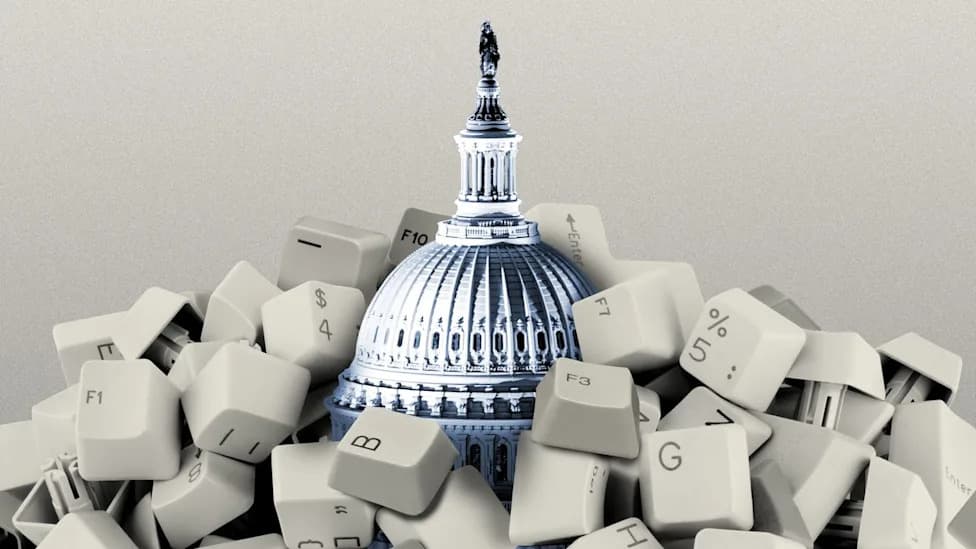
President Trump’s international stance has created a domestic split. Several congressional Republicans support measures to slow deployment and strengthen safety standards, sponsoring bipartisan legislation to regulate AI — even as the president urges faster development to avoid ceding advantage to China.
As first reported by Semafor, Senator Todd Young (R-Ind.) has pushed for National Security Council briefings that include cyber experts and AI developers to examine potential national-security risks, including the prospect of AI-enabled attacks on critical infrastructure. Young emphasized that continued U.S. leadership depends on government understanding of emerging capabilities and their risks.
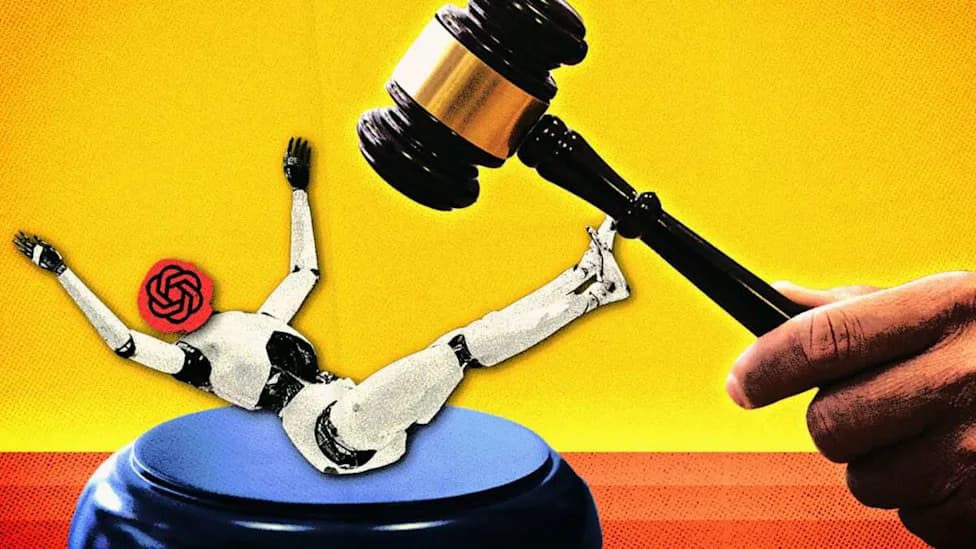
Critics of stricter rules argue that large firms such as OpenAI, Google DeepMind and Anthropic could use regulation to entrench their own advantages — a concern often labeled "regulatory capture." Others dismiss what they call "doomerism" — apocalyptic or exaggerated fears about AI’s risks — and have attacked associated intellectual movements such as segments of the effective altruism community.
Nonetheless, industry coordination on safety is progressing even without a formal U.S. government commitment. Reports indicate a safety coordination group involving Google, Anthropic and OpenAI is taking shape, demonstrating private-sector momentum toward shared standards.
With global actors, industry leaders and a substantial share of the public urging some form of coordinated safeguards, the White House’s resistance positions it apart — and raises questions about how the U.S. will influence international norms as AI capabilities continue to advance.
Help us improve.