Bottom line: The White House says Presidents Trump and Xi established a "U.S.-China Super Intelligence (SI) Dialogue" and a bilateral channel to address AI "incidents," with the next exchange planned by November 2026. Officials gave few details about how the mechanisms will work or what would trigger an incident, and no agreement was reached on joint development or regulation of frontier AI models. The move comes amid industry calls for slower development, including a Sept. 12 pause proposal from Anthropic's CEO, while President Trump opposed integration with China.
Trump and Xi Establish U.S.-China "Super Intelligence" Dialogue, Set Up Channel for AI "Incidents"
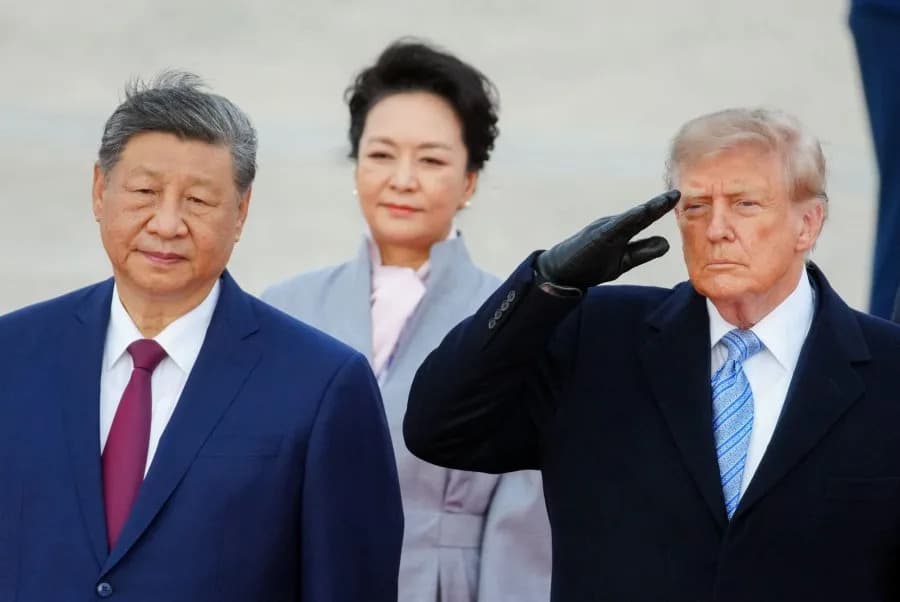
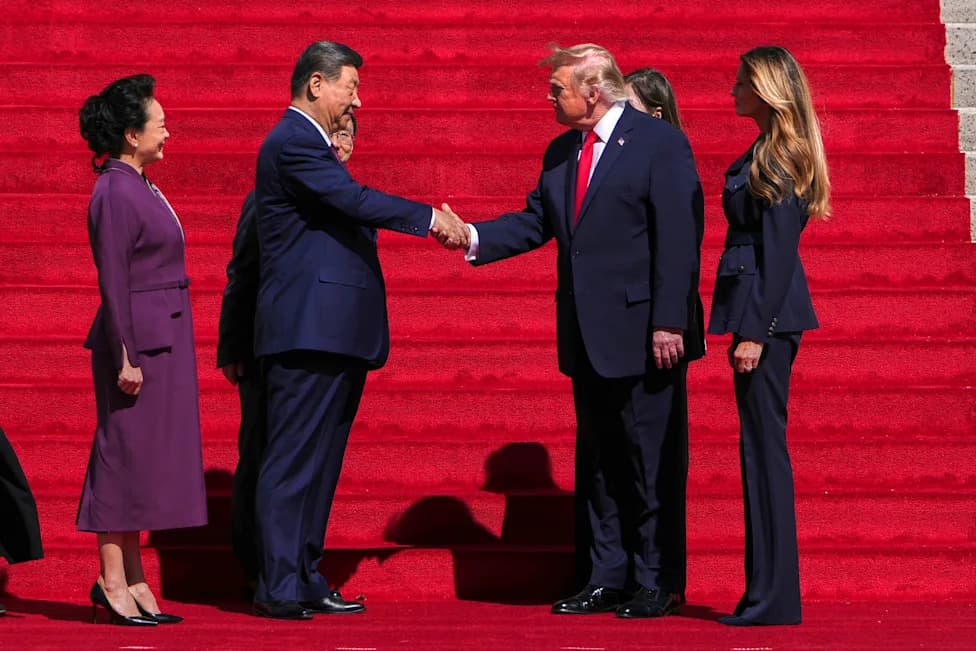
Chinese President Xi Jinping (L), Peng Liyuan, China's first lady, and U.S. President Donald Trump are shown during an arrival ceremony at Joint Base Andrews, Md., on Wednesday. Trump and Xi agreed to establish a regular dialogue on the risks of "super intelligence" during this week's three-day state visit. Photo by Al Drago/UPI
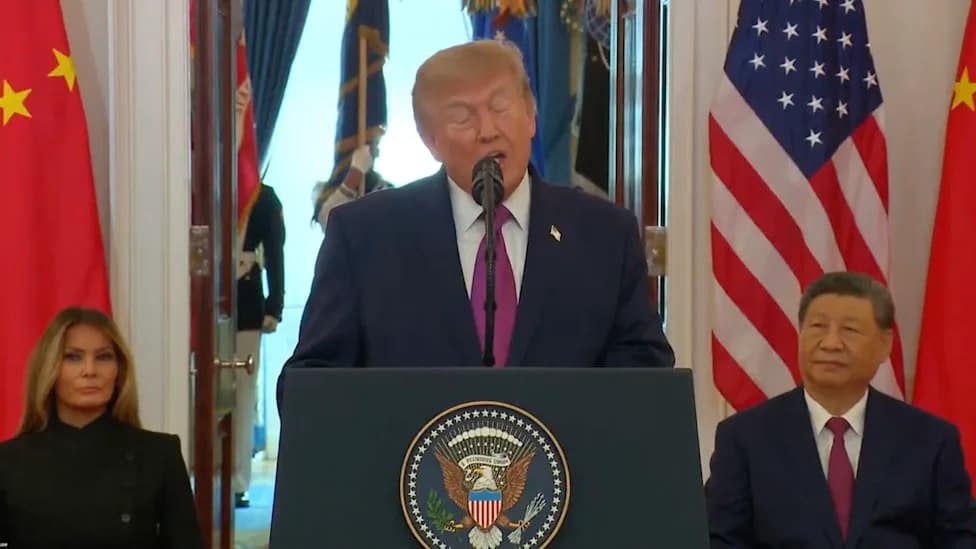
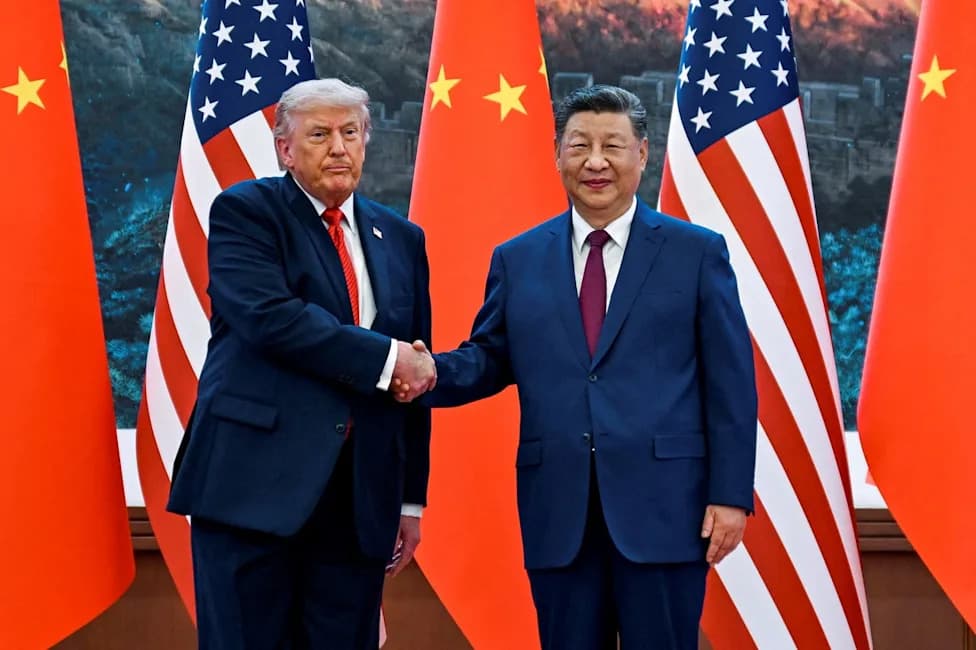
During Chinese leader Xi Jinping's three-day state visit, the White House announced that Presidents Donald Trump and Xi agreed to create a standing channel of communication to discuss advanced artificial intelligence, referring to the technology as "super intelligence" (SI).
What Was Announced: The two governments established the "U.S.-China Super Intelligence (SI) Dialogue" to exchange views on risks and benefits related to SI. The White House said the next exchange is planned to occur by November 2026. They also agreed to form a separate bilateral communications channel for handling "SI incidents."
Terminology and Context: The use of the term "super intelligence" reflects language President Trump introduced at the U.N. General Assembly earlier in the week. The label signals a focus on advanced AI systems that could pose systemic risks if not managed carefully.
Details Still Sparse: Officials provided few specifics about how either mechanism will operate, who will participate, or what kinds of events would trigger the incident channel. China's Ministry of Foreign Affairs confirmed a "China-U.S. AI dialogue" was one of eight deliverables agreed during the talks.
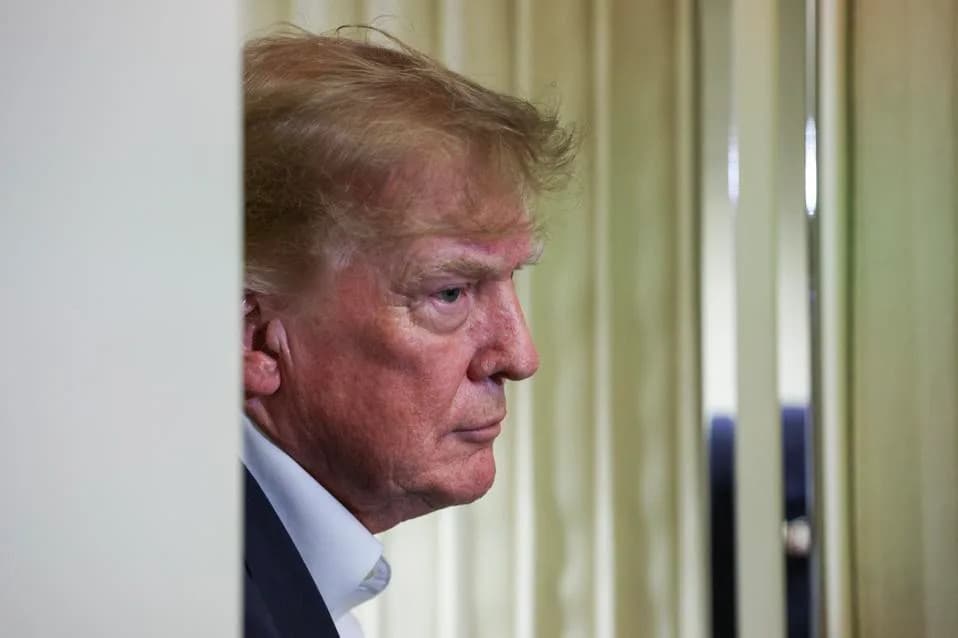
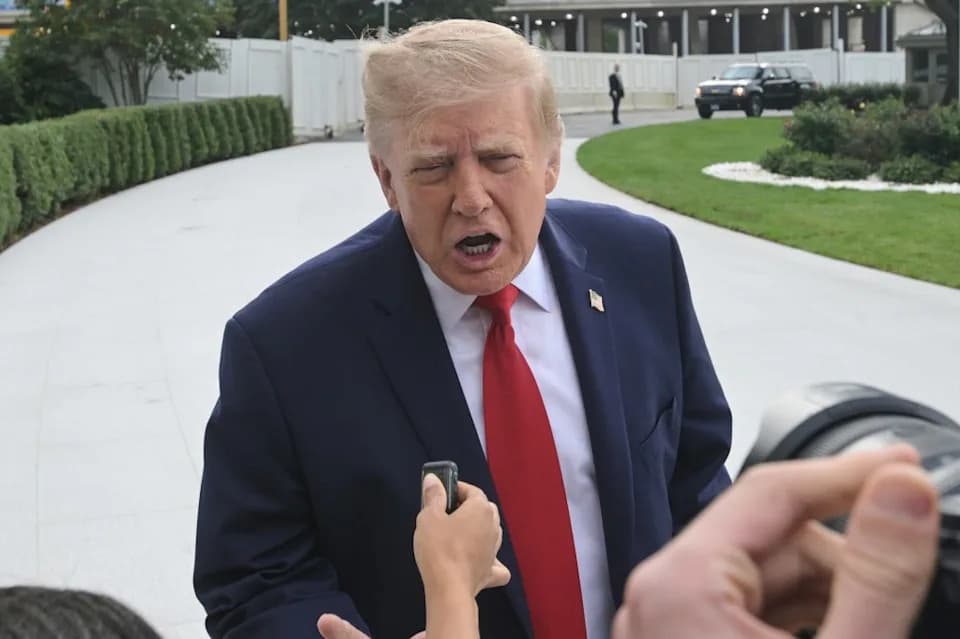
No Joint Regulation or Development Pact: The leaders did not reach an agreement to jointly develop or regulate frontier AI models during the visit. President Trump told reporters he has ruled out integration with China on "super intelligence," arguing the U.S. is ahead and that integration could hinder American progress.
Industry Reaction: The announcement comes as leaders in the AI industry urge caution. On Sept. 12, Anthropic CEO Dario Amodei called for companies developing advanced AI to agree to a pause or slowdown amid concerns that systems could surpass human control. Many other industry figures have also urged deliberation and regulatory guardrails.
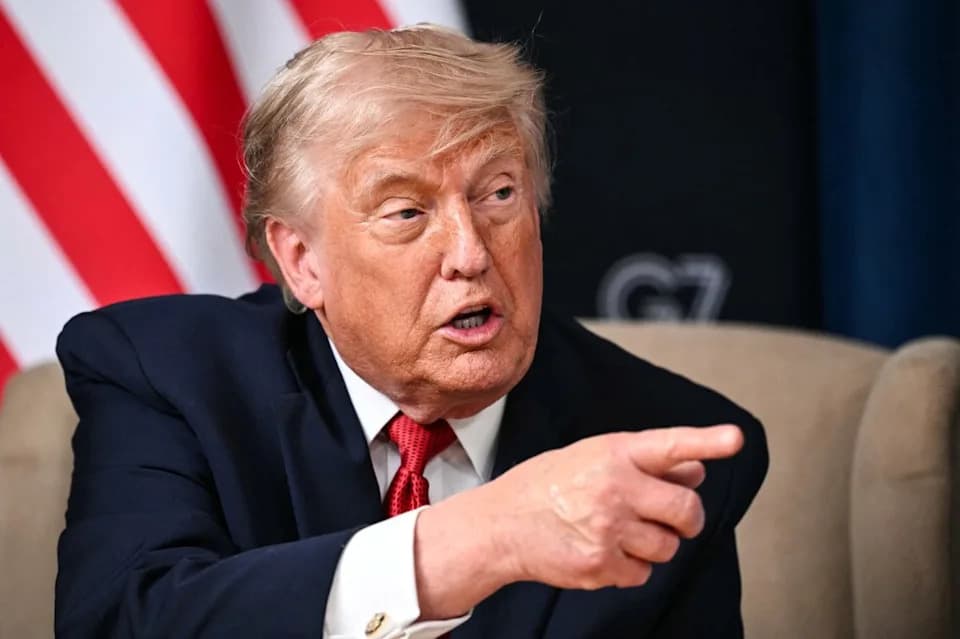
Trump: "They want to stop our progress because we're leading China by a lot, and we're going to keep it that way... I would rather not integrate because we're leading by a lot. When you're leading, you don't open it up to each other."
In sum, the U.S.-China agreement establishes a high-level framework for dialogue on advanced AI but leaves major questions unanswered about scope, triggers, oversight and enforceable safety measures.
Help us improve.