Manhattan prosecutors are asking for a 46-month prison term for Michael Smith after he admitted using AI to create thousands of fake songs and bots to stream them billions of times, diverting more than $8 million in royalties. Smith pleaded guilty in March to conspiracy to commit wire fraud and agreed to forfeit $8,091,843.64. Federal probation recommends 24 months; Smith’s defense seeks no jail time. Sentencing is set for Oct. 6 in Manhattan federal court.
Feds Seek 46 Months For Man Who Used AI And Bots To Steal $8M In Streaming Royalties
Feds Want Nearly 4 Years in Prison for AI Music Fraudster Who ‘Stole Millions’
Manhattan prosecutors are urging a federal judge to sentence Michael Smith to at least 46 months in prison after he admitted to using artificial intelligence and networks of bot accounts to manufacture thousands of fake songs and inflate streaming counts, diverting millions of dollars from legitimate artists and rights holders.
Details Of The Scheme
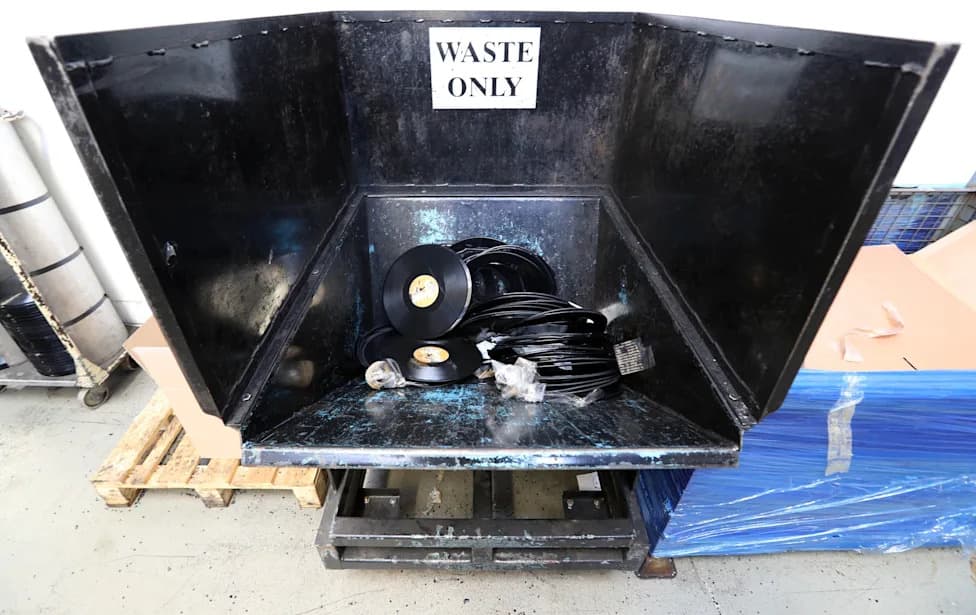
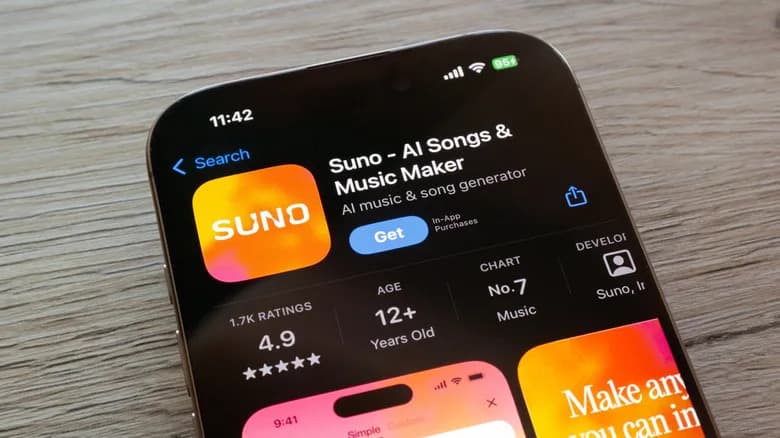
According to prosecutors, Smith generated thousands of synthetic tracks attributed to invented artists and deployed automated accounts to stream those songs on platforms including Apple Music, Spotify, Amazon Music and YouTube Music. Over a period of more than six years, the government says this manipulation produced billions of fraudulent streams and more than $8 million in unearned royalties.
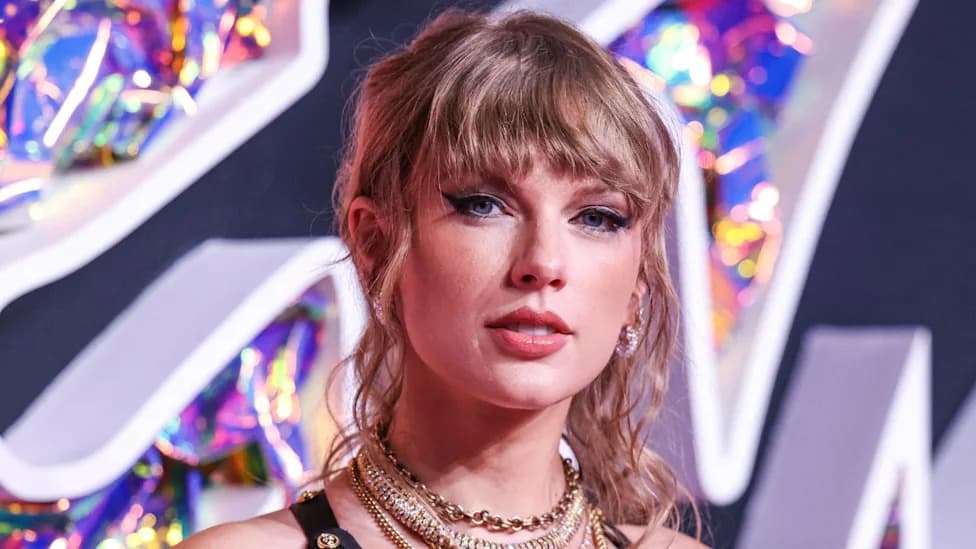
Prosecutors highlighted an April 2023 comparison in which Smith’s fabricated catalog registered 80.9 million YouTube Music family-plan streams while Taylor Swift’s entire catalog drew 9.3 million streams from that same subscriber group — a striking example of how the scheme skewed subscription-funded royalty pools.
Prosecution, Plea And Sentencing Recommendations
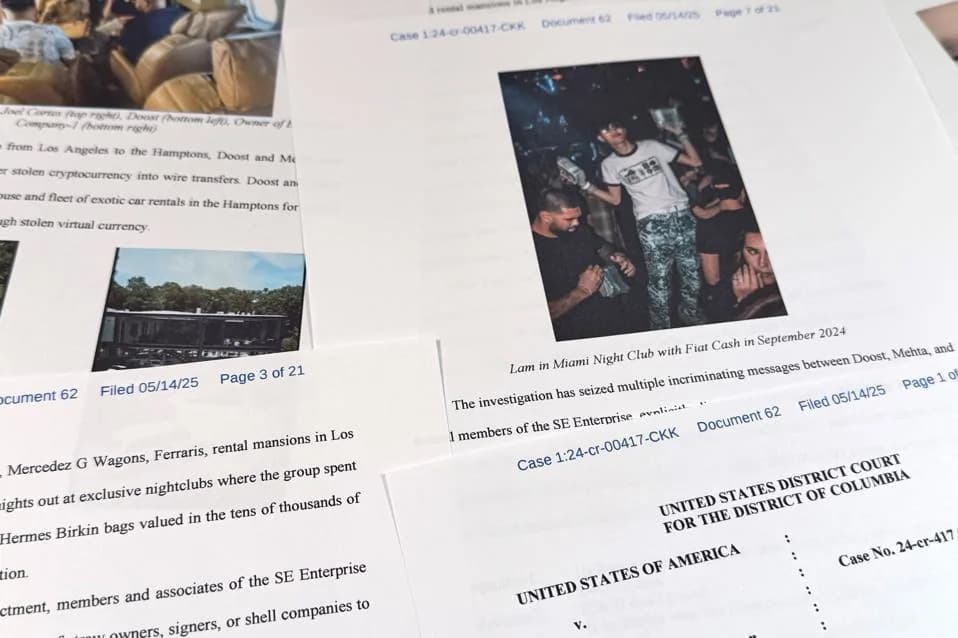
Smith pleaded guilty in March to one count of conspiracy to commit wire fraud, which carries a statutory maximum of five years in prison. He also agreed to forfeit $8,091,843.64. In a letter filed Tuesday and reviewed by Rolling Stone, Assistant U.S. Attorneys Nicholas W. Chiuchiolo and Kevin B. Mead argued that a substantial prison term is necessary both to punish Smith and to deter similar frauds.
"Imposing a substantial term of incarceration will send a clear message that defrauding social services programs, no matter who you are, will result in significant punishment," the prosecutors wrote, warning that a lenient sentence would signal that streaming fraud carries little consequence.
Federal probation officials have recommended a 24-month sentence, while Smith’s defense has asked for no jail time, seeking only probation. Smith’s sentencing is scheduled for Oct. 6 in Manhattan federal court.
Defense Arguments And Government Response
In recent filings, Smith and his attorneys, Noell P. Tin and Justine Harris, expressed remorse and said he did not initially intend to commit a federal crime. They said Smith consulted a prominent music attorney and believed early efforts were lawful, although they acknowledged his conduct later became deceptive.
Prosecutors dispute that account, saying Smith’s own statements and actions demonstrate he knew the scheme was fraudulent from the outset and executed it on a daily basis for years. U.S. Attorney Jay Clayton said in March,
"Michael Smith generated thousands of fake songs using artificial intelligence and then streamed those fake songs billions of times. Although the songs and listeners were fake, the millions of dollars Smith stole was real."
Why This Case Matters
The case underscores growing challenges for streaming platforms and rights holders as AI tools and automated accounts make it easier to manipulate digital metrics and divert subscription-based royalties. Prosecutors say a firm sentence would send a deterrent message to others who might exploit emerging technologies to game payout systems.
Sentencing Date: Oct. 6 (Manhattan federal court)
Help us improve.