The US and China are competing for global influence over artificial intelligence: Washington urges allies to align with its high-cost, frontier-led ecosystem while Beijing promotes cheaper, open models that many developing countries find practical. Chinese models such as DeepSeek and Moonshot have seen rapid adoption — OpenRouter data shows usage rising from under 15% to over 54% in a year — but allegations of "distillation" and national-security concerns raise questions about future openness. The Trump–Xi summit set up an AI dialogue, but mutual mistrust means meaningful cooperation remains limited.
US vs China: The Global Fight Over AI — Why Many Countries Find China’s Open-Model Pitch Compelling
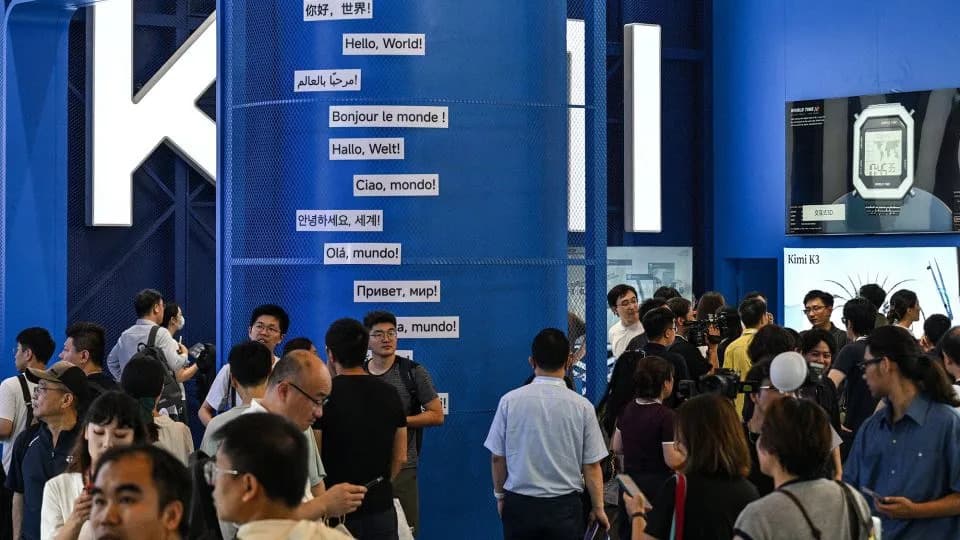
People visit the Moonshot AI stand, featuring the Kimi K3 model, during the World Artificial Intelligence Conference (WAIC) in Shanghai on July 18, 2026. - Hector Retamal/AFP/Getty Images
Rapid advances in Chinese artificial intelligence over the past year have intensified a strategic contest with the United States, as Washington presses allies to align while Beijing promotes a low-cost, open model ecosystem that appeals especially to emerging economies.
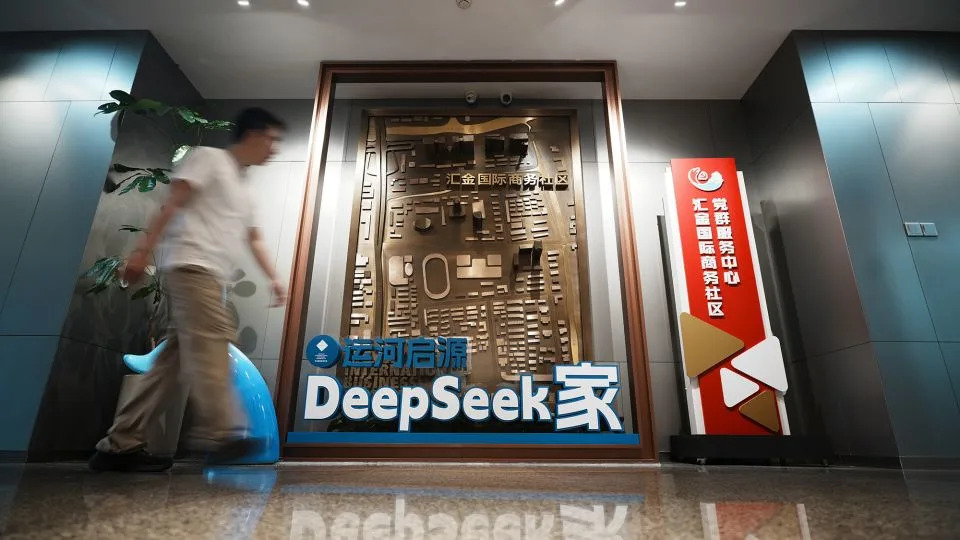
The "Canal Qiyuan DeepSeek Home" located in Changqing Street, Hangzhou, Zhejiang Province, China on June 16, 2026. - CFOTO/Future Publishing/Getty Images
Why the Rivalry Matters
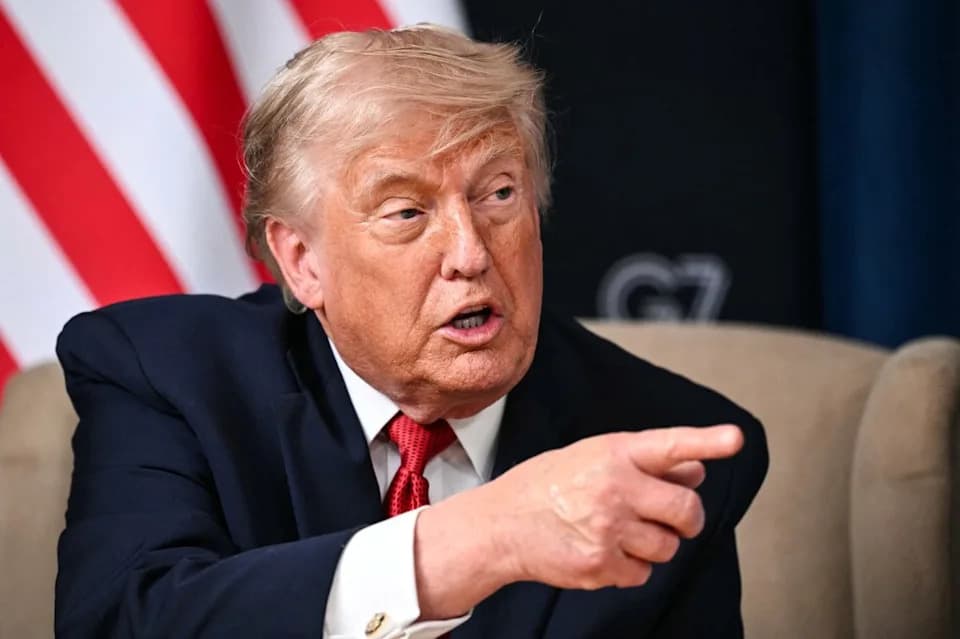
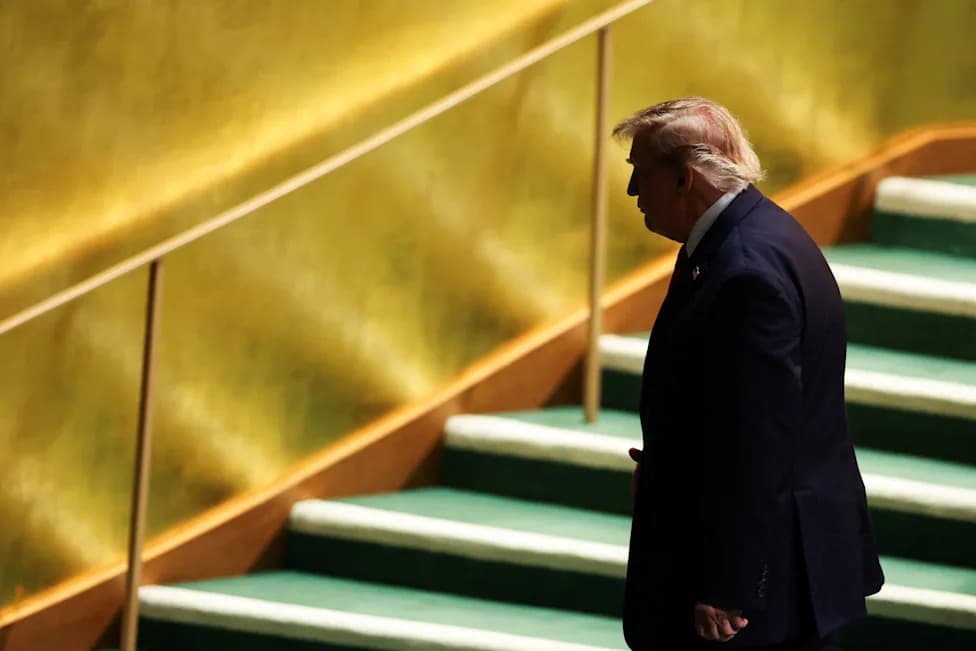
“We’re leading China in AI…and frankly, I want to keep it that way, because whoever wins AI wins,” President Donald Trump said, reflecting how the competition is increasingly framed in existential terms. The US still holds clear advantages — leading research labs, cutting-edge chips and deep investor capital — and is using that edge to shape international alliances and technology rules.

New iPhone 18 Pro and iPhone 18 Pro Max smartphones are on display as the models go on sale at an Apple store in Beijing, China on September 18, 2026. - Tingshu Wang/Reuters
China’s Alternative: Accessibility and Scale
Beijing has offered a different vision. Chinese leaders launched the World Artificial Intelligence Cooperation Organization in July as an alternative to the US-backed Pax Silica initiative. That body has drawn roughly 29 members, including Russia, Indonesia and Pakistan, and promotes open models users can download, customize and deploy without paying recurring fees to proprietary US providers.
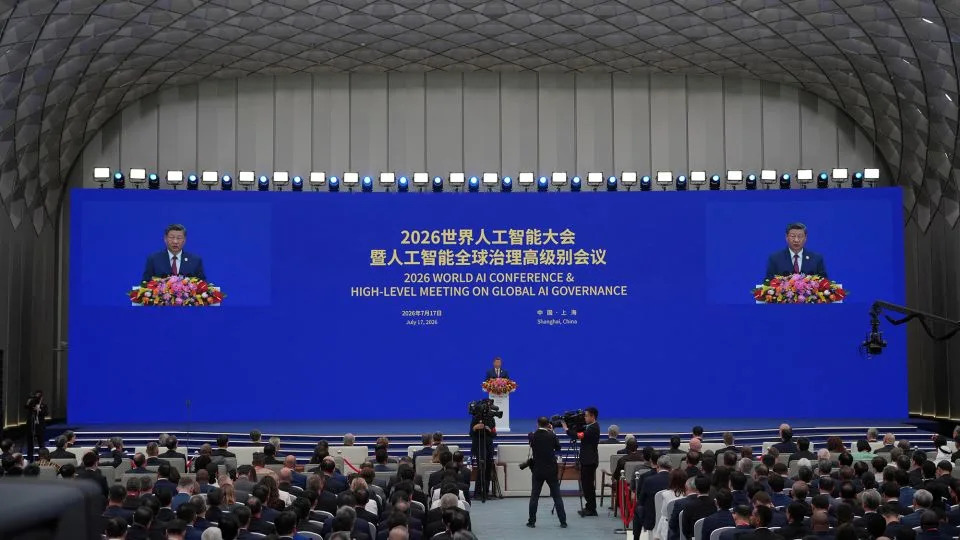
Chinese leader Xi Jinping speaks at the opening ceremony for the World AI Conference in Shanghai, China, July 17, 2026. - Ng Han Guan/Pool/Reuters
Open models from firms such as DeepSeek and Moonshot have seen rapid uptake. According to OpenRouter marketplace data cited in recent reporting, global usage of Chinese models rose from under 15% to more than 54% within a year, a surge driven in part by affordability and ease of customization — features attractive to developers and companies in the Global South.
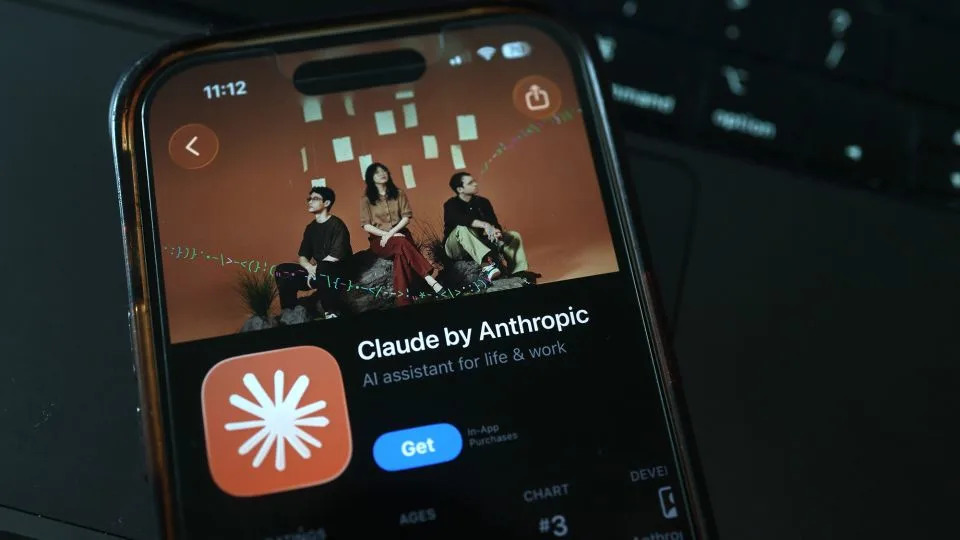
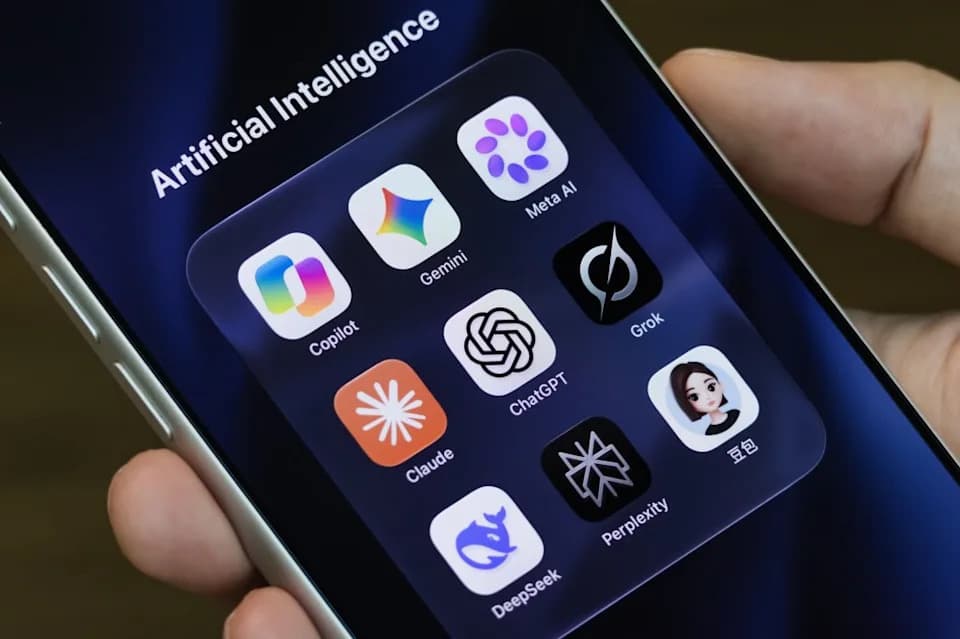
Anthropic's Claude AI app is seen in the app store on a phone on February 16, 2026 in New York City. - Michael M. Santiago/Getty Images
Business Choices: Diversify, Don’t Pick Sides
Rather than fully choosing one side, many companies are diversifying technology stacks. US and international firms — from Airbnb and DoorDash to Shopify — have embraced Chinese models in some use cases to lower costs and gain flexibility. Observers note the likely commercial pattern could mirror smartphones, where one side captures most profits while the other accumulates users at scale.
Security, Trust And The Risk Of Restriction
China’s openness is not guaranteed. Analysts warn that as Chinese models grow more capable, Beijing may restrict export or deployment of the most powerful systems on national-security grounds. Rather than blanket bans, officials could use licensing, geographic limits or selective closures to manage risks — producing a mix of open- and closed-source offerings that serve both commercial expansion and security priorities.
Accusations Of Distillation And Policy Friction
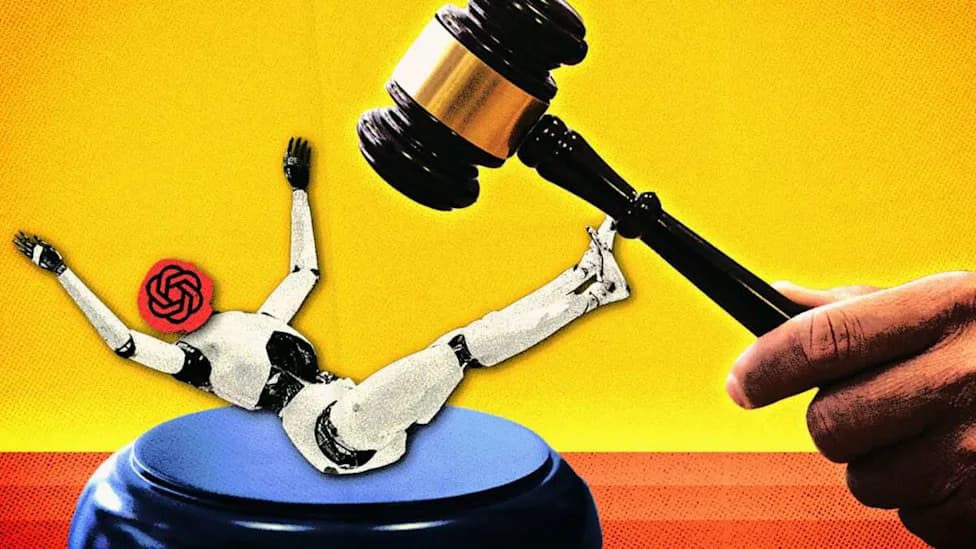
As Chinese capabilities advance, US companies including Anthropic and OpenAI allege some Chinese labs used a technique called distillation — leveraging outputs from American systems to train their models — and have published reports raising concerns about data exposure. Beijing has rejected those claims; the accused firms did not publicly comment. The allegations have prompted US discussions of sanctions or other limits, even as major US tech companies warn against sweeping restrictions.
The Diplomatic Reality
AI was a topic at the recent Trump–Xi summit, which produced an agreement to establish a formal dialogue and a bilateral communications channel on AI risks and use. But experts say deep mutual mistrust and competing visions mean substantive cooperation remains limited for now, leaving many countries to weigh trade-offs between cost, capability and control.
What Comes Next
For many governments and firms the central question is pragmatic: which trade-offs make sense for their needs. Some will pay for frontier, higher-cost models; others will opt for cheaper, nearly-as-capable systems they can run and tailor locally. The global AI landscape will likely feature a patchwork of ecosystems — proprietary and open, western and Chinese — shaped by economics, regulation and geopolitics.
Help us improve.