Qatar's Prime Minister Sheikh Mohammed bin Abdulrahman bin Jassim Al Thani told Piers Morgan that those responsible for the suffering in Gaza should be regarded as "war criminals" and called Israel's military response unjustifiable. He acknowledged the October 7, 2023 Hamas attack but condemned attacks on hospitals and schools. Sheikh Mohammed said a ceasefire reported to have started in October 2025 has not halted killings and accused Israel of occupying much of the Strip. He also denounced a 2025 Israeli strike in Doha on mediators and urged dialogue between Iran and GCC states to address nuclear, navigation and security issues.
Qatar PM Labels Gaza Atrocities 'War Crimes' and Condemns Israel's Response
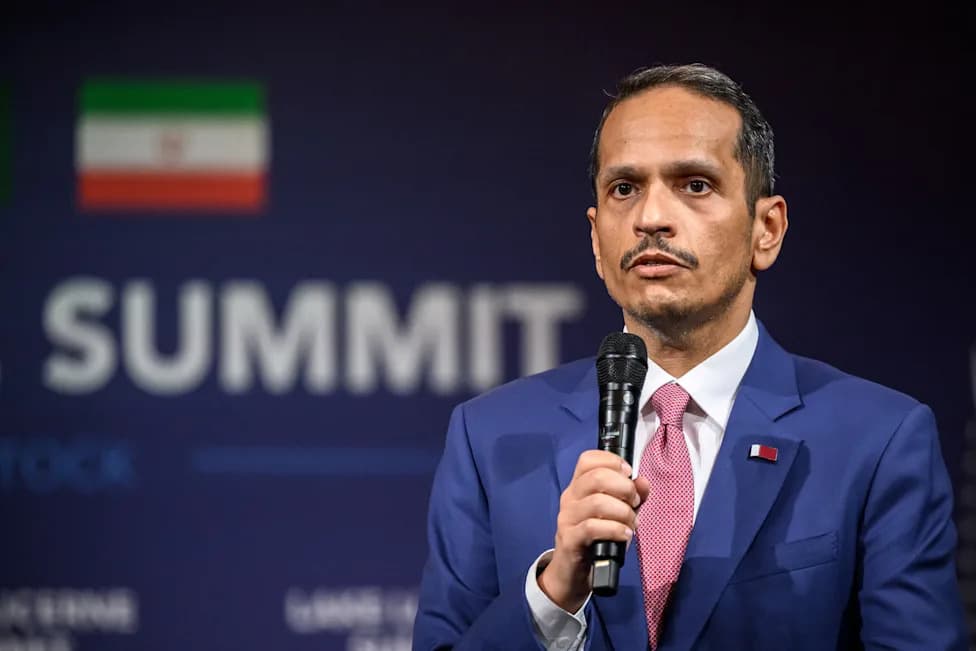
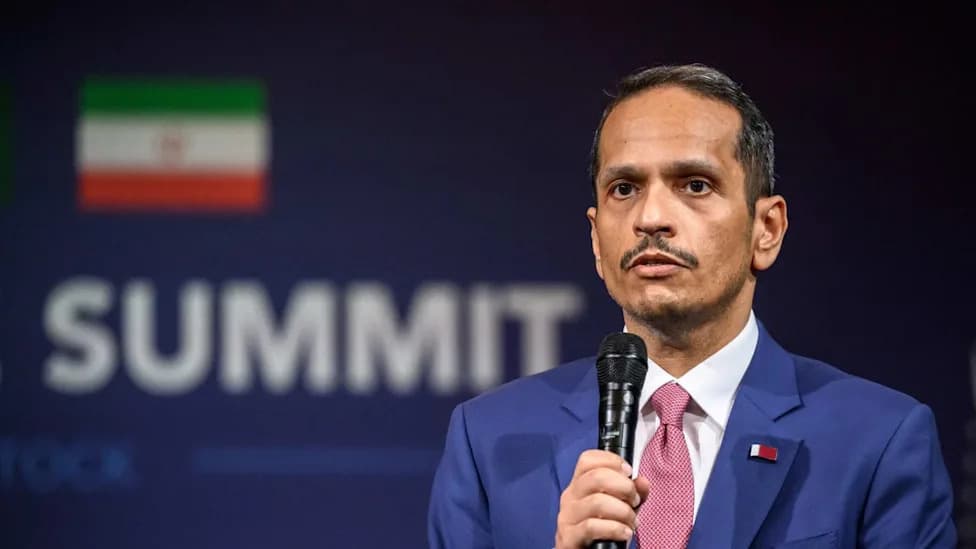
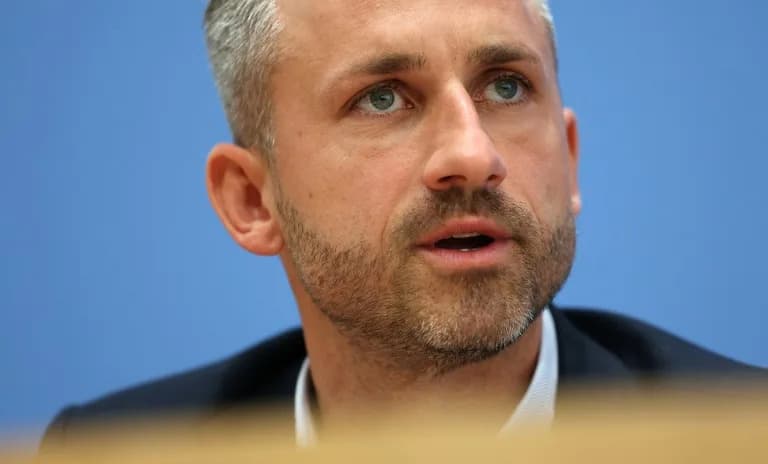
Qatar's Prime Minister Sheikh Mohammed bin Abdulrahman bin Jassim Al Thani speaks prior to a quadrilateral meeting between the United States, Iran, Pakistan and Qatar at the Burgenstock luxury hotel complex, Lucerne, Switzerland, on June 21, 2026 [Fabrice Coffrini/Reuters]
Qatari Prime Minister and Foreign Minister Sheikh Mohammed bin Abdulrahman bin Jassim Al Thani sharply criticised the conduct of the campaign in Gaza during an interview with British journalist Piers Morgan, saying anyone responsible for the suffering there should be regarded as a "war criminal."
Speaking on Piers Morgan Uncensored, Sheikh Mohammed acknowledged the October 7, 2023 Hamas attack on Israel as "a massacre" that must be condemned and for which perpetrators should be held accountable. He nevertheless said Israel's subsequent military campaign in the Gaza Strip could not be justified.
"Hospitals have been targeted, schools have been targeted. Whatever the justifications and the arguments, nothing is justifying this," the prime minister said.
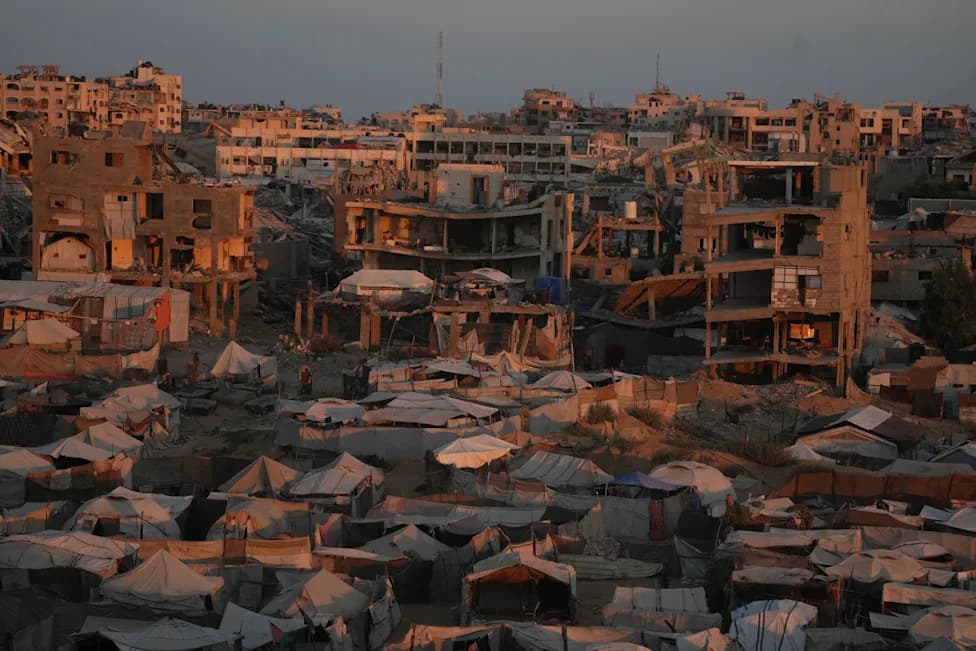
Sheikh Mohammed referred to a ceasefire said to have come into effect in October 2025 and said the deal had failed to stop bloodshed. "More than 1,400 Gazans have been killed" since the ceasefire was reported to have begun, he said, adding that nearly 70% of Gaza remained under occupation and that Israel was not meeting the agreement's terms.
He also condemned what he described as an unprecedented Israeli strike in Doha in 2025 that targeted senior Hamas officials gathered for negotiations. Sheikh Mohammed said the attack—carried out while Qatar was mediating—violated Qatari sovereignty and set a dangerous precedent against mediators.
Discussing Doha's role as a mediator, the prime minister acknowledged the difficulty of quiet diplomacy but defended private negotiations as the most effective path to progress. "Playing the role of mediator has not been easy," he said, adding that Qatar seeks to advise both the US and Iran to reach workable solutions.
Regional Security and Path Forward
On wider regional tensions and the risk of a US–Israel confrontation with Iran, Sheikh Mohammed outlined three core issues he said must be resolved: recognition of Iran's right to peaceful nuclear energy along with sanctions relief; guarantees for freedom of navigation through the Strait of Hormuz under international law; and a reform of regional security arrangements that requires direct dialogue between Iran and Gulf Cooperation Council states.
He urged principles of non-interference and non-aggression, and proposed cooperation on energy, trade and economic ties as building blocks for stability and shared prosperity in the region.
Help us improve.