The 11th U.S. Circuit Court of Appeals declined to immediately block sanctions against attorneys for Donald Trump stemming from a $10 billion lawsuit he filed against the IRS. U.S. District Judge Kathleen Williams concluded the suit sought personal benefits, including a now-abandoned nearly $1.8 billion fund and protections from tax audits. The judge referred one of Trump’s personal lawyers to Florida disciplinary authorities and barred parties from citing the settlement in future proceedings. Trump’s lawyers and the Justice Department have appealed, arguing the order violates First Amendment free-speech rights.
Appeals Court Refuses To Stay Sanctions Against Trump Lawyers in IRS Lawsuit Settlement
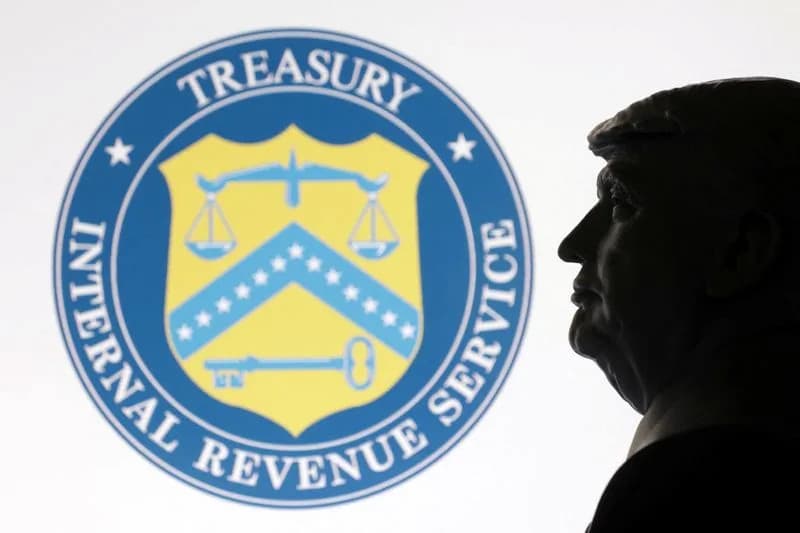
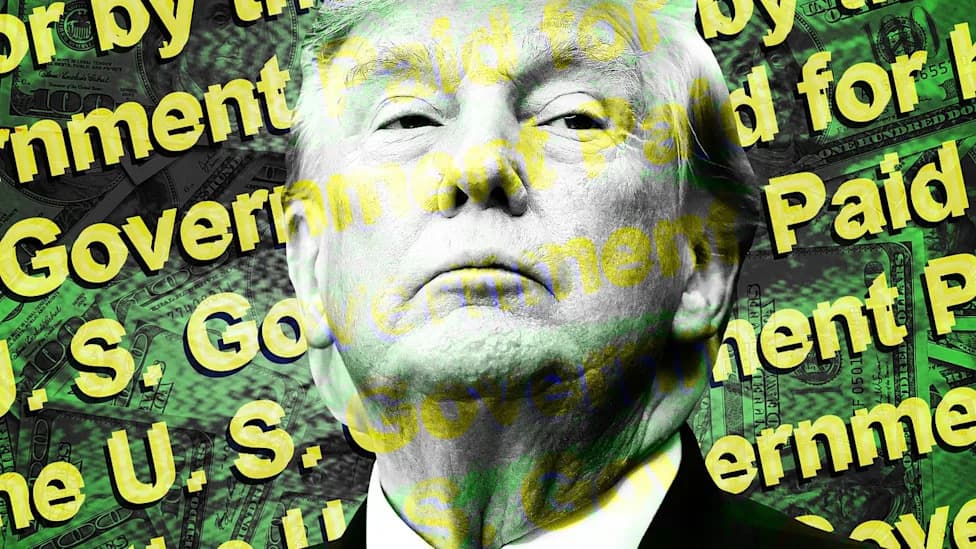
A 3D-printed miniature model of U.S. President Donald Trump with the U.S. Internal Revenue Service logo in the background is seen in this illustration taken April 23, 2025. REUTERS/Dado Ruvic/Illustration
WASHINGTON — An Atlanta-based federal appeals court on Tuesday declined to immediately block sanctions imposed on attorneys for former President Donald Trump after a district judge concluded they misused the court system while resolving a lawsuit he filed against the Internal Revenue Service.
The 11th U.S. Circuit Court of Appeals rejected a request from Trump's lawyers and the Justice Department to pause the sanctions, leaving in place an order by U.S. District Judge Kathleen Williams for now.
What the District Court Found
Judge Williams found that Trump had improperly launched a $10 billion lawsuit against the IRS seeking personal benefits from the federal government. Among the proposals in the complaint was a now-abandoned plan for a nearly $1.8 billion fund intended to benefit his allies, along with provisions that would have sought protections from tax audits.
Williams' sanctions order referred one of Trump's personal attorneys to Florida legal disciplinary authorities. It also prohibited any of the parties in the case — including Trump, his adult sons and his namesake company — from mentioning the settlement or citing its terms in future legal proceedings.
The Appeal And Free Speech Claim
In an appeal, Trump’s lawyers and the Justice Department argued the district court's order violated First Amendment protections for free speech. The appeals court declined to grant an immediate stay of the sanctions while the appeal proceeds, meaning the district court’s restrictions remain effective during further review.
Next Steps
The 11th Circuit will consider the merits of the appeal in due course. Until that review is complete or the court issues a stay, the sanctions, the disciplinary referral and the restriction on referencing the settlement stay in force. The case underscores ongoing tensions between court-imposed sanctions for perceived abuse of the judicial process and claims that such orders infringe constitutional speech protections.
(Reporting by Andrew Goudsward; Editing by Daphne Psaledakis and Will Dunham)
Help us improve.