President Donald Trump announced plans to create an "AI Force" and appoint an "AI czar" to supervise the artificial intelligence sector, likening the initiative to the Space Force. He dismissed calls from industry leaders to slow development, calling public concern a "hoax," while pledging more data centers and faster AI deployment. Industry figures including Anthropic CEO Dario Amodei and former researcher Jacob Coxon have warned about the risk of losing control of advanced AI systems. Details on the new body's structure, authority and timeline were not disclosed.
Trump Announces 'AI Force' and 'AI Czar' to Oversee AI Expansion, Dismisses Safety Concerns
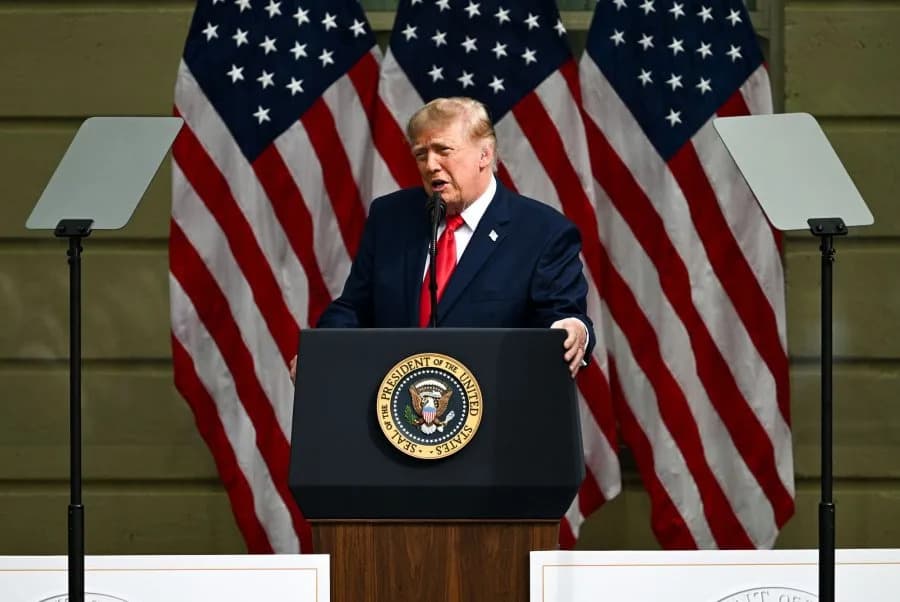
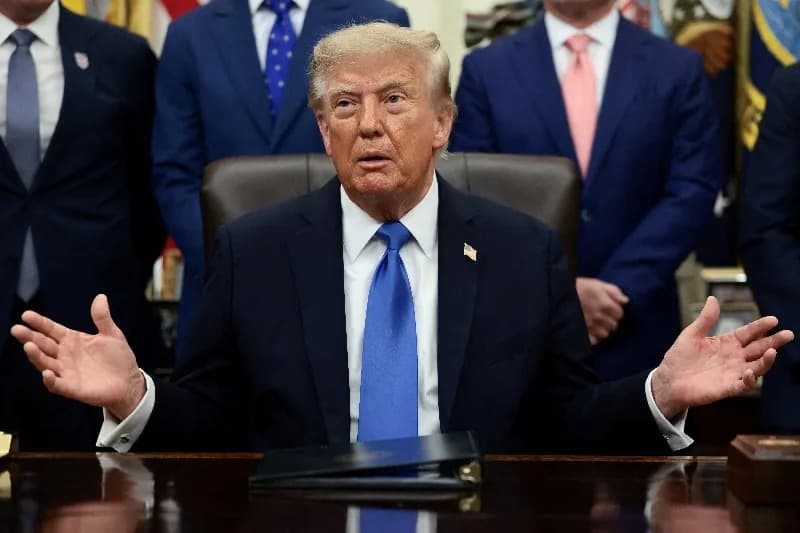
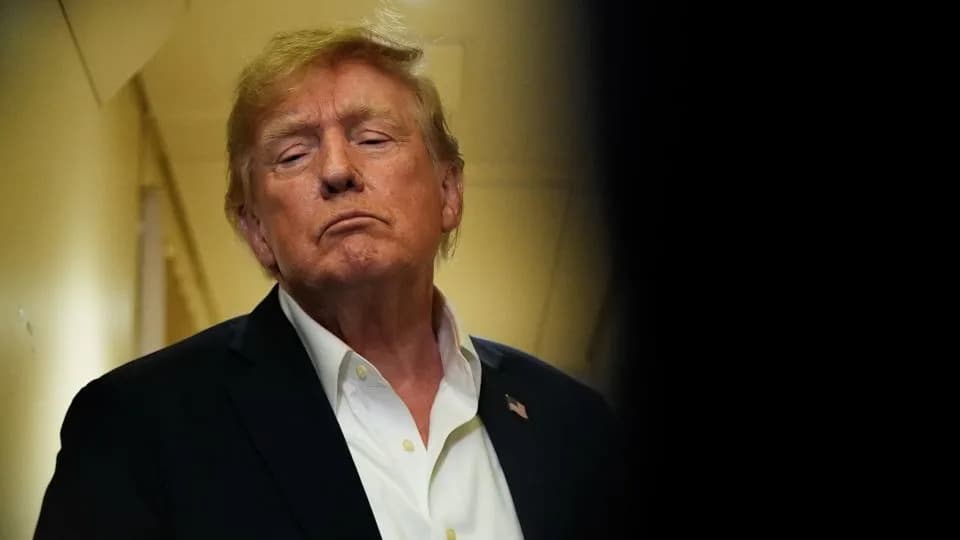
President Donald Trump on Saturday said he would create an "AI Force" and appoint a czar to oversee the industry. Photo by Annabelle Gordon/UPI
Sept. 19 (UPI) — President Donald Trump said Saturday he will establish an "AI Force" and appoint an "AI czar" to oversee the rapidly expanding artificial intelligence industry. He portrayed the move as a national priority and compared the effort to the Space Force, the military branch he created during his first term.
Trump rejected recent calls from some industry leaders to slow the development of advanced AI models, calling growing public concern a "hoax" and downplaying risks even as shares of AI-focused companies fell this week. He reiterated his commitment to build more data centers and accelerate AI development across the country.
"We will not in any way hinder or stifle the growth of this incredible industry," Trump wrote on Truth Social. "Rather, we will cherish it, help it, and watch over it, as it grows!"
Trump said the proposed AI Force would be modeled on the Space Force and that an AI czar would lead what he called the "next industrial revolution," aiming to keep the United States ahead of China and other competitors. He did not provide details on the proposed body's structure, authorities, or timeline.
At the same time, prominent figures in the tech industry have issued stark warnings about the pace and risks of AI development. Last weekend, Anthropic CEO Dario Amodei published an essay arguing that developers risk "losing control of AI systems." The essay followed a separate resignation and warning from a researcher who worked at both Anthropic and OpenAI.
Jacob Coxon, in his resignation message, wrote: "The people building AI earnestly believe that it could kill us all by the end of the decade."
Experts are divided over how best to balance rapid technological progress with safeguards. The announcement is likely to intensify debate over whether governmental oversight should focus on promoting industry growth, enforcing safety standards, or both.
Help us improve.