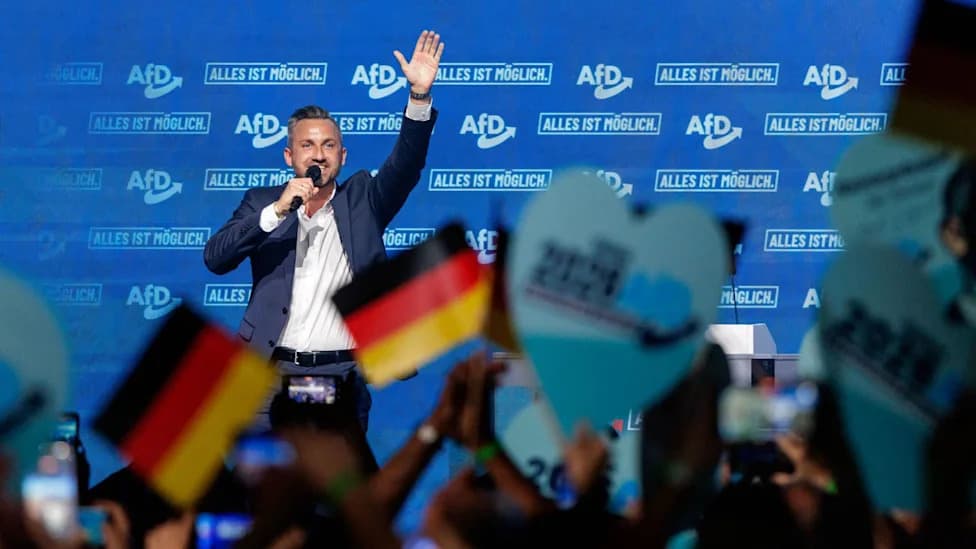
The AfD's Saxony-Anhalt leader, Ulrich Siegmund, says he expects to become state premier in December after the party won 44% of the vote and fell three seats short of a majority. The small BSW party, holding five seats and described by observers as pro-Moscow, has agreed to talks with the AfD. The party's agenda includes a "remigration and deportation offensive," plans to remove pride flags from schools and reduce emphasis on Nazi-era crimes in some history lessons.
AfD Seeks Saxony-Anhalt Premiership In December After Landmark Victory
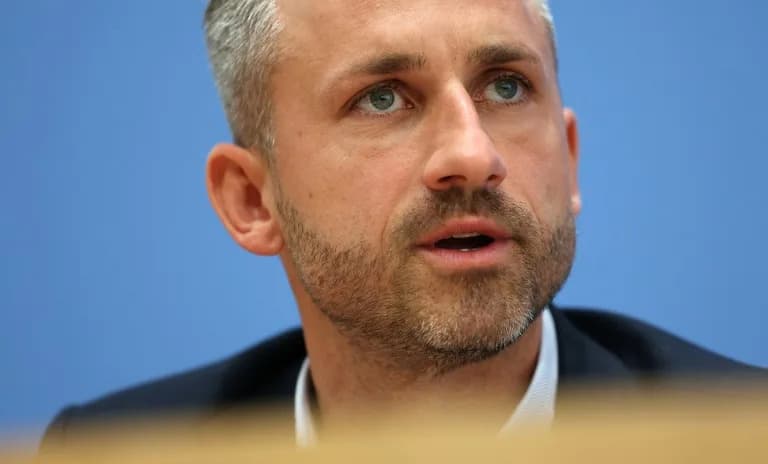
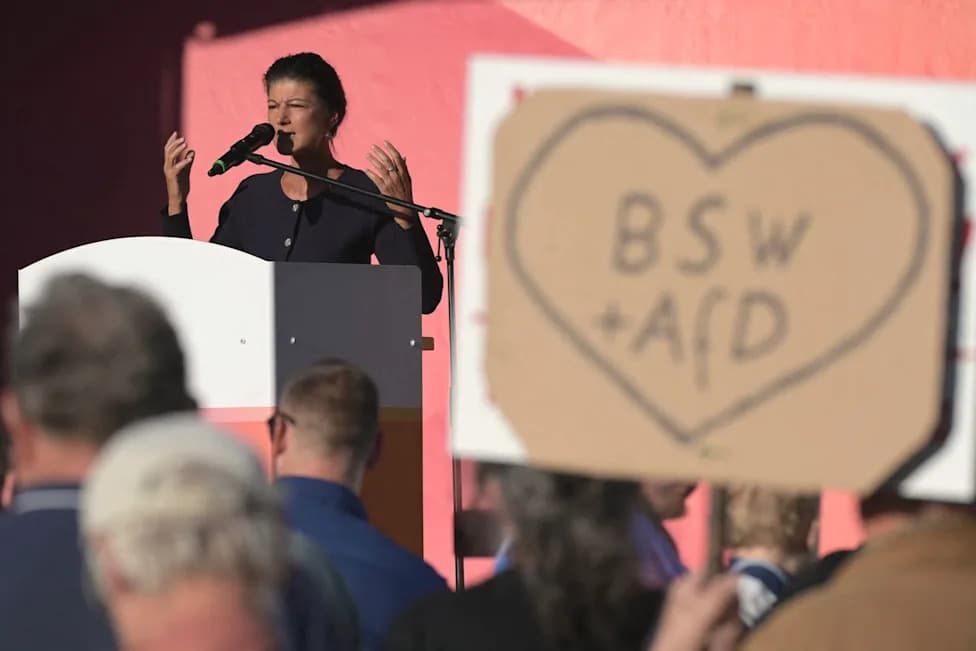
Siegmund hopes an alliance with a small left-wing pro-Moscow party will get him the seats he needs for a majority (Odd ANDERSEN)
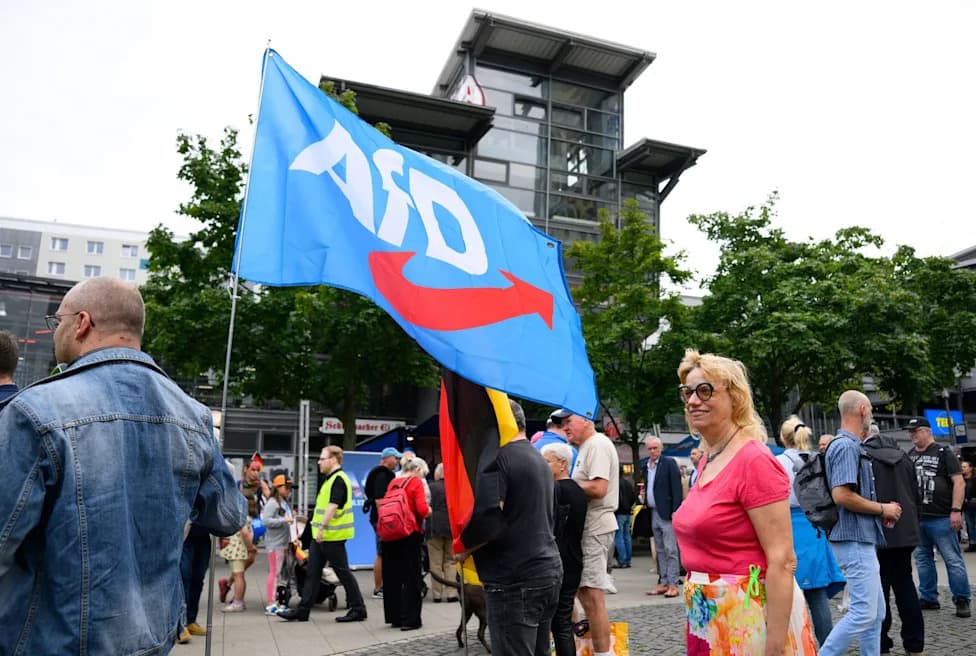
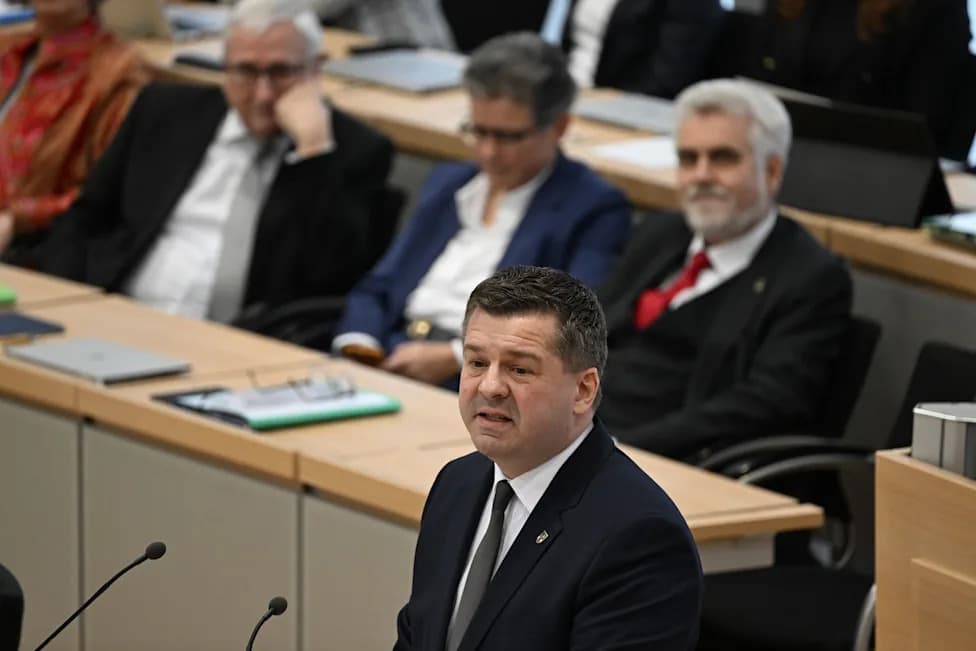
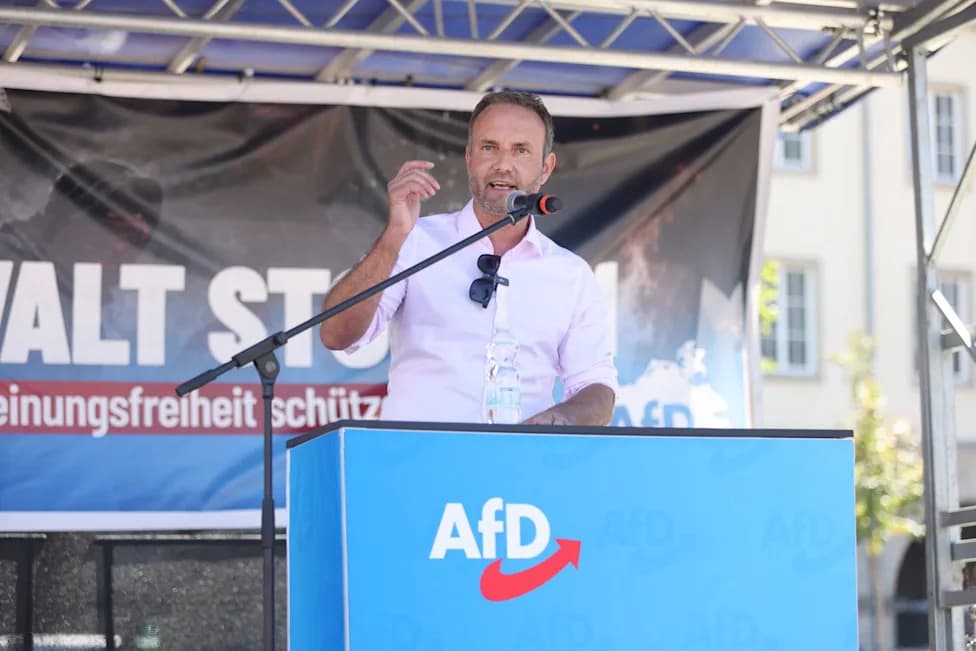
Ulrich Siegmund, leader of the far-right Alternative for Germany (AfD) in Saxony-Anhalt, said on Tuesday he expects to become the state premier in December following the party's decisive election result earlier this month.
If Siegmund succeeds, it would be the first time the AfD — and the first time any far-right party — has held a state premiership in post-war German history.
Siegmund told the Welt television station that "we will stick to this timetable" of December after internal party consultations and talks with other state lawmakers who will vote to choose the head of the state government.
In the recent Landtag election the AfD won 44 percent of the vote and finished three seats short of an absolute majority in the legislature. Most mainstream German parties have maintained a so-called "firewall" against the AfD and refuse to enter coalition arrangements with it on principle.
Nonetheless, the small left-wing party BSW, widely described by observers as pro-Moscow, holds five seats in the state assembly and has agreed to hold discussions about possible cooperation with the AfD. Siegmund said there remained several "points to clarify of a political nature" in those talks but called them "definitely solvable."
Why This Matters
Under Germany's federal system, state governments control significant areas of public policy — including health, education and certain security responsibilities — meaning any incoming AfD-led administration would have substantial influence over day-to-day governance in Saxony-Anhalt.
During the campaign the AfD pledged to launch a so-called "remigration and deportation offensive" in the state. Its platform also included culturally charged measures such as replacing LGBTQ pride rainbow flags at public schools with the German national flag and reducing the emphasis on Nazi-era crimes in some history lessons.
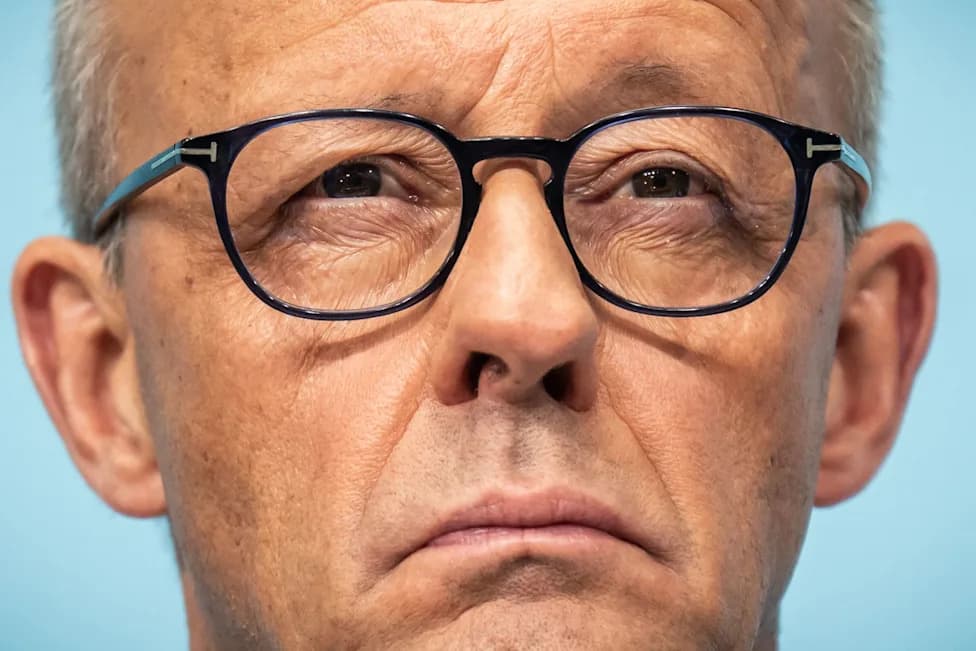
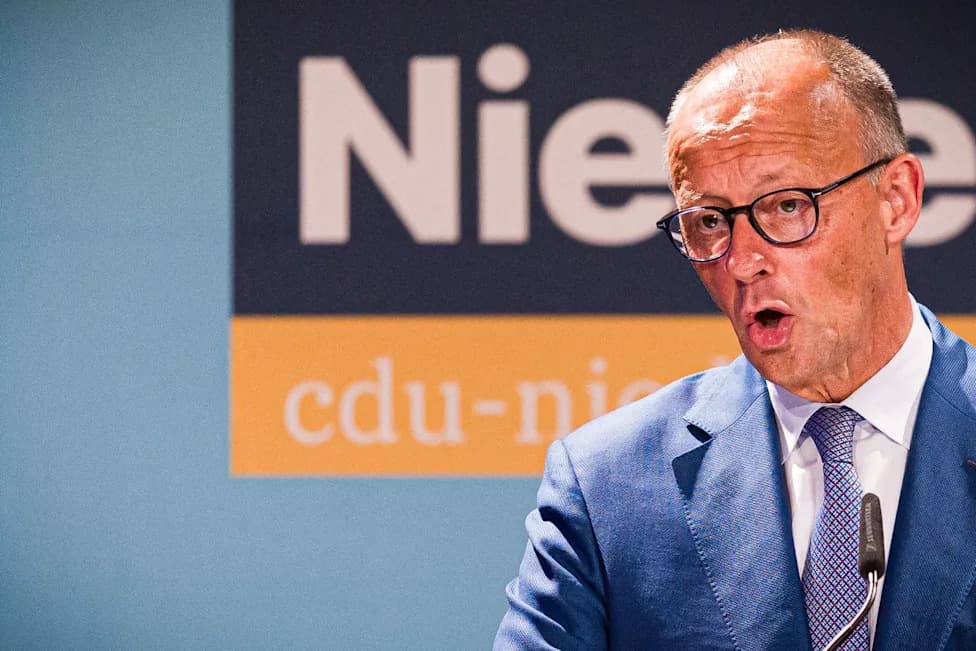
The AfD also scored a victory this month in Mecklenburg-Western Pomerania, taking about 37 percent of the vote, while the Christian Democratic Union (CDU), led by Friedrich Merz, fell to roughly 4.9 percent and was left out of that state's assembly. Those poor results for the CDU have intensified speculation about the party's future leadership and strategy as the AfD climbs in national polls.
Context: The situation remains fluid. Coalition talks and parliamentary votes will determine whether the AfD can translate its electoral success into executive power at the state level.
Help us improve.