University of Maryland researchers used a transmission model to show that eliminating school-entry MMR requirements in Florida could produce the largest U.S. measles outbreak in about 50 years, with pediatric deaths potentially in the hundreds within five years. The model incorporated a 2025 Texas outbreak, Florida demographics, and current vaccination coverage. Experts warn even small drops in childhood MMR coverage could make measles endemic in Florida and reignite nationwide transmission; rebuilding WHO-recommended herd immunity (≈95%) could take years.
Study Warns Cutting School Vaccine Mandates Could Trigger Largest U.S. Measles Outbreak In 50 Years

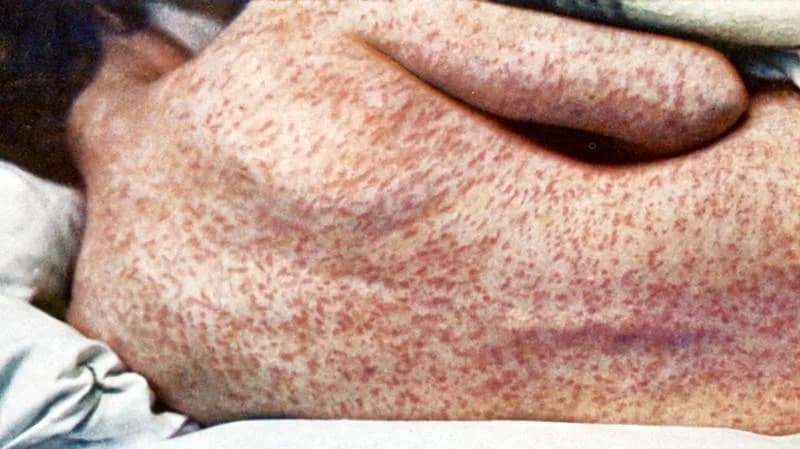
A digital illustration of the measles virus.
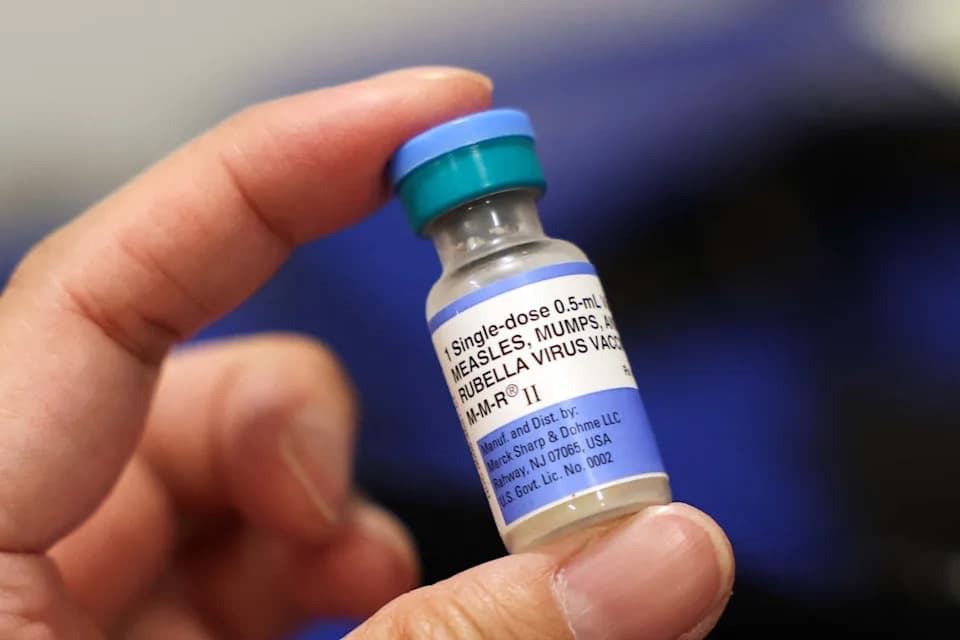
A new mathematical modeling study warns that removing school-entry vaccine requirements in Florida could spark the largest measles epidemic in the United States in roughly half a century. Researchers at the University of Maryland found that even modest declines in childhood MMR (measles, mumps and rubella) coverage could make measles endemic in Florida and produce pediatric fatalities at levels not seen since before routine vaccination.
Study Design and Key Findings
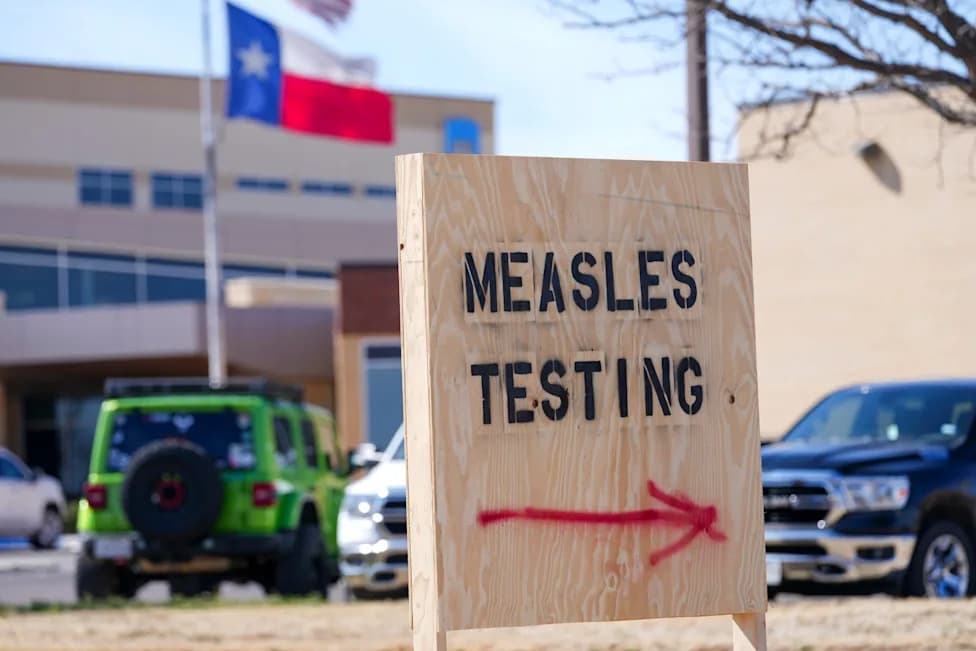
The team adapted a transmission model based on a 2025 measles outbreak in Gaines County, Texas, and layered in Florida-specific demographics, current MMR coverage rates, and realistic patterns of age- and location-based mixing. Their simulations show that removing school-entry vaccination requirements would substantially increase the likelihood of very large outbreaks. In some scenarios, the model projects pediatric deaths numbering in the hundreds within five years.
Context: Policy Moves and Local Coverage
Last year, Florida Governor Ron DeSantis pledged to end broad vaccine mandates, and a recent proposal signed by Florida Surgeon General Joseph Ladapo recommended removing school requirements for Hepatitis B, varicella (chickenpox), Haemophilus influenzae type b (Hib), and pneumococcal conjugate vaccines. The MMR requirement remains in law for now.
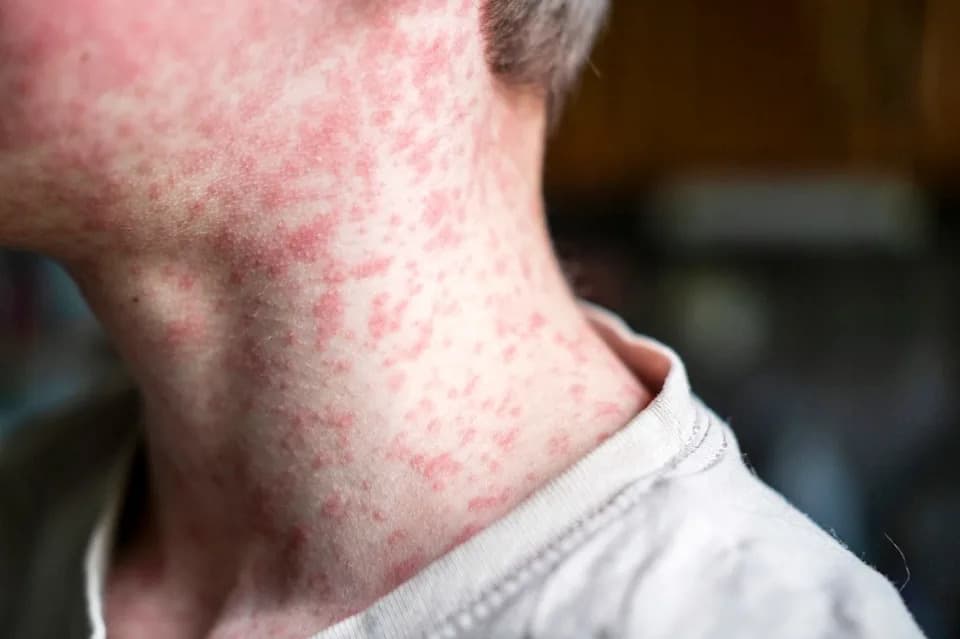
Public-health data show Florida already has higher-than-average exemption rates among kindergarteners and lower-than-average MMR coverage compared with national Centers for Disease Control and Prevention figures. Although measles was declared eliminated in the U.S. in 2000, this year the country has seen its highest number of measles cases in more than three decades—more than 2,000 cases nationwide, including over 100 confirmed in Florida.
Expert Commentary
"Even small reductions in child vaccination rates could lead to disproportionately large increases in the scale of outbreaks," said Alice Oveson, the paper's first author and a Ph.D. student at the University of Maryland.
Co-author Abba Gumel noted that mandates have historically prevented erosion of herd immunity and that catch-up adult vaccination or behavioral measures like masking cannot fully substitute for robust childhood coverage. Dr. Jon Andrus called removal of MMR school-entry requirements "disastrous" for children in Florida and warned it could seed a larger national outbreak. Dr. Paul Offit emphasized that measles is among the most contagious human diseases, that adults face far higher risks of hospitalization and death from complications, and that restoring the World Health Organization's ~95% herd immunity threshold could take years.
Implications and Recommendations
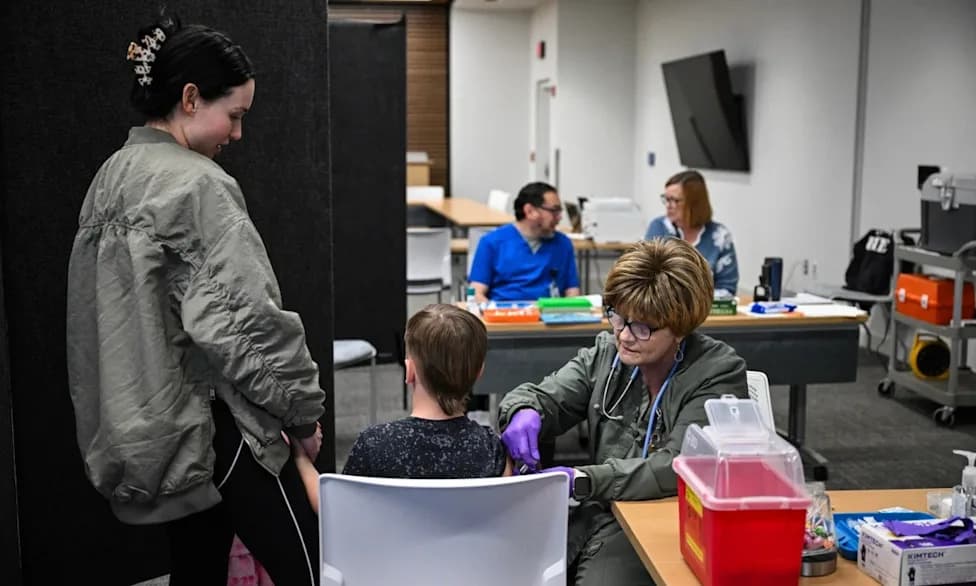
The researchers conclude that rescinding school vaccine mandates would not only increase outbreak risk in Florida but could reignite transmission across the U.S. They urge public-health officials to intensify outreach to parents, strengthen catch-up vaccination programs, and maintain immunization requirements that protect herd immunity.
Reference: A. Oveson and A.B. Gumel (2026). Projected Effects of Removing School-Entry Vaccination Requirements on Measles Transmission in Florida. Proceedings of the National Academy of Sciences. https://doi.org/10.1073/pnas.2610455123.
Help us improve.