The Planetary Health Check 2026, compiled by over 60 scientists, finds seven of nine planetary boundaries have been breached, including climate change, ocean acidification and biodiversity loss, with ocean acidification flagged as the seventh boundary crossed in 2025. The report highlights acute threats to the Amazon and the seafloor, and warns that an unprecedented El Niño is adding extra heat to an already warming planet. While risks are growing and some systems are in a danger zone, authors say rapid deployment of existing solutions — especially accelerating renewables and protecting critical ecosystems — can still avert the worst outcomes.
Seven Of Earth's Nine Life‑Support Systems Have Been Breached — 'We're Rapidly Running Out Of Time,' Scientists Warn
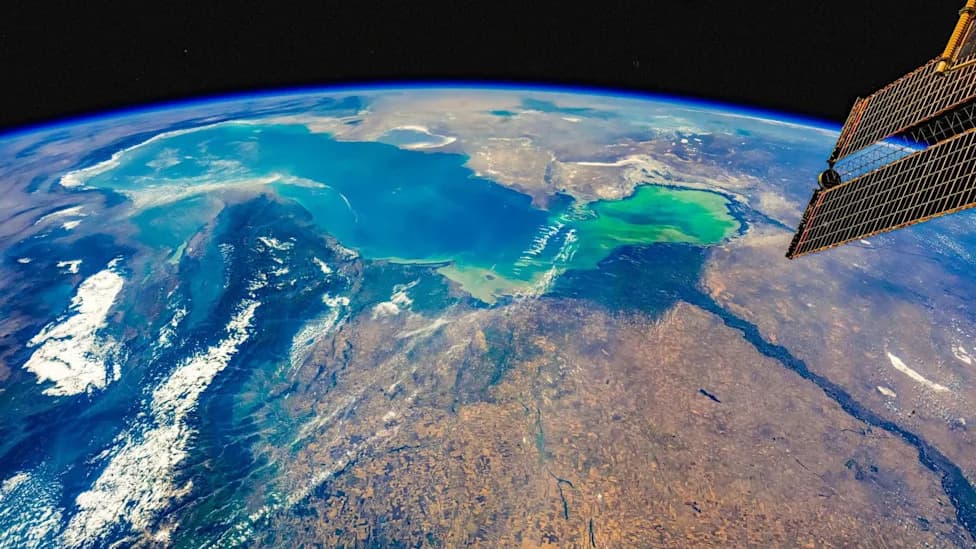
Digitally enhanced image of Earth taken by NASA.
The Planetary Health Check 2026, compiled by more than 60 scientists, warns that seven of Earth's nine planetary boundaries have been breached, placing vital systems — from climate and oceans to biodiversity — at escalating risk. While the window to act is closing, the report's authors say rapid, large-scale implementation of existing solutions can still avert the worst outcomes.
What the report assessed
The assessment evaluates interconnected natural systems — the so-called planetary boundaries — that maintain Earth's stability and resilience. Crossing these boundaries increases the likelihood of severe, long-lasting, or irreversible harm to the environment and societies that depend on it.
Which boundaries are breached
The 2026 check finds seven boundaries have been transgressed: climate change, ocean acidification, biosphere integrity (biodiversity), freshwater change, land system change, modification of biogeochemical flows (notably nitrogen and phosphorus), and the introduction of novel entities (including persistent chemicals). Two boundaries remain, at least at a global level, inside the safe operating space: stratospheric ozone depletion and atmospheric aerosol loading.
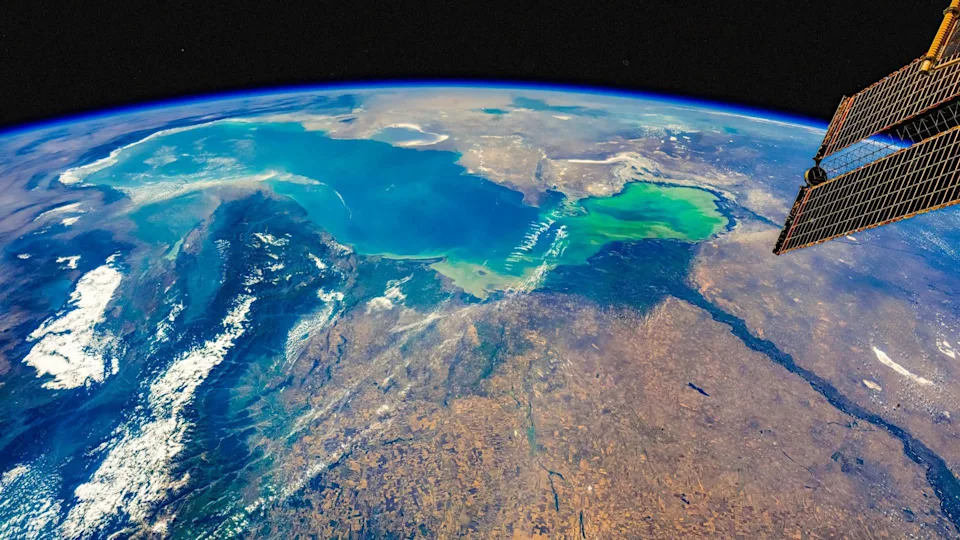
Researchers warn our planet is at increasing risk irreversible harm. This is a digitally enhanced image of Earth taken by NASA. | Credit: Roberto Machado Noa via Getty Images
Notably, ocean acidification was identified in 2025 as the seventh boundary to be crossed after measured acidity increases reached levels scientists consider dangerous to marine ecosystems.
Clear signals and rising risks
The report uses a traffic-light framework to communicate risk: green for a safe operating space, yellow/orange for a breach with increasing risk, and red for a danger zone where severe, irreversible damage is likely. According to the 2026 assessment, ocean acidification, freshwater change and land system change are in the increasing-risk category, while climate change, biogeochemical flows, novel entities and biosphere integrity sit in the danger zone.
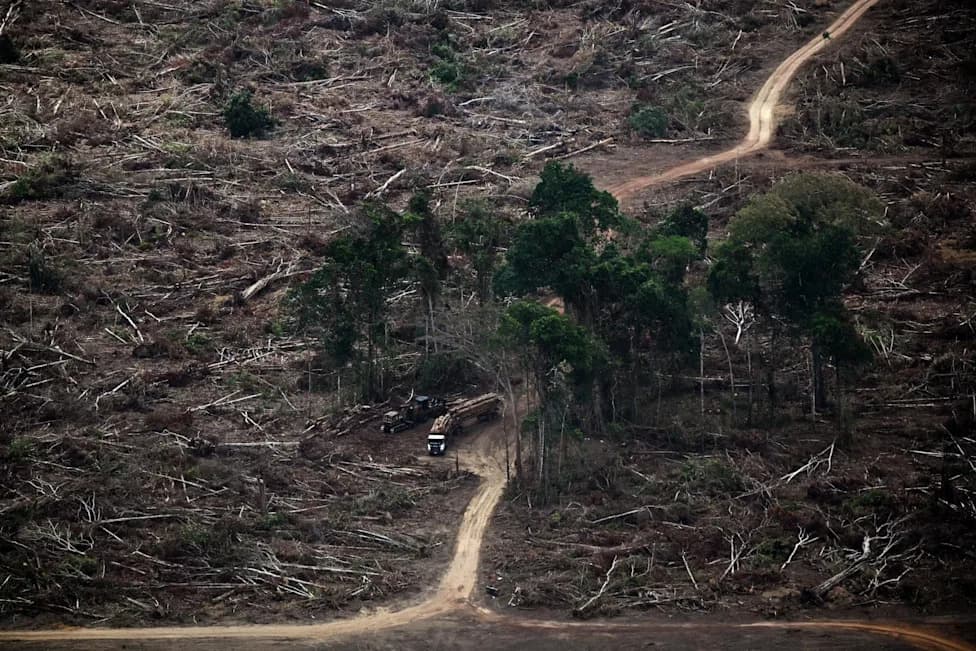
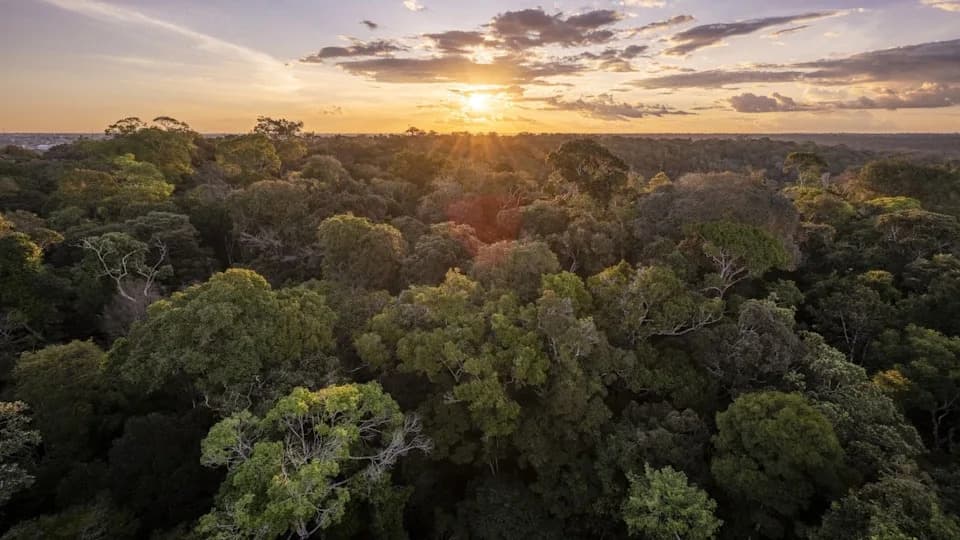
Researchers report stronger, clearer signals of planetary strain: more frequent and intense heatwaves, accelerated glacier retreat, more common and severe marine heatwaves, and widespread coral bleaching. Specific vulnerable systems highlighted include the Amazon rainforest, which faces a potential tipping point, and the seafloor, which is suffering from bottom trawling and faces an emerging threat from proposed deep-sea mining.
"If you had a patient with a blood test that looks like this, you would send them to the ICU right away," said Niklas Kitzmann, lead editor of the report and researcher at the Planetary Boundaries Science Lab at the Potsdam Institute for Climate Impact Research.
El Niño and near-term uncertainty
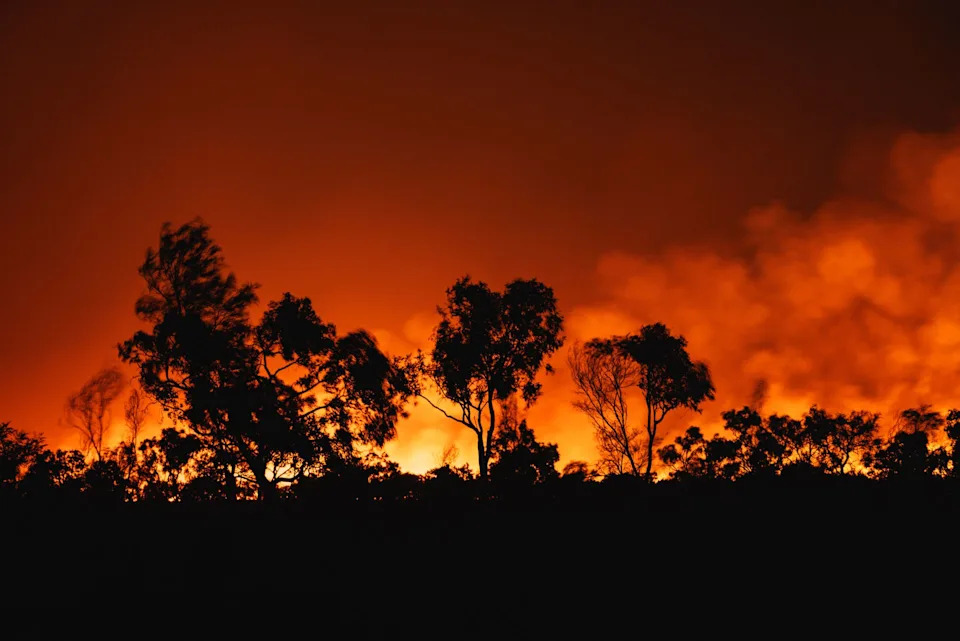
Abstract Aerial Art via Getty Images
The 2026 report is published amid an unprecedented El Niño event that is adding extra heat to an already warming planet. That additional warming amplifies risks to ecosystems and societies; researchers say the full effects on planetary boundaries will be clearer in next year's assessment when global temperature trends are fully integrated.
Why there is still hope — and what must happen
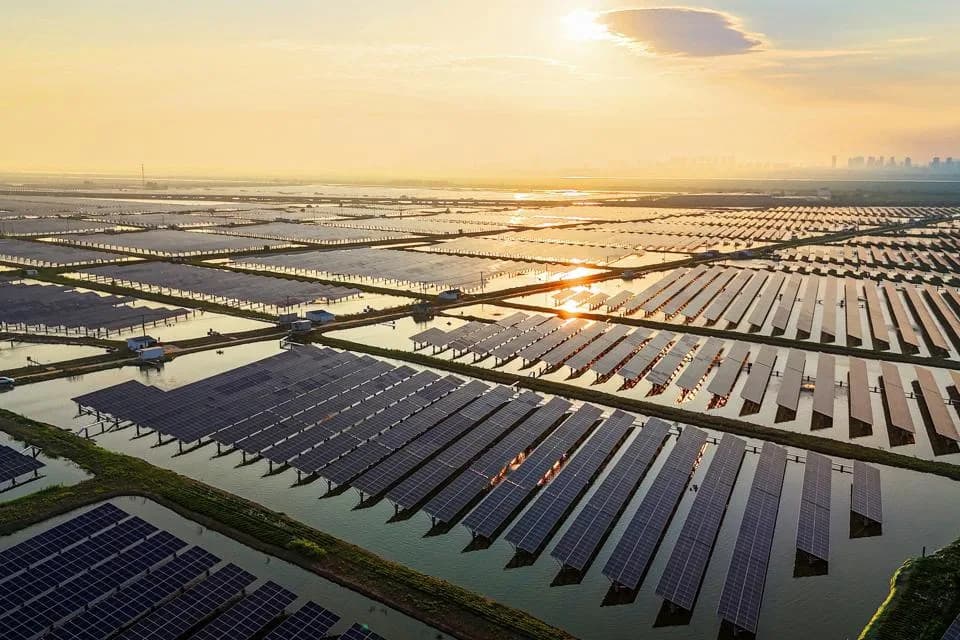
Despite the stark diagnosis, the authors point to reasons for guarded optimism: falling costs and accelerating deployment of renewable energy (especially solar), increasing public awareness, and a growing number of international agreements and conservation measures aimed at protecting oceans, land and biodiversity. However, Kitzmann emphasizes urgency: emissions and nature degradation curves must be bent within the next few years to avoid catastrophic outcomes.
Actions the report highlights
- Rapidly scale up renewables and electrification to cut greenhouse gas emissions.
- Protect and restore critical ecosystems such as the Amazon and coastal habitats.
- Reduce harmful practices like destructive bottom trawling and manage risks from deep‑sea mining proposals.
- Tighten regulations on persistent and novel chemical pollutants (so‑called forever chemicals).
- Implement global cooperation on nutrient management and land-use planning to restore safe biogeochemical cycles.
The Planetary Health Check is designed as an annual assessment to inform policymakers, researchers and the public about trends in Earth system health. The 2026 report underscores that decisive, rapid action using known solutions can still change the trajectory — but time is short.
Help us improve.