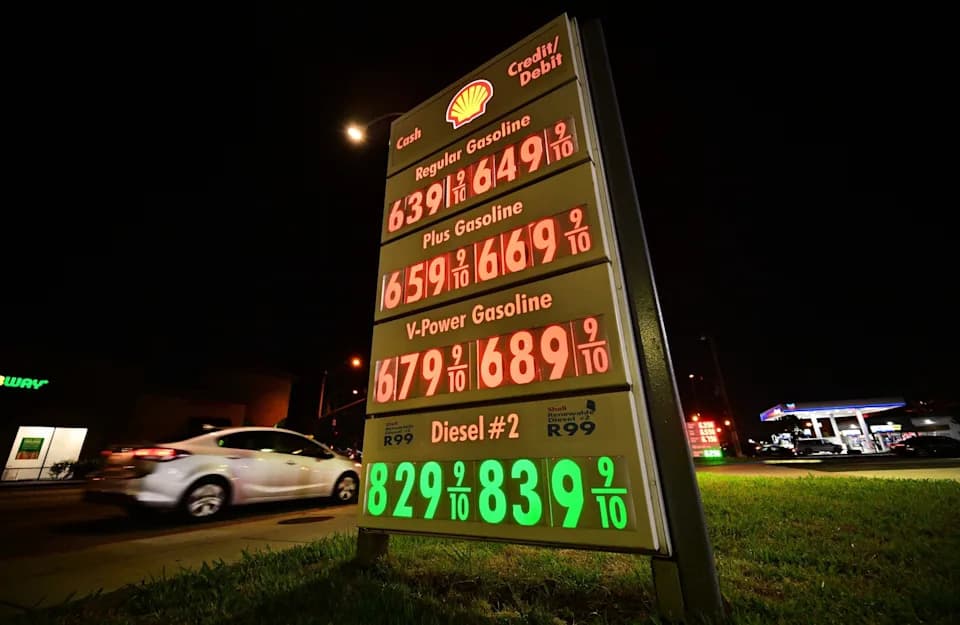
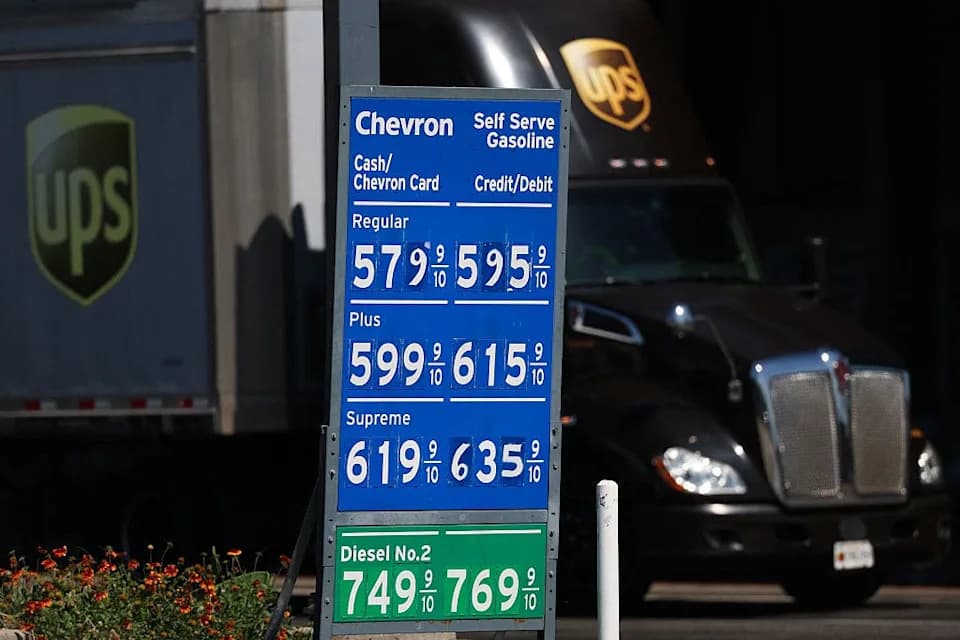
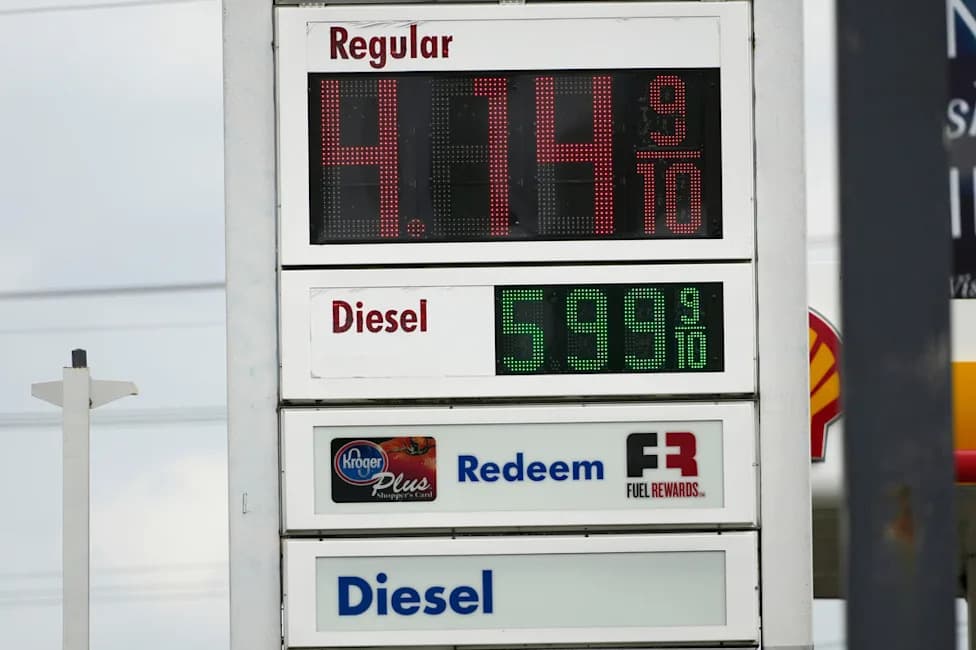
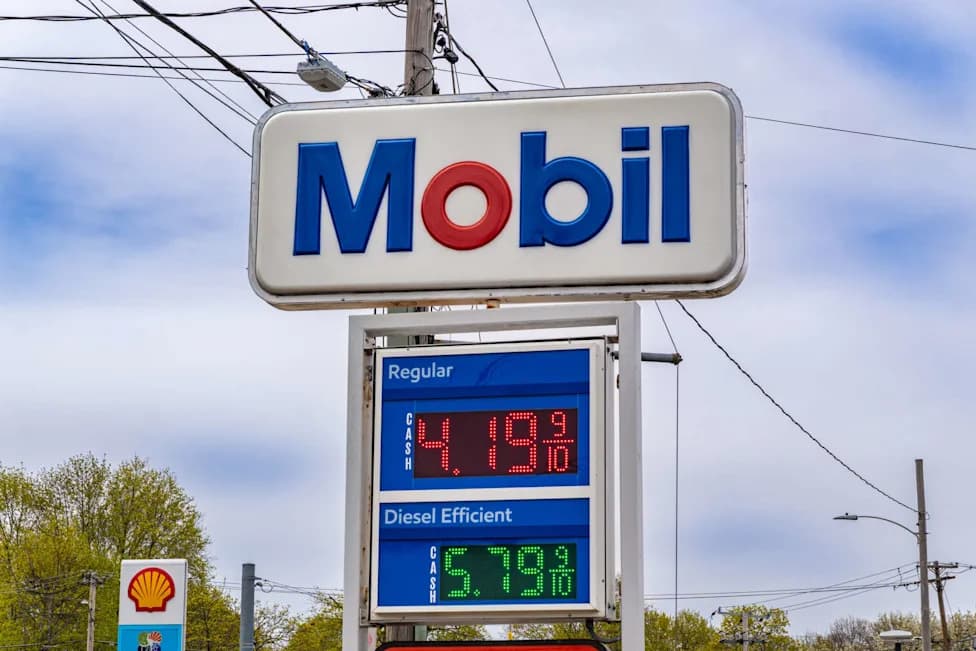
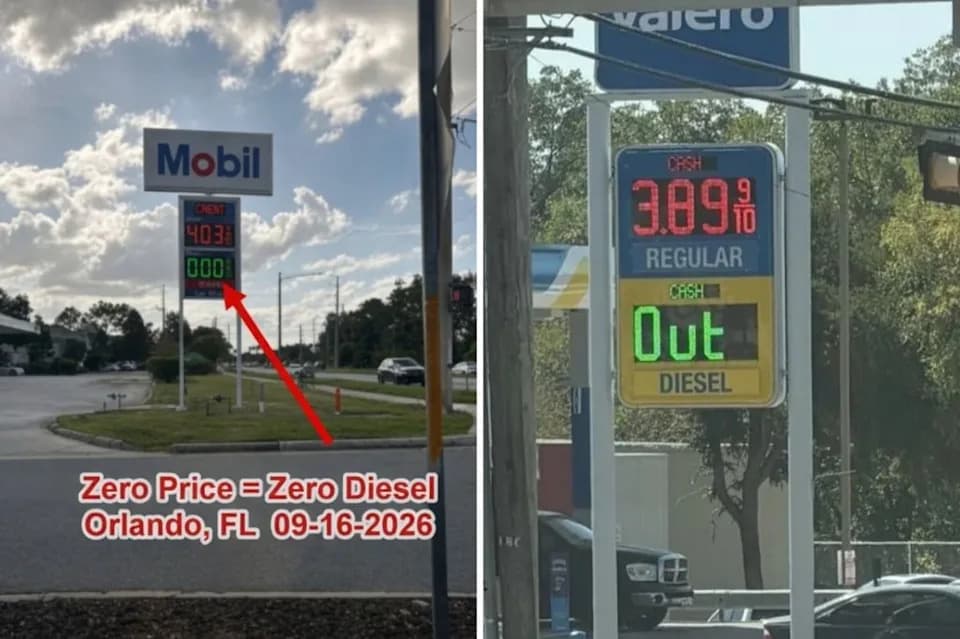
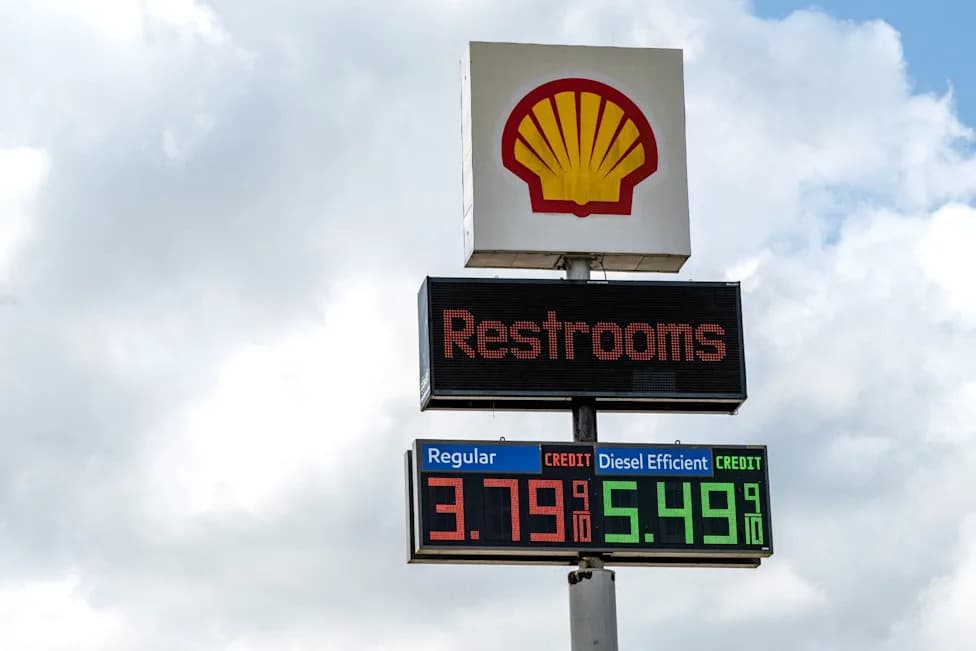
Record diesel in Waco averaged $5.59 per gallon — about 75% above the city's previous $3.21 average — and is squeezing local transport and construction firms. Hunter Kosar of Twisted Nail says projects planned earlier this year have been "derailed" as fuel costs climb. National diesel averages sit at $5.90 amid Middle East disruptions and refinery impacts, and higher diesel can quickly raise freight and food costs.
Record Diesel Prices in Waco Are 'Derailing' Construction Projects and Could Push Up Food Costs
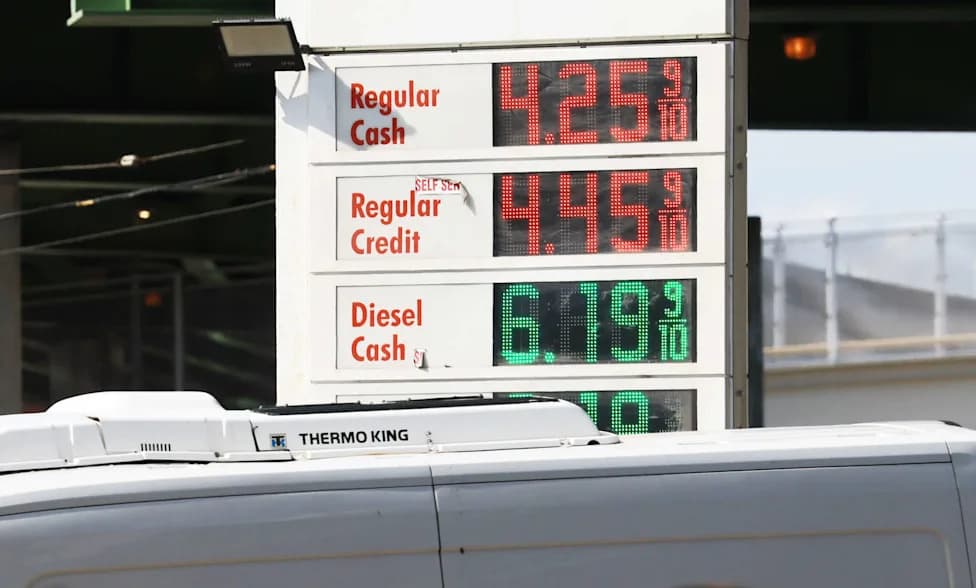
Photo Credit: Getty Images
Waco businesses that haul essential goods and construction materials are under new pressure as diesel prices climb to record highs, forcing some projects off schedule and straining budgets.
Local Pain, National Ripple
AAA data cited by KWTX shows diesel in Waco averaged a record $5.59 per gallon — roughly 75% higher than the city's prior $3.21 average. Nationally, diesel averaged $5.90 per gallon, up from $3.70 and slightly above June 2022's $5.82. Industry observers attribute the rise to disruptions in Middle East energy flows and ongoing conflicts that have affected some Russian refining capacity, tightening global petroleum supplies.
How It Hits Businesses
Hunter Kosar, president and owner of Twisted Nail, a construction-trucking and aggregate supplier based in Waco and Austin, described the ripple effects on projects across the region.
Looking back to the start of the year to today, our operation in general — every single project we've had — has been derailed. Every single thing we projected in January is no longer the case today, Kosar told KWTX.
Twisted Nail delivers limestone, road base and recycled concrete to construction sites across the region. When diesel jumps, hauling costs rise, making it harder for contractors to meet schedules and budgets. Kosar added that when fuel costs climb sharply, everything that burns diesel or fuel is affected, from on-site machinery to transportation.
Broader Economic Effects
Because freight and delivery networks depend heavily on diesel, higher prices can spread quickly through supply chains. The Independent Grocers Alliance estimates fuel can account for as much as 30% of total food costs, meaning rising diesel has the potential to push grocery bills higher for consumers.
Kosar warned that some planned investments — from municipal projects to stadiums — may be delayed or canceled if elevated fuel costs persist. The local spike in diesel underscores how swings in fossil fuel markets, rising power costs and environmental policy concerns can influence investment decisions and household budgets nationwide.
What To Watch
- Fuel price trends and AAA regional reports for updated pump averages.
- Supply disruptions tied to geopolitical events and refinery operations.
- Potential passthrough of higher freight costs into construction bids and consumer prices.
Local businesses and policymakers are watching whether market pressures ease or whether sustained higher diesel will force broader adjustments in project planning and consumer costs.
Help us improve.