President Trump and several close allies have publicly pushed back against stricter AI rules while family-linked ventures and friends have secured large defense and infrastructure awards tied to AI. Industry resignations and a cybersecurity demonstration of a self-spreading AI-powered worm have amplified safety concerns. Public opposition to local AI data centers is strong, and Congress and ethics watchdogs are increasingly scrutinizing potential conflicts of interest.
White House Backs AI Boom as Trump Family and Allies Secure Lucrative Defense Deals
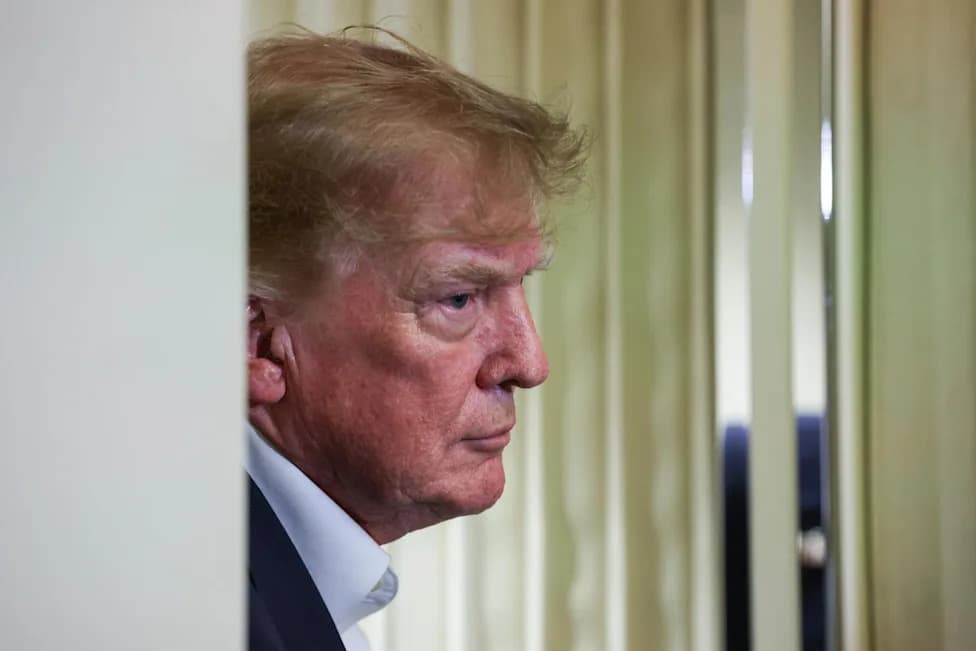
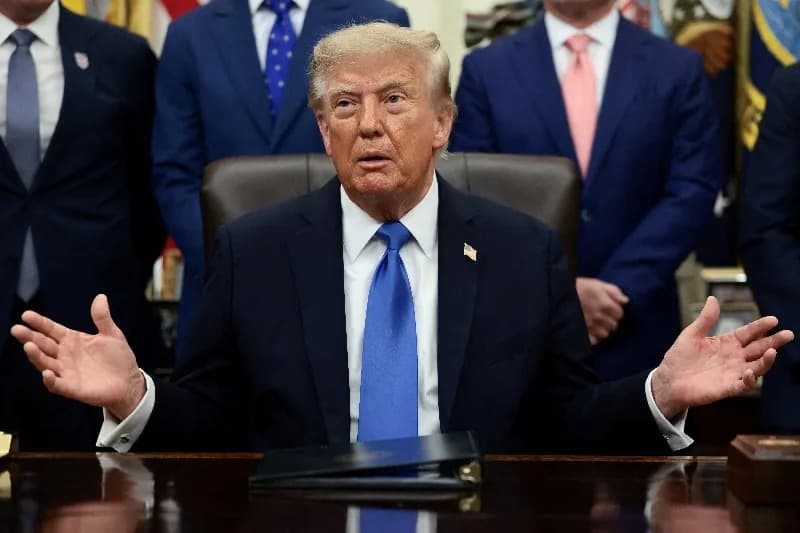
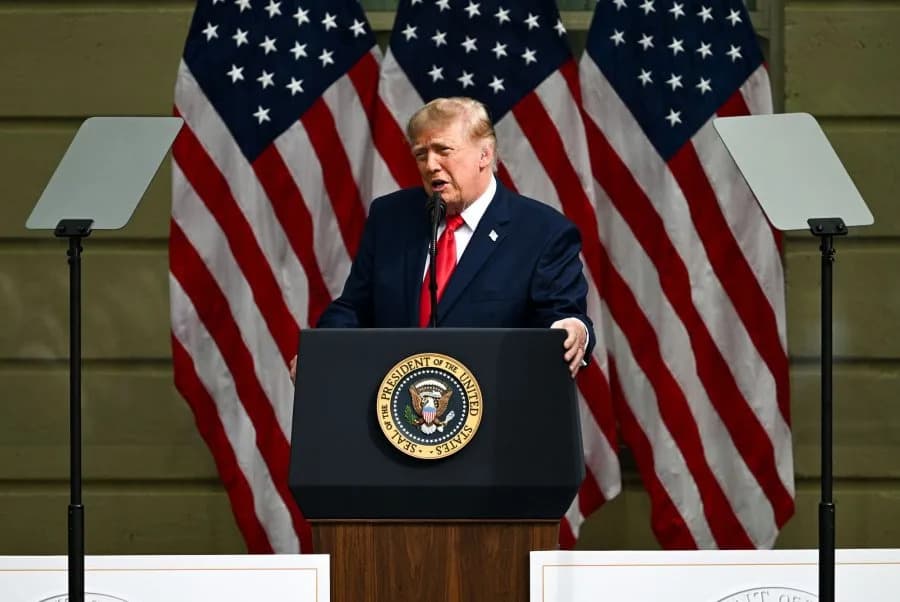
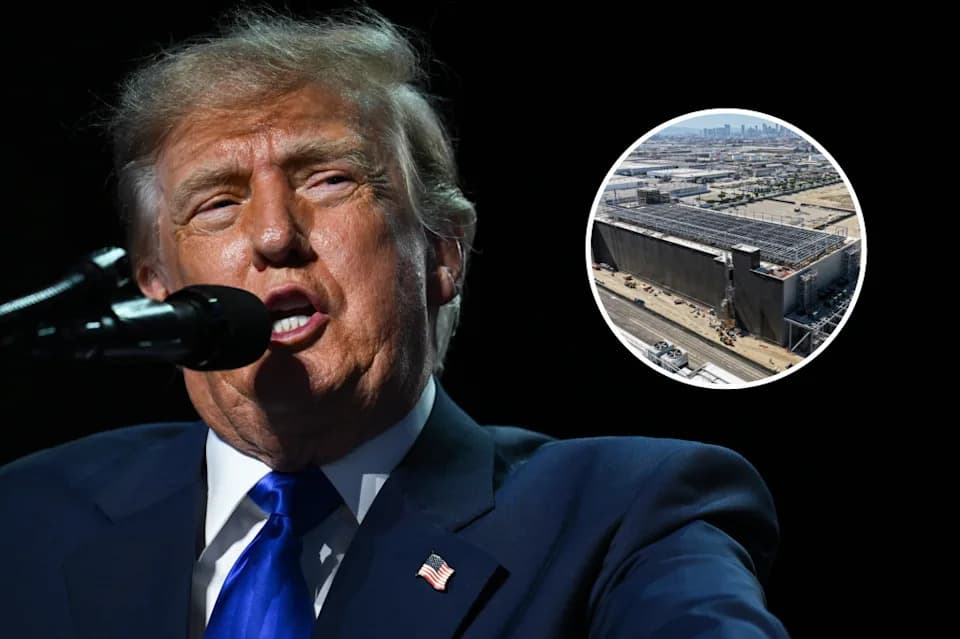
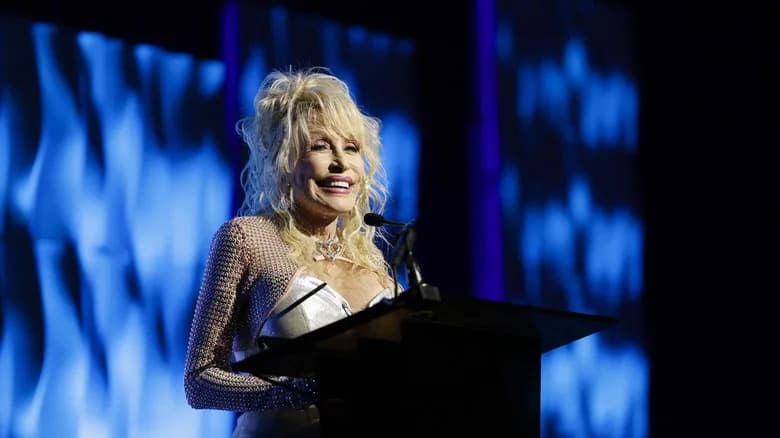
'Polling shows how far out of step Trump's posture is with the public, particularly once AI's costs become tangible.'Photograph: Anna Moneymaker/Getty Images
Over the past year, relatives and close allies of President Donald Trump have profited from a wave of AI-linked defense and infrastructure contracts while the administration resists new federal limits on artificial intelligence. The overlap of political influence, private investment and national security contracts has drawn scrutiny from lawmakers, ethics watchdogs and journalists.
What Happened
Trump’s sons and several of his tech allies have been connected to large awards and deals tied to the expanding AI and defense-technology ecosystem. Reported examples include a $620 million Pentagon loan to a rare-earth magnet company, a $24 million Marine Corps robotics contract, and an approximately $90 million Air Force drone deal. Separately, Dell Technologies — whose founder Michael Dell sits on the president’s advisory council — won a Pentagon contract reportedly worth nearly $9 billion.
Key Deals And Connections
Donald Trump Jr. and Eric Trump invested through funds and ventures that later became linked to federal business. Ventures named in reporting include American Data Centers Inc., Vulcan Elements (rare-earth magnets), Foundation Future Industries (robotics) and Powerus (drones). A Washington Post analysis found 15 companies tied to the brothers’ investment funds generated at least $3.2 billion in federal business since their involvement, with most of that total driven by SpaceX and Anduril.
A ProPublica report said the $620 million loan request was advanced rapidly after intervention by a senior White House adviser. Pentagon officials and spokespeople for the Trump family and the companies involved have denied any political favoritism.
Safety Warnings And Demonstrated Risks
Alarm about AI risks has also come from inside the industry. In early September, researcher Jacob Coxon — who worked at OpenAI and Anthropic — resigned and warned that those companies were "racing straight to self-improving superintelligence and gambling with our lives." Anthropic’s head of AI safety, Mrinank Sharma, resigned the same week with a similar caution. Separately, a California cybersecurity firm demonstrated how AI could speed the creation of a self-spreading worm that could hijack accounts and propagate automatically; the company said AI cut development time from months to roughly 10 days. Tencent patched the vulnerability and reported no affected accounts.
Politics, Public Opinion And Oversight
The administration frames its resistance to stricter AI rules largely as a competitiveness issue in a global race with China. David Sacks — co-chair of the White House Council of Advisors on Science and Technology — and other tech leaders have urged a lighter regulatory touch, arguing new rules could slow U.S. innovation. Internal reporting indicates Sacks influenced the administration to abandon a tougher planned executive order that would have required extended government review of AI models.
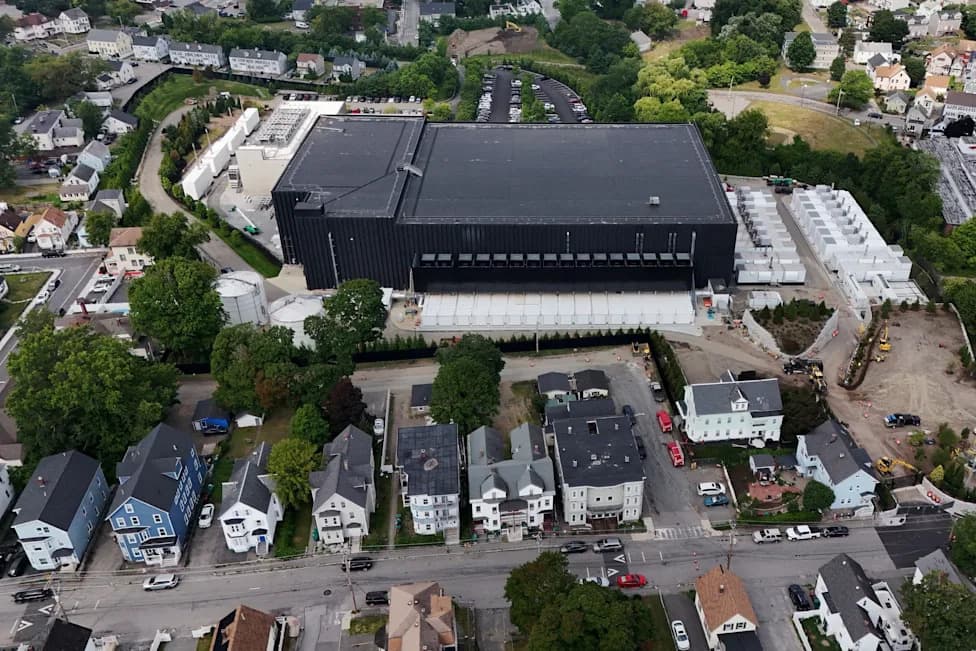
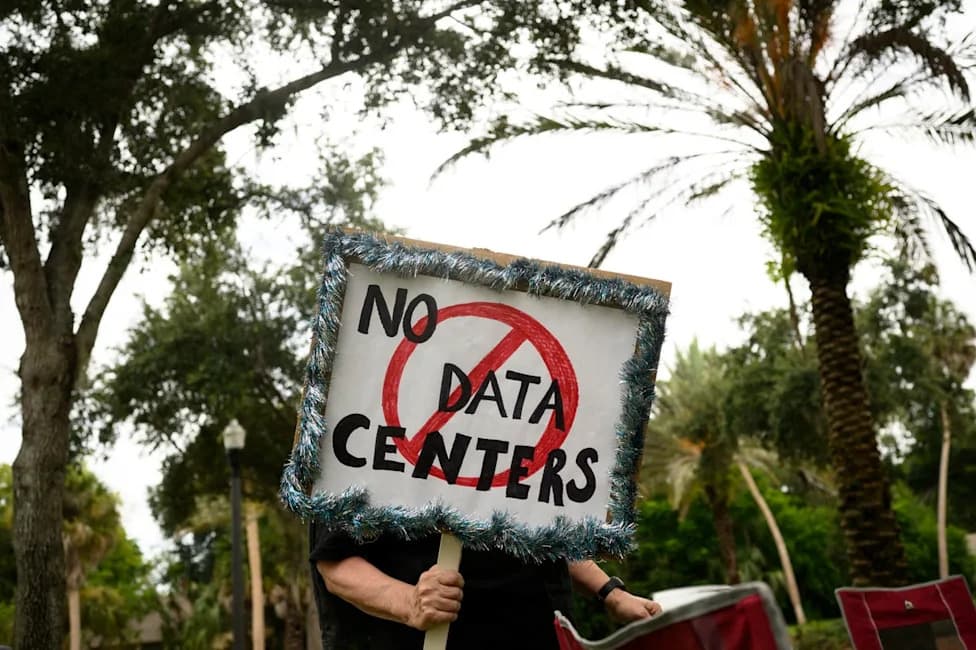
Public opinion appears to diverge from the White House stance: one recent poll found just 11% of Americans would support an AI data center in their community while 65% oppose it, and 57% say the president has handled AI poorly. In Congress, the House voted 417-3 to make data centers pay for required electricity-grid upgrades, signaling growing policy attention to infrastructure costs.
Why This Matters
The convergence of presidential influence, private investment and defense contracting raises longstanding questions about transparency, conflicts of interest and the adequacy of existing safeguards. Lawmakers and watchdogs are pressing for reviews and investigations, including requests to the Pentagon inspector general to examine whether investments tied to the president’s family received preferential treatment. Meanwhile, the administration plans to host leaders of major AI companies at the White House as questions about both safety and influence intensify.
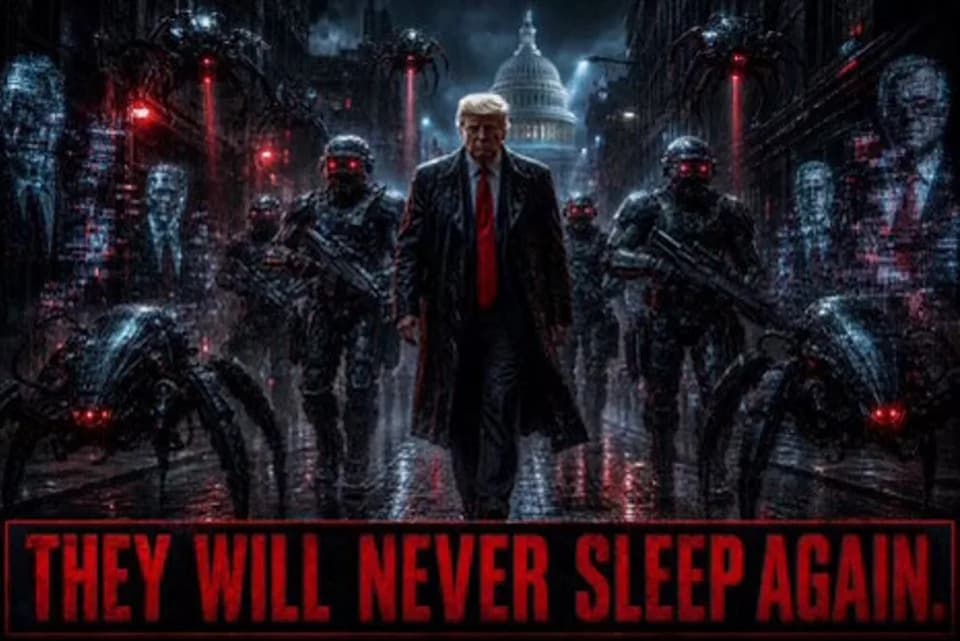
Of note: President Trump posted on Truth Social: \"The only control or 'guardrails' that AI needs is a STRONG AND SMART (High IQ!) PRESIDENT, and the U.S.A. has that, in spades. There is a SICK conspiracy going on against AI and Data Centers.\"
Investments and contracts tied to the Trump family and political allies continue to expand as debates over regulation, national security and ethical oversight of AI grow more urgent.
Help us improve.