Anger at elites, institutions and the political status quo is reshaping Democratic primaries across the Midwest, pushing voters toward candidates who promise concrete change rather than party labels. Key grievances include unaffordable healthcare, rising living costs, surveillance, trade disruptions and lack of accountability. Candidates who address those material concerns have gained traction, but whether that energy becomes turnout in November will decide control of Congress. Observers warn the result could range from a protest vote against both parties to a decisive realignment if the fed‑up electorate mobilizes.
Pissed-Off Voters Drive the Midterms: Anger at Elites and the Status Quo Fuels a Political Shake-Up
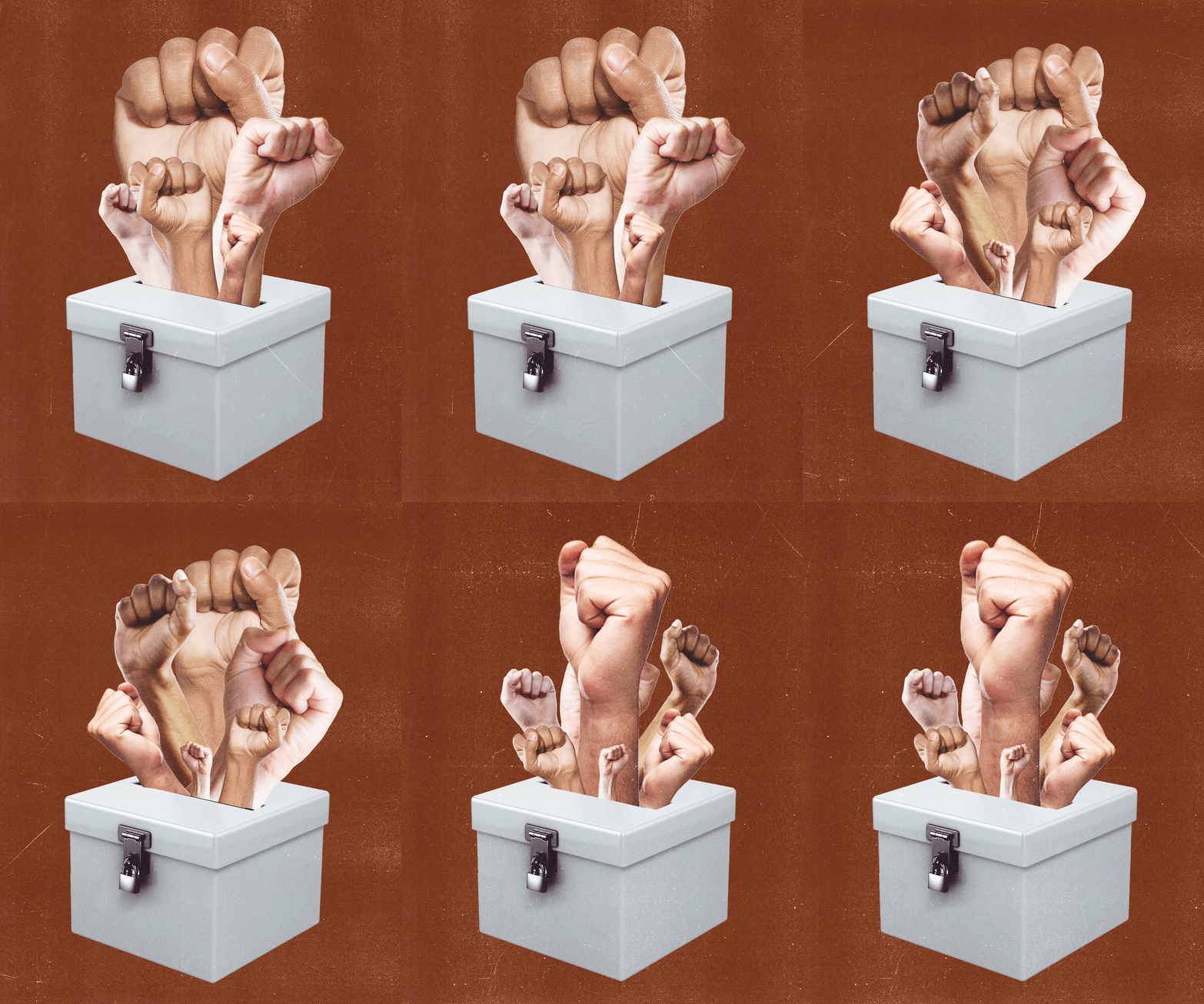
The rage of angry voters is reshaping American politics.Photograph: Guardian design
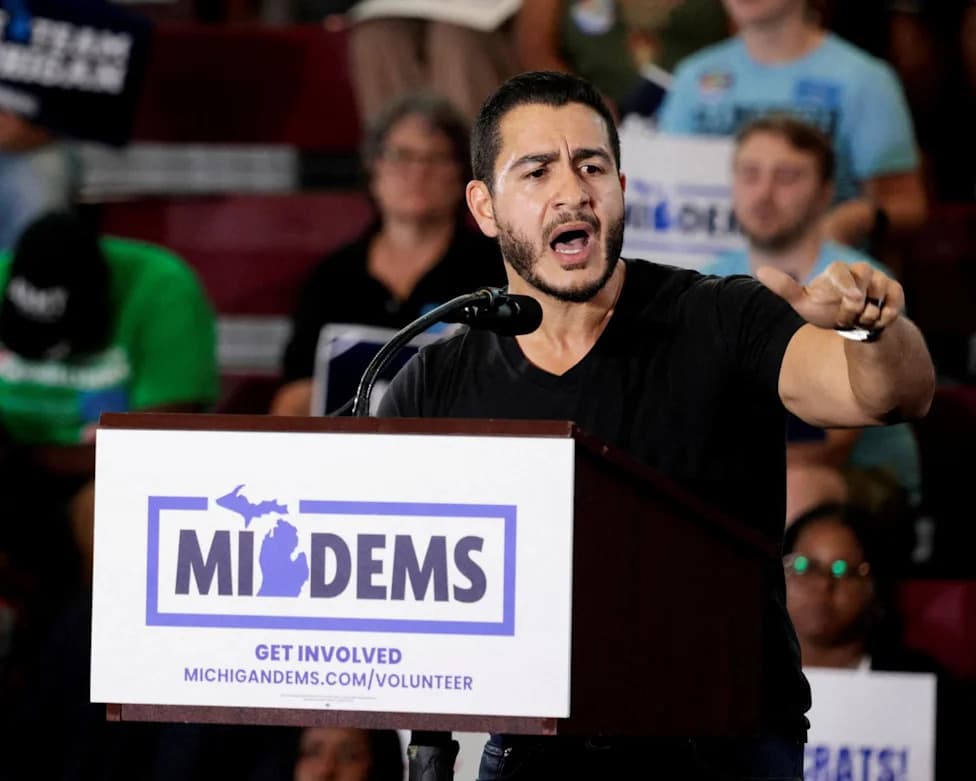
Brian Leeland, a 79-year-old Democratic voter in Detroit, reached out after reading coverage of Abdul El-Sayed’s campaign in Michigan’s Democratic US Senate primary. He told the reporter he was fed up with media framings that reduced contests to a tidy progressive‑versus‑establishment binary. “Your decision to frame the race here as a simple progressive versus establishment choice is overly simplistic verging on lazy,” he wrote. “As an electorate, we are not binary for the convenience of the media.”
A Wave Of Anger Across the Midwest
That frustration is far from unique. Reporting across contested Democratic primaries in the Midwest revealed a deeper common thread than intra‑party factionalism: broad-based anger at the political status quo. Voters of different ages and backgrounds described being fed up with grifters, the two‑party system, money in politics and an overemphasis on culture wars while structural problems persist.
What People Are Angry About
Voices from Minnesota to Michigan and Wisconsin raised similar complaints: unaffordable healthcare and childcare, rising grocery and gas prices, surging wealth at the top, trade disruptions that hurt farmers and small businesses, mass surveillance and the proliferation of datacenters, worries about foreign entanglements, and rollback threats to women’s reproductive rights. For many, day‑to‑day economic strain outweighs partisan labels.
Maurice Mitchell, national director of the Working Families Party: “Most people around the country, many of whom don't even identify as Democrat or Republican or whatever, are 10 out of 10 pissed off, angry and willing to take that anger into action against the status quo.”
How Candidates Respond
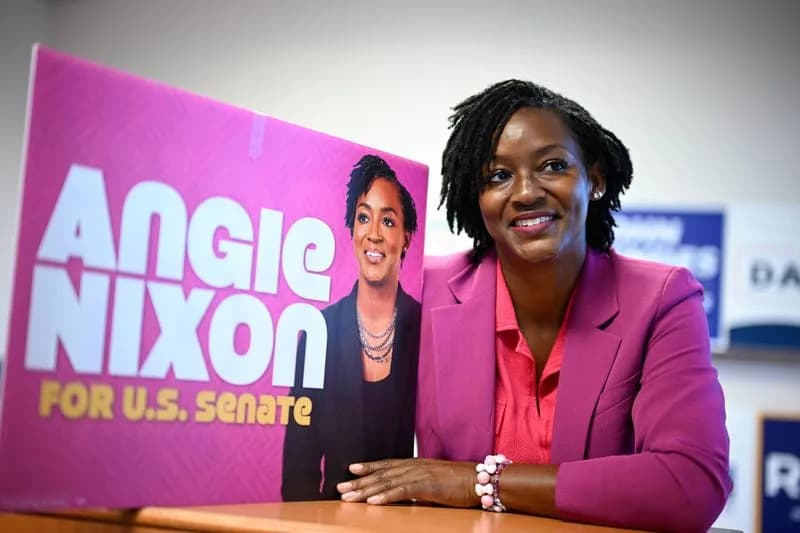
Candidates who speak directly to that resentment — promising concrete relief or structural change rather than relying on party labels — have found traction in primaries. Rob Sand, the Democratic gubernatorial contender in Iowa, reframes politics as “well‑fed versus the fed‑up.” Angie Nixon, Florida’s progressive Senate nominee, emphasizes empathy and policies that help everyday people. Abdul El‑Sayed warns voters to judge politicians by what they actually do, not by their rhetoric.
Some contenders focus on specific local flashpoints. Seth Bodnar, an independent Senate hopeful in Montana, foregrounded concerns about surveillance and datacenters in a provocative ad. Peggy Flanagan points to imagery and memories from Operation Metro Surge as evidence that immigration crackdowns and local trauma remain raw issues for voters.
Why the Old Scapegoat Playbook Is Losing Steam
Analysts and organizers argue that classic scapegoating — blaming immigrants, trans people or diversity initiatives for economic pain — is losing credibility when material conditions do not improve. “If you’ve used power to make people’s lives harder and they’re not better off, the jig is up,” says Maurice Mitchell. Anat Shenker‑Osorio warns that the “mad‑as‑hell” electorate may cast a ballot against both parties if neither addresses core economic and social needs.
What This Means for November
Whether this anger translates into an organized turnout will likely determine control of Congress. Observers describe a spectrum of outcomes: a protest vote that punishes incumbents of either party, a mobilized coalition that delivers a decisive shift, or lower turnout if disillusionment wins out. Democratic strategists stress the need to pair grassroots pressure with institutional action — an “inside‑outside” approach — while acknowledging past mistakes like overreliance on big donors and unclear party messaging.
For voters such as William Lawrence, the Democratic nominee in Michigan’s 7th district, the first step is simply to acknowledge and validate the anger: “People are pissed off and incredulous that our leaders could have allowed it to get this bad.” But the bigger challenge is keeping those fed‑up citizens engaged in the political process rather than driving them away.
Takeaway: Anger at elites and the establishment is reshaping primary contests and could be the decisive force in the midterms — but the ultimate outcome will hinge on whether candidates convert frustration into credible policy change and whether voters show up in November.
Help us improve.