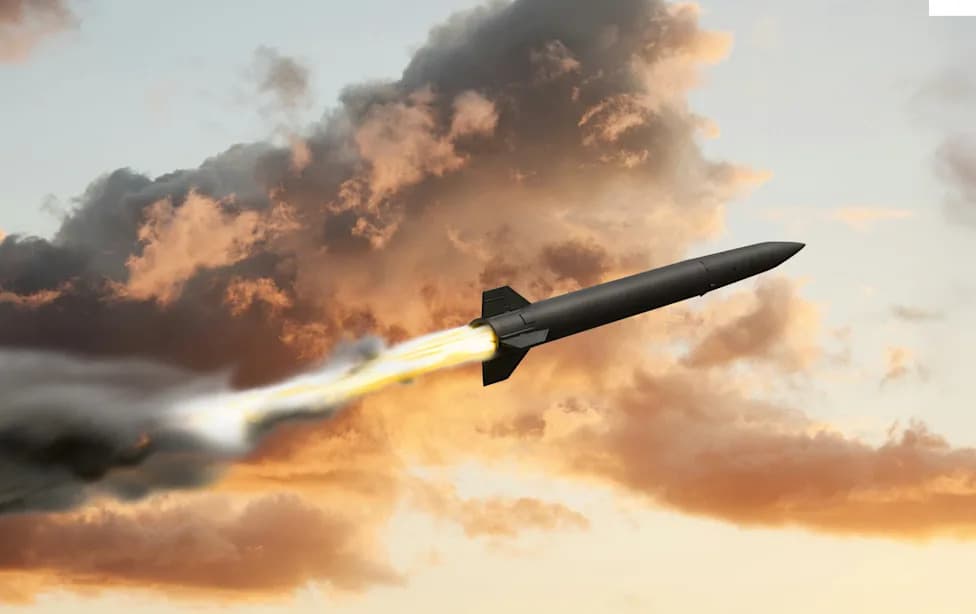
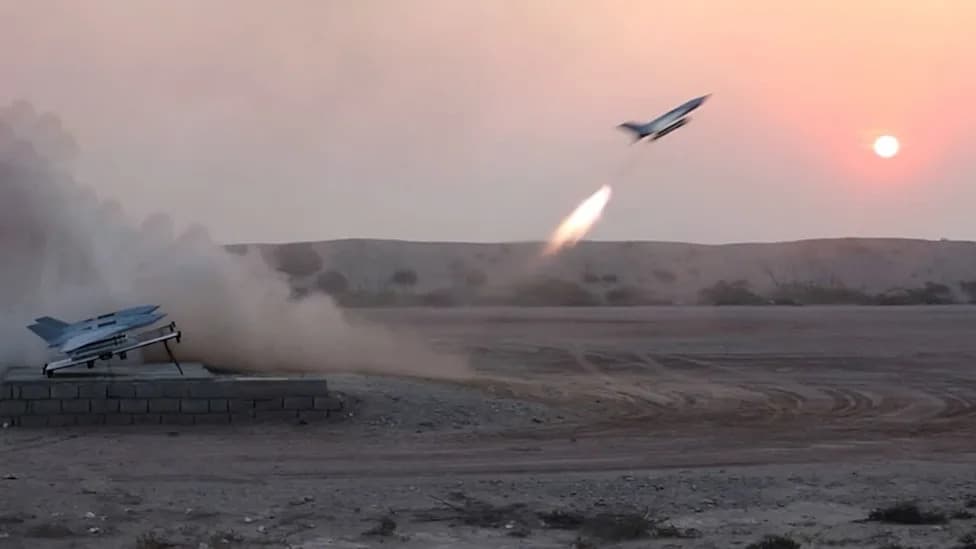
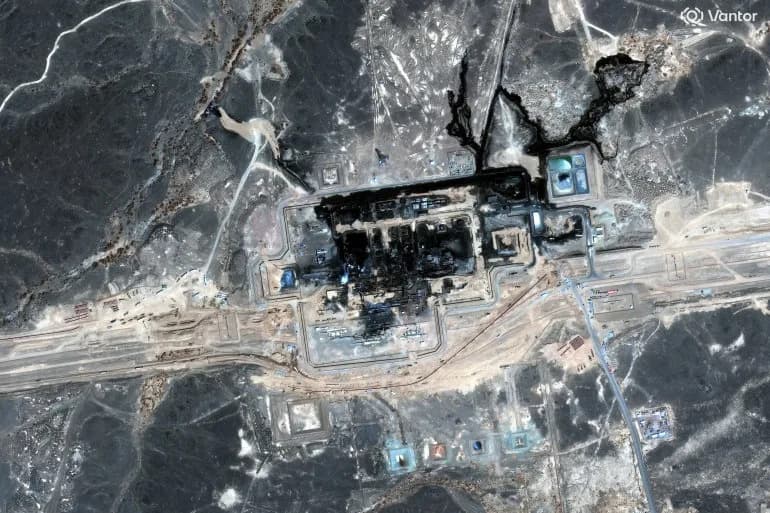
Ukraine says it fired the new Pelican ballistic missile for the first time during large coordinated strikes that also involved FP-5 Flamingo cruise missiles and a massive drone wave targeting Moscow’s outskirts. Russian officials reported hundreds of intercepted drones, two fatalities and damage to the Moscow Oil Refinery. Reported specifications for the Pelican (linked to Fire Point’s FP-7) and Flamingo remain partially unverified, and analysts say the combined weapons mix complicates Russian air-defence planning.
Ukraine Says It Used New Pelican Ballistic Missile In Large-Scale Strikes On Moscow Region
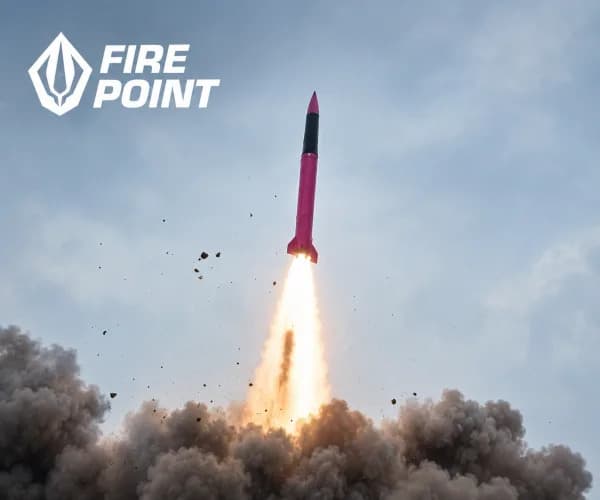
Pelican missile
Ukraine reported a new phase in its long-range strike campaign after saying it fired the newly introduced Pelican ballistic missile for the first time, alongside FP-5 Flamingo cruise missiles and a large swarm of drones in strikes around Moscow and nearby areas.
What Kyiv Says It Used
President Volodymyr Zelenskyy listed a broad set of systems employed in the overnight operation, including the Pelican and Flamingo and a mix of domestically produced systems: FP-1, RZ-100, MICH-2000, Palianytsia, Vendetta, Liutyi, Bars, and Sichen.
Pelican (Linked To Fire Point FP-7)
Ukrainian media have associated the Pelican name with Fire Point’s FP-7 ground-launched ballistic missile. Reported specifications include a range of up to 200 km, a ~150 kg payload, a maximum speed near 1,500 m/s, and claimed accuracy of roughly 14 m. Some reports suggest alternative configurations with ranges of 300–350 km; those higher figures remain unverified. At the published range, the Pelican would not be able to reach central Moscow from territory under Ukrainian control. Zelenskyy did not disclose the launch point or the specific target of the Pelican, so its exact employment in the operation is unclear.
FP-5 Flamingo And Drones
The FP-5 Flamingo, a ground-launched cruise missile, reportedly offers a deep-strike capability with claimed ranges up to 3,000 km, top speeds near 950 km/h, and a large warhead (reported ~1,150 kg). Fire Point has previously said Flamingo systems were used against targets inside Russia. Images circulating online were claimed to show Flamingo debris in the Moscow region, but independent verification of those images is lacking. Ukraine’s relatively inexpensive long-range attack drones have already demonstrated a capacity to penetrate deep into Russian territory; Flamingo would add a much heavier warhead and extended reach.
Impact And Russian Response
Russian officials described the operation as accompanied by the largest-ever drone wave targeting Moscow. Moscow Mayor Sergei Sobyanin said hundreds of drones approached the capital. Russian authorities reported that 450 drones were intercepted near Moscow and that 1,110 unmanned systems were destroyed across Russia, occupied Crimea and the Black Sea. Local authorities in the Moscow region reported two fatalities and 20 injured, and said the Moscow Oil Refinery sustained damage.
Analysis: What This Means
Multi-Profile Threats: Combining ballistic missiles, heavy cruise missiles and long-range drones forces defenders to confront different flight profiles and timelines, complicating air-defence planning.
Ballistic weapons like the Pelican can close rapidly on targets, reducing reaction time for air-defence systems, while cruise missiles and drones operate differently and may require other intercept solutions. If Ukraine can field these systems in meaningful numbers, it could stretch Russian air-defence coverage and create dilemmas about where to allocate interceptors. However, significant uncertainty remains about production capacity, exact performance figures, and independent verification of some claims.
In short, the weekend operation signals Kyiv’s intent to diversify and intensify its indigenous long-range strike toolkit, even as questions remain about the scale and sustainability of these new capabilities.
Help us improve.