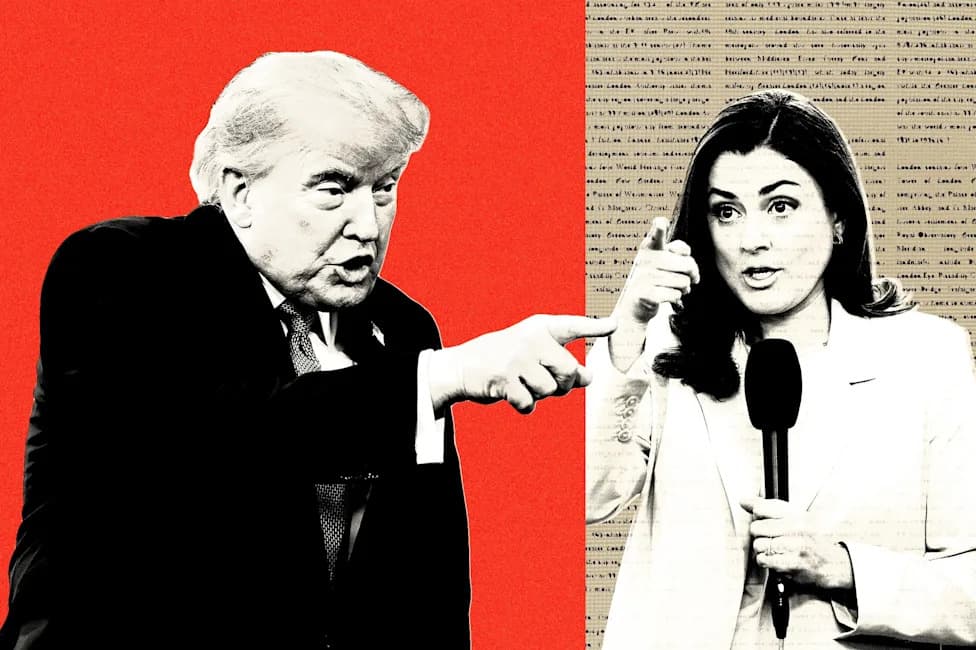
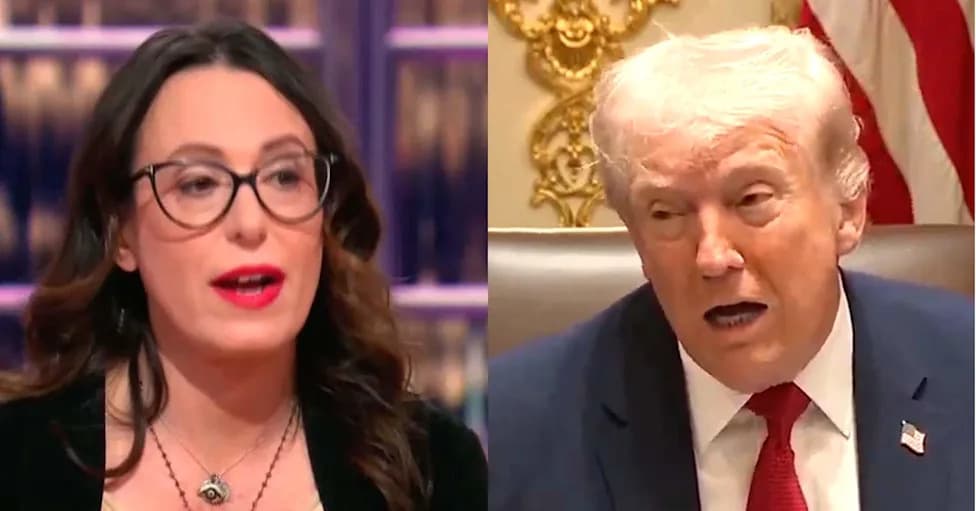
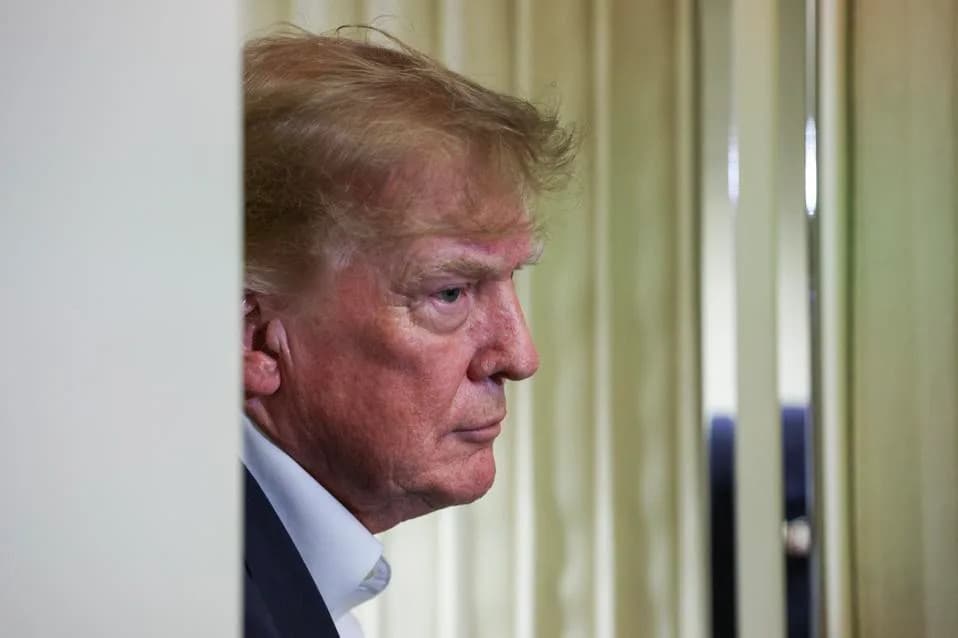
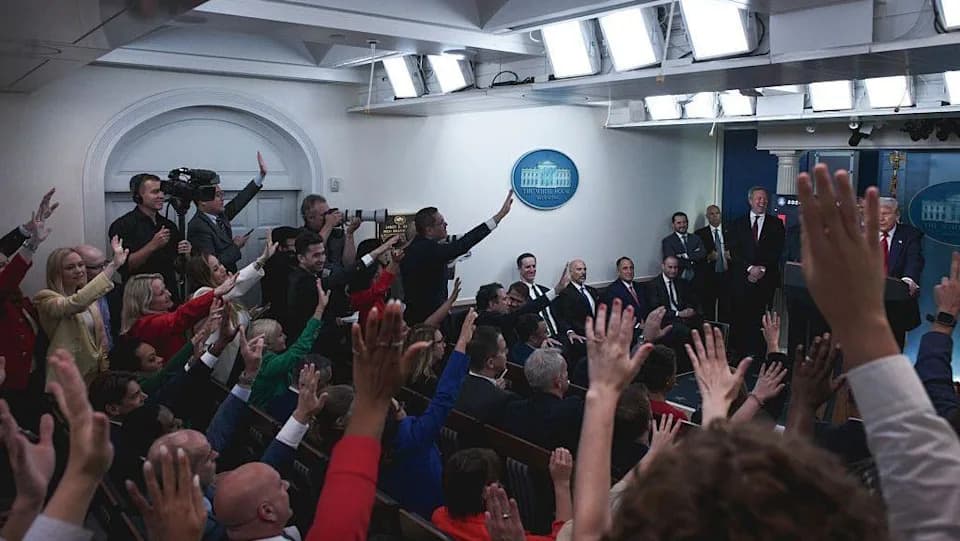
President Trump announced a ban on CNN, Politico and MSNBC from White House grounds; reporters from those outlets say Secret Service agents disabled and seized their press badges. The news organizations denounced the move as a violation of the First Amendment and vowed to challenge it. The White House Correspondents' Association and legal advocacy groups called the action likely unconstitutional and warned it could set a dangerous precedent for press access.
Trump Bars CNN, Politico and MSNBC From White House; Reporters Say Badges Were Disabled
[NurPhoto via Getty Images]
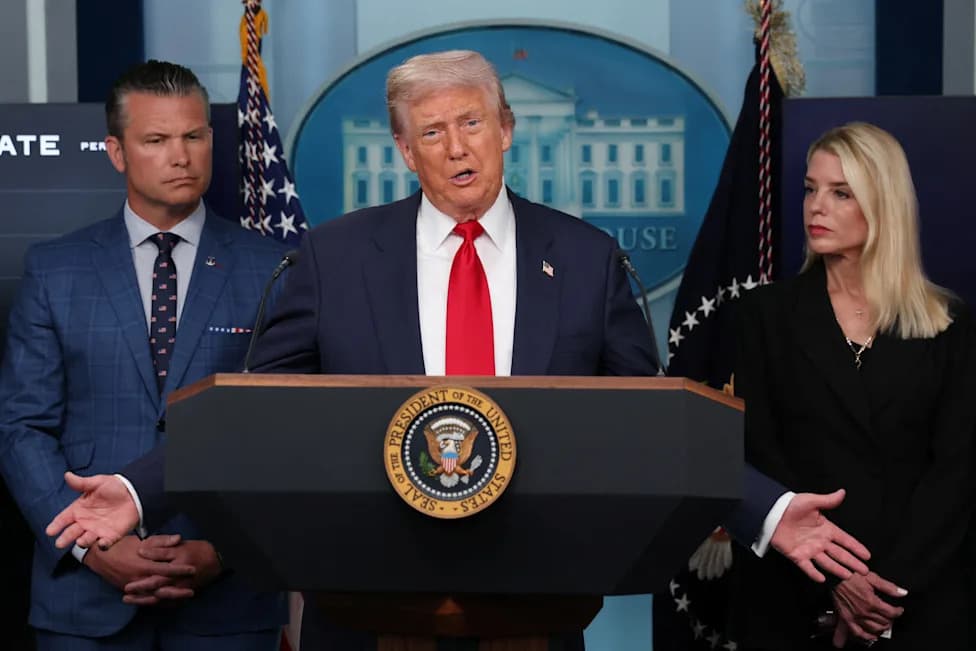
President Donald Trump announced he was barring CNN, Politico and MSNBC from White House grounds, and reporters from those outlets say Secret Service agents disabled and confiscated their press credentials when they tried to enter.
What Happened
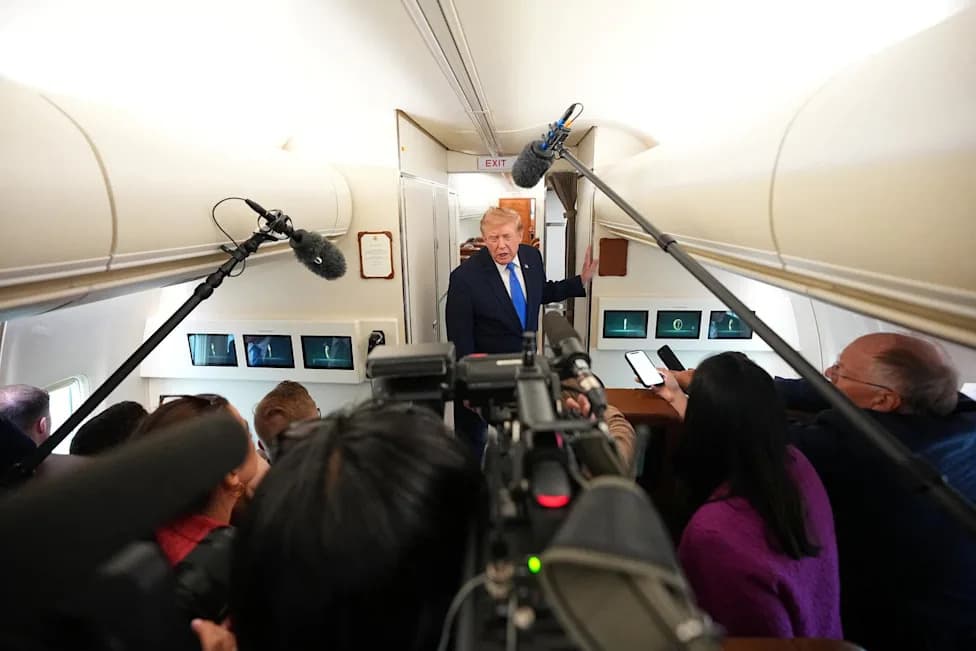
On Friday, Mr. Trump said he was banning the three news organizations, accusing them of publishing "fiction or lies" about his administration. The next morning, journalists from the named outlets reported being stopped at White House security checkpoints when their badges would not scan and were taken from them by officers.
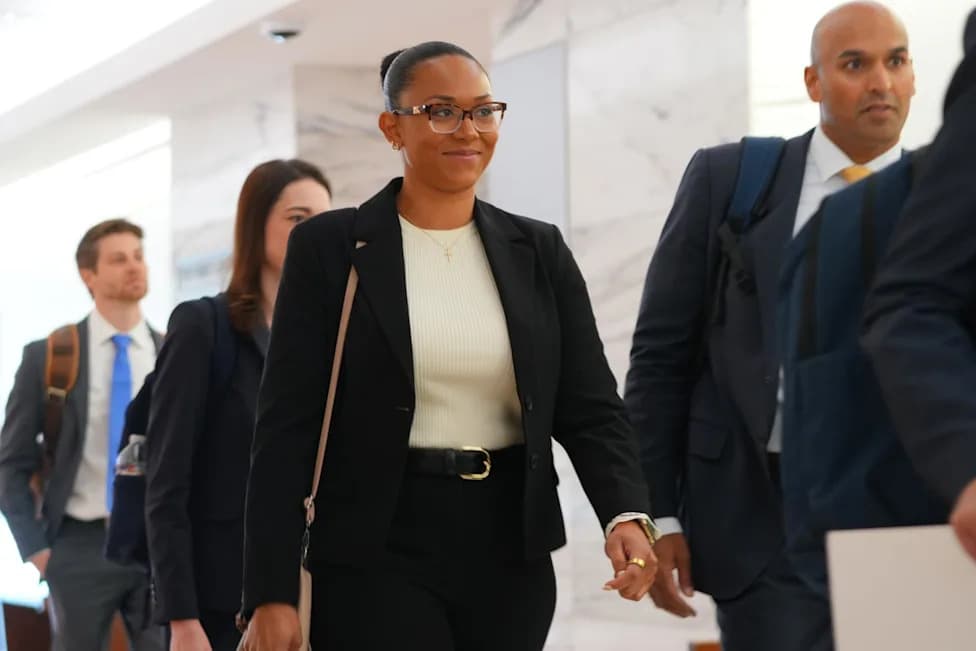
MSNBC reporter Akayla Gardner said a Secret Service officer told her the badge had been disabled and confiscated without further explanation; a colleague’s badge reportedly still scanned. CNN correspondent Betsy Klein said a Secret Service agent informed her that her pass had been deactivated. Politico confirmed that reporter Cheyenne Haslett was denied entry and that her pass was revoked.
"The White House belongs to the American people and the decisions made inside are funded by our tax dollars," MSNBC said in a statement, adding it "intends to take any and all steps necessary to defend our First Amendment rights and the essential role of independent journalism in our democracy."
Reactions
All three outlets condemned the move as an unlawful restriction on press freedom. Politico’s editor-in-chief, Jonathan Greenberger, said the publisher will "vigorously defend" its reporters' First Amendment rights. CNN called the action an "illegal assault" on the constitutional right to report without government interference.
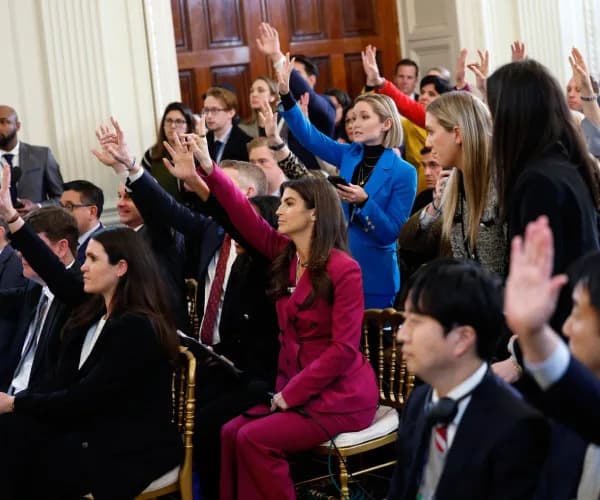
The White House Correspondents' Association (WHCA) urged the administration to "immediately restore" access, warning that a precedent of excluding outlets based on coverage could be applied more broadly. The Reporters Committee for Freedom of the Press described the ban as "flatly unconstitutional" and said it expected courts to strike it down quickly.
Context And Legal Outlook
Trump did not point to specific stories that triggered the ban, saying only that it reflected "cumulative stories over the last few years." He also suggested other outlets might be targeted, later naming The New York Times and The Washington Post as examples of what he called "fake news." Legal experts note that once the White House extends access to a pool of journalists, courts have repeatedly held that access cannot be revoked arbitrarily based on the content of coverage.
The decision is the latest escalation in the administration’s conflicts with news organizations, which have included lawsuits and other legal actions involving major outlets. Some prior cases have resulted in multimillion-dollar settlements, while others remain pending.
What’s next: The banned outlets say they will challenge the decision, and press-rights groups indicate litigation is likely. The courts will be asked to weigh in on whether the administration can restrict White House access in this way.
Additional reporting by Bernd Debusmann Jr and Max Matza.
Help us improve.