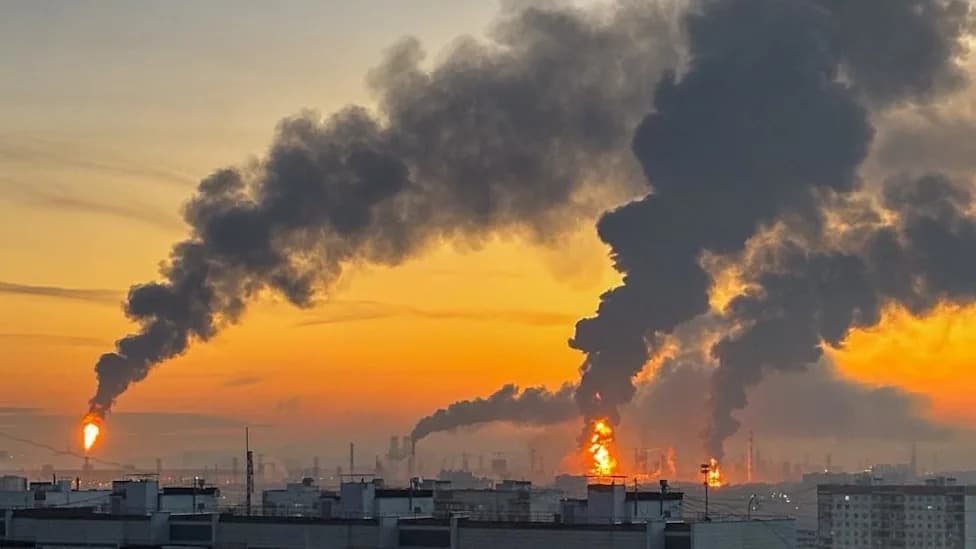
Matt Bell, a 52-year-old farmer in Kings Mountain, N.C., says soaring diesel, fertilizer and equipment costs have forced operational changes and pushed some farmers toward quitting. Diesel prices have nearly doubled year-over-year (national average ~ $6.40/gal; North Carolina ~$6.19/gal), and Bell now expects to spend $50,000–$60,000 on fuel after exhausting a $35,000 budget in August. He cites global supply disruptions and tariff-related uncertainty, calls federal aid limited, and plans to vote a split ticket in November.
Trump Voter, North Carolina Farmer: 'We're In Survival Mode' as Diesel and Input Costs Skyrocket
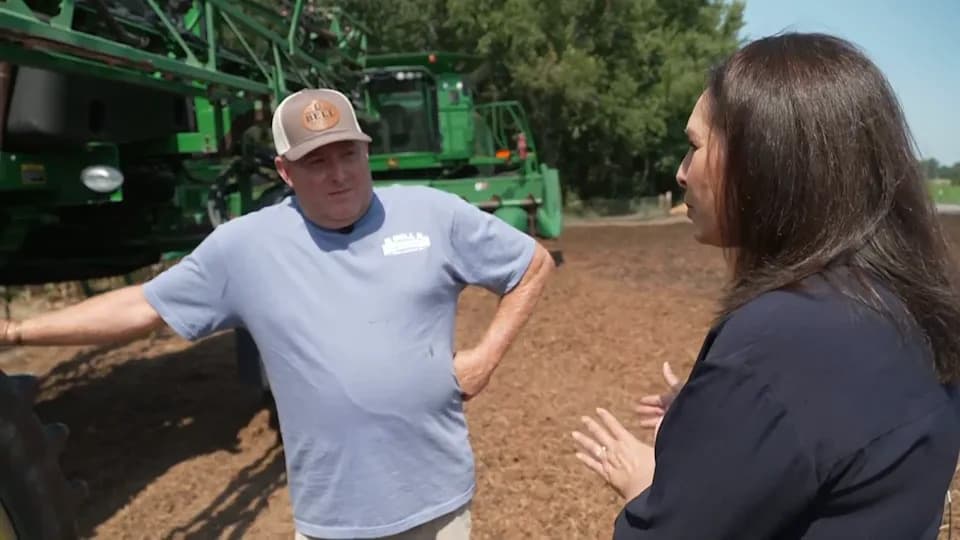
North Carolina farmer Matt Bell is interviewed by CBS News chief White House correspondent Nancy Cordes. / Credit: CBS News
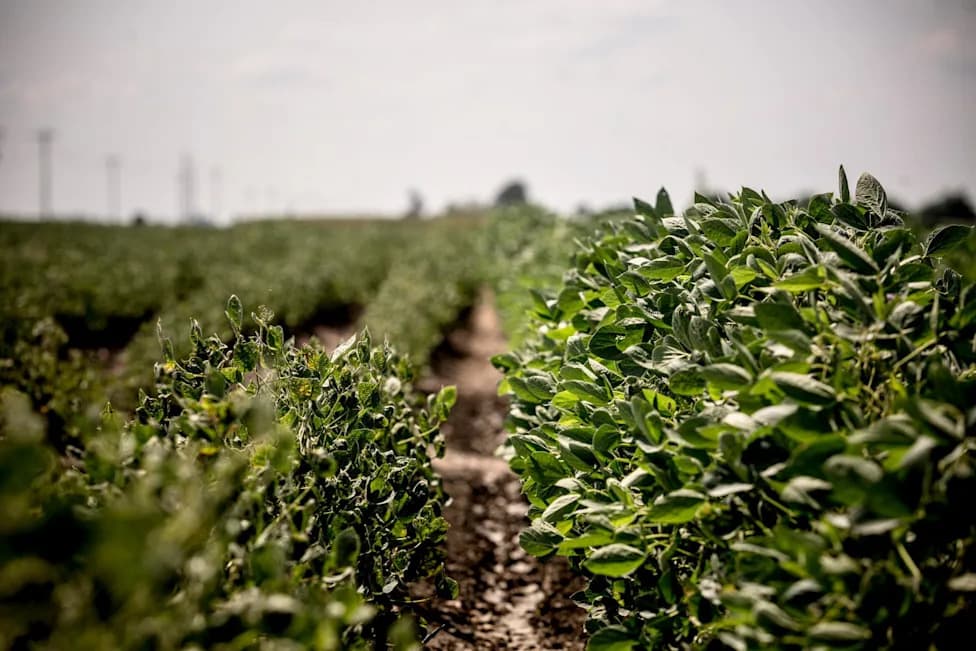
Matt Bell, 52, who has farmed in central North Carolina for more than half his life, grows soybeans, corn and wheat and raises beef cattle across more than 1,000 acres. Though he voted for President Trump, Bell says surging costs for fuel, fertilizer and equipment are squeezing his operation and prompting some neighboring farmers to consider closing up shop after this season.
"I've done this 34 years. I have never worried and stressed like I have the last year," Bell told CBS News during a Wednesday interview at his farm in Kings Mountain, North Carolina.
Rising Costs and Operational Changes
Faced with steep price increases, Bell has had to change how he runs the farm. He is reallocating some acreage, stretching the useful life of machinery, and producing some of his own fertilizer. His children have also launched a fall storefront where visitors can pick pumpkins and ride in hay wagons. Still, the financial pressure remains.
"We've cut everything we can cut. The last several years in agriculture have been terrible, and we have, you know, just cut the fat anywhere we could. But we're just getting to the point now there's nothing left to cut. You cannot run without fuel. You cannot run without fertilizer. You have to have that."
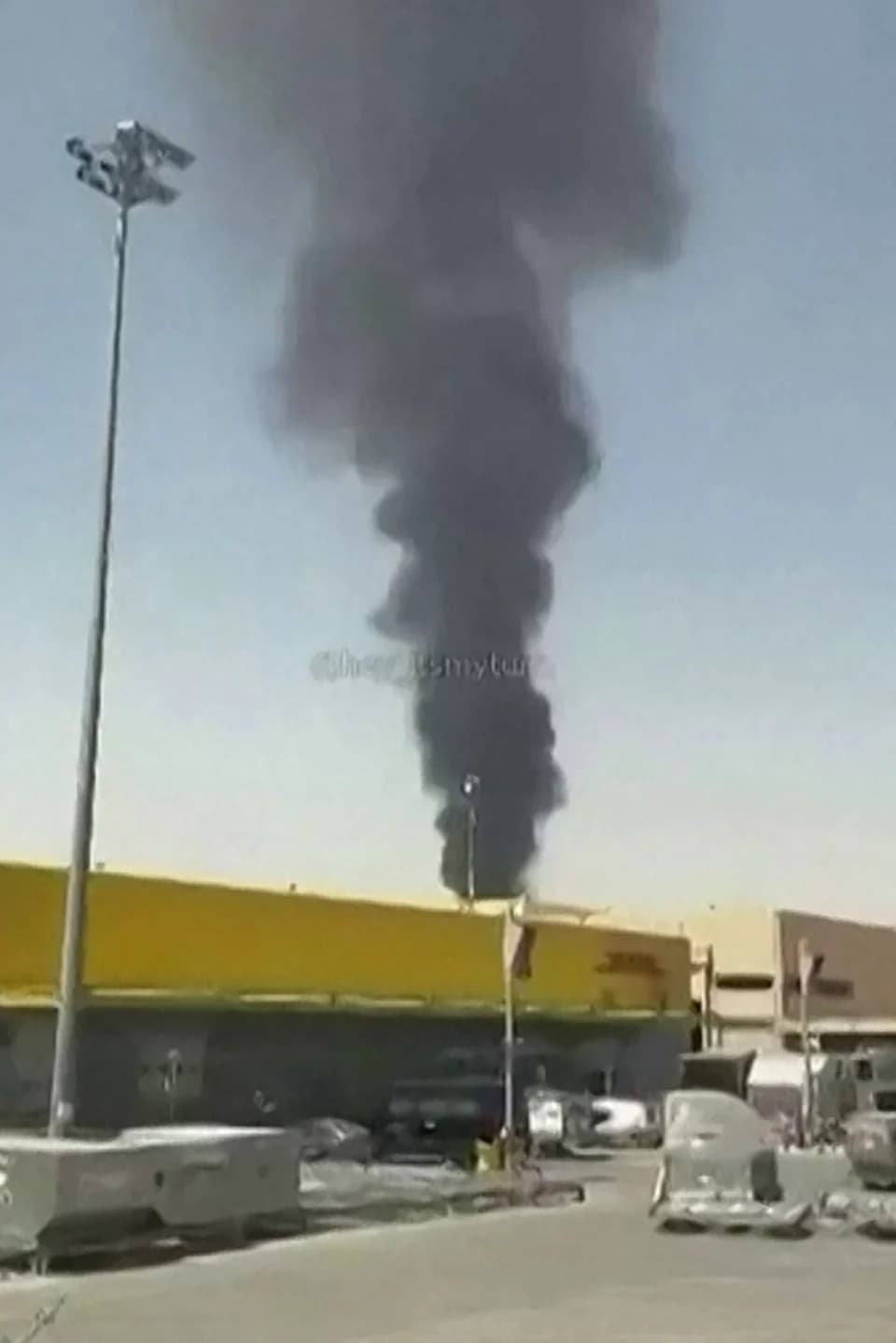
Bell and other farmers point to several global and policy factors driving costs higher. They cite disruptions in oil supply routes — including tensions in and around the Strait of Hormuz and attacks affecting Red Sea shipping — and reduced refining capacity tied to the Russia–Ukraine war. They also blame trade policies and tariffs that have increased the price of many farm inputs.
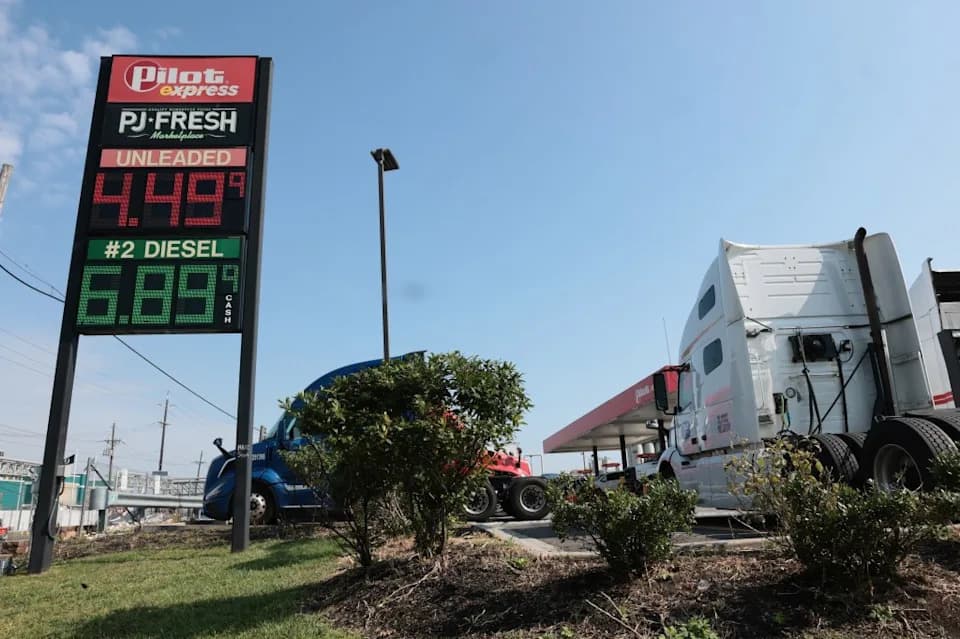
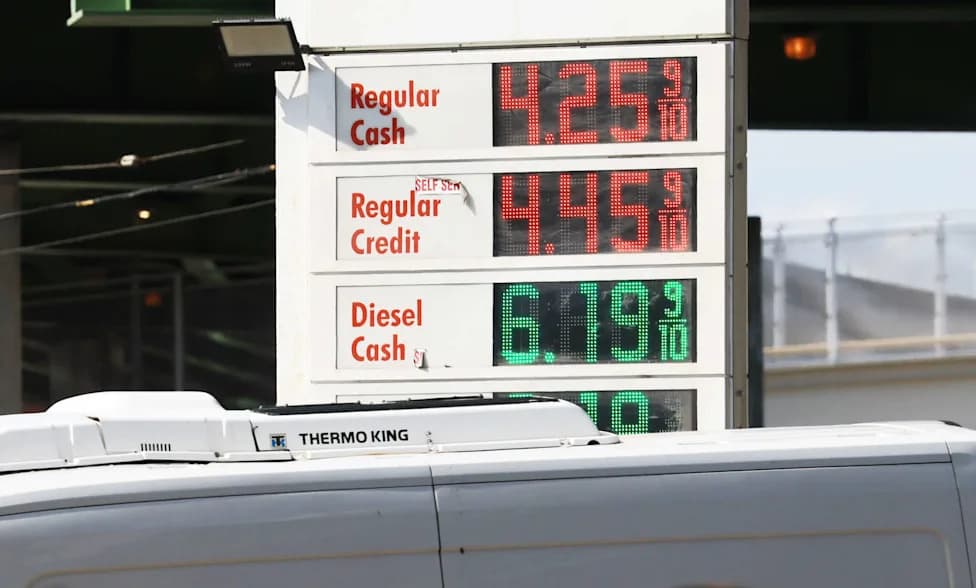
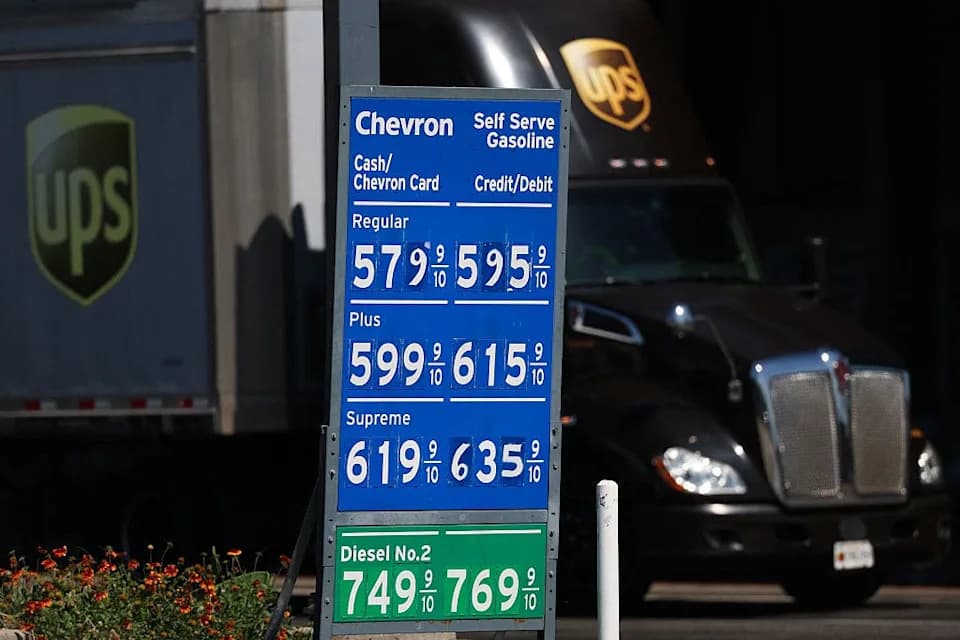
According to AAA, diesel nationwide is averaging roughly $6.40 per gallon — nearly double the price from a year ago — and North Carolina reached a record average of about $6.19 per gallon on Thursday. Prices have been volatile: Bell says a quote from his distributor in the morning can be invalid by afternoon when prices climb again.
All of his major machinery runs on diesel. Bell estimates his combine now requires roughly $600 of diesel per day — more than twice what it cost last year. He said he exhausted his annual fuel budget of $35,000 in August and now expects total fuel spending for the year to be between $50,000 and $60,000.
"Every piece of equipment on this farm runs on diesel. Without it, my farm wouldn't be able to function," he said.
Policy, Tariffs and Market Uncertainty
Beyond diesel, Bell pointed to tariff policies as another driver of rising costs and ongoing uncertainty. "Everything we're touching — the fertilizer, fuel, chemicals, seed, parts — the whole nine yards — has gone up," he said, adding that many increases stem from administration trade measures.
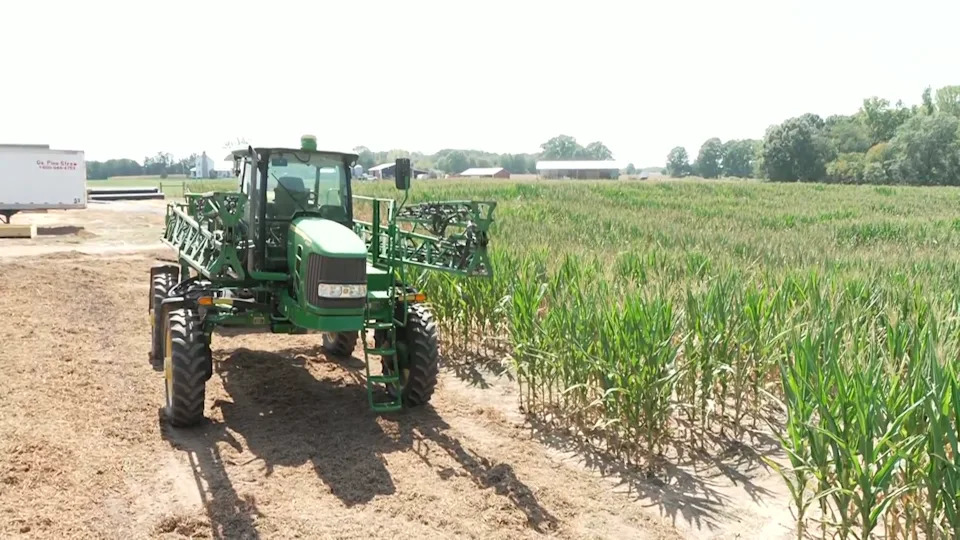
September 2026: North Carolina farmer Matt Bell's equipment runs on diesel fuel, which is about twice as expensive now as it was a year ago.
Farmers welcomed the administration's announcement that the U.S. reached an agreement for China to purchase 25 million metric tons of U.S. soybeans annually through 2028. China has bought substantially more U.S. soybeans in 2026 than in 2025, but a 10% retaliatory tariff on U.S. soybeans remains in place — a levy Beijing imposed in response to earlier U.S. trade actions.
Bell said the tariff has left soybean markets unsettled: China has not lifted the price it pays for U.S. soybeans even though producers' input costs have increased. The American Soybean Association has urged the president to press China to remove that 10% tariff.
Politics, Aid and the Future
Bell initially supported Mr. Trump's policies and accepted short-term price pain tied to foreign policy goals. But he says he is now disappointed by how the administration has handled both international conflicts and farm policy. "We're just being strung along as a country and that's not good," he said. "I think we've been misled."
He describes the administration's farmer aid programs as limited in practical effect. "It sounds significant, but it's not a lot of money," he said.
Looking ahead to November, Bell said he plans to vote for candidates he believes demonstrate "common sense" and who listen to Americans' concerns. "I'm a Republican, but I'm probably going to vote a split ticket," he said.
Bell knows farmers who have already left the business because they can no longer absorb rising costs. "I do not want any Americans to feel sorry for the American farmer," he said. "I want the Americans to be mad that we have been put in this situation. We are fighting for survival, and we're running out of options." He acknowledged that he, too, could be forced to close. "Money's not the problem, I could care less about the money. But we take a lot of pride in what we do. You can't put a dollar sign on that. But I can't stay in business under these conditions. Something has got to give."
When asked what he would do if he were no longer a farmer, Bell hesitated: "I don't know. It's all I've ever done."
Help us improve.