The U.S. advantage in AI has been powered in large part by foreign-born researchers, many trained in China. Recent years of visa uncertainty, high-profile indictments and a climate of suspicion have prompted a measurable number of Chinese-born and China-trained AI researchers to return home. Studies show a rise in top AI authors with Chinese undergraduate degrees taking positions in China, while experts urge investment in education, research funding and visa certainty to retain global talent — reforms that are not on the agenda for the September 24 leaders' talks.
U.S. AI Edge Depends on Chinese-Born Researchers as Some Return Home Ahead of Xi Visit
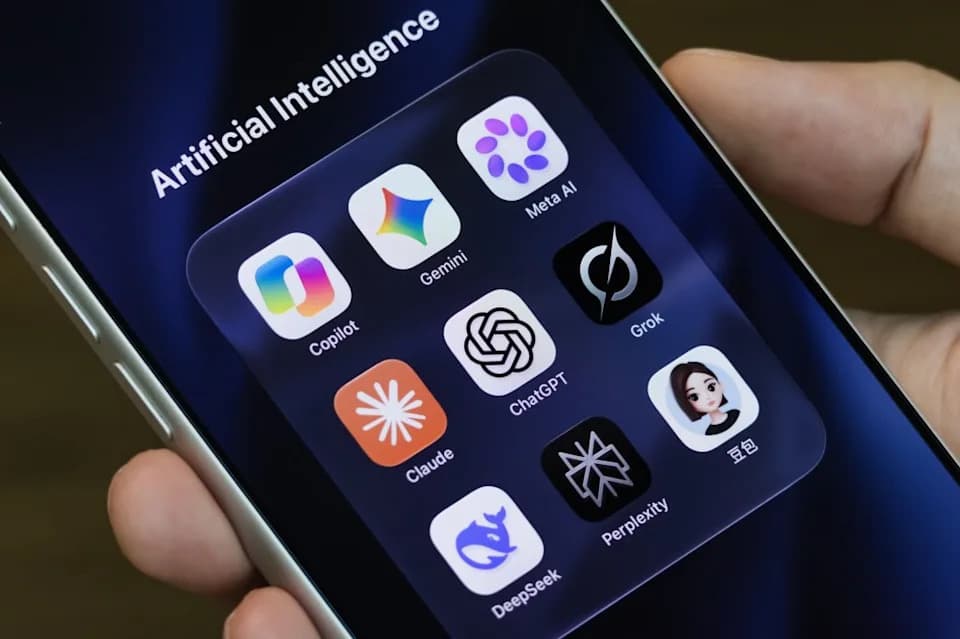
File photo of a person holding an iPhone displaying icons for AI programs.
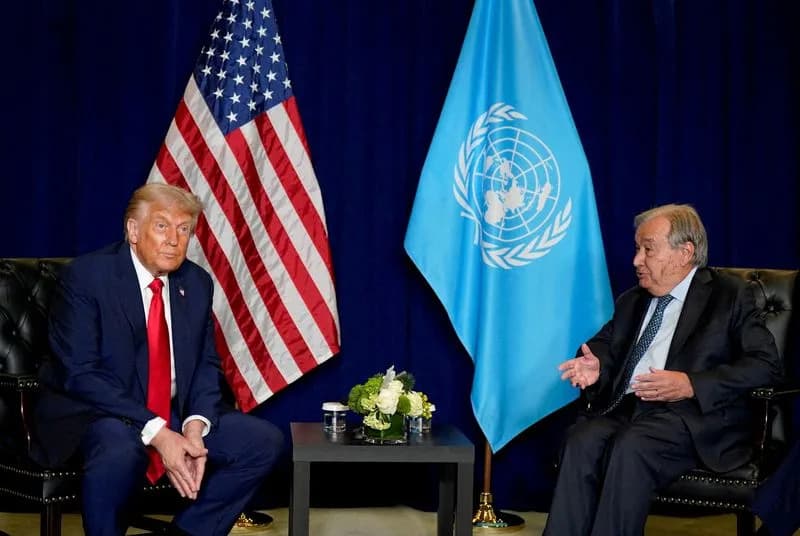
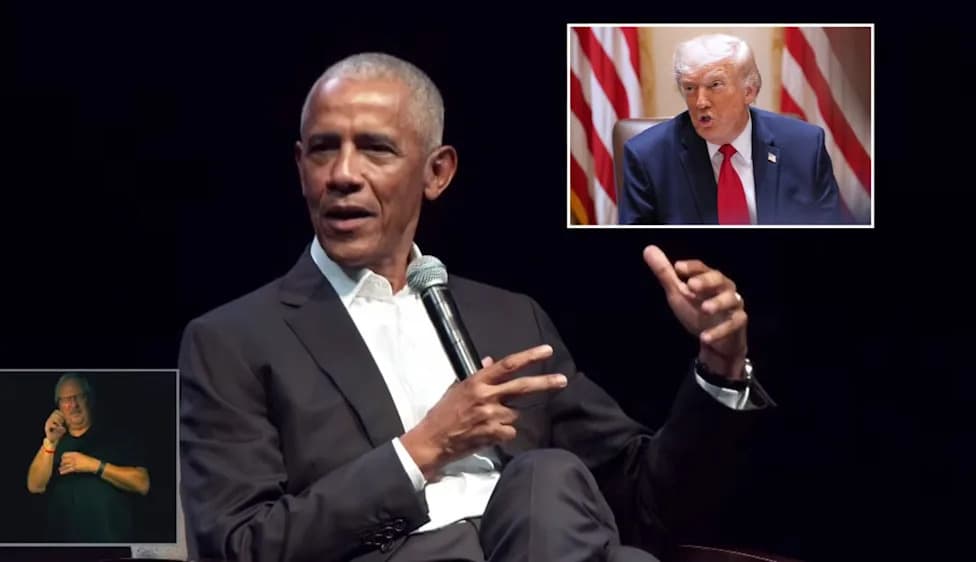
As President Donald Trump prepares to host Chinese President Xi Jinping in Washington on September 24, artificial intelligence will be a central focus of the state visit — and a thorny reminder of a strategic dilemma for the United States. Much of America's AI advantage was built on foreign-born researchers, including many trained in China, and an increasing number are returning home amid geopolitical friction.
Trump has framed the competition in stark, winner-take-all terms: "WHOEVER WINS AI, WINS!" he posted on Truth Social, arguing that regulatory guardrails could favor Beijing. Yet the U.S. lead in advanced AI rests on international talent networks that are shifting as China aggressively courts returnees.
Notable Returns and Rising Capabilities in China
Two high-profile examples illustrate the trend. Yao Shunyu, trained at Tsinghua and Princeton, left OpenAI in 2025 to join Tencent and was named the company's chief AI scientist months later. He has publicly called for a long-term Chinese AGI research organization. Yang Zhilin, a Tsinghua undergraduate and Carnegie Mellon PhD, returned to China in 2023 to found Moonshot AI; the firm has raised over $1 billion and released the Kimi series — now among the most capable open-source models — which some U.S. startups adopt for cost and performance reasons.
What the Data Shows
A study from the Carnegie Endowment for International Peace (Matt Sheehan and Sophie Zhuang) tracked 100 top-tier Chinese-origin AI researchers at U.S. institutions in 2019. By 2025, 10 had moved back to Chinese companies or universities — including founders, corporate leaders and professors — while 87 remained at American institutions and 3 went to other countries. The Carnegie analysis and datasets from the Paulson Institute show larger shifts: researchers with Chinese undergraduate degrees rose from 29% of a top-tier AI sample in 2019 to 47% in 2022, with the share working at U.S. institutions falling from 59% to 42% and the share in China rising from 11% to 28%.
Other measures underscore the trend: Princeton researchers counted roughly 50 tenure-track scholars of Chinese descent leaving U.S. universities for China in the first half of 2025, adding to more than 850 departures since 2011. A Stanford Center on China's Economy and Institutions study found that annual reaffiliations of ethnically Chinese scientists to China rose dramatically from 31 to 1,409 between 2003 and 2022.
Stock image of a letter from USCIS nestled between American flags.
Drivers: Visas, Suspicion, And Opportunity
Carnegie and other analysts point to accumulated friction since 2018: proposed visa restrictions, public discussions of banning students from China, high-profile indictments that in many cases did not result in convictions, and a broader atmosphere of suspicion. A 2021 survey cited in the study found 42% of university researchers who identify as Chinese felt racially profiled by the U.S. government. Reduced flight capacity and tighter immigration uncertainty also make relocation easier for those considering returning.
At the same time, China is investing heavily in research centers, funding, and incentives to bring talent back — and building competitive open-source tools (like Kimi and Alibaba's Qwen) that lower the cost of development for startups worldwide.
Policy Responses and Stakes
Experts interviewed by Newsweek and analysts at Carnegie recommend policies to bolster U.S. competitiveness: invest in K–12 STEM education, increase research grants, and restore visa certainty for graduate students and researchers so top talent — including those from China — can build careers in the United States. Some U.S. officials argue the stakes are existential: Treasury Secretary Scott Bessent warned, "There is no day after tomorrow if China wins at this." Others urge a balanced approach that converts technical capability into productivity gains, scientific discovery, and public services rather than pursuing dominance at any cost.
Despite these recommendations, none of the long-term talent-retention measures appears on the agenda for the leaders' September 24 meetings.
Contact: Newsweek editors Jason Lemon and Sam Wilson.
Help us improve.