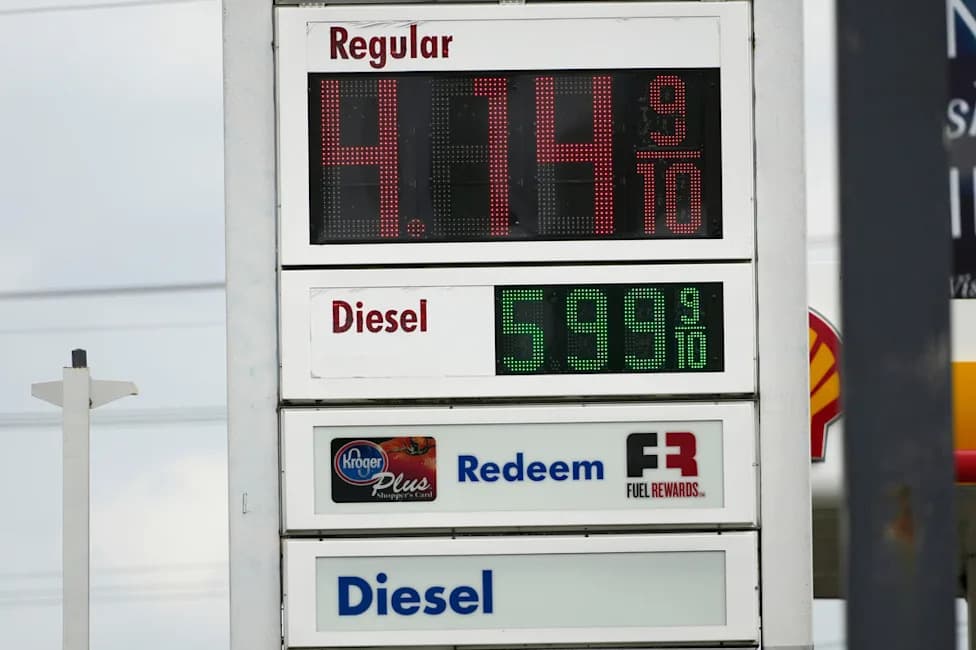
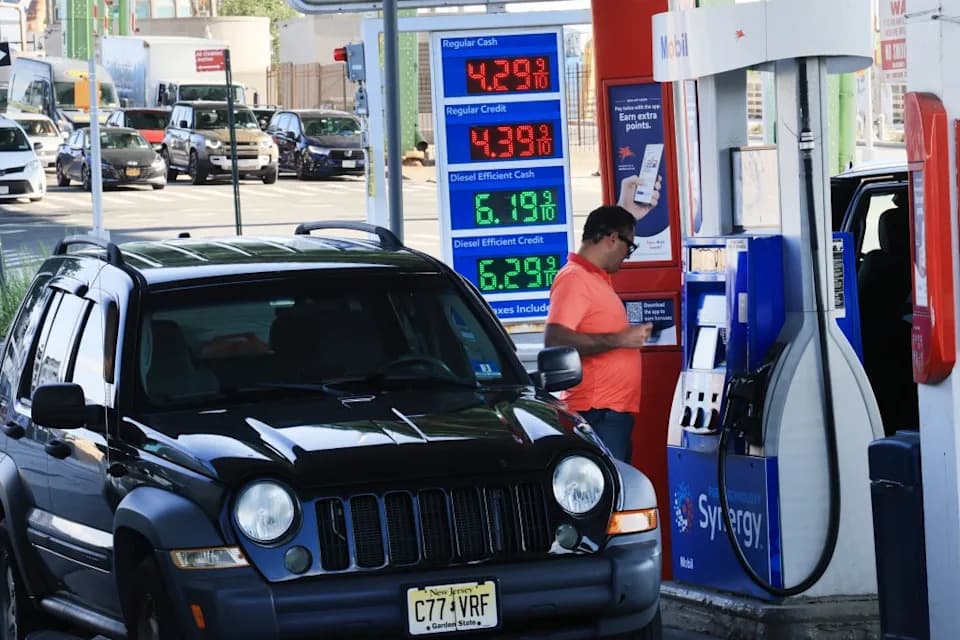
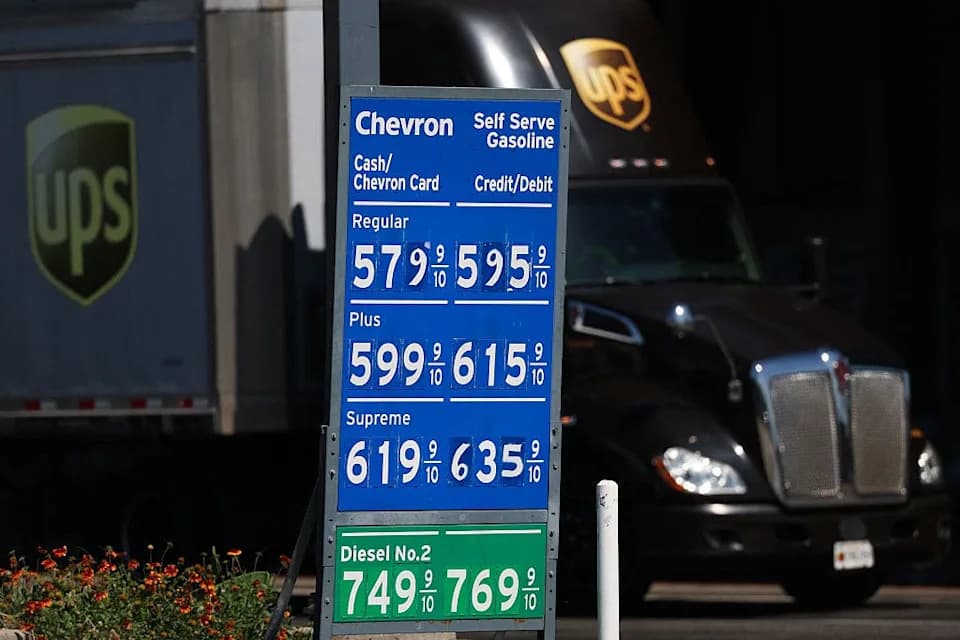
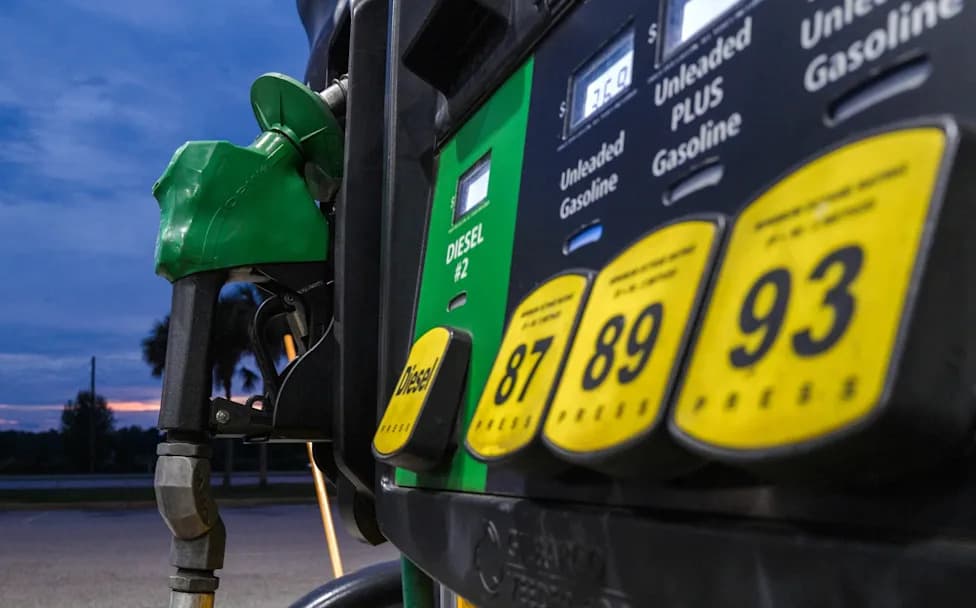
Gasoline prices in the U.S. rose to a national average of $4.27 per gallon as oil markets reacted to U.S. and Israeli strikes on Iran, with Brent near $105 and WTI around $99 per barrel. GasBuddy reported a 17.6¢ two-day jump—the largest since April—and warned diesel could soon reach $6 per gallon. State averages range widely, and analysts say prices may stay elevated until shipping through the Strait of Hormuz and other supply channels stabilize. The White House has also pushed to expand year-round sales of E15 fuel in its revised 2026 budget request.
US Gas Prices Jump to $4.27 After Strikes on Iran; Diesel Could Top $6 — Trump Predicts Post‑Election Drop
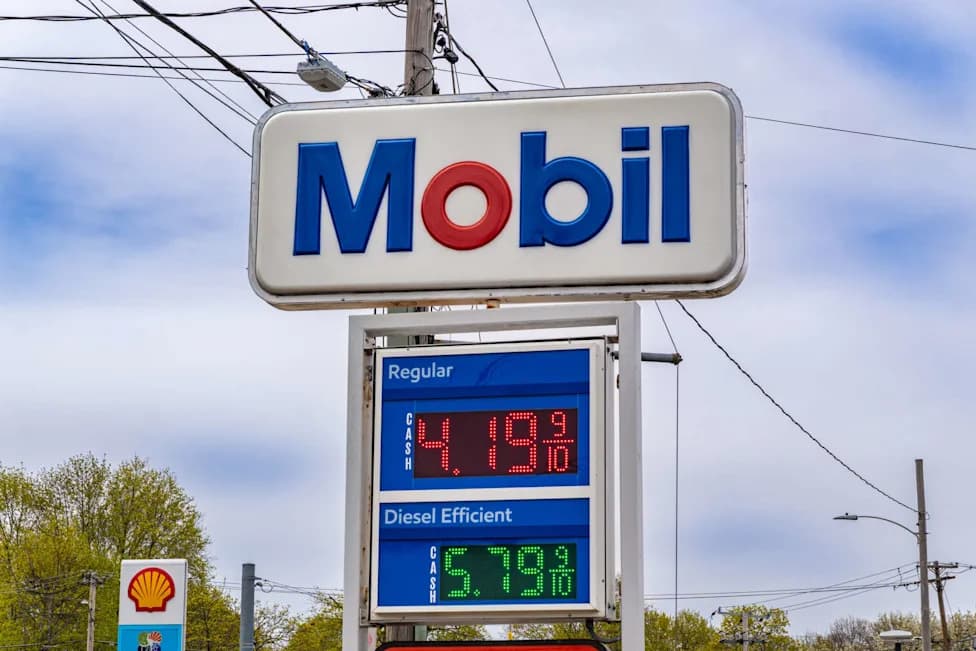
Photo Credit: iStock
Gasoline prices across the United States climbed again this week, with the national average for regular unleaded reaching $4.27 per gallon on Thursday as oil markets reacted to U.S. and Israeli strikes on targets in Iran.
On Thursday Brent crude traded near $105 per barrel while West Texas Intermediate (WTI) was around $99 per barrel. AAA data show the national pump average was $4.14 on Sept. 3 and $3.19 on Sept. 10, 2025.
Market Moves and Analyst Warnings
GasBuddy's head of petroleum analysis, Patrick De Haan, flagged the speed of the increase:
"The two-day rise in the national average price of gasoline, 17.6¢/gal, is the largest two-day rise since April," wrote Patrick De Haan (@GasBuddyGuy) on X.
De Haan also warned that diesel could soon set a new national record:
"BREAKING: Diesel history is about to be made. $6/gal nationally — never seen before, days away."
Political Reaction
Former President Donald Trump told USA Today that he expects prices to fall after the upcoming election, but cautioned any drop may not be immediate.
"I think it's going to take a little bit longer than the midterm," he said, referring to the Nov. 3 nationwide election date.
Regional Differences and Drivers
State averages vary significantly: USA Today reported Thursday averages ranging from $3.56 per gallon in Indiana to $5.89 per gallon in California. The Energy Information Administration (EIA) says these differences reflect taxes, distance from supply, logistical disruptions, retail competition and state environmental programs.
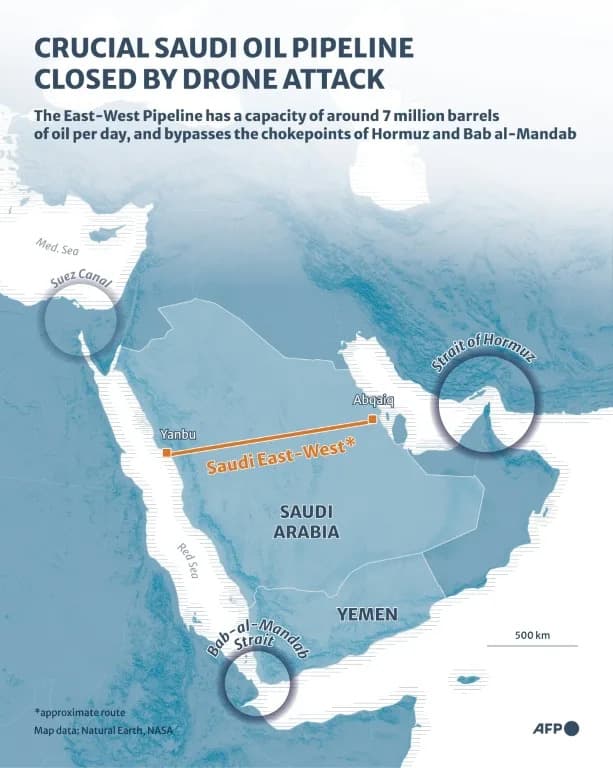
Analysts say pump prices may not fall unless the military confrontation eases and tanker traffic through the Strait of Hormuz returns to normal. Disruptions at refineries, in tanker routes, or in local fuel distribution networks can quickly raise commuting costs, delivery fees and prices for goods transported by truck.
Wider Impacts Beyond The Pump
Experts note that the effects of the fossil fuel economy extend well beyond fuel prices. Extraction, refining and combustion of oil and gas contribute to more severe weather events, air and water pollution, and public-health harms such as asthma, heart disease and premature death. Industry lobbying has also been cited as a factor slowing the transition to cleaner, lower-cost energy alternatives.
In policy news, the White House included a request in a revised 2026 budget submission asking Congress to codify the "permanent, year-round sale" of E15 gasoline — a blend containing 15% ethanol — which would expand availability of higher-ethanol fuel.
As volatility in energy markets continues, households may feel the effects not only at the pump but across broader household budgets and local economies.
Sources: USA Today, AAA, GasBuddy, U.S. Energy Information Administration.
Help us improve.