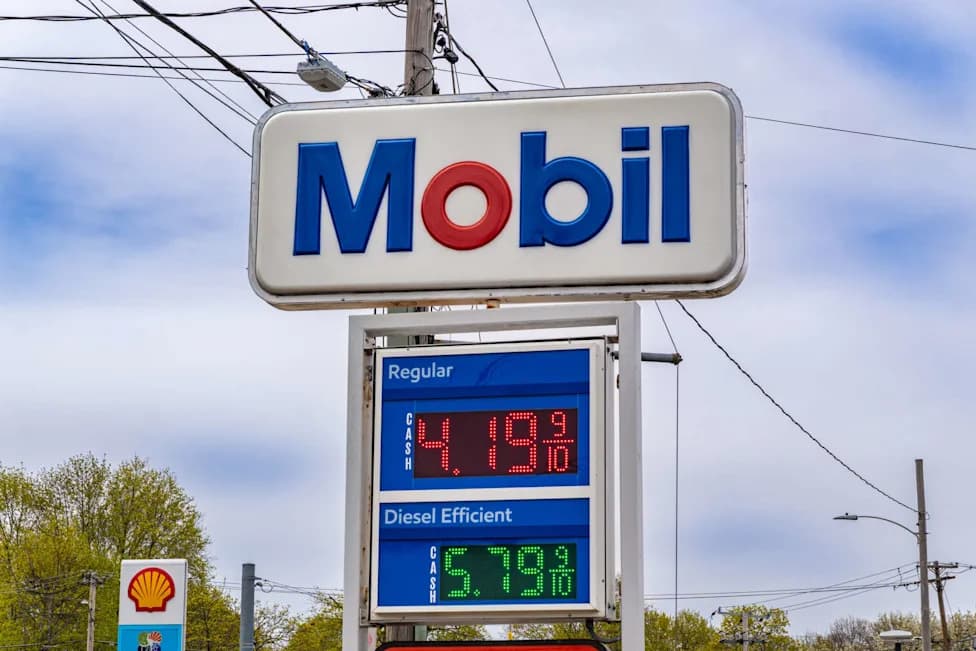
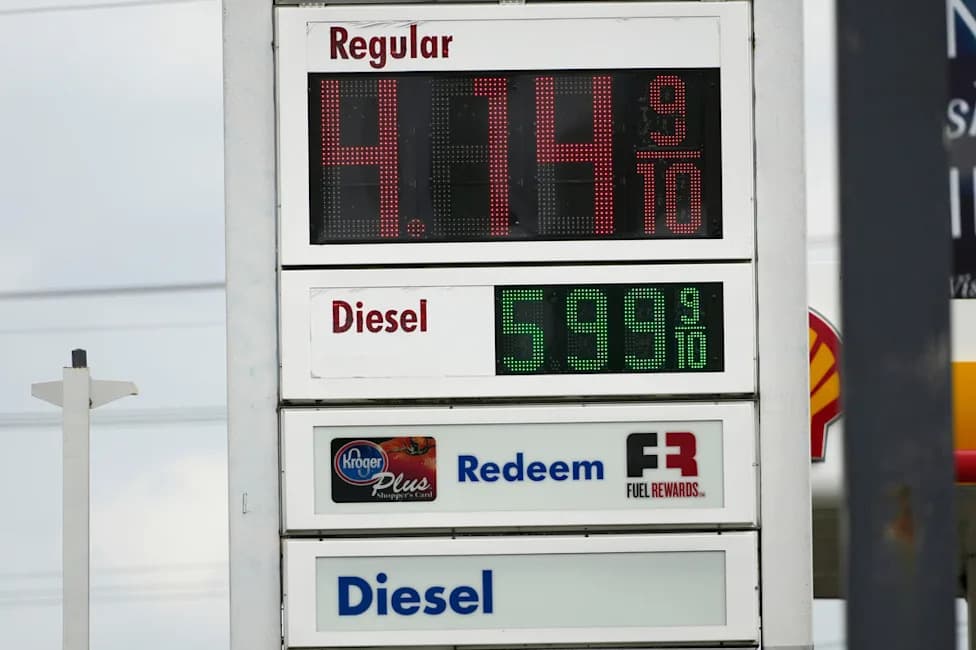
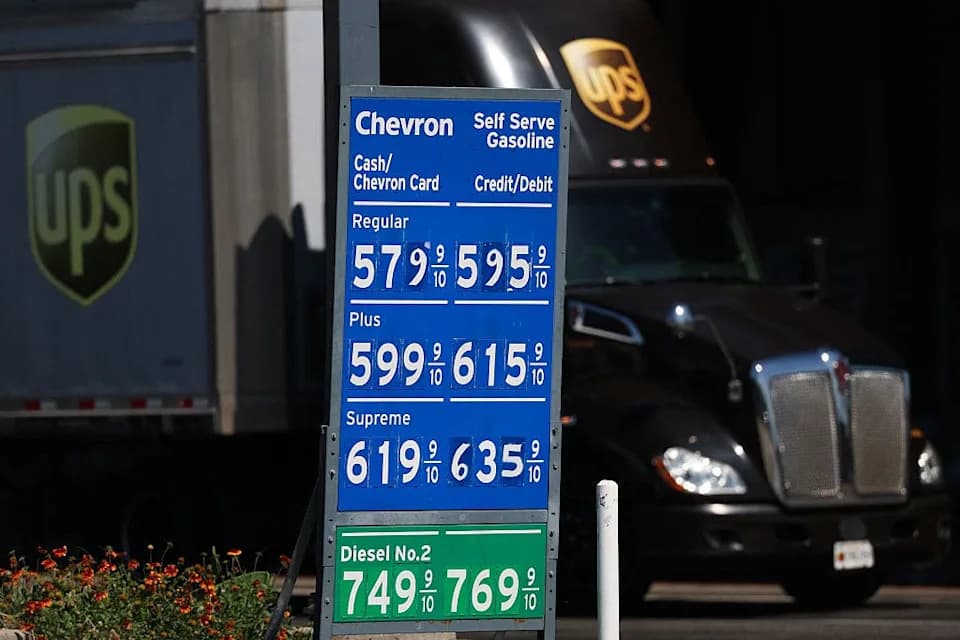
Global gasoline prices have climbed to an average of $5.89 per gallon this week, up about $1 since late February as tensions in the Middle East pushed crude prices higher. In the U.S., retail gasoline rose from roughly $2.98 per gallon in late February to about $4.28–$4.42 per gallon, adding an estimated $377 million in daily consumer costs. Countries with subsidies or regulated markets have been sheltered from immediate spikes, while others—including Australia and the U.S.—saw steep month-on-month increases. Even if shipping through the Strait of Hormuz resumes, prices are unlikely to fall back instantly.
How U.S. Gas Prices Compare With the World — Why Global Tensions Are Driving Pump Costs
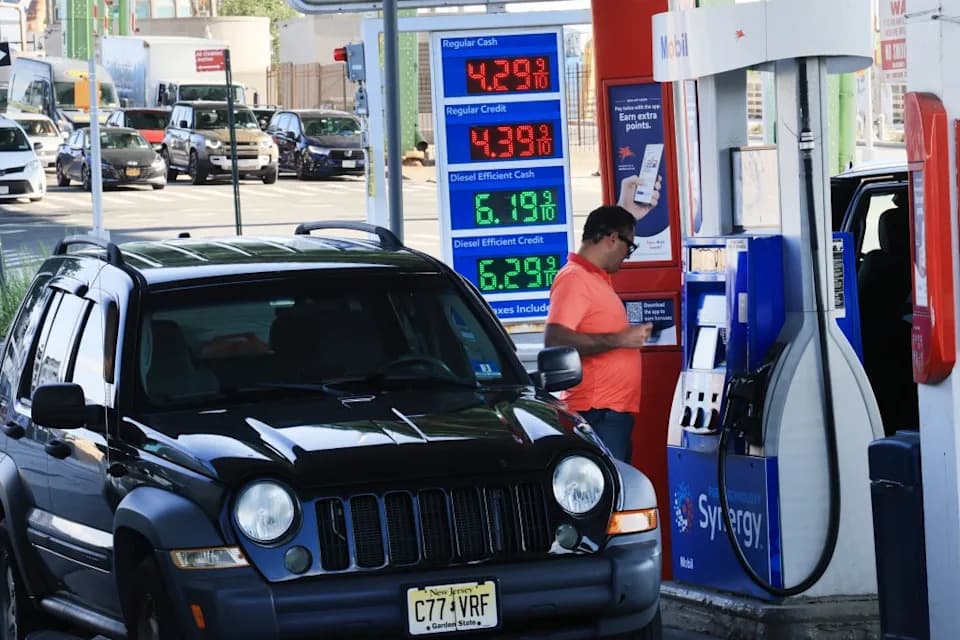
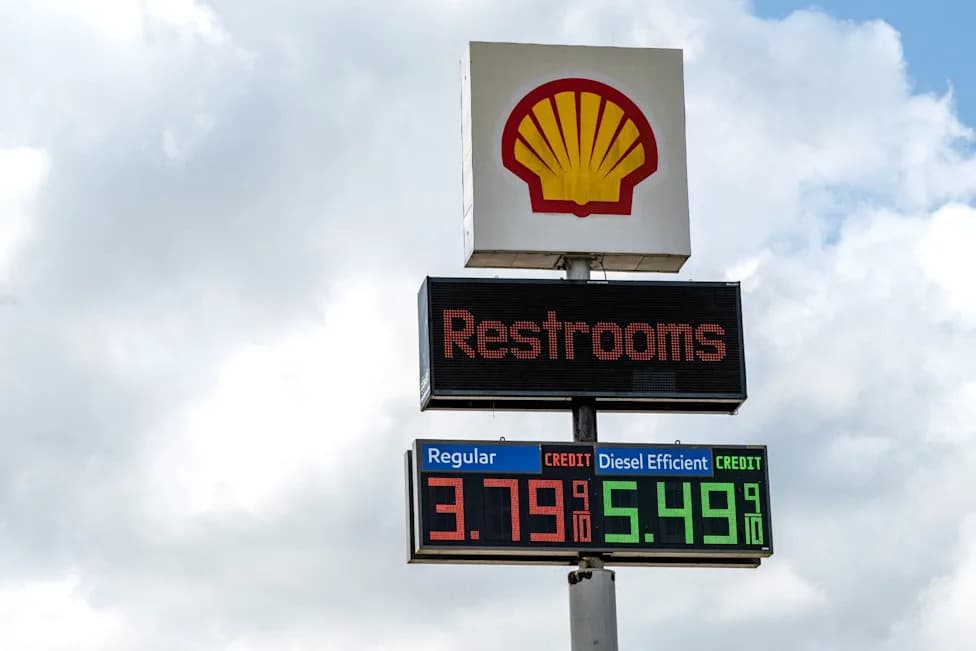
Gas prices are displayed at a Brooklyn gas station on September 4 in New York City.
Drivers worldwide are paying an average of $5.89 per gallon for gasoline this week, according to Global Petrol Prices — roughly $1 higher than in late February, before tensions with Iran escalated and rattled energy markets.
Global Snapshot
As of Feb. 23 the global average stood at $4.92 per gallon. That global rise mirrors the increase in the United States, where pump prices averaged about $2.98 per gallon in late February. By Thursday the American Automobile Association (AAA) reported a national average in the U.S. of $4.28 per gallon, while Global Petrol Prices reported a U.S. national average of $4.42 per gallon (data through Sept. 7).
What It Means for U.S. Drivers
The U.S. increase amounts to roughly $1.30 per gallon since Feb. 28. Patrick De Haan, head of petroleum analysis at GasBuddy, estimates American consumers are paying about $377 million more per day in gasoline costs — roughly $4.63 billion extra per week — due to higher retail fuel prices.
Why Prices Are Rising
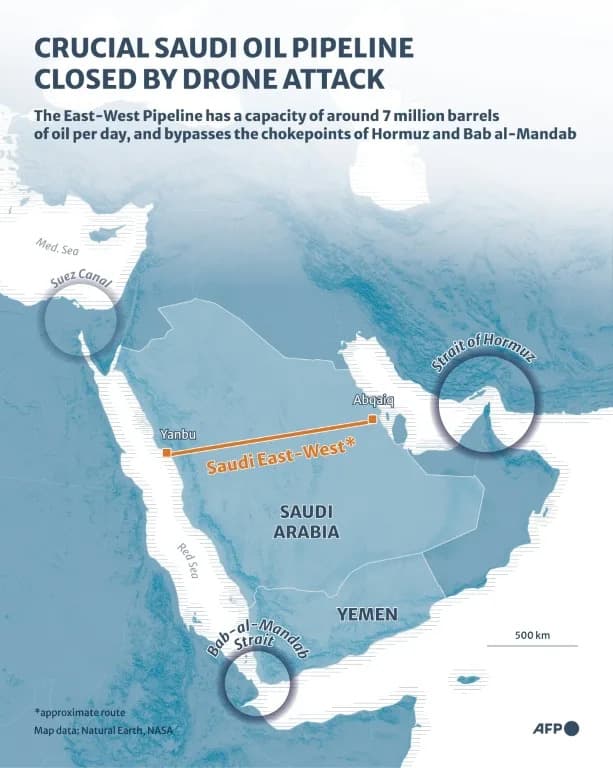
Global fuel prices have climbed in part because of an effective disruption to shipments through the Strait of Hormuz, a chokepoint that historically handled about one-fifth of the world’s oil and gas flows. Reduced flows and heightened geopolitical risk have pushed crude prices higher, which feeds through to retail pump prices in many countries.
Cheapest and Most Expensive Markets
The five cheapest markets are dominated by oil producers or subsidized regimes: Libya ($0.09/gal), Iran ($0.11/gal), Venezuela ($0.132/gal), Angola ($1.238/gal) and Kuwait ($1.287/gal). These low prices reflect government subsidies, domestic production and state control of fuel markets.
By contrast, the priciest markets recorded recently include Hong Kong ($15.892/gal), Malawi ($12.245/gal), Norway ($11.765/gal), Denmark ($11.100/gal) and the Netherlands ($10.371/gal). High taxes, environmental levies and market structure are major drivers of those high pump prices.
Who Felt the Biggest Spike
Between Feb. 23 and March 23, the sharpest month-on-month increases were in Australia (+42%), Sri Lanka (+33.8%), the United States (+30.2%), Canada (+25.2%) and Pakistan (+24.4%). Retail prices in these markets tend to track global crude more closely, so geopolitical shocks appear quickly at the pump.
Who Has Been Insulated
Several regulated or subsidized markets saw little or no change in retail fuel prices—including Saudi Arabia, Kuwait, Oman, Bahrain, India and Bangladesh. Large producers and countries with controlled fuel pricing can delay or blunt short-term international price swings.
Outlook
Whether prices keep rising depends on developments in the Middle East and how quickly crude shipping through the Strait of Hormuz returns to normal. Even if maritime traffic resumed immediately, experts warn retail prices would take time to normalize.
"Normal flows of oil through the Strait of Hormuz would likely be step one. But even if the strait reopens, it will take some time to normalize," Denton Cinquegrana, chief oil analyst at the Oil Price Information Service, told Newsweek.
Patrick De Haan also cautioned that usual seasonal relief in the autumn may be limited or offset by renewed or prolonged escalations in the Iran or Ukraine conflicts.
Sources and Contact
Main data: Global Petrol Prices (through Sept. 7) and AAA. Analysis and commentary: GasBuddy (Patrick De Haan) and Oil Price Information Service (Denton Cinquegrana). Newsweek editors Ben Kelly and Shakeema Edwards were listed as contacts in the original reporting.
Help us improve.