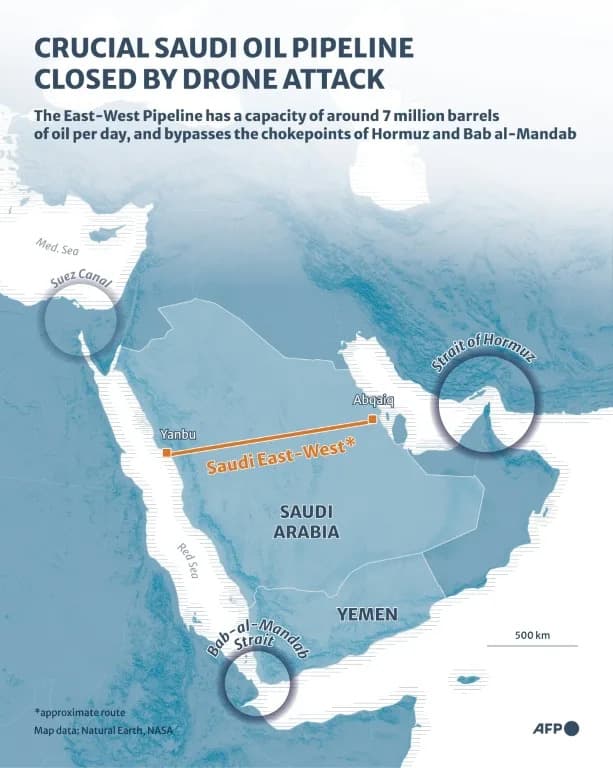
Tensions near the Strait of Hormuz have pushed the Austin–San Marcos average price for regular unleaded to about $3.70 per gallon—roughly $0.98 more than a year ago. Disruptions in this key shipping route and a spike in jet fuel are driving higher pump and airfare costs. While AAA expects most pre-planned Labor Day travel to proceed, households can reduce pain at the pump with simple driving habits and consider longer-term options like solar and battery storage to lower exposure to volatile fuel prices.
Austin Drivers Feel Strait of Hormuz Tensions at the Pump — Gas Now $3.70/Gallon
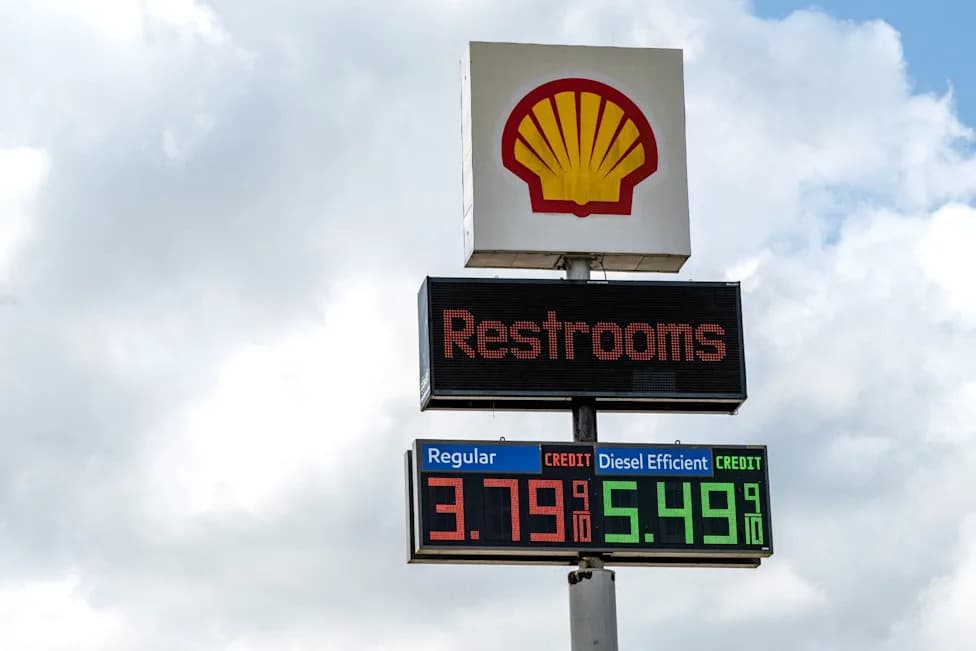
Photo Credit: Getty images
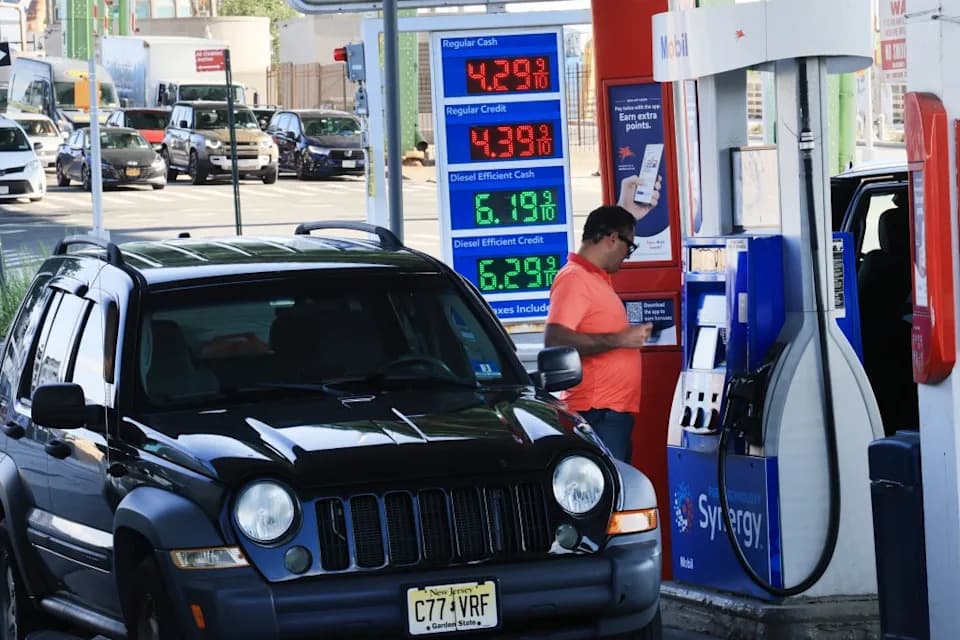
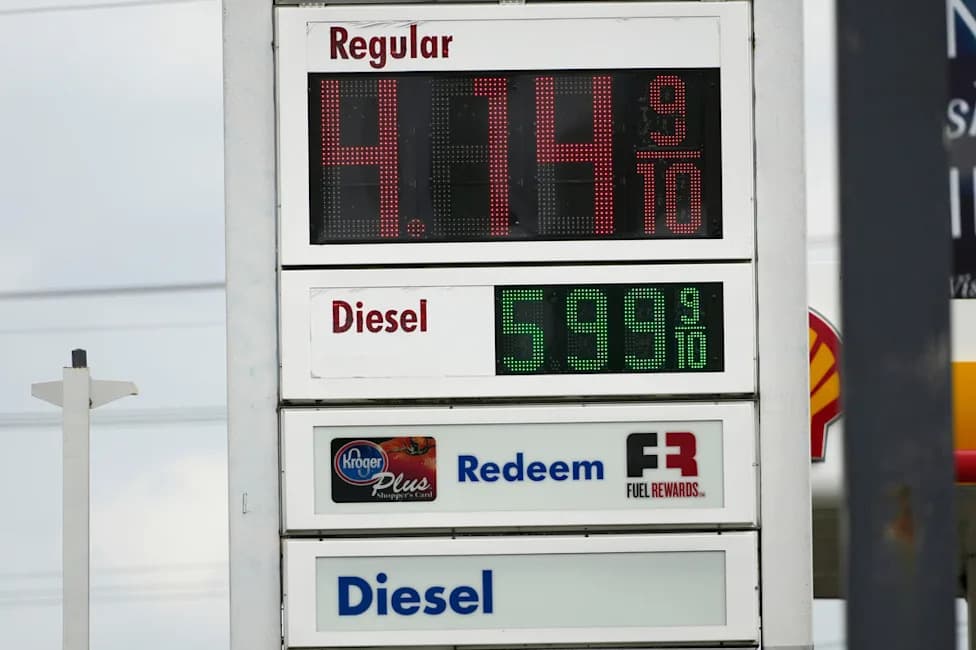
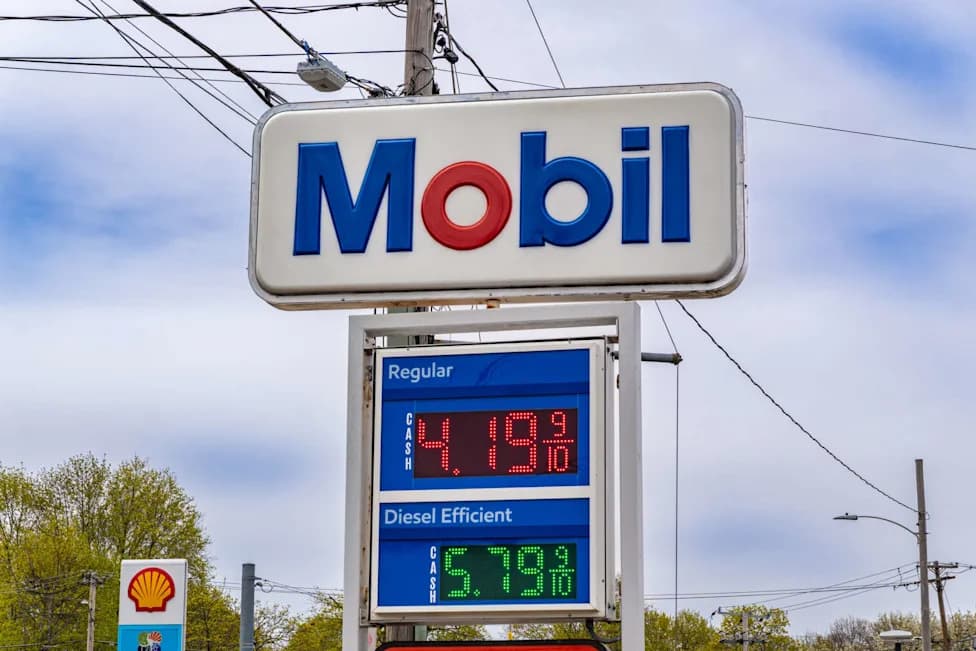
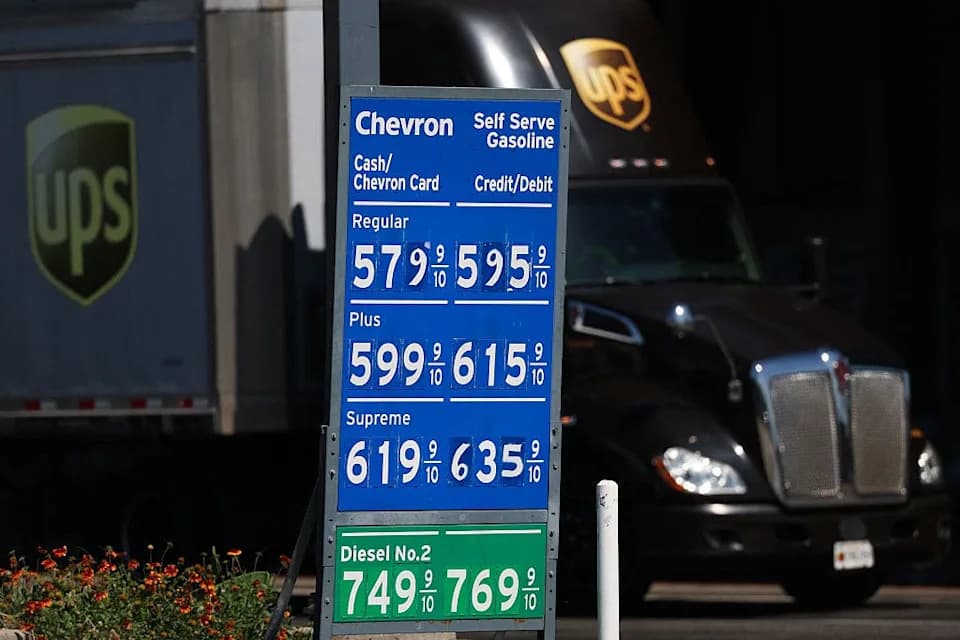
Central Texas drivers are seeing the effects of international tensions at the pump: the average price for a gallon of regular unleaded in the Austin–San Marcos area has risen to $3.70, roughly $0.98 higher than a year ago, according to AAA Texas.
Why prices rose
Analysts point to disruptions in the Strait of Hormuz — a choke point through which about one-fifth of the world’s oil and gas transits — as a quick channel for global price swings to reach U.S. consumers. Jet fuel has also climbed sharply in recent months, with industry indicators showing nearly a doubling in some measures and adding upward pressure on airfares.
Doug Shupe, a spokesperson for AAA Texas, said that most pre-planned Labor Day trips are unlikely to be canceled because travel is often arranged weeks in advance.
Practical steps for households
Families can blunt short-term pain at the pump with simple steps: combine errands to reduce miles driven, keep tires properly inflated, and consider shorter or fewer drives when possible. For longer-term resilience, rooftop solar, battery storage and energy-efficiency upgrades can reduce exposure to volatile fossil-fuel prices and help during outages. Independent comparison tools (for example, EnergySage and similar services) can help homeowners estimate savings and compare vetted installation quotes and incentives.
Broader health and policy consequences
Beyond direct pocketbook impacts, fossil-fuel production and combustion carry public-health and infrastructure costs. Researchers link emissions from coal and natural gas plants to increased asthma, heart disease, cancer and premature death. In response, states and utilities are pursuing a variety of measures to reduce risks and pollution while improving energy resilience.
Examples of state and local actions
- Programs targeting high-mileage drivers to reduce gasoline demand.
- Efforts in oil-producing states, including Texas, to plug abandoned wells that leak pollutants.
- Regulatory milestones in states like Colorado aimed at tightening oversight of oil and gas operators.
- Long-term challenges from aging coal plants in places such as West Virginia, which continue to affect consumers and communities.
Fuel-price shocks ripple beyond travel plans: they shape household budgets, influence local air quality and test how well families and communities can handle the next disruption. Policymakers, utilities and consumers are weighing short-term coping strategies and longer-term investments in cleaner, more resilient energy options as tools to reduce those risks.
Help us improve.