The Mediterranean Sea is warming and becoming saltier not only at the surface but down toward the seafloor, according to an analysis of observations from 1950–2025. The upper 100 meters are about 2°C warmer than 1950–1999 averages, and significant warming and salinification persist down to 3,000–4,000 meters. Scientists warn that accelerating change could weaken deep-water circulation, reduce oxygen delivery to seabed ecosystems, and threaten fisheries and coastal economies. Researchers are now investigating atmospheric, hydrological and Atlantic-inflow drivers and whether climate models capture this rapid pace of change.
Mediterranean Now Warmer and Saltier Down to the Seafloor — Changes Are Accelerating
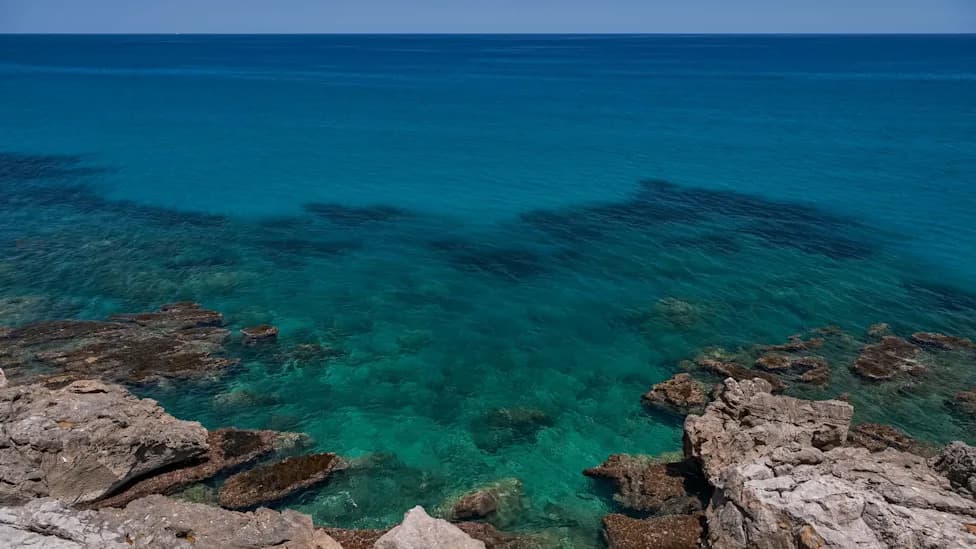
Photo Credit: iStock
Heating in the Mediterranean Sea is no longer confined to surface waters. A new study shows that warming and salinity increases are penetrating far deeper than previously recognized — with trends accelerating and reaching near the seafloor in many areas.
Key Findings From the Study
Researchers led by Elena Terzić of the Ruđer Bošković Institute analyzed temperature and salinity observations from research cruises and autonomous floats spanning 1950–2025, publishing their results in Geophysical Research Letters. They found that the upper 100 meters (about 328 feet) are roughly 2°C (3.6°F) warmer than the 1950–1999 average. Since 2000, surface waters have warmed at about 0.5°C (0.9°F) per decade — two to three times faster than the global ocean-surface trend.
Crucially, statistically significant increases in both temperature and salinity extend to depths of about 3,000–4,000 meters (9,843–13,123 feet), and the acceleration of those trends penetrates down to roughly 2,500 meters (8,202 feet) in parts of the basin.
"For us, what was alarming was the rate at which this is changing, and the depths that such significant changes reach," Terzić said.
Why Depth Matters
The Mediterranean’s deep circulation depends on density differences: heat lowers water density while salt increases it. Across much of the basin, warming is beginning to dominate, which can hamper the sinking and downward mixing of surface waters. That process supplies oxygen and nutrients to deep-sea ecosystems.
The Adriatic Sea is a notable exception: cold winter winds there can densify surface water enough to sink, sending oxygen-rich water into the central and eastern Mediterranean. If that sinking circulation weakens or shifts, deep ecosystems, fisheries and coastal economies could suffer. Warmer water also holds less oxygen, and oxygen declines have already been observed in parts of the Mediterranean.
Broader Implications and Next Steps
Because the Mediterranean cycles water between surface and deep layers faster than the open ocean, it may act as an early indicator of how other seas will respond to continued greenhouse gas emissions. Terzić and co-author Ivica Vilibić are working to disentangle the roles of atmospheric forcing, evaporation, rainfall, river discharge and Atlantic inflow through the Strait of Gibraltar, and to determine whether current climate models capture the observed pace of change.
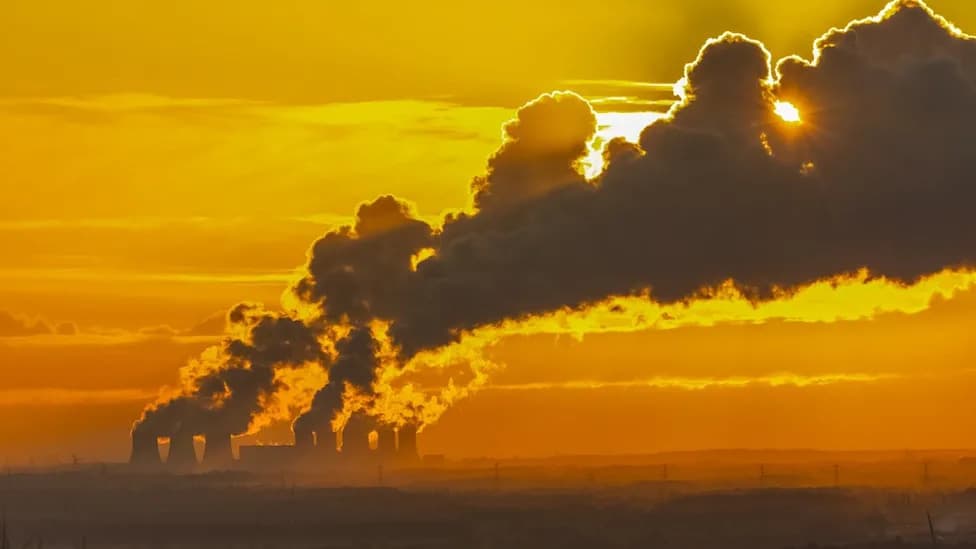
Fossil fuel-driven greenhouse gas buildup remains the primary cause of ocean warming. Strengthened monitoring, faster regional climate planning and reduced emissions will all be needed to protect marine ecosystems, fisheries and coastal livelihoods.
"The Mediterranean is small enough that we can watch how a sea responds, on timescales we can witness ourselves, and what we see is unprecedented change," Terzić said.
These changes are already visible across the basin: rising record surface temperatures, shifts in marine species distributions (including invasive species), and localized oxygen losses. The study underscores the urgency of tracking deep-ocean change and improving projections to guide adaptation for communities and industries that depend on a healthy Mediterranean.
Help us improve.