Sen. Chuck Grassley urged President Trump to temporarily ban diesel exports as U.S. diesel prices hit a record national average of $6.51 per gallon—more than double last year’s price. Brown University researchers estimate U.S. households have spent about $50 billion more on diesel since Iran-related disruptions began. Some Republicans back exploring an export ban, while administration officials and industry groups warn such a move could reduce supply and raise prices.
Grassley Urges Trump To Ban Diesel Exports As Prices Soar To Record Highs, Hurting Farmers
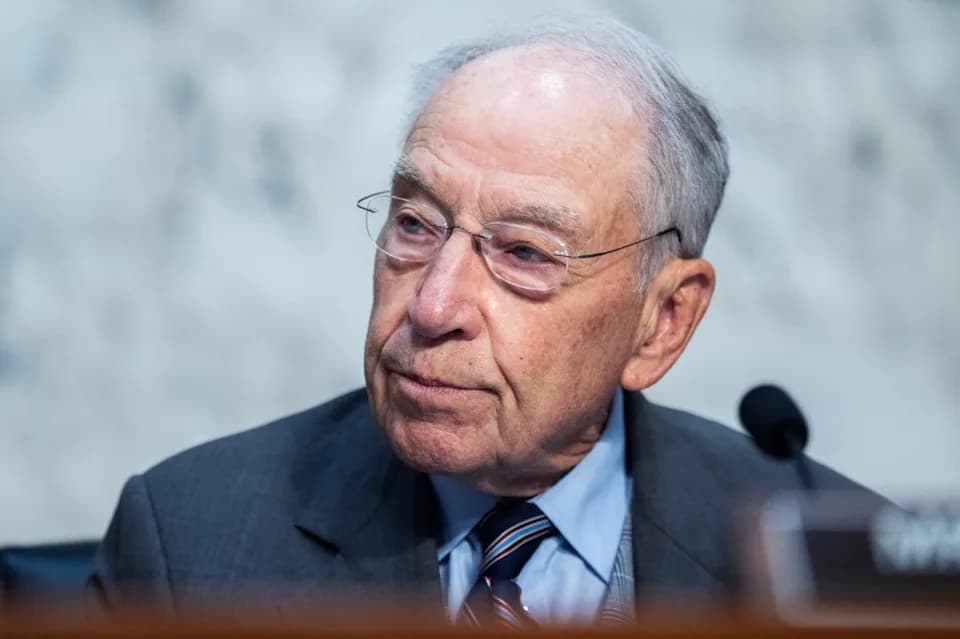
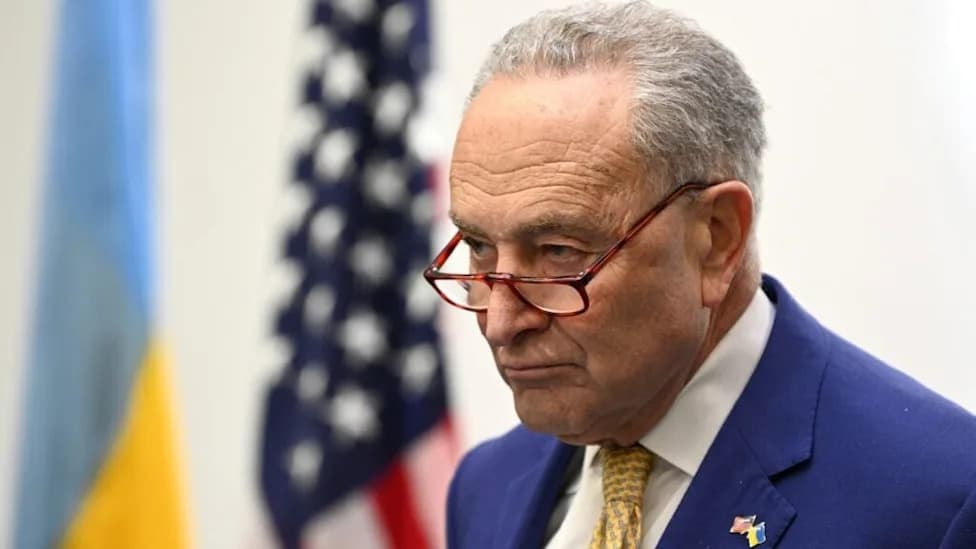
Chairman Chuck Grassley, R-Iowa, attends a Senate Judiciary Committee markup on judicial nominations in Hart building on Thursday, July 23, 2026.
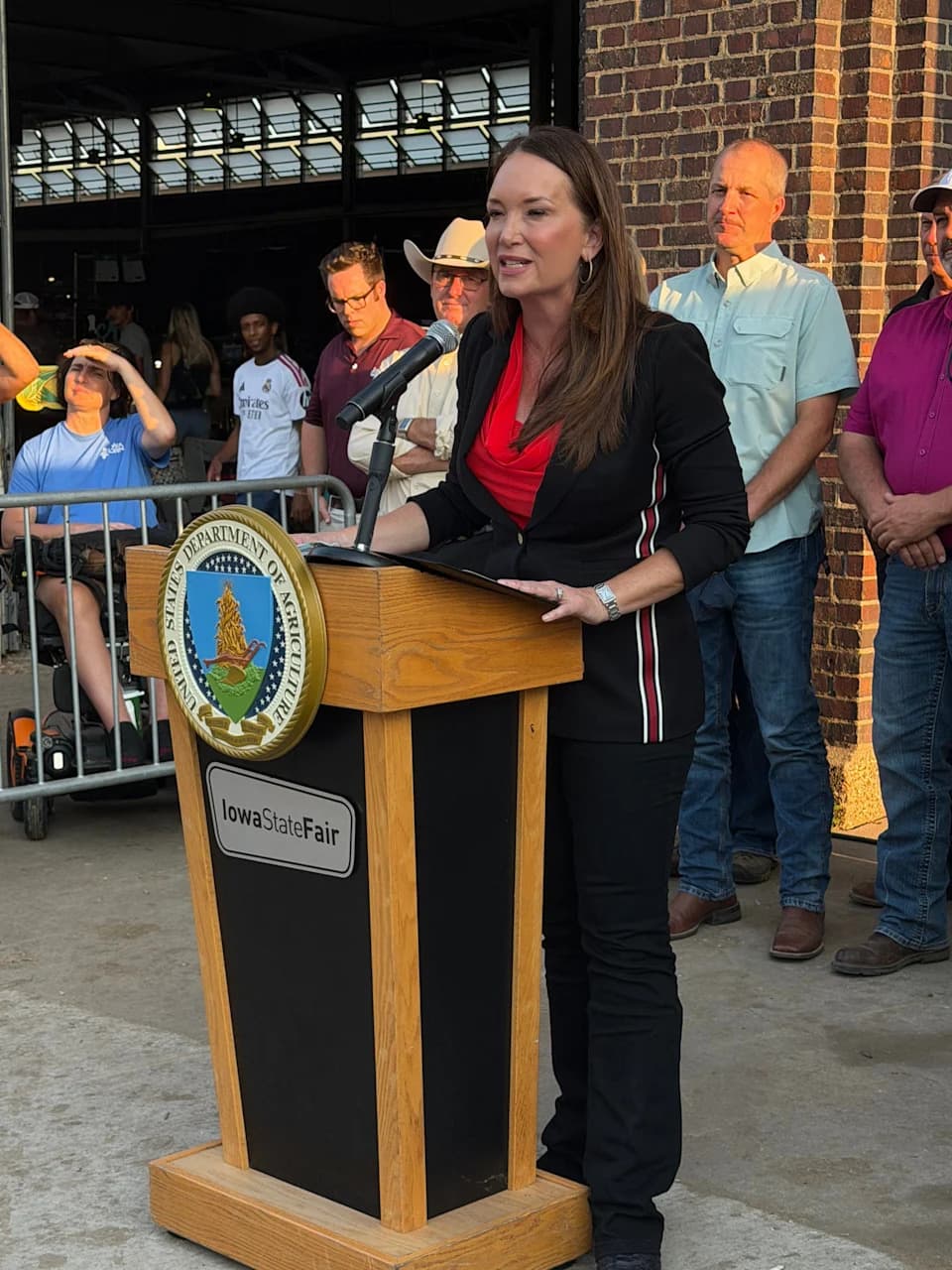
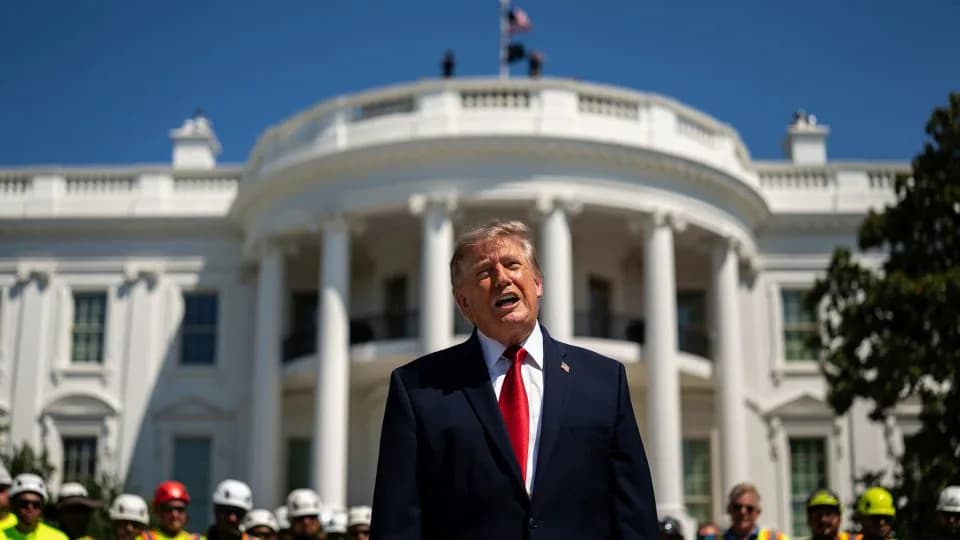
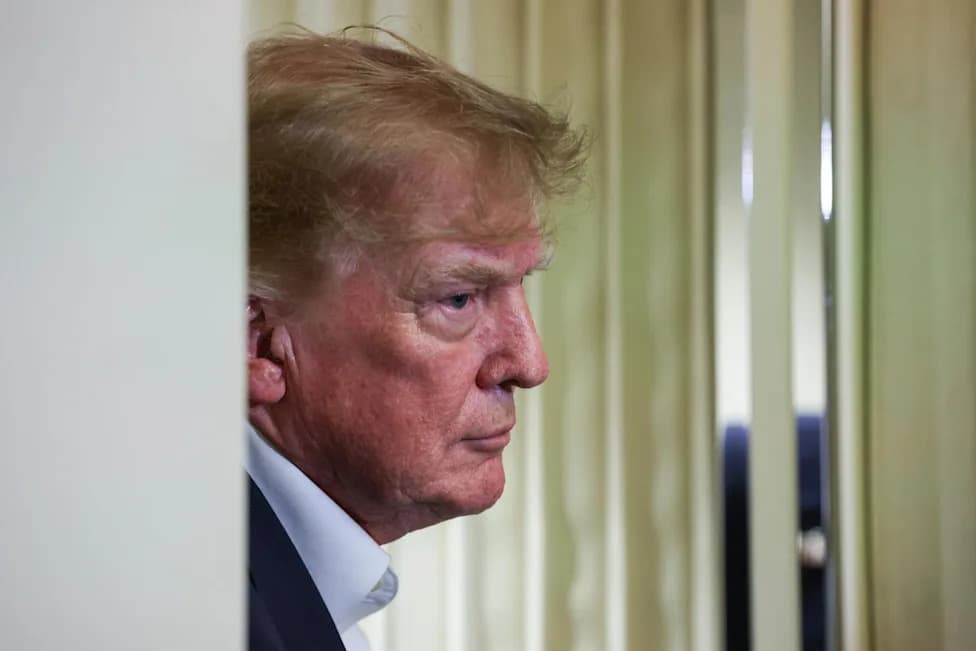
Republican Senator Chuck Grassley of Iowa has called on President Donald Trump to temporarily ban diesel exports to help lower domestic fuel costs that he says are "killing farmers' income." Grassley urged the administration to "put an embargo on diesel exports like presidents in the 70s put embargoes on ag products because food prices were inflated," apparently invoking past export restrictions such as those on soybeans.
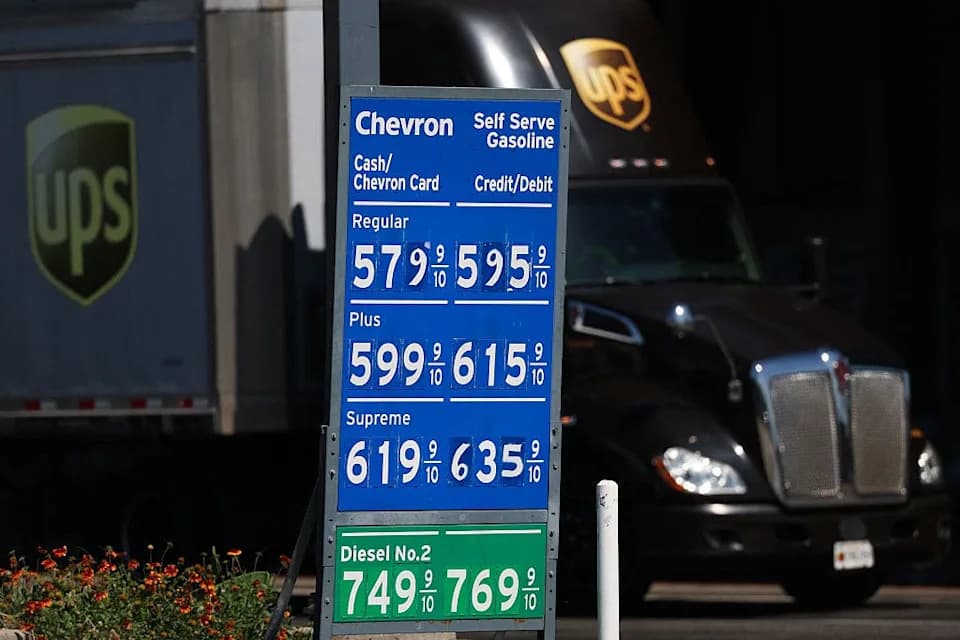
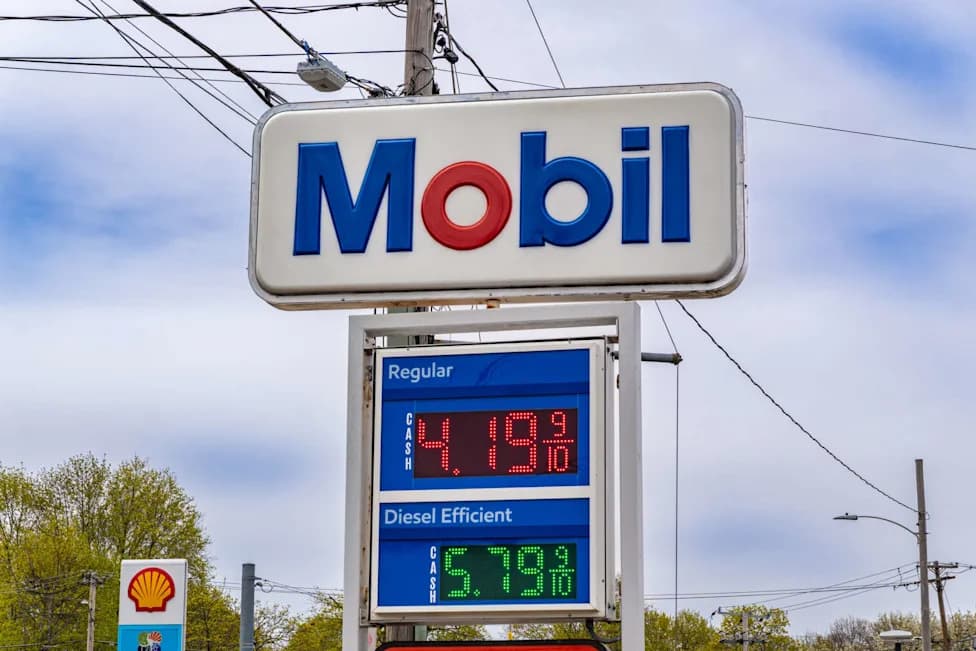
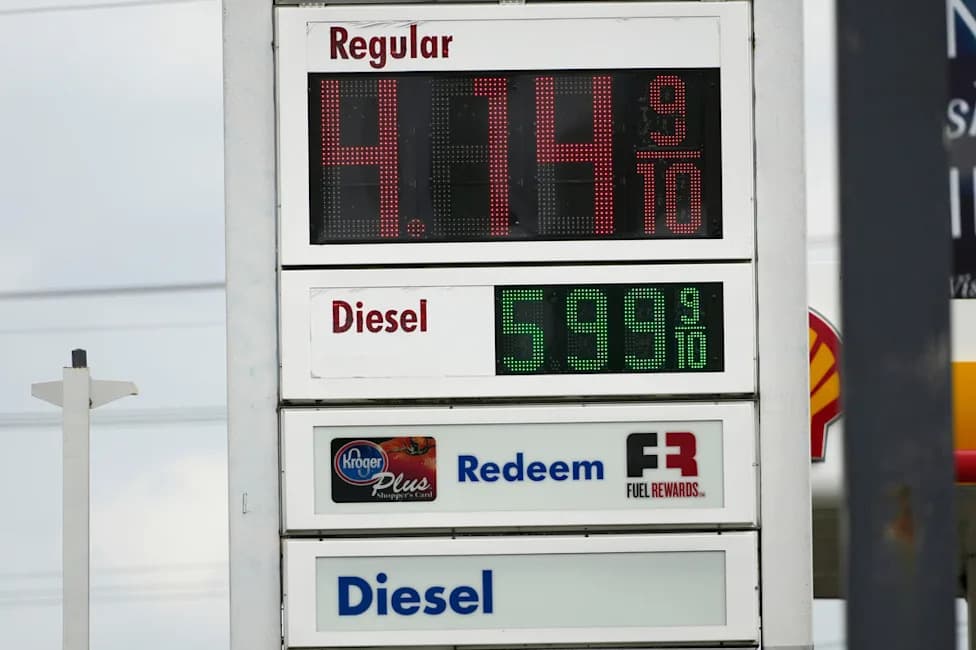
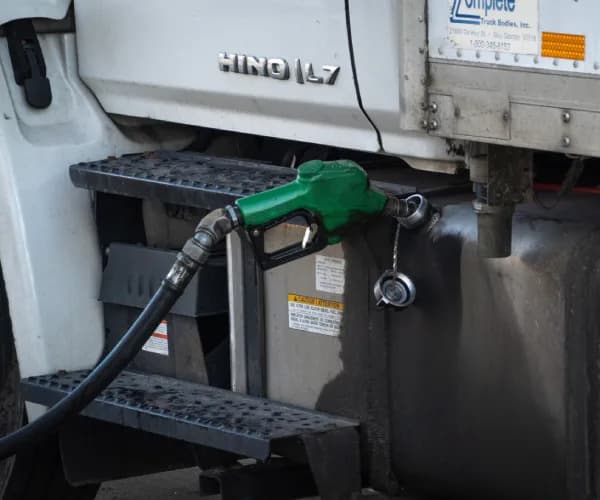
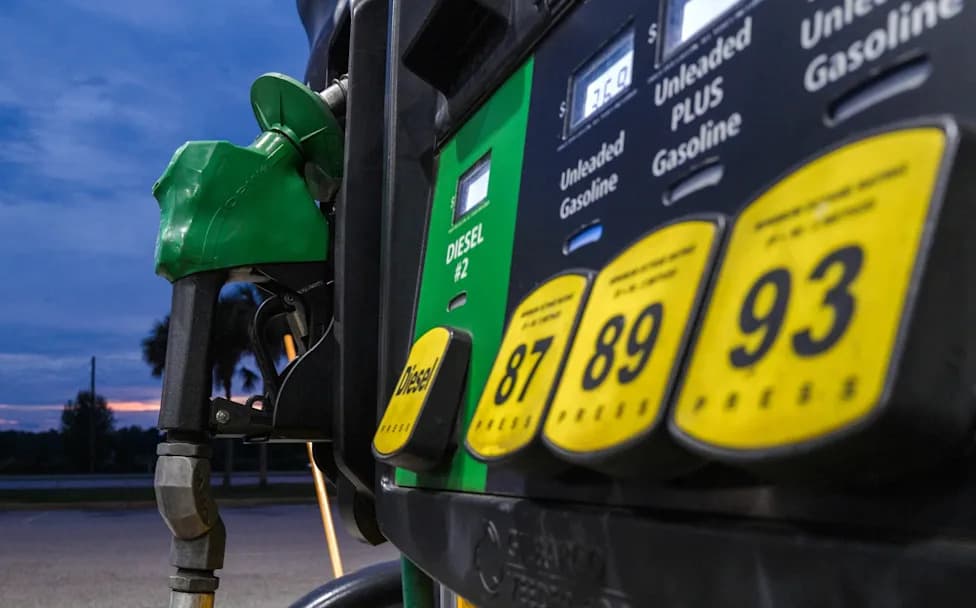
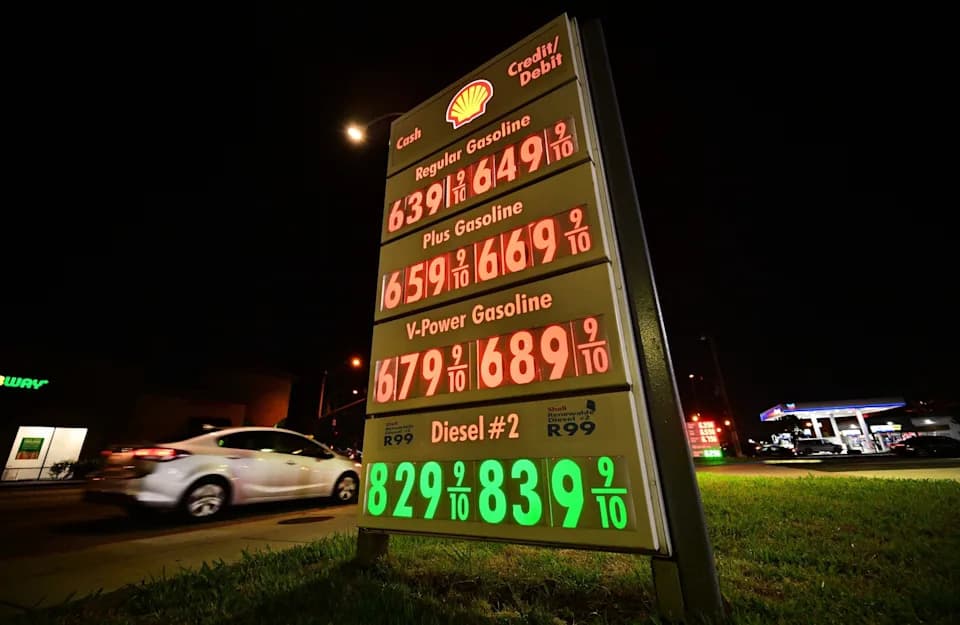
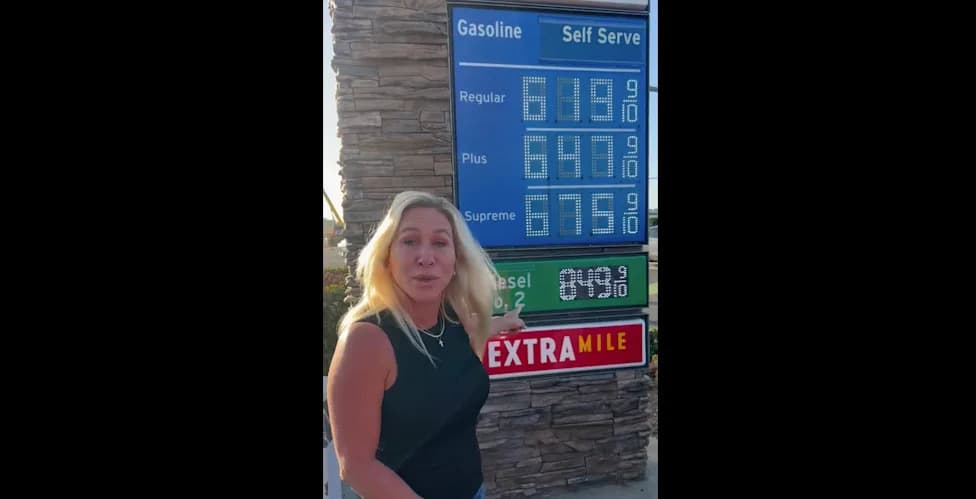
Amid supply constraints tied to recent conflict involving Iran and other global pressures, the national average price for diesel has climbed above $6 per gallon and reached a fresh record of $6.51 on Sunday—up from roughly $3.70 a year earlier. In Iowa, the state Grassley represents, diesel recently hit a record $6.29 per gallon, rising from $5.35 over the past month.
Researchers at the Watson Institute for International and Public Affairs at Brown University estimate U.S. households have spent roughly an additional $50 billion on diesel since the Iran-related disruptions began, based on a roughly 77 percent per-gallon increase to about $6.49.
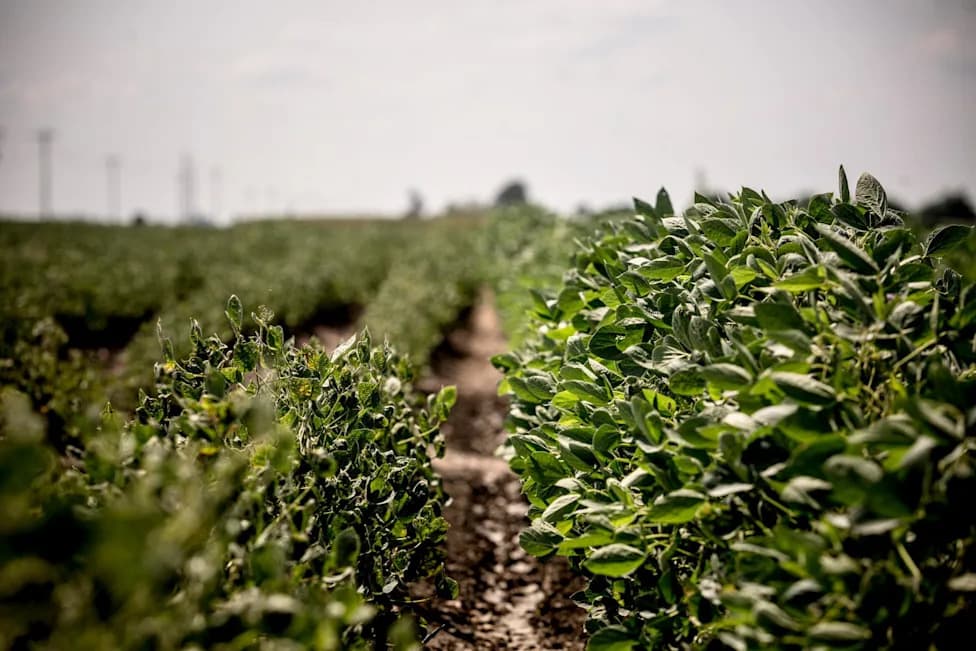
Farm groups have warned that the spike in diesel costs threatens farm finances and could disrupt U.S. food supplies, particularly as the agricultural sector enters the peak of harvest season when tractors, combines and other diesel-powered equipment are in heavy use.
"Trump says the United States is winning the war in Iran and we are in control the Strait of Hormuz. Based on 10‑dollar diesel fuel we are losing the war," John Boyd, founder and president of the National Black Farmers Association, told Newsweek. "Struggling farmers are paying the price, losing our profit margin and going out of business."
The Department of Agriculture told Newsweek the administration "recognizes that diesel powers American agriculture and this administration is not leaving any stone unturned to resolve this temporary challenge." Newsweek has contacted Grassley’s office and the White House for additional comment.
Data from the Energy Information Administration show the U.S. exported nearly 400 million barrels of distillate fuel oil (which includes diesel) last year. Since the outbreak of hostilities involving Iran, exports have increased as global shortages pushed prices higher—nearly 50 million barrels were exported in May, an all-time monthly high in records dating back to 2009.
Grassley’s proposal has drawn some backing among Republicans on Capitol Hill. Senate Majority Leader John Thune said he was "open" to examining an export ban, and Representative Tim Burchett (R‑Tenn.) filed legislation this week that would ban diesel exports through January 2027. Burchett’s office argued that diesel powers trucks and farm equipment and that higher fuel costs are eventually passed on to consumers through higher grocery and goods prices.
But administration officials and industry groups caution that an export ban could backfire. Interior Secretary Doug Burgum told CNBC he was "not at all confident" an embargo would lower prices and warned it could provoke retaliation from trade partners. The trade group American Fuel & Petrochemical Manufacturers argued that preventing exports—or forcing refiners to store unsold diesel—could prompt production cuts, tighten supplies, push prices higher and weaken U.S. energy security.
As debate continues in Washington, farmers and supply-chain stakeholders are watching diesel markets closely for any policy steps that could ease costs before the winter planting and next season’s production cycle.
Contact: Newsweek editors Daniel Orton and Cristina Diciu contributed reporting to this story.
Help us improve.